


Cracked heels are not a cosmetic problem in India — they're a structural one. Hard tiled floors, open footwear in summer, and ten-month-long warm seasons mean Indian heels work harder and dry faster. The good news: a four-week urea protocol can resolve all but the deepest fissures. Here's the exact plan dermatologists use.
Why Cracked Heels Happen
Heel skin thickens as a protective response to pressure and friction. When that thickened keratin loses moisture (sandal weather, hard water, low humidity), it becomes brittle. Brittle keratin cracks. The cracks deepen with each step. Without intervention, fissures reach the dermis and bleed.
Standard moisturisers fail here for one reason: they can't penetrate hardened callus. You need a keratolytic to break the bonds and a humectant to rehydrate. Urea does both.
The 4-Week Cracked Heel Protocol
| Week | Urea % | Frequency | Occlusion | Goal |
|---|---|---|---|---|
| 1 | 40% | Nightly | Cotton socks overnight | Soften thickened callus |
| 2 | 40% | Nightly | Cotton socks overnight | Heels visibly smoother, cracks shallower |
| 3 | 20% | Nightly | Optional socks | Surface fully closed, skin pliable |
| 4 | 10% | Twice daily | None | Maintenance, prevent recurrence |
Step-by-Step Nightly Routine
- Soak (10 min): warm water, no soap. Plain water rehydrates better than detergents.
- Pat — don't rub — dry. Skin should be damp.
- Apply urea generously to heels and any rough zones. Cover the entire heel cup, not just the visible cracks.
- Massage 30 seconds until absorbed.
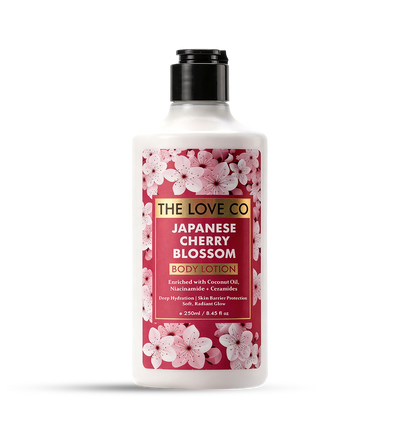
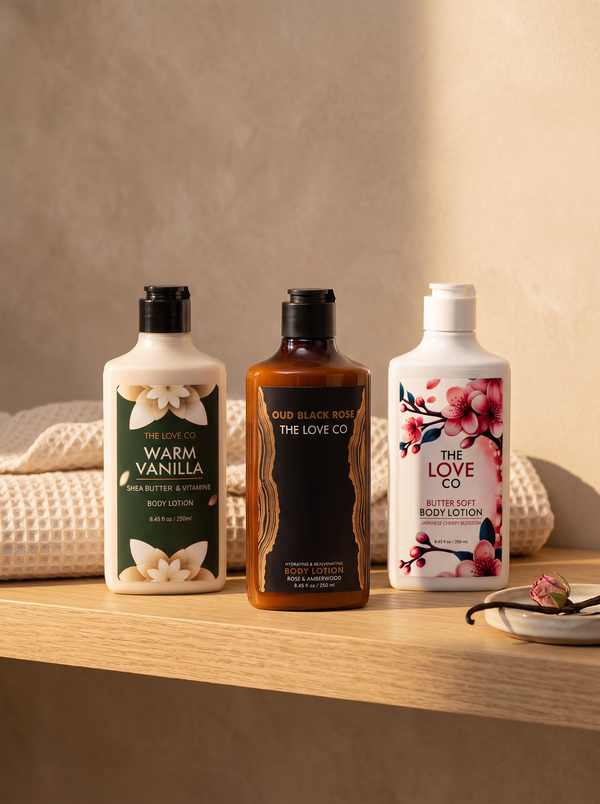
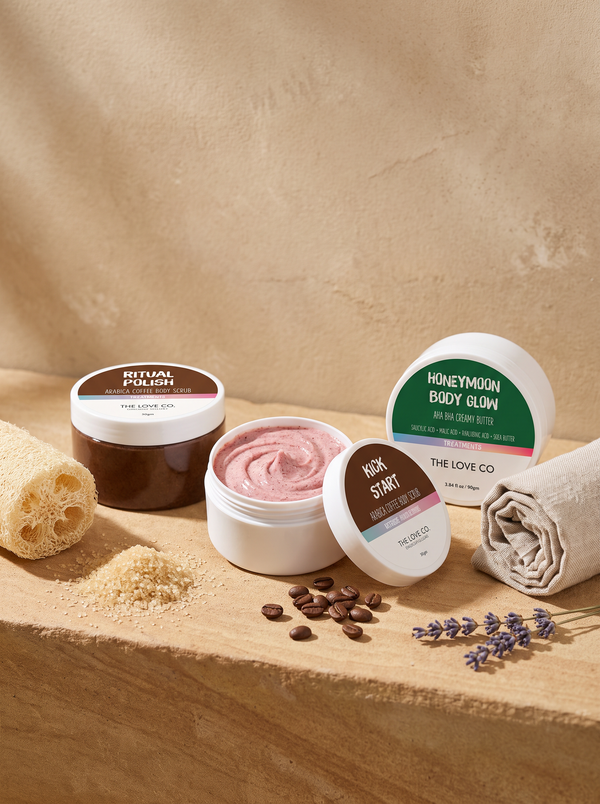
- Lock with an occlusive. A body butter or petrolatum-based balm seals the urea in. TLC body butters work well as the second layer because shea and cocoa butter form a breathable seal.
- Cotton socks overnight. Non-negotiable in weeks 1–2.
The Layering Logic
Urea pulls water in. The occlusive prevents that water from leaving. Without occlusion, urea works at half-efficiency in dry climates. This is why the ICU-style "wet wrap" approach (urea + occlusive + sock) outperforms either layer alone.
For the occlusive step, you don't need a clinical product. A fragrance-led butter does the same physical job and increases adherence — you'll actually do the routine if it smells like rose or vanilla.
Filing: Yes, But Sparingly
Once a week, after a soak, use a glass or fine-grit foot file in one direction across the heel. Stop when the surface feels even. Aggressive scraping triggers a hyperkeratotic response — your skin builds more callus to protect itself. Less is more.
What Not To Do
- Skip the occlusive step (urea alone is not enough in Indian winters)
- Use a pumice stone daily
- Apply urea to bleeding cracks — heal first with petrolatum, then start urea
- Walk barefoot on hard floors during the protocol
- Buy "heel cream" without checking the urea percentage
What If Cracks Don't Heal?
If after 4 weeks of consistent protocol your heels still bleed or remain deep, see a dermatologist. Possible causes: fungal infection (tinea pedis), eczema, psoriasis, or thyroid-related dryness. None of these resolve with urea alone.
"For cracked heels, I always prescribe 40% urea for two weeks under occlusion, then taper. Patients who add a fragranced butter as the second layer have dramatically better adherence. Compliance is the unsung hero of dermatology."
— Dr. Tanvi Sehgal, MD (Dermatology)
Where TLC Fits
The Love Co does not make a 40% urea cream — buy that from a pharmacy (Eucerin UreaRepair, Curatio Atogla, or a derm prescription). Use TLC body butter as the occlusive top layer in weeks 1–3, and as the everyday moisturiser in week 4 onward, alongside one of our dryness-targeted products.
Why Some Heels Resist Treatment
Not every cracked heel responds to urea alone. Three common reasons for a stalled protocol: undiagnosed athlete's foot (tinea pedis), which mimics dryness but worsens with moisturisers; psoriasis, which produces silvery scaling that needs a different active; and persistent friction from ill-fitting footwear. If your heels haven't softened by day 10 of nightly 40% urea with occlusion, the active step is fine — something else is interfering.
Footwear Audit During Healing
The protocol assumes your daytime habits aren't undoing the overnight work. A quick audit during the four weeks: switch to closed-back footwear with a cushioned heel, avoid hard plastic flip-flops on tile floors, and add a thin moisturising sock layer at home if you walk barefoot indoors. Heels under continuous pressure rebuild callus faster than urea can soften it.
The Maintenance Plan After Week 4
Once the protocol is complete, switch to a permanent maintenance routine: 10% urea lotion every morning after shower, a heavier butter lock at night two to three times a week, and a one-minute file once weekly on damp skin. The goal isn't to repeat the 40% phase — it's to never need it again. Many users in Indian cities re-run the four-week protocol every 18–24 months, especially after warm-season sandal stretches.
Cracked Heels in Diabetic Skin
Diabetes complicates heel care because reduced sweat function (autonomic neuropathy) accelerates dryness, and slowed wound healing means small cracks become entry points for infection. The clinical recommendation for diabetic heels is 10–25% urea, not 40%, applied daily under medical supervision. Daily inspection for breaks, redness, or warmth is non-negotiable. Diabetics should never self-prescribe a 40% protocol without podiatrist input.
Seasonal Calibration in India
Cracked heels in October-December follow a predictable pattern: humidity drops, sandal wear continues, and skin that compensated all summer suddenly reveals fissures. The smartest move is preventive — start a 10% urea heel-and-foot routine in late September before cracks appear. Run the corrective 40% protocol only if prevention fails. Most Indian users who run preventive routines report skipping the corrective phase entirely some years.
The Two-Product Heel Stack
The cleanest cracked-heel kit is two items: one clinical urea cream (any 40% or 25% pharmacy product) and one sensorial body butter for the occlusive layer. The butter doesn't need to be heel-specific. A scented whipped body butter applied as the last step before socks works because it creates a soft, breathable seal and makes the routine pleasant enough to repeat for 14 nights.
FAQs
Does urea lotion really heal cracked heels?
Yes — at 20–40%, with occlusion overnight, most cracks resolve in 4 weeks.
Can I use 10% urea on cracked heels?
10% is for maintenance, not active healing. Start at 40%.
How long does healing take?
7–14 days for mild, up to 6 weeks for deep fissures.
Should I file my heels?
Once weekly, gently. Daily filing thickens callus.
Is it safe for diabetic heels?
Generally yes at 10–25%, but consult a podiatrist if neuropathy is present.
Build Your Layered Routine — Browse our fragrance-led, dermatologist-approved body lotion collection or explore dryness-targeted body care.
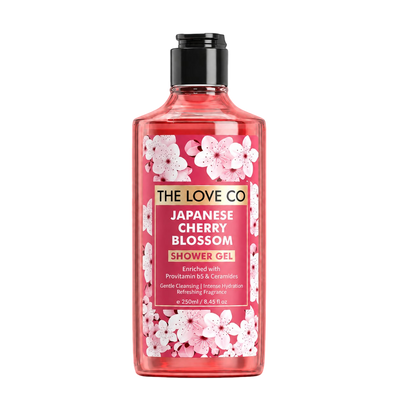
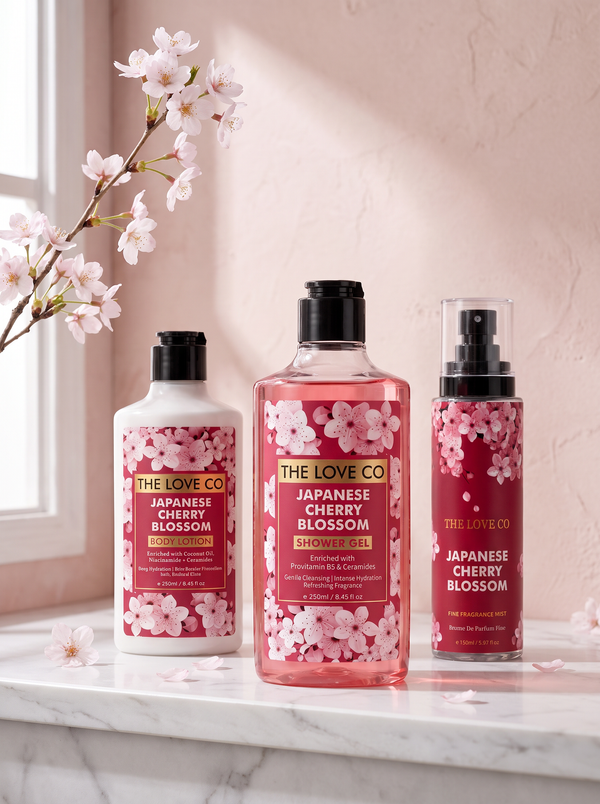
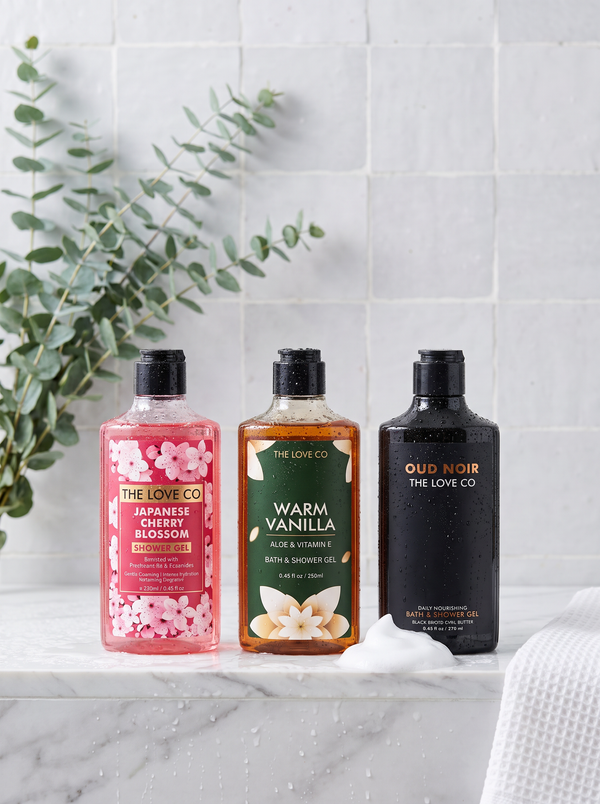
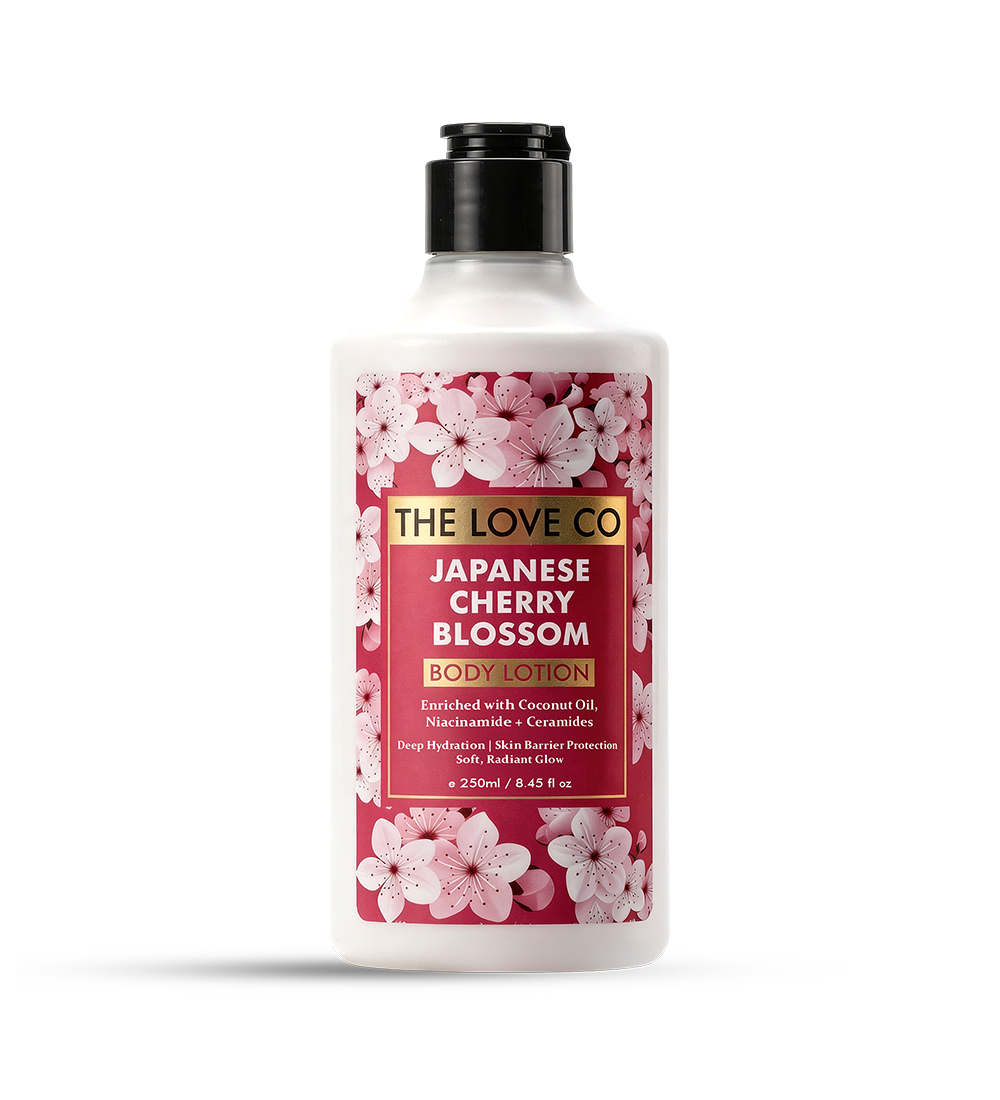
Japanese Cherry Blossom Shower Gel
Scent Trail Step 1 · soft floral body wash Start the Scent Trail here. A pH 5.5, SLS-free cleanser that protects your skin barrier while it washes —...
A ritual is the smallest love you give yourself, daily.
— Hemang Jain · 03 May 2026