





Body Acne Causes: How Summer Makes it Worse
Why Body Acne Gets Worse in the Summer Heat
Have you ever noticed that your body acne flares up as soon as the weather gets warm? You're not alone. The combination of heat and humidity significantly impacts your skin. As temperatures rise, your glands ramp up sebum production, creating excess oil that can easily get trapped in your skin's pores.
This extra oil, combined with a constant layer of sweat, makes it easy for pores to become clogged. This process is the primary reason why pimples on your back and chest seem to appear out of nowhere during the summer. Let's explore the science behind these specific summer triggers.
The Science of Sweat and Body Acne
Sweat is your body's natural cooling system, but it can be a major culprit for body acne. When you sweat, moisture mixes with the natural oils and dead skin cells on your skin's surface. This sticky combination can settle into your hair follicles, creating a blockage.
This environment is ideal for bacteria to thrive, leading to inflammation and the formation of pimples.
If you don't shower soon after a workout or a particularly sweaty day, this mixture of sweat, oil, and grime sits on your skin, increasing the likelihood of breakouts. The friction from clothing can further push these impurities deep into your pores, making the situation worse.
The Role of Rising Temperatures and Sebum Production
The link between heat and oily skin is scientifically proven. For every one-degree Celsius increase in temperature, your sebaceous glands can increase oil production by as much as 10%. During the hot Indian summers, this means your skin is naturally producing far more sebum than it does in cooler months.
This surge in oil production is a direct response to the heat. Your body is trying to keep your skin lubricated, but the excess oil often does more harm than good. When there's too much sebum, it can't flow out of the pores properly.
Instead, it combines with dead skin cells and gets trapped inside the hair follicles. This blockage is the starting point for various types of acne, from small blackheads to larger, more painful pimples. This is a key way body acne differs from facial acne, as the glands on the back and chest can be highly reactive to temperature changes.
How Humidity and Tight Clothing Affect Your Skin
High humidity adds another layer to the problem. The moist air prevents sweat from evaporating off your skin quickly. This creates a damp environment where acne-causing bacteria, like Cutibacterium acnes, can multiply rapidly. Your skin essentially becomes a breeding ground for breakouts.
Combining this humid environment with tight clothing is a recipe for disaster. Synthetic fabrics like polyester and nylon are notorious for trapping heat and moisture against your skin. This not only encourages bacterial growth but also causes friction, a common trigger for a type of acne known as acne mechanica. This condition is common in athletes but can affect anyone who wears restrictive clothing in the heat.
To minimize these effects, consider the following tips:
-
Opt for loose-fitting clothes made from breathable fabrics like cotton.
-
Avoid wearing backpacks or gear that rub against your skin for extended periods.
-
Change out of sweaty gym clothes immediately to protect your skin barrier from irritation.
What Causes Body Acne: Key Triggers in Indian Summers
In the context of intense Indian summers, the main causes of body acne are amplified. The combination of extreme heat, high humidity, and increased pollution creates a challenging environment for your skin. The primary triggers remain blocked pores and the overgrowth of bacteria, leading to widespread inflammation.
This is particularly true for back acne, or "bacne," where sweat and oil can easily get trapped under clothing. Understanding these core causes is essential for finding effective treatment options that work for your skin. Let's examine how bacteria contribute to this issue and what other factors might be at play.
Bacteria and Blocked Pores Explained
At its core, body acne forms when your pores or hair follicles become clogged. Each follicle contains a sebaceous gland that produces oil. Normally, this oil travels up the follicle and out of the pore to keep your skin moisturized. However, problems arise when this pathway is blocked.
The blockage is usually a mixture of excess sebum, dead skin cells, and external dirt or impurities. This plug creates an oxygen-deprived environment inside the follicle, which is perfect for bacteria to thrive. The bacteria feed on the sebum, multiply, and trigger an inflammatory response from your immune system. This inflammation results in the red, swollen pimples characteristic of acne. While poor hygiene can contribute by adding more dirt to the mix, it's often the internal process of oil and skin cell buildup that initiates the problem.
|
Acne Trigger |
How It Clogs Pores |
|---|---|
|
Excess Sebum |
Overwhelms the pore, making it difficult for oil to exit. |
|
Dead Skin Cells |
Stick together with sebum, forming a hard plug. |
|
Bacteria |
Thrive in the clogged pore, causing inflammation and redness. |
|
Friction |
Pushes sweat, oil, and debris deeper into the hair follicles. |
Friction, Fabrics, and the Problem with Synthetic Clothes
The clothes you wear can have a direct impact on your body acne. Friction from tight clothing, backpacks, or even underwear bras can physically irritate the hair follicles, leading to inflammation and breakouts. This is known as acne mechanic and is very common on the back, shoulders, and chest.
Synthetic fabrics like polyester, rayon, and nylon are particularly problematic. They don't allow your skin to breathe, trapping sweat and heat against your body. This creates the perfect humid environment for bacteria to flourish, making breakouts more likely. The constant rubbing of these non-breathable materials can also cause irritation and weaken the skin barrier.
To prevent friction-induced acne, it's best to:
-
Choose loose-fitting garments made of natural, breathable fabrics like cotton or linen.
-
Ensure your sports equipment, like shoulder pads, is clean and fits properly.
-
Avoid carrying heavy backpacks for long durations if you are prone to back acne.
Hormonal Changes, Diet, and Genetics—Other Contributors
While summer conditions can worsen acne, they aren't the only cause. Hormonal changes are a major internal trigger. Fluctuations during puberty, the menstrual cycle, or due to conditions like PCOS can increase sebum production, leading to more frequent breakouts. This is why many people experience acne flare-ups at specific times of the month.
Your diet may also play a role. Some studies suggest that high-glycemic foods (like sugary snacks and white bread) and certain dairy products can increase inflammation and oil production, potentially worsening acne. While the link is not definitive for everyone, paying attention to how your skin reacts to certain foods can be helpful.
Finally, genetics can't be ignored. If you have a family history of acne, you are more likely to develop it yourself. Your genetic makeup can influence how sensitive your skin is to hormones, how much sebum your glands produce, and how your body responds to inflammation.
Love Co’s Science-Backed Summer Body Acne Routine
Fighting summer body acne requires a targeted approach that addresses its root causes: excess oil, sweat, and clogged pores. A simple yet effective routine can make all the difference. Using products with scientifically proven ingredients like salicylic acid can help you manage breakouts and maintain clear skin even in the peak of summer.
The Love Co offers a complete routine designed to combat these issues head-on. From a deep-cleansing body wash to on-the-go protection and sun care, these treatment options work together to keep your skin clear, calm, and protected. Here’s how you can build the perfect summer body care regimen.
Salicylic Acid Body Wash: Deep Cleansing for Clogged Pores
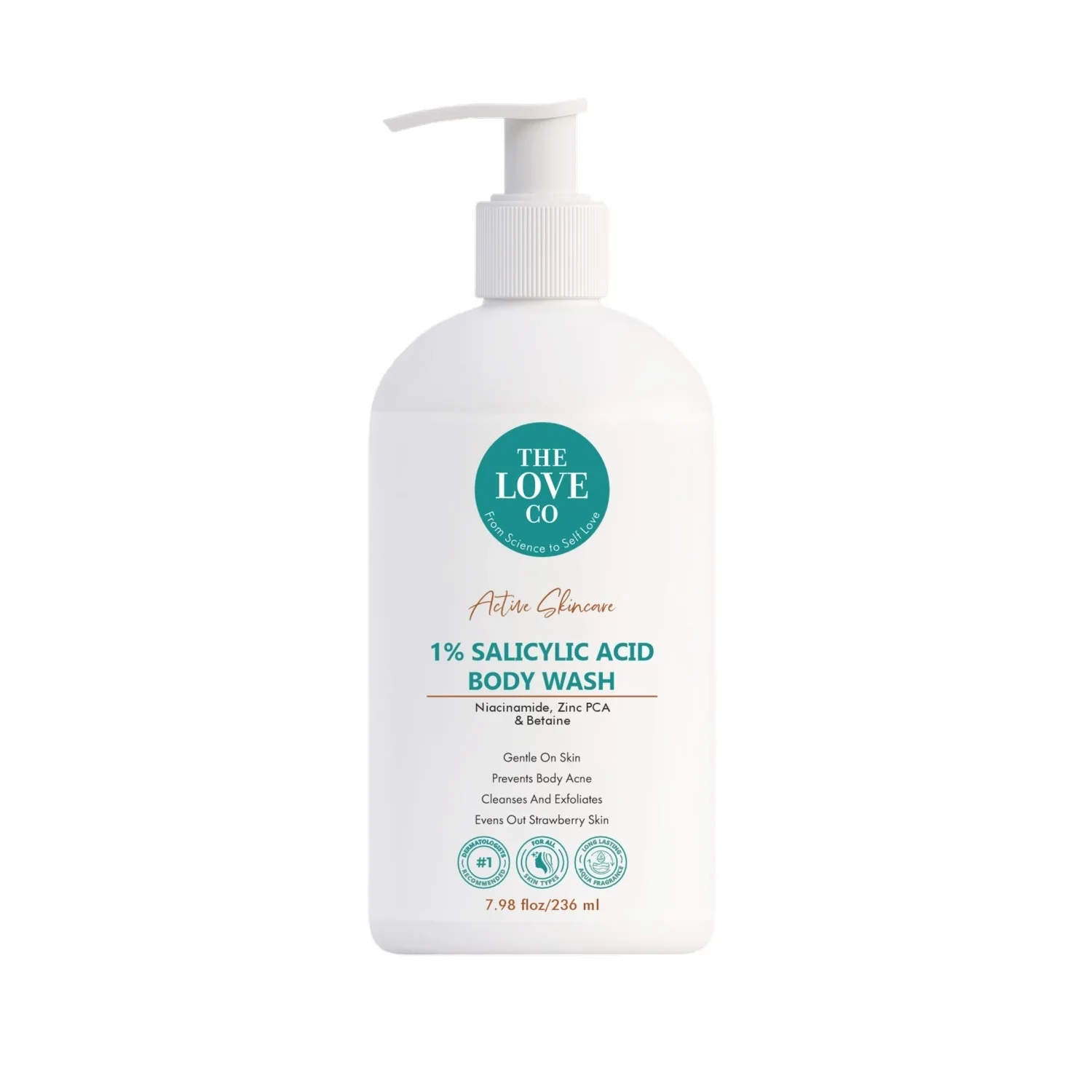
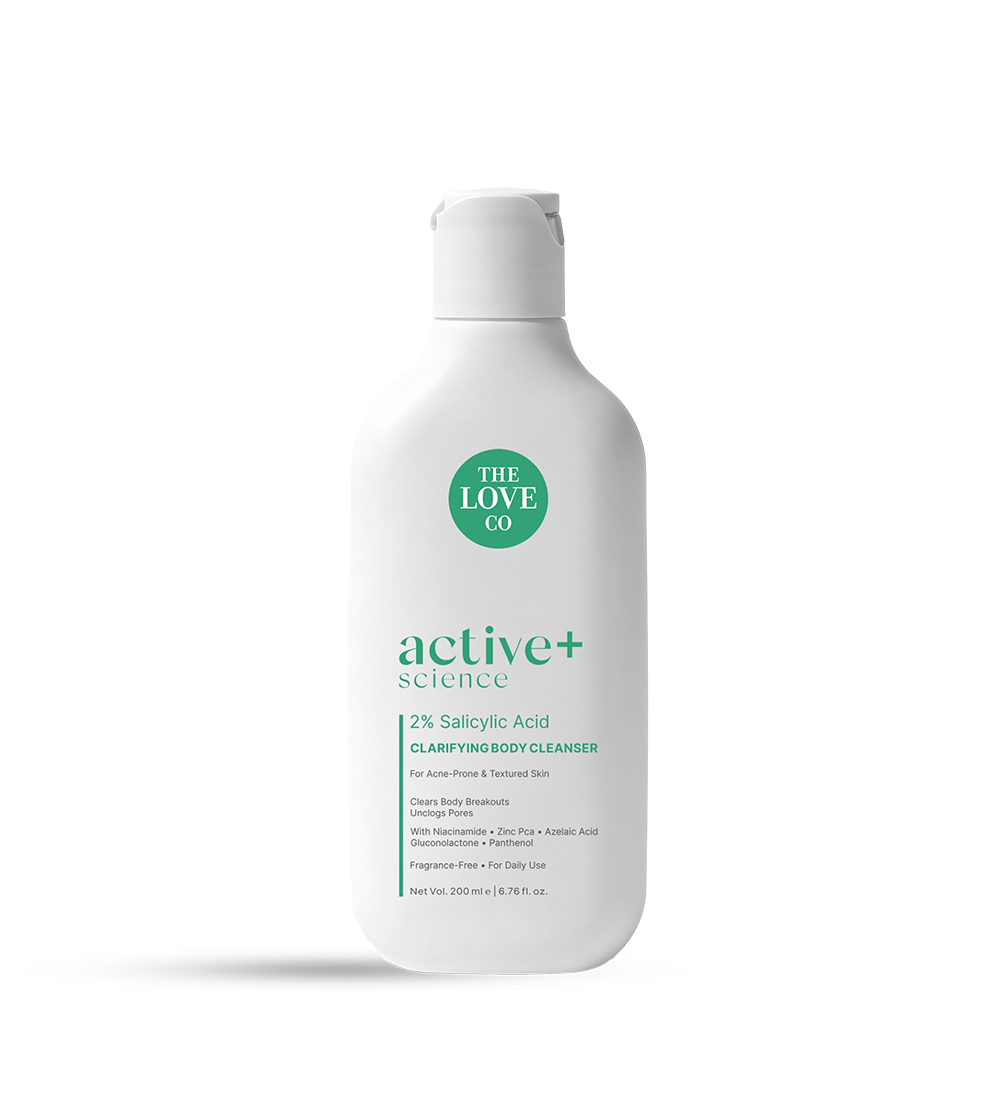
The first and most crucial step in any body acne routine is proper cleansing. The Love Co’s Salicylic Acid Body Wash is specifically formulated to tackle breakouts. Salicylic acid, a beta-hydroxy acid (BHA), is oil-soluble, meaning it can penetrate deep into the skin’s pores to dissolve the mixture of oil, dead skin cells, and debris that causes clogs.
Using this cleanser daily, especially in the evening, helps wash away the sweat, sunscreen, and impurities accumulated throughout the day. Unlike harsh soaps that can strip your skin and trigger even more oil production, this pH-balanced body wash effectively clears clogged pores without causing dryness or irritation.
Regular use helps to exfoliate the skin gently, preventing new blockages from forming. It’s an essential tool for keeping your back, chest, and shoulders free from pimples, making it a cornerstone of your summer skincare arsenal.
Acne Body Spray: Portable Protection Against Sweat
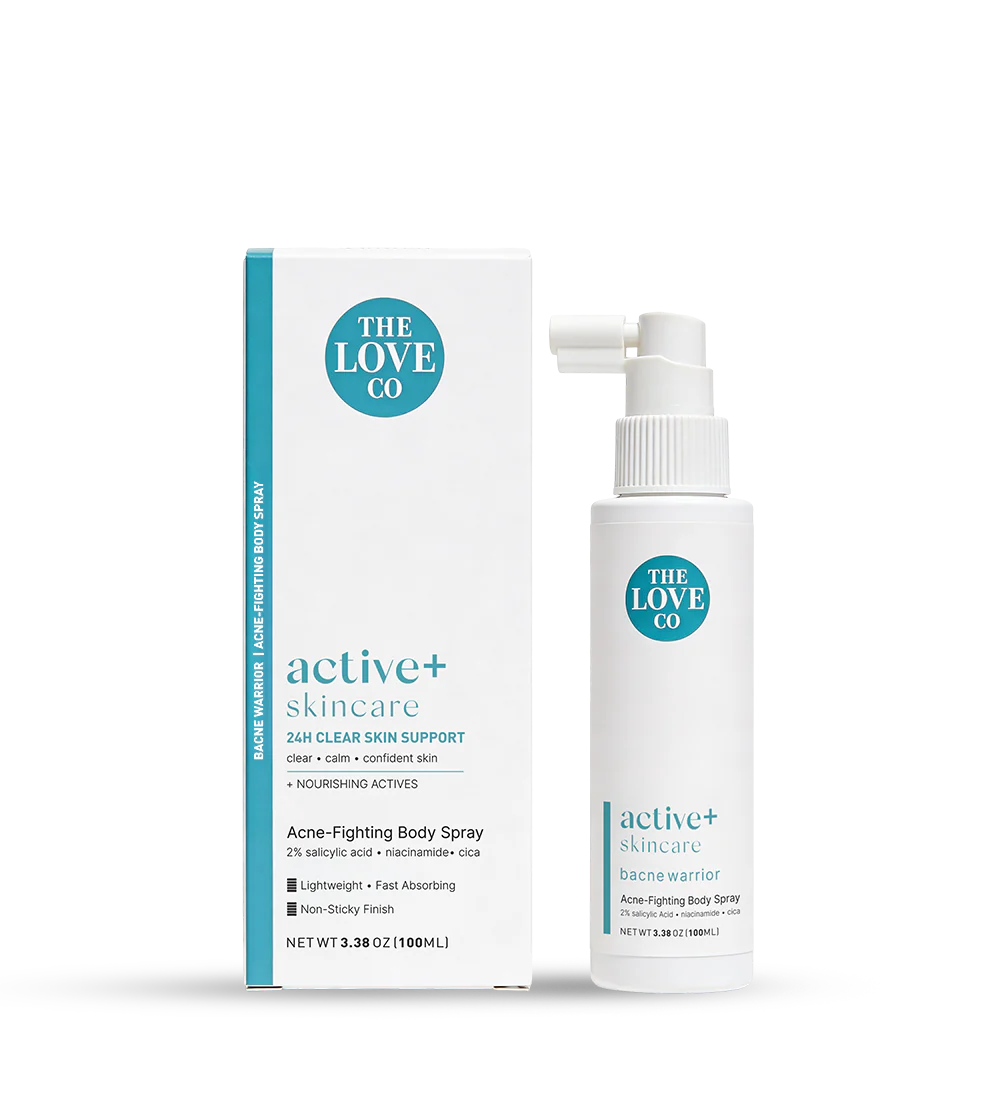
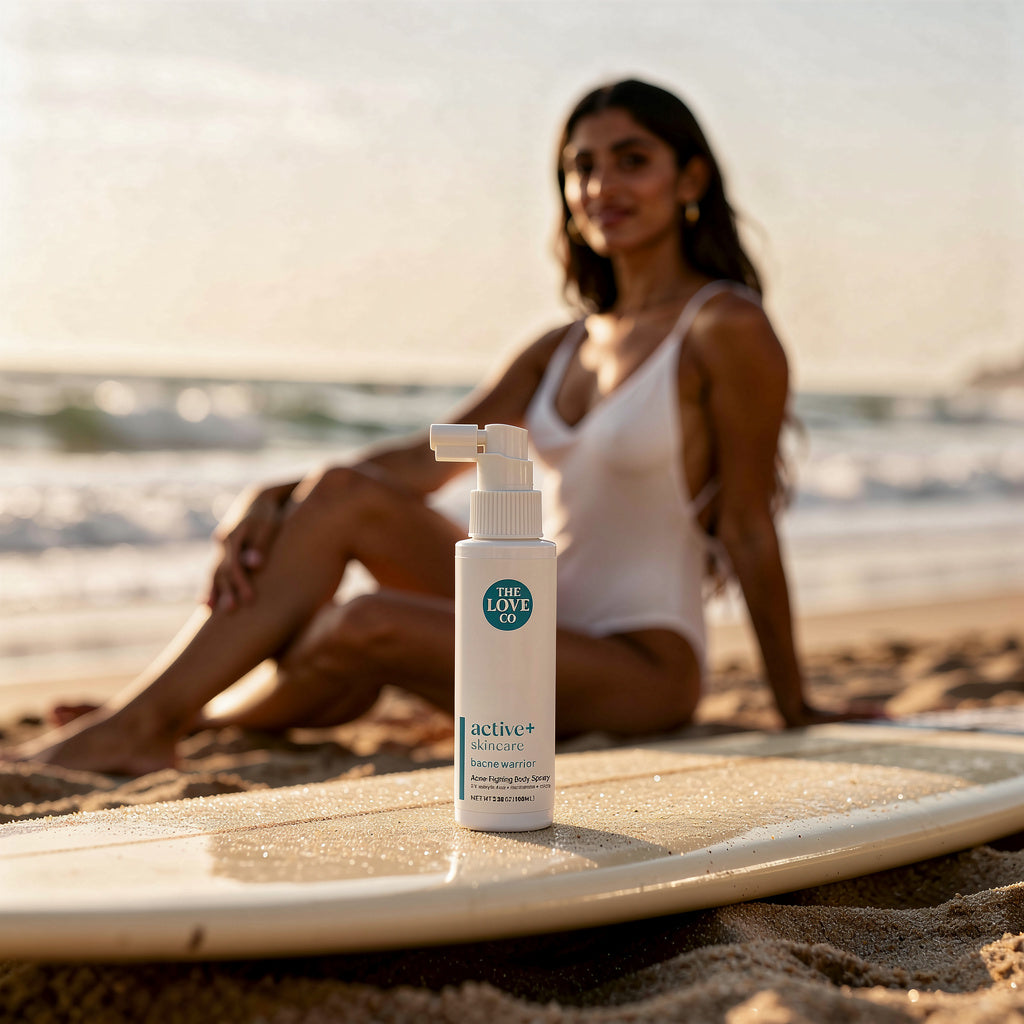
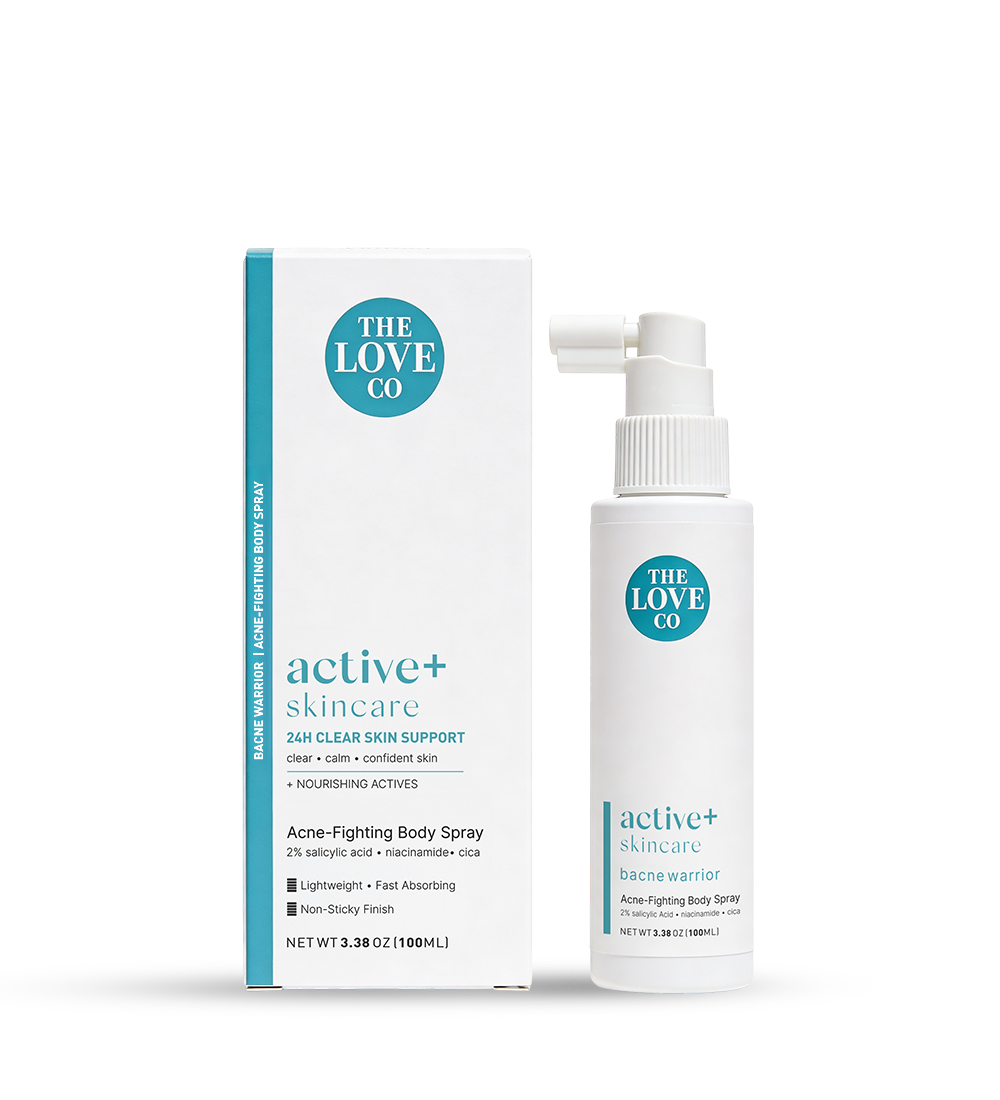
What do you do when you can't shower immediately after a workout or a long, sweaty commute? The Love Co’s Acne Body Spray is the perfect solution. This portable treatment offers on-the-go protection against the acne-causing effects of sweat. It’s designed for quick and easy application on hard-to-reach areas like your back.
Just a few spritzes after sweating can help neutralize bacteria and prevent pores from clogging. The no-rinse formula dries in seconds, making it incredibly convenient for midday use at the gym, office, or while you're out and about. It acts as a targeted antibacterial mist to stop breakouts before they even start.
Think of it as your emergency defense against sweat. By keeping this body spray in your gym bag or backpack, you can ensure your skin stays fresh and clean, reducing the risk of inflammation and acne breakouts even on your busiest days.
SPF Sunscreen Body Lotion: Preventing UV-Induced Dark Spots
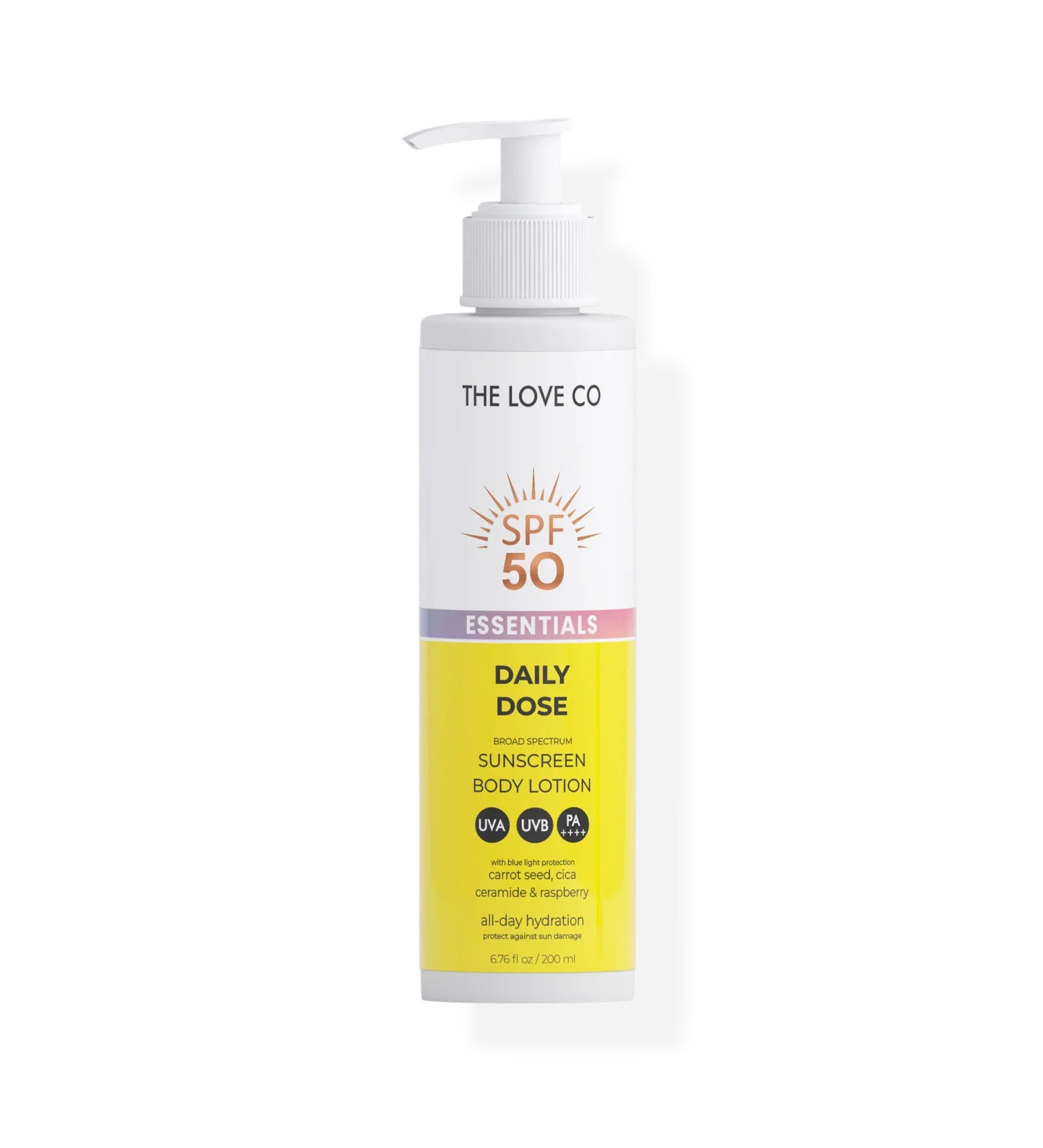
Sun exposure can be a double-edged sword for acne-prone skin. While it might seem to dry out pimples initially, sun damage can thicken the outer layer of skin, which can trap more oil and lead to future breakouts. More importantly, UV rays can cause post-inflammatory hyperpigmentation (PIH)—those stubborn dark spots that linger long after a pimple has healed.
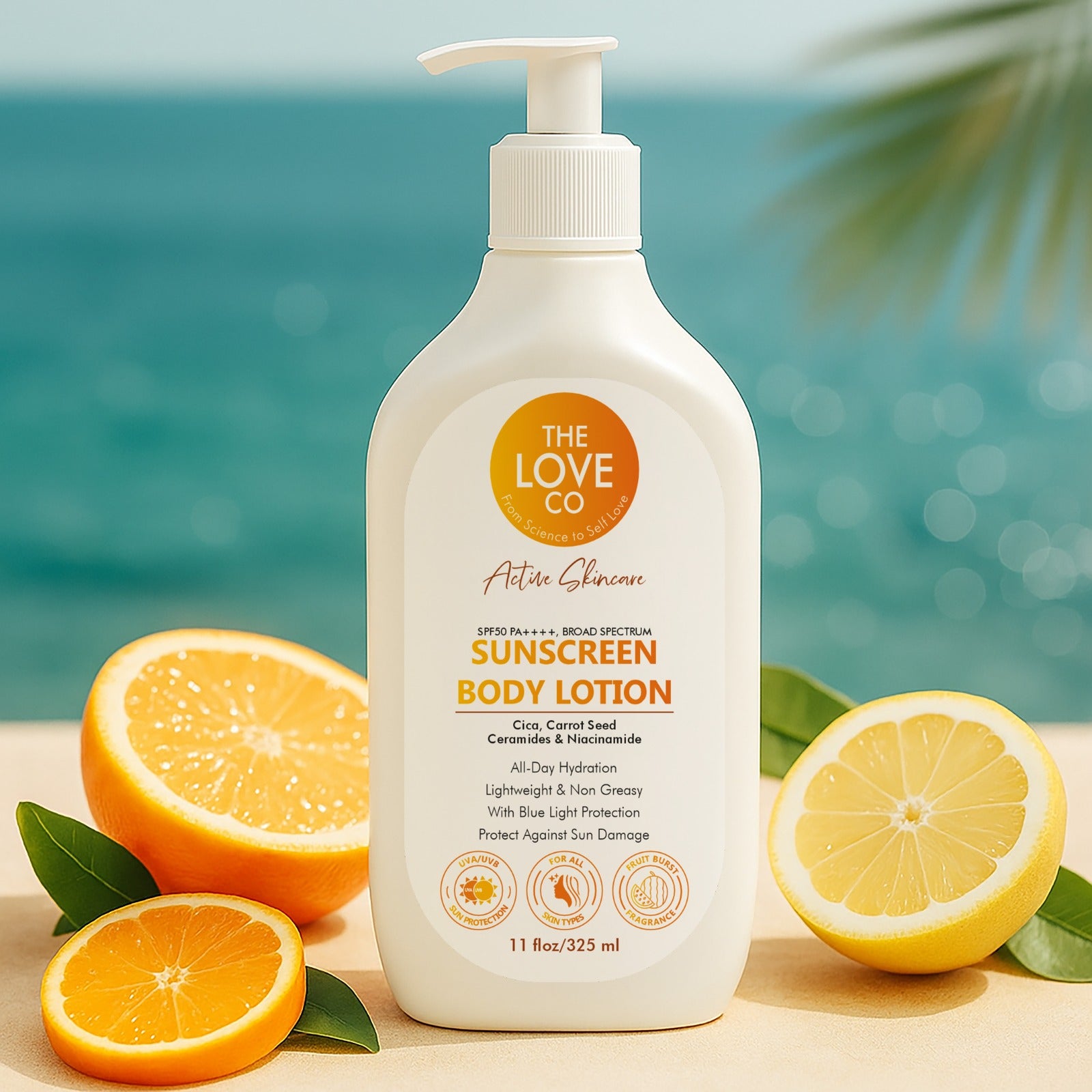
The Love Co’s SPF Sunscreen Body Lotion is a non-greasy, sweat-resistant formula that provides essential protection without clogging pores. This matte-finish SPF 50 lotion shields your skin from harmful UV rays, preventing both sun damage and the formation of dark marks on your back and chest. It also helps protect your skin barrier, which can be compromised by harsh acne treatments.
Key benefits of using this sunscreen include:
-
It is PETA certified and vegan.
-
The non-comedogenic formula won't contribute to breakouts.
-
It protects against PIH, ensuring your skin tone remains even as acne heals.
Frequently Asked Questions
Is it safe to use salicylic acid body wash daily in Indian heat?
Yes, it is generally safe for most people. The Love Co’s Salicylic Acid Body Wash is pH-balanced to avoid over-drying. However, if you have very sensitive skin, start by using it a few times a week. Always follow up with a moisturizer to maintain your skin barrier.
How soon should I shower after sweating to prevent breakouts?
Ideally, you should shower within 15-30 minutes of a heavy sweat session. This prevents the mixture of sweat, oil, and impurities from settling into your skin’s pores and causing body acne. If you can't shower, use a product like an acne body spray as an interim cleansing step.
Do certain foods make summer body acne worse?
For some individuals, foods with a high glycemic index and certain dairy products can trigger inflammation and worsen acne. While diet isn't the sole cause, limiting these foods may help reduce breakouts, especially when combined with factors like hormonal changes and genetics.
Read more

This blog explains the causes of body acne and how a targeted routine can help manage breakouts on the back and chest. It highlights how The Love Co 1% Salicylic Acid Body Wash helps unclog pores, ...

Keratosis pilaris is a common skin condition that causes rough, bumpy skin on the arms, thighs, and other areas. This guide explains its causes, symptoms, and the best treatment routine to achieve ...
Leave a comment
All comments are moderated before being published.
This site is protected by hCaptcha and the hCaptcha Privacy Policy and Terms of Service apply.