






Keratosis Pilaris: Your Guide to Smooth and Clear Skin
Have you ever noticed rough, sandpaper-like bumps on your upper arms, thighs, or cheeks? Many people mistake this for acne or "dirty skin," but it's often a very common skin condition known as keratosis pilaris (KP). This harmless skin condition affects a large portion of the population, caused by an overgrowth of keratin that plugs hair follicles. The good news is that with a simple and consistent routine, you can manage these bumps and achieve smoother skin.
Understanding Keratosis Pilaris and KP on Arms
Keratosis pilaris, sometimes called "chicken skin," is a very common skin condition characterized by small bumps on the skin. This form of follicular keratosis is completely harmless and not contagious. The keratosis pilaris bumps typically appear on the upper arms, thighs, cheeks, or buttocks, giving the skin a rough, sandpaper-like texture.
While it can appear at any age, it most often affects children and adolescents, with many cases gradually clearing up by age 30. Below, we'll explore the specific signs of this condition and why the upper arms are so commonly affected.
Common Signs and Symptoms of Keratosis Pilaris
The primary feature of keratosis pilaris is the appearance of tiny bumps that make your skin feel rough, much like sandpaper. These keratosis pilaris bumps are actually plugs of dead skin cells that have clogged the hair follicles.
While the bumps are typically painless, the affected skin can sometimes become dry and itchy, especially during colder months when the air is less humid. The appearance of the bumps can also differ based on your skin tone and whether there is any inflammation present.
Here are the most common signs:
-
Painless, tiny bumps, most often on the upper arms, thighs, cheeks, or buttocks.
-
Rough skin that feels like sandpaper.
-
Bumps that can be skin-colored, white, red, or brown.
-
Dryness and occasional itchiness in the affected areas.
Why KP on Arms is So Prevalent
Have you ever wondered why keratosis pilaris seems to favor the upper arms? This area is one of the most common parts of the body for KP to appear. The reason lies in the concentration and type of hair follicles present on the backs and outer sides of the upper arms.
These areas have numerous small hair follicles that are prone to becoming clogged with keratin, the protein that makes up your hair, skin, and nails. When excess keratin builds up around the opening of a hair follicle on the surface of your skin, it forms a plug, resulting in the characteristic bumps of KP.
Causes and Triggers of Keratosis Pilaris
The root cause of keratosis pilaris is a buildup of keratin, a hard protein that protects your skin from infection and other harmful substances. This keratin forms a scaly plug that blocks the opening of the hair follicle, leading to rough patches and bumps. Why this buildup occurs isn't fully understood, but genetic factors play a significant role.
If you have a family history of KP, you're more likely to develop it. Additionally, certain environmental triggers can make the condition worse, particularly factors that lead to dry skin.
Genetic Factors and Skin Type Influence
Genetics are a major contributor to whether you'll develop keratosis pilaris. If your parents or siblings have it, your chances of getting it are much higher. This strong family history link suggests that certain genes predispose individuals to the overproduction of keratin that leads to clogged follicles.
Your skin type and other existing skin conditions also play a part. People with dry skin are more prone to KP because a lack of moisture can make the keratin plugs more prominent and the skin rougher. Likewise, individuals with certain skin diseases like eczema (atopic dermatitis) or ichthyosis often experience keratosis pilaris as a co-occurring condition.
Environmental Triggers and Lifestyle Contributors
Beyond genetics, certain environmental triggers can cause keratosis pilaris to flare up or become more noticeable. The most common trigger is dry skin, which is why many people find their KP worsens during the winter months. The cold air and reduced moisture content of the air indoors and out sap the skin of its natural hydration.
Things like taking long, hot showers or wearing tight clothing can irritate the hair follicles and exacerbate the condition.
Here are a few key triggers to watch out for:
-
Low Humidity: Cold, dry weather in the winter months is a classic trigger.
-
Hot Showers: Hot water strips the skin of its natural oils, leading to increased dryness.
-
Tight Clothing: Friction from tight fabrics can irritate the bumpy areas.
-
Harsh Soaps: Soaps that dry out the skin can make KP bumps more pronounced.
Clinical Appearance and Typical Areas Affected
The clinical appearance of keratosis pilaris is its most telling feature. A dermatologist will immediately recognize the pattern of small, rough bumps that feel like sandpaper to the touch. These bumps are caused by keratin plugs within the hair follicles and are generally not painful or itchy, although some redness or inflammation can be present.
The location of the bumps is another key diagnostic clue. Keratosis pilaris most characteristically appears on the outer-upper arms. It is so common in this location that it's often the first place a doctor will check. Other typical areas include the thighs, buttocks, and sometimes the cheeks, particularly in children.
While it shares traits with other skin diseases, the combination of its unique texture and specific distribution on the body makes it easy for a professional to identify. The affected area usually looks like "chicken skin" or "strawberry skin," terms that aptly describe its bumpy appearance.
Differentiating KP from Acne and Other Skin Conditions
While keratosis pilaris can look like a rash or small pimples, it is distinct from other skin diseases like acne, eczema, or psoriasis. A dermatologist can easily tell the difference, but it's helpful for you to know what sets this form of follicular keratosis apart.
Unlike acne, KP bumps are typically not filled with pus and are found on areas like the upper arms and thighs, where acne is less common. The texture is also different; KP feels uniformly rough and dry, whereas acne lesions can vary. It also doesn't usually cause the painful cysts associated with severe acne.
Here's how KP differs from other conditions:
-
Acne: KP bumps are hard plugs of keratin, not pus-filled pimples, and they don't typically form blackheads or whiteheads.
-
Eczema: While often co-existing, eczema typically presents as intensely itchy, red, inflamed patches, whereas KP is primarily bumpy.
-
Psoriasis: Psoriasis involves thick, red, scaly skin patches, which look very different from the small, scattered bumps of KP.
KP Bumps Treatment: Love Co 4-Step Routine Explained
While there is no cure for keratosis pilaris, effective treatment options are available to dramatically improve your skin's appearance. The most successful approach involves a two-part strategy: exfoliating to remove the keratin plugs and hydrating to soften the skin. Ingredients like alpha hydroxy acids (glycolic acid, lactic acid), salicylic acid, and urea are stars in this process.
A consistent routine is key to managing KP. The Love Co offers a simple 4-step routine designed specifically to target KP on arms and other areas, using gentle yet powerful products to smooth and clear your skin. This system makes it easy to get the best results.
Daily Exfoliation with AHA-BHA Body Wash
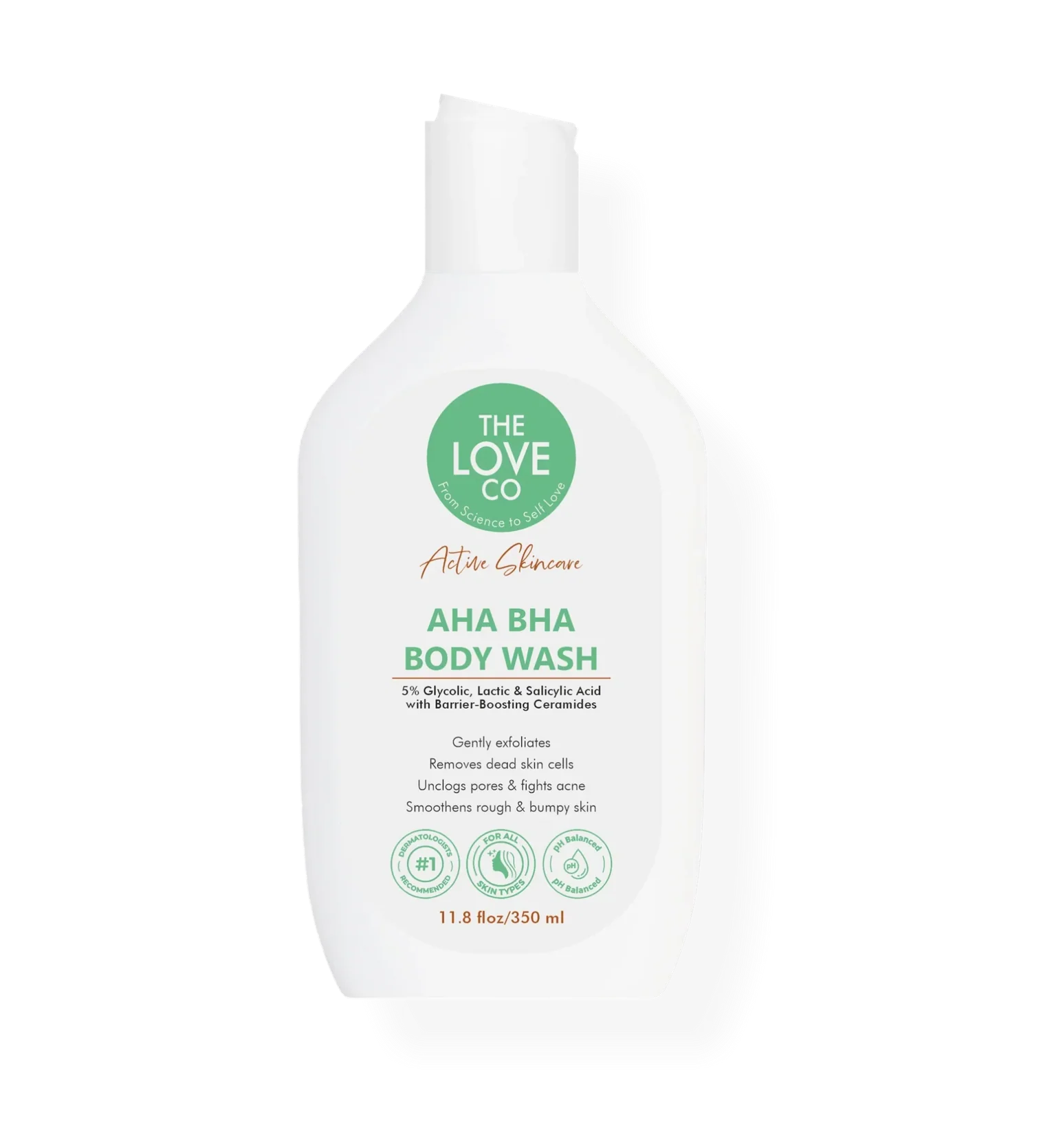
The first step in tackling keratosis pilaris is gentle, daily exfoliation. This helps to slough away the dead skin cells on the surface that contribute to clogged follicles. Using a chemical exfoliant is much preferred over harsh physical scrubs, which can irritate the skin and worsen redness.
The Love Co's AHA-BHA Body Wash is perfect for this daily step. It contains alpha hydroxy acids like glycolic acid and lactic acid, which work to dissolve the "glue" holding dead skin cells together.
Key benefits of daily gentle exfoliation include:
-
Removing the top layer of dead skin cells.
-
Helping to loosen the keratin plugs.
-
Improving the skin's overall texture and feel.
-
Prepping the skin for deeper treatments.
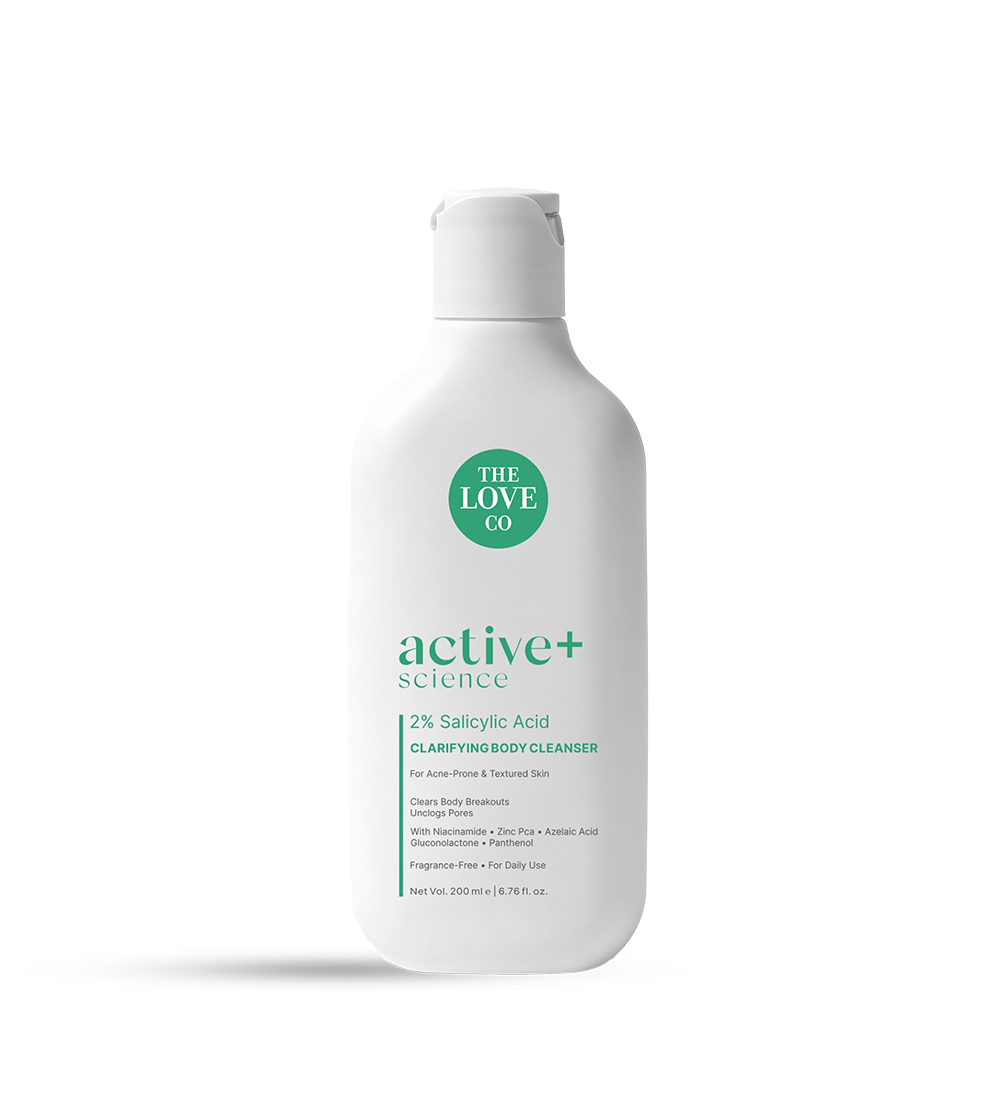
Deep Cleanse Using Salicylic Acid Body Wash for KP on Arms
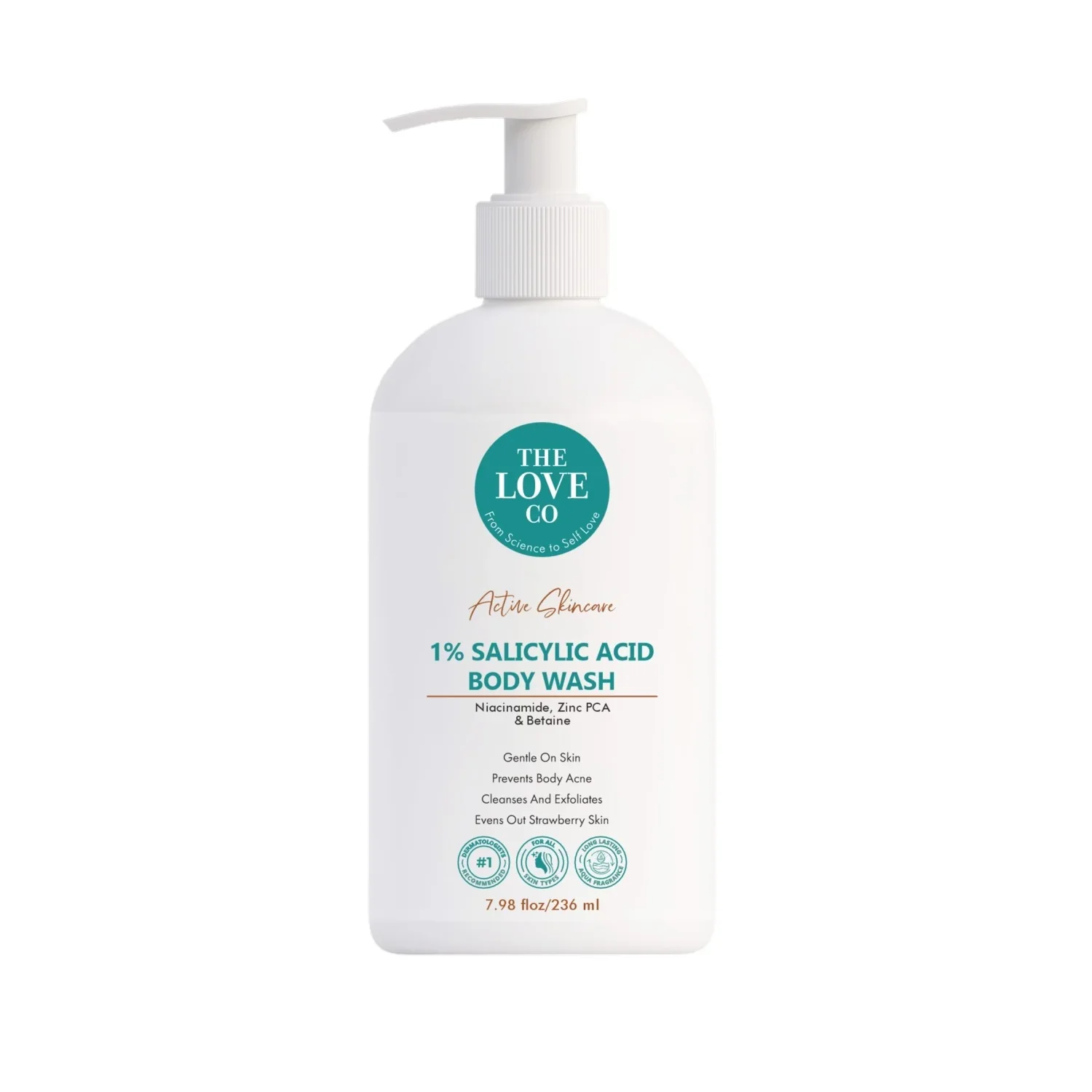
For a more targeted approach, you need an ingredient that can penetrate deeper into the hair follicles. This is where salicylic acid, a beta-hydroxy acid (BHA), comes in. Unlike AHAs, salicylic acid is oil-soluble, which means it can get past the oils in your skin and exfoliate inside the follicle itself. This is crucial for breaking down the keratin plugs causing KP on arms.
Using The Love Co's Salicylic Acid Body Wash two to three times a week provides this necessary deep cleanse. It effectively dissolves the mixture of oil and dead skin that forms the bumps, clearing out the follicles from within.
Regular use helps prevent new plugs from forming, leading to a significant reduction in the appearance of bumps over time. It’s a vital step for clearing stubborn KP and maintaining smooth skin in the long run.
Hydration and Keratin Softening with Urea Lotion
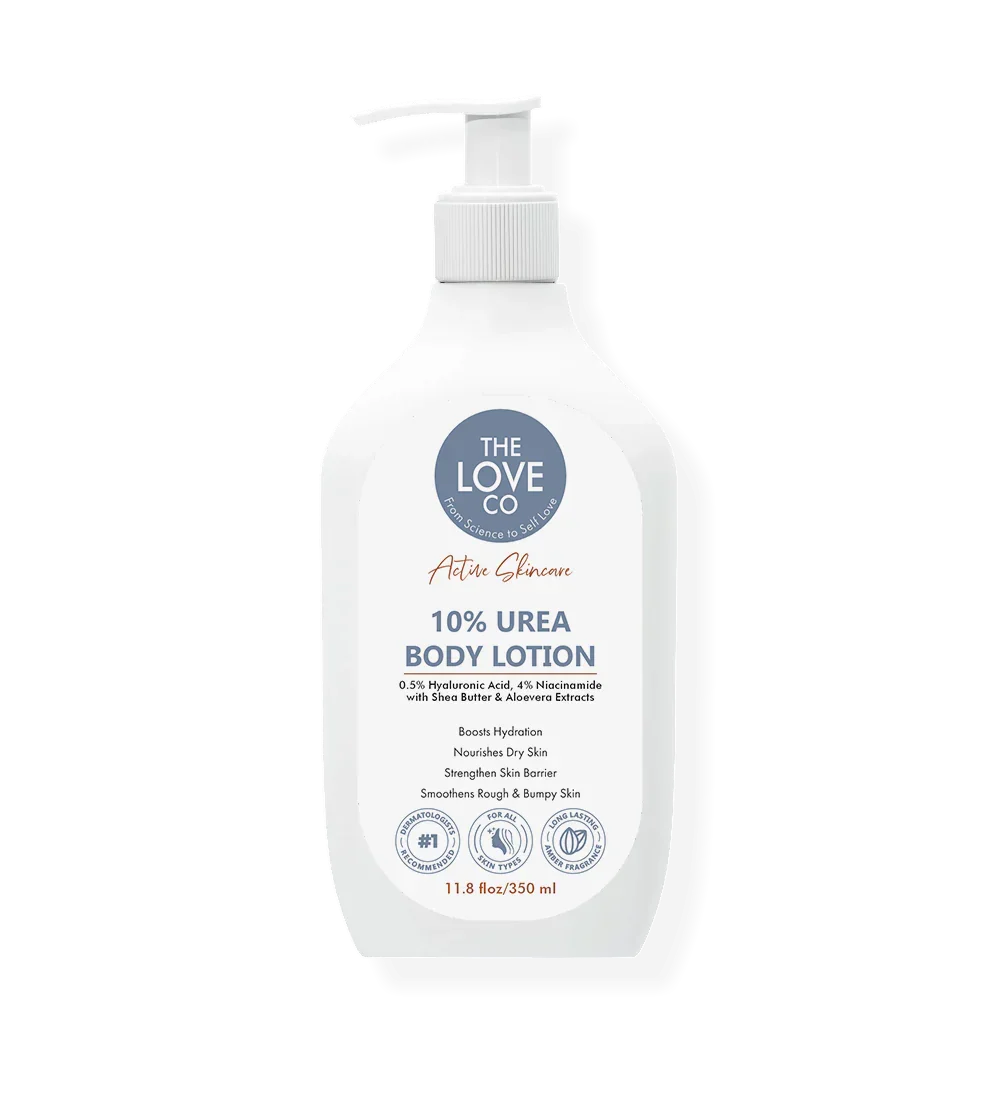
Exfoliation is only half the battle. To truly manage keratosis pilaris, you must follow up with intense hydration. Moisturizing helps to soften the keratin plugs and support a healthy skin barrier, which can reduce dryness and irritation. The single most effective ingredient for this is urea.
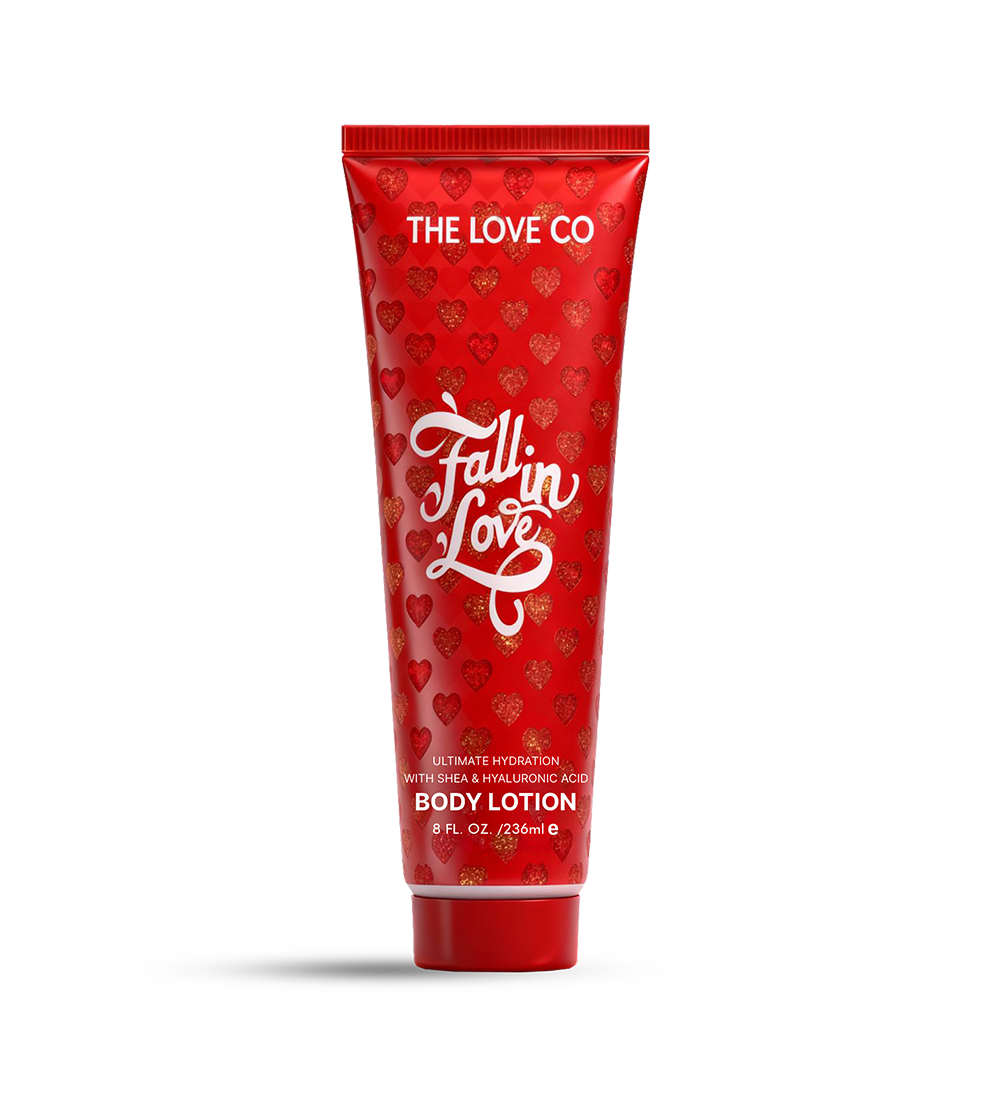
The Love Co's Urea Lotion is a gold-standard product for KP. Urea is a keratolytic agent, meaning it helps to break down the hard protein bonds in the keratin plugs. It is also a powerful humectant, drawing moisture into the skin to provide deep hydration. Applying this lotion twice daily, morning and night, is a critical part of the treatment plan.
-
Soft and hydrated.
-
Free from the rough, dry feeling of KP.
-
Better able to absorb the exfoliating ingredients.
-
Visibly smoother and healthier.
Frequently Asked Questions
Can keratosis pilaris go away without treatment?
While there is no known cure for this common skin condition, it sometimes improves or disappears on its own, especially after the teenage years. However, for many, it persists into adulthood. Consistent use of effective treatment options is the best way to manage symptoms and improve the skin's appearance.
Are Love Co products suitable for sensitive skin?
Yes, Love Co products are formulated to be gentle yet effective. The AHA-BHA and Salicylic Acid body washes provide chemical exfoliation without the harshness of physical scrubs. The Urea Lotion is excellent for hydration. As with any new product for sensitive skin, it's wise to start slowly to ensure compatibility.
What is the expected timeline for seeing results with KP bumps treatment?
With a consistent treatment plan, you can expect to feel softer, smoother skin within the first 1-2 weeks. Visible reduction in the appearance of keratosis pilaris bumps usually occurs within 4-8 weeks. For the best results, continued maintenance is necessary to prevent flare-ups and maintain smooth skin.
Read more

Summer heat, sweat, and humidity increase oil production and clog pores, making body acne worse. This guide explains the science behind summer breakouts and shares an effective routine to keep your...

Clogged pores on the body occur when excess oil, sweat, and dead skin cells block hair follicles, leading to bumps, rough texture, blackheads, and conditions like strawberry legs or back acne. Fact...
Leave a comment
All comments are moderated before being published.
This site is protected by hCaptcha and the hCaptcha Privacy Policy and Terms of Service apply.