





Understanding Clogged Pores on Body: Causes and Solutions
Many people mistake this for body acne, but it's often a different skin condition: clogged pores. Your skin has thousands of pores that release sebum, a natural oil that protects your skin. However, when these sebaceous glands produce too much oil, it can mix with dead skin cells and debris, leading to blockages.
Understanding Clogged Pores on the Body
The process starts when your sebaceous glands go into overdrive, producing excess oil. This oil combines with dead skin cells that haven't shed properly, forming a sticky plug that blocks the pore opening.
How Body Pores Differ from Facial Pores
While the basic mechanism is the same, pores on your body are not identical to those on your face. Body skin is generally thicker and has larger pores, especially on areas like your back and chest. These larger openings can more easily trap oil, sweat, and dead skin, making them more prone to noticeable blockages. The sebaceous glands on your body can also be more active, contributing to issues like body acne.
What Do Clogged Pores Look Like on Back, Arms, and Legs?
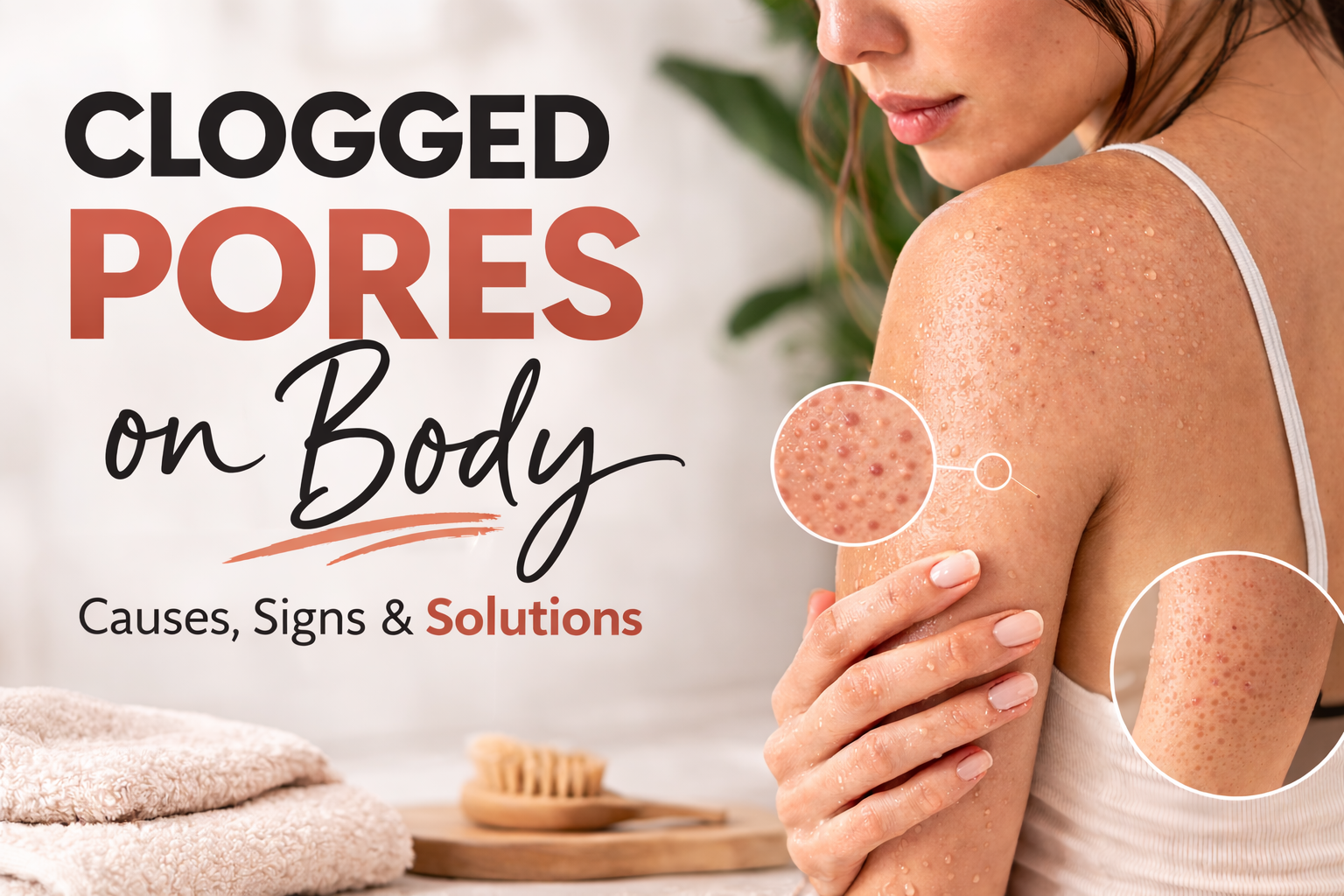
Wondering how do I know if my clogged pores are leading to issues like strawberry legs or back acne? The appearance of clogged pores can vary depending on their location and whether they are open or closed. On your back and chest, they often present as small blackheads or whiteheads, which can become inflamed and turn into back acne.
On your arms and legs, you might notice a different texture. Clogged pores here can look like tiny, rough bumps that feel coarse to the touch, sometimes referred to as "chicken skin." When these pores, which also contain a hair follicle, trap oil and dead skin that darkens upon air exposure, it results in the appearance of strawberry legs. This is characterized by small, dark dots scattered across the skin.
Here’s what to look for:
-
Open comedones (blackheads): Small, dark spots where the pore is open and the contents have oxidized.
-
Closed comedones (whiteheads): Small, flesh-colored or white bumps where the pore is blocked.
-
Rough bumps or a bumpy texture, especially on the upper arms and thighs.
Main Causes of Clogged Pores on Legs, Arms, and Back
The primary reason you experience clogged pores on body is the accumulation of dead skin cells, excess oil, and sweat. When your body produces too much sebum, a condition common in oily skin types, it acts like glue, trapping dead cells inside your pores instead of allowing them to shed naturally.
This buildup is often worsened by external factors. The skin care products you use, friction from clothing, and even your daily habits can contribute to pore blockages. Without a proper cleansing and exfoliation routine, this debris can lead to persistent bumps and an uneven skin texture. Let's examine how these elements specifically contribute to the problem.
Role of Sweat, Oil, and Dead Skin Cells in Pore Blockage
Sweat, oil, and dead skin cells are the three main culprits behind clogged pores. Your body naturally produces sebum to keep your skin moisturized. However, for those with oily skin, sebaceous gland secretion can become excessive. This excess sebum is sticky and easily traps dead skin cells that are constantly shedding from your skin's surface.
When you sweat, the moisture can mix with this oily, sticky layer, creating a perfect storm for pore blockages. Instead of evaporating, the sweat can hold the oil and dead cells against your skin, pushing them deeper into the pores. This is why you might notice more bumps on your back, chest, or arms after a workout or on a hot, humid day.
Impact of Friction, Tight Clothing, and Personal Care Products
Beyond your skin's natural processes, external factors play a significant role. Friction from tight clothing is a major contributor, especially for clogged pores on the legs and back. When fabric constantly rubs against your skin, it can irritate the hair follicles and trap sweat and oil, preventing your pores from breathing. This is why leggings, tight jeans, and synthetic workout gear are common offenders.
Your choice of personal care products can also lead to blockages. Heavy, oily lotions, certain sunscreens, and even remnants of makeup or body makeup can create a film on the skin that clogs pores. It's crucial to look for products labeled "non-comedogenic," which means they are formulated not to block pores.
Consider these common culprits:
-
Tight-fitting clothes made of synthetic fabrics that don't allow skin to breathe.
-
Heavy body creams or oils that are not non-comedogenic.
-
Not showering immediately after sweating, allowing sweat and bacteria to settle into pores.
Common Triggers and Risk Factors for Body Pore Congestion
Certain triggers can make you more susceptible to clogged pores body. Having a naturally oily skin type is a primary risk factor, as your skin produces more sebum to begin with. Hormonal fluctuations, such as those during puberty, menstrual cycles, or periods of stress, can also increase oil production and lead to more frequent breakouts and congested pores.
Additionally, conditions like keratosis pilaris, which causes rough patches and small acne-like bumps, are related to keratin buildup in hair follicles. The skin care products you choose are also critical; using comedogenic (pore-clogging) lotions or oils can directly contribute to the problem. Understanding these triggers is key to managing your skin condition effectively.
Hormonal, Climate, and Lifestyle Influences
Hormonal shifts are a major internal trigger for clogged pores. Androgens, which are male hormones present in both men and women, can ramp up sebum production, leading to oily skin and a higher likelihood of blockages. This is why body acne and clogged pores often flare up during teenage years, pregnancy, or periods of high stress.
Your environment also plays a role. Living in a hot, humid climate can increase sweating and oil production, creating the perfect breeding ground for clogged pores. Your lifestyle habits are equally important.
Simple lifestyle habits can reduce the risk of clogged pores on body. Drinking plenty of water, eating a balanced diet rich in whole grains and fresh fruits, and managing stress through relaxation methods can have a positive effect on your skin's health. These choices support your body's ability to regulate oil production and maintain a clear complexion.
Myths and Misconceptions About Clogged Pores on the Body
There are many myths surrounding body pore congestion that can lead to ineffective or even harmful treatments. One of the most common is that you can "scrub away" clogged pores with a harsh physical exfoliant. While regular exfoliation is important, over-scrubbing can irritate the skin, strip its protective barrier, and actually worsen inflammation.
Another misconception is that only teenagers get clogged pores. In reality, hormonal changes, stress, and lifestyle factors can cause this skin condition at any age. People also sometimes confuse clogged pores with "chicken skin" (keratosis pilaris) or razor bumps, but these are different conditions that require specific approaches. Clogged pores are about oil and dead skin, while keratosis pilaris is a buildup of keratin.
Here are a few myths to be aware of:
-
Myth: Sun exposure clears up clogged pores. (Fact: It dries out skin, causing more oil production.)
-
Myth: You can shrink your pores permanently. (Fact: You can only minimize their appearance.)
-
Myth: Oily skin doesn't need moisturizer. (Fact: Hydration is key to balancing oil production.)
-
Myth: Clogged pores mean your skin is dirty. (Fact: It’s a biological process, not a sign of poor hygiene.)
The Love Co Routine to Clear Clogged Pores on the Body
Are there specific skincare products that help with clogged pores on body? Yes, and creating a targeted routine is the best way to see results. An effective strategy involves using chemical exfoliants like salicylic acid (a BHA) and alpha-hydroxy acids (AHAs) like glycolic acid and lactic acid. These ingredients work by dissolving the bonds that hold dead skin cells together and clearing out oil from within the pores.
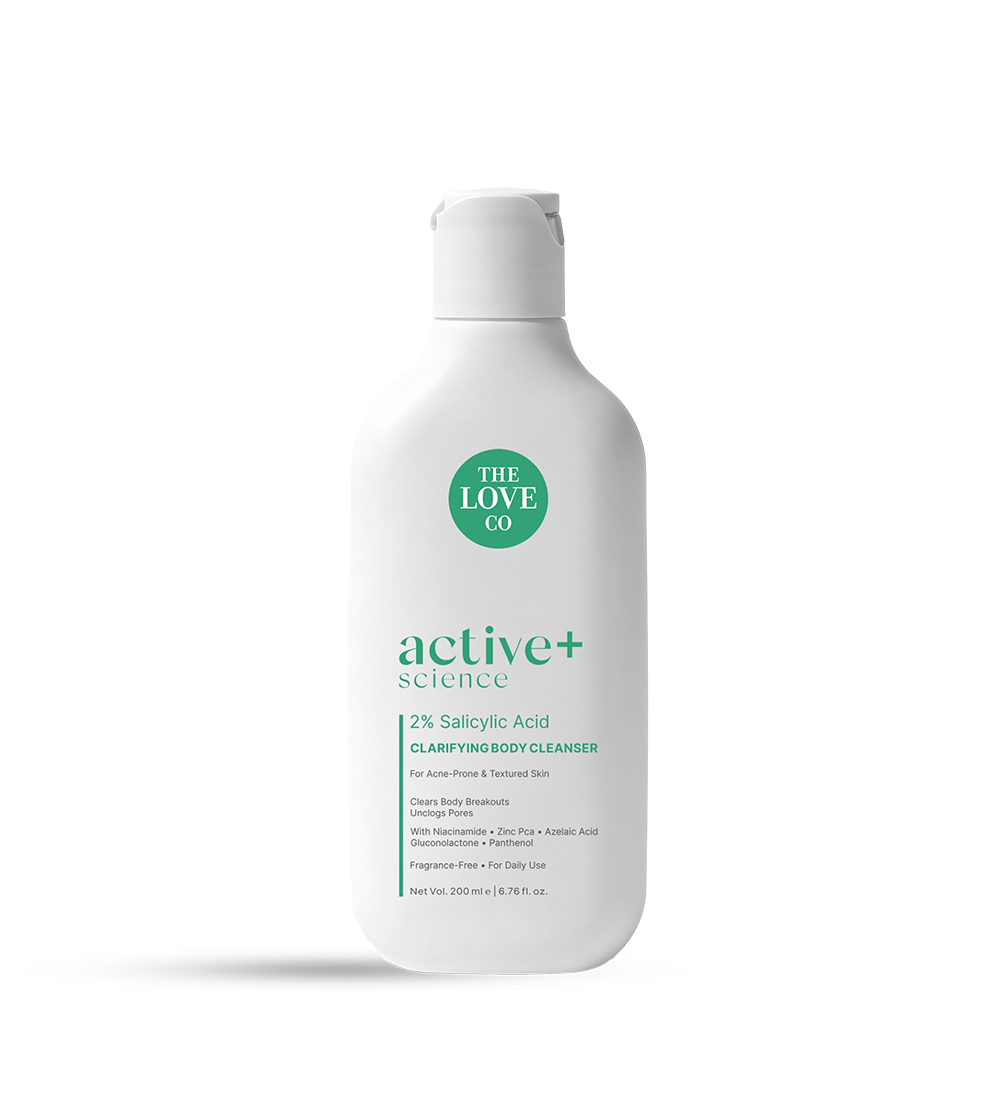
The Love Co offers a simple, powerful routine designed specifically for this purpose. By incorporating our Salicylic Acid Body Wash and AHA-BHA Body Wash into your daily shower, you can tackle existing blockages and prevent new ones from forming.
Using Salicylic Acid and AHA-BHA Body Wash for Visible Results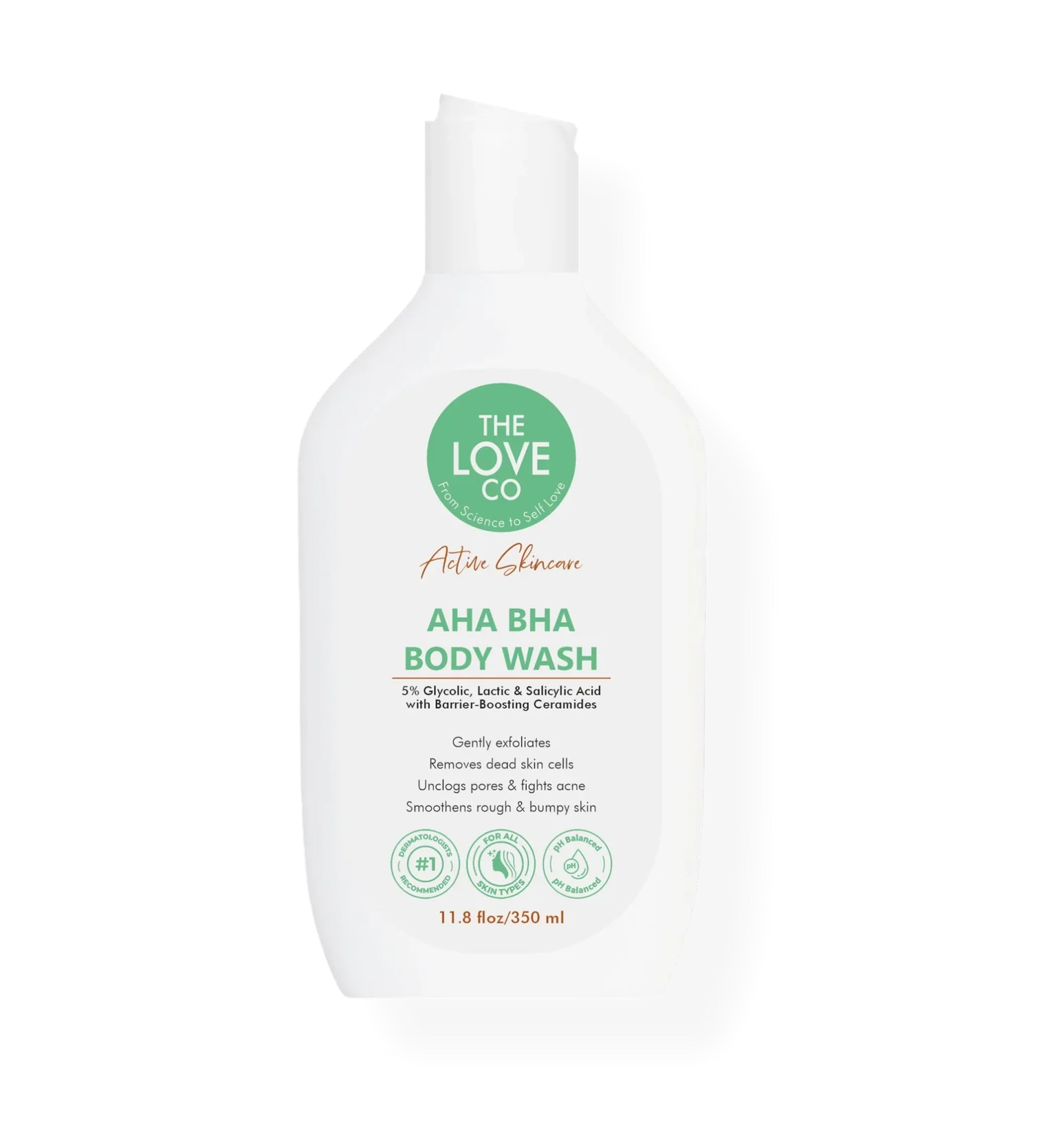
What are the most effective treatments for clogged pores on areas like the back, arms, and legs? A combination of Beta-Hydroxy Acid (BHA) and Alpha-Hydroxy Acids (AHAs) is a gold standard.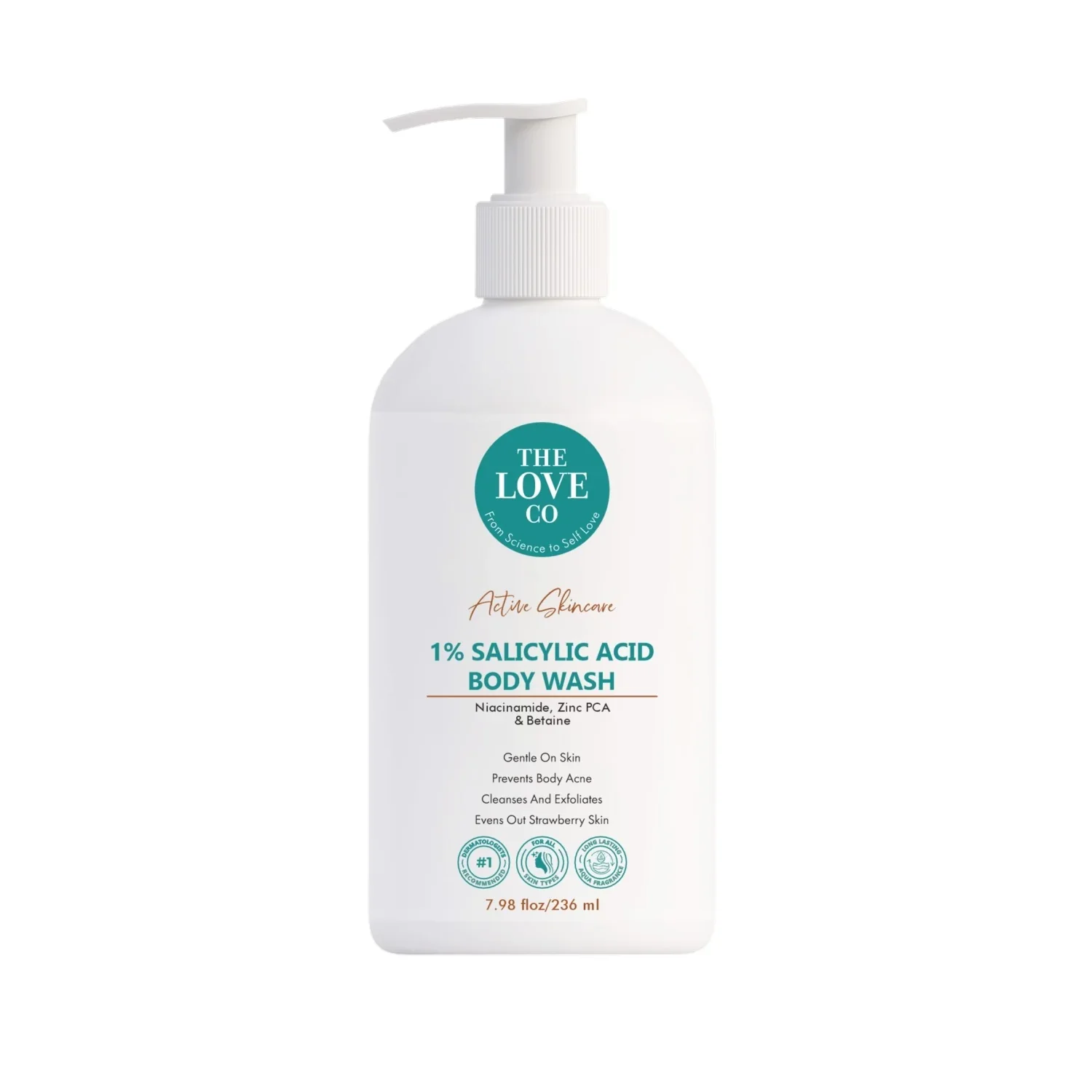
The Love Co Salicylic Acid Body Wash is perfect for daily use. Salicylic acid is oil-soluble, meaning it can penetrate deep into your pores to dissolve excess sebum and dead skin cells from the inside out. This makes it incredibly effective for clearing existing blackheads and whiteheads on the back and chest.
For surface exfoliation and tackling rough texture on arms and legs, The Love Co AHA-BHA Body Wash is your go-to. It combines the deep-cleaning power of BHAs with the surface-refining benefits of AHAs like lactic acid and glycolic acid. This dual-exfoliation helps slough away dead skin cells that can lead to clogged pores and the appearance of strawberry legs, revealing smoother, brighter skin underneath.
Here’s how to incorporate them into your routine for maximum effect:
|
Clogged Pore Location |
Primary Cause |
The Love Co Solution |
Targeted Keyword |
|---|---|---|---|
|
Arms |
Sweat + Deodorant Buildup |
Salicylic Acid Body Wash |
clogged pores on arms |
|
Legs |
Friction + Tight Clothes |
AHA-BHA Body Wash |
clogged pores on legs |
|
Back |
Trapped Clothing Oils |
Dual Routine (Alternating Washes) |
clogged pores on body |
Daily Skincare and Pro Tips for Preventing Clogged Pores
A great daily routine is your best defense against future pore congestion. After cleansing with your chosen body wash, always follow up with a lightweight, non-comedogenic moisturizer. This is a crucial step, even for oily skin, as it helps maintain your skin's protective barrier and prevents it from overproducing oil to compensate for dryness.
Developing healthy lifestyle habits can also significantly reduce the risk of clogged pores. This includes showering as soon as possible after a workout, choosing breathable cotton clothing over tight synthetic fabrics, and maintaining a balanced diet. Small adjustments to your daily habits can make a big difference in the long run.
Here are some pro tips to enhance your routine:
-
Use lukewarm water in the shower, as hot water can strip your skin of its natural oils.
-
Pay extra attention to areas prone to roughness, like elbows and knees.
-
Always patch-test new skincare products to ensure they don't cause irritation.
-
Consider dry brushing before your shower to boost circulation and aid in regular exfoliation.
-
Eat plenty of fresh fruits and vegetables to support overall skin health.
Frequently Asked Questions
Are clogged pores on legs the same as strawberry legs?
While related, they aren't exactly the same. Strawberry legs describe the appearance of dark spots on the skin, which can be caused by clogged pores. These pores, which contain a hair follicle, trap oil, and dead skin that darkens when exposed to air, resembling the seeds on a strawberry.
Is it safe to exfoliate clogged pores on the body every day?
It depends on the method and your skin type. Gentle chemical exfoliants found in daily body washes are generally safe. However, using a harsh physical exfoliant or scrub every day can cause irritation. It's best to start with a few times a week and see how your skin responds to regular exfoliation.
Can I naturally unclog clogged pores on my back or arms at home?
Yes, you can support the process at home. A warm steam bath can help open pores, making it easier for blockages to be cleared. However, for consistent results, pairing home remedies with proven skincare actives is most effective.
Read more

Keratosis pilaris is a common skin condition that causes rough, bumpy skin on the arms, thighs, and other areas. This guide explains its causes, symptoms, and the best treatment routine to achieve ...
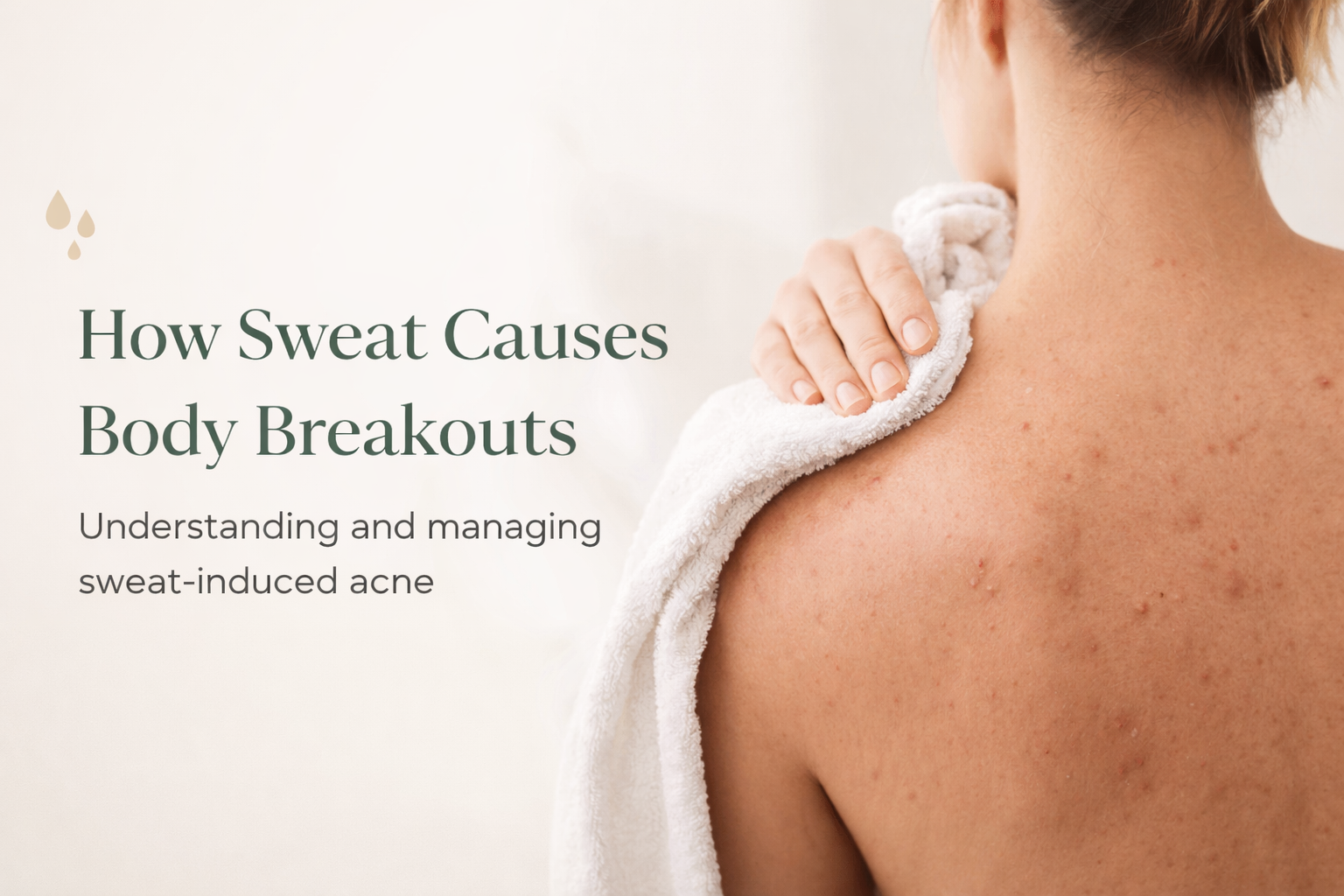
Sweat can trigger body acne when it mixes with oil, bacteria, and dead skin cells, leading to clogged pores and breakouts—especially on the back, chest, and shoulders. Factors like tight clothing, ...
Leave a comment
All comments are moderated before being published.
This site is protected by hCaptcha and the hCaptcha Privacy Policy and Terms of Service apply.