


Understanding Excessive Underarm Sweating (Hyperhidrosis)
Characterized by an overproduction of sweat from the axillary sweat glands, hyperhidrosis presents a significant impact on daily life. This medical condition can be categorized as primary or secondary hyperhidrosis, each having distinct causes. The primary form typically affects localized areas, while secondary hyperhidrosis may arise from underlying health issues. Recognizing these differences is essential for effective treatment. Understanding this, alongside potential lifestyle changes, can help enhance your quality of life significantly, offering a pathway to better management strategies.
Primary vs Secondary Hyperhidrosis Explained
Primary hyperhidrosis is a standalone medical condition characterized by excessive sweating, often localized in areas like the underarms, palms, and feet. This type arises without any identifiable medical cause and can significantly impact quality of life. In contrast, secondary hyperhidrosis results from underlying health issues, such as hormonal imbalances or medication side effects. This form typically affects larger areas of the body and warrants medical evaluation to address the root causes, reflecting the need for a tailored treatment plan.
Common Causes and Risk Factors in India
Several factors contribute to excessive sweating, particularly in humid climates like India. Genetics plays a crucial role, with family history often linked to primary axillary hyperhidrosis. Hormonal fluctuations, frequently experienced during puberty and menopause, can exacerbate sweat production. Lifestyle choices, such as wearing tight clothes and consuming spicy foods, may also heighten symptoms. High-stress levels, prevalent in today's fast-paced society, can trigger nervous system responses, increasing sweat output and potentially impacting daily activities and mental health.
Recognizing the Signs of Severe Underarm Sweating
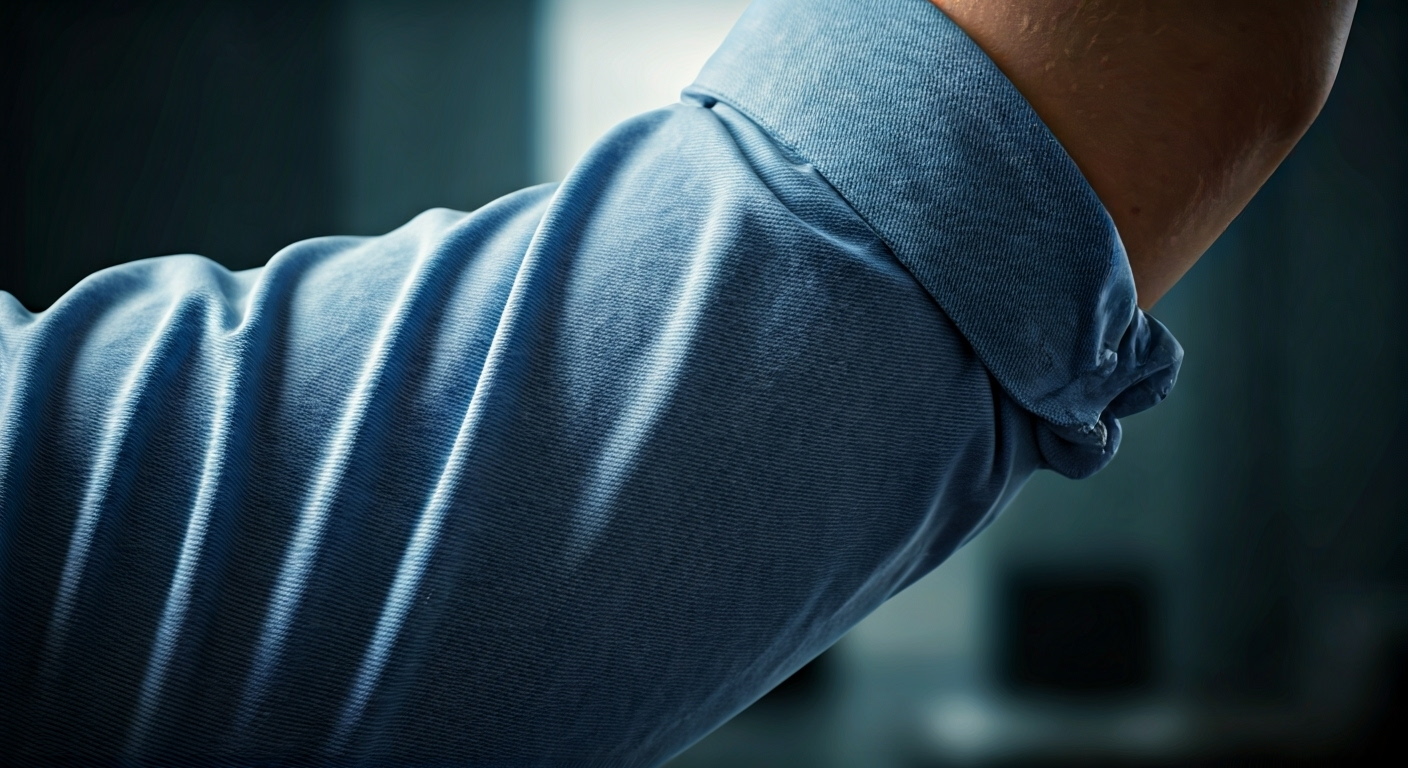 Identifying severe underarm sweating involves recognizing specific symptoms that can disrupt daily activities. Excessive armpit sweating, characterized by noticeable sweat stains and frequent need for clothing changes, may indicate a medical condition like primary axillary hyperhidrosis. Affected individuals may experience skin irritation or body odor, significantly impacting their quality of life. Monitoring the frequency and intensity of symptoms can help assess the situation, ensuring you seek appropriate treatment options to manage the condition effectively.
Symptoms That Require Attention
Severe hyperhidrosis often presents specific symptoms that should not be overlooked. Uncontrollable sweating in areas like your underarms, despite environmental conditions, signals a potential medical condition. Additionally, skin irritation or persistent body odor may arise, impacting your social situations and quality of life. If excessive sweating leads to discomfort, overwhelms your daily activities, or results in noticeable sweat stains, it’s time to consult a healthcare professional for an accurate diagnosis and effective treatment options.
How to Assess the Impact on Daily Life
Evaluating how excessive sweating affects your daily activities requires honest self-reflection. Begin by considering how often excessive underarm sweating disrupts normal routines or social interactions. Does it influence your clothing choices or prompt anxiety in gatherings? Additionally, assess the emotional toll—feelings of embarrassment or low self-esteem can significantly impact mental health. Tracking triggers, such as stress or temperature changes, can help identify patterns that inform a more effective treatment plan and improve overall quality of life.
Medical Diagnosis of Underarm Hyperhidrosis
Diagnosis of underarm hyperhidrosis often begins with a thorough physical exam to assess sweating patterns and identify the type of hyperhidrosis you may have. Physicians might inquire about the areas of your body most affected and how excessive sweating impacts your quality of life. Diagnostic tests, such as a sweat test, could be performed to evaluate sweat gland activity. These evaluations assist in formulating a tailored treatment plan, ensuring the right approach to managing your symptoms effectively.
Physical Examination Procedures
A thorough physical examination is essential for diagnosing underarm hyperhidrosis. This process often begins with a detailed discussion of your medical history and symptoms, allowing the healthcare provider to understand the extent of excessive sweating. Following this, a visual assessment of the affected areas is conducted to identify sweat patterns and related skin irritation. Additional tests, such as the starch-iodine test, may help quantify sweat production, establishing a clear diagnosis and paving the way for effective treatment options.
Diagnostic Tests and What to Expect
Diagnostic tests for underarm hyperhidrosis typically involve a thorough physical examination to evaluate the severity of your condition. A healthcare professional may perform skin assessments and measure sweat production using specialized devices. Expect to undergo tests like the starch-iodine test, where a solution reveals sweat patterns. Additionally, blood tests may be ordered to rule out secondary causes, such as thyroid issues or diabetes. Understanding these procedures can ease anxiety, helping you focus on the right treatment options tailored for your needs.
Lifestyle Changes to Manage Excessive Sweating
Adopting specific lifestyle changes can significantly reduce the impact of excessive sweating. Opting for breathable, loose-fitting clothing helps minimize sweat production and skin irritation. Incorporating regular stress management techniques, such as mindfulness or yoga, proves beneficial in controlling the nervous system's reactions, leading to reduced sweat gland activity. Additionally, staying hydrated supports your body in regulating temperature, ultimately leading to less sweating. Small adjustments to daily habits create a more comfortable experience and improve overall quality of life while managing hyperhidrosis.
Clothing Choices and Daily Habits
Selecting the right clothing is essential for managing excessive sweating effectively. Breathable fabrics such as cotton can help reduce sweat production, allowing your skin to breathe and minimizing skin irritation. Daily habits, like choosing loose-fitting rather than tight clothes, also contribute to comfort and can lessen the visibility of sweat stains. Additionally, staying hydrated and avoiding certain triggers, such as spicy foods or stress, can enhance your quality of life, making it easier to navigate social situations without anxiety.
Stress Management Techniques for Sweat Control
Implementing effective stress management techniques can significantly help control excessive sweating. Mindfulness practices like meditation and deep breathing exercises foster relaxation, reducing the body's fight-or-flight response that triggers sweat production. Regular physical activity not only boosts endorphins, enhancing mood, but also helps regulate sweat glands. Additionally, maintaining a balanced diet and ensuring adequate hydration can improve overall well-being, minimizing the chances of stressful situations leading to acute sweating episodes. Embracing these habits can lead to a notable reduction in excessive underarm sweating.
Over-the-Counter Solutions for Underarm Sweating
A variety of over-the-counter solutions exist to combat excessive sweating effectively. Look for antiperspirants featuring active ingredients like aluminum chloride, which effectively block sweat glands. Additionally, considering fan-fave products that contain botanicals can provide a natural alternative. Proper application is crucial—applying at night allows the formula to work overnight. Experimenting with different brands may be necessary to find the perfect match for your body chemistry, though some users report temporary skin irritation as a potential side effect.
Best Antiperspirant Ingredients and Brands in India
Several key ingredients ensure effective antiperspirants combat excessive sweating. Aluminum chloride, a potent active ingredient, works by blocking sweat glands to reduce perspiration. Look for brands like Dove, Nivea, and Rexona, which are popular in India for their reliable formulations. These products often contain additional components like baking soda and cornstarch, which help absorb moisture. Selecting options designed for sensitive skin can also minimize skin irritation. Ultimately, a well-chosen antiperspirant can significantly improve your quality of life.
Correct Application Tips for Maximum Effectiveness
Achieving maximum effectiveness from antiperspirants requires the right application techniques. Begin with clean, dry skin to enhance absorption and minimize skin irritation. Apply the product in thin, even layers to the underarms, ensuring an adequate amount without excess. Timing is crucial; using it at night allows the active ingredients to work while sweat glands are less active. Additionally, avoid tight clothes immediately after application to reduce the risk of sweat stains. Tailoring these habits can significantly improve the control of excessive sweating.
Natural and At-Home Remedies for Sweaty Armpits
Several effective at-home solutions can combat excessive underarm sweating, utilizing common ingredients. Lemon, with its natural astringent properties, helps tighten sweat glands, while baking soda neutralizes odor and absorbs moisture. Creating a paste or applying these naturally potent remedies a few times a week may enhance comfort. Additionally, witch hazel and vinegar are excellent for regulating skin pH, providing relief from excessive armpit sweating. These methods not only promote dryness but also support skin health, avoiding irritation common with harsher treatments.
Effective Home Ingredients (Lemon, Baking Soda & More)
A variety of effective home ingredients can help manage excessive sweating naturally. Lemon juice serves as astringent, balancing pH levels and neutralizing odors, making it a popular choice for those seeking relief. Baking soda also works wonders, as it absorbs moisture and keeps skin dry, effectively reducing sweat production. Other options include witch hazel, an effective antiperspirant, and apple cider vinegar, which helps regulate body temperature. These simple, natural remedies not only alleviate sweating but also promote skin health.
DIY Methods and How to Use Them Safely
Experimenting with DIY methods for managing excessive sweating can be effective and rewarding. Simple ingredients like baking soda, known for its absorbent properties, can be mixed with water to create a paste, which you can apply to underarms. Lemon juice, a natural astringent, can also help reduce sweat production. Always perform a patch test first to prevent skin irritation. Combine these approaches judiciously and monitor how they impact your skin to ensure a safe, effective treatment plan.
Advanced Medical Treatments for Excessive Underarm Sweating
A variety of medical treatments can effectively address excessive underarm sweating, particularly for those who struggle with primary axillary hyperhidrosis. Botulinum toxin injections, commonly known as Botox, temporarily block nerve signals responsible for sweat production. For more severe cases, procedures like endoscopic thoracic sympathectomy can offer permanent relief by severing nerves linked to sweat glands. Additionally, prescription medications may help manage symptoms. Understanding these treatment options can significantly enhance your quality of life, reducing discomfort in social situations and everyday activities.
Prescription Medications
Various prescription medications can effectively address excessive underarm sweating, specifically for those diagnosed with primary axillary hyperhidrosis. Anticholinergic drugs work by blocking nerve signals that stimulate sweat production from sweat glands, providing notable relief. Botulinum toxin injections, commonly known as Botox, are another viable option, temporarily paralyzing muscles and reducing sweating. While these treatments yield good results, potential side effects such as dry mouth or skin irritation may occur, necessitating medical guidance to determine the most suitable treatment plan.
Procedures: Botox, Laser Therapy, and Surgery Overview
Various advanced treatment options can significantly alleviate excessive underarm sweating. Botox injections, utilizing botulinum toxin, temporarily block the signals from the nervous system that stimulate sweat glands, proving effective for primary axillary hyperhidrosis. Laser therapy targets sweat glands directly, reducing their function and minimizing sweat production. In more severe cases, procedures like endoscopic thoracic sympathectomy involve surgical removal of sweat glands to provide long-term relief. Each option carries potential side effects, making it essential to consult with a healthcare provider to determine the right approach.
Frequently Asked Questions
When should I consult a doctor for excessive underarm sweating?
If excessive underarm sweating disrupts your daily activities, causes emotional distress, or doesn’t improve with over-the-counter treatments, it's time to consult a doctor. Persistent symptoms could indicate hyperhidrosis or underlying health issues that require professional intervention. Seek guidance for effective management options.
Are there any new treatment options available in India?
Yes, India has seen advancements in excessive underarm sweating treatments. Options like microwave therapy and newer prescription medications are gaining popularity. Consulting a dermatologist can provide insights on the latest effective solutions tailored to individual needs for managing hyperhidrosis.
What are the long-term risks of advanced procedures for hyperhidrosis?
Advanced procedures for hyperhidrosis, such as Botox or surgery, can lead to potential long-term risks. These may include muscle weakness, skin changes, or compensatory sweating in other body areas. It’s essential to discuss these risks with a healthcare provider before deciding on treatment options.


