Shop by Concern ›
Shop by Concern ›
Shop: Body ›
Shop: Bath & Shower ›
Shop: Body Care ›
Shop: Hair ›
Shop: Hands ›
Shop: Sunscreen ›
Shop: Men ›
Shop by Concern ›
Shop: Fragrance ›
Fragrance Worlds
Shop: Hair Mists ›
Shop: Body Mists ›
Shop: Eau de Parfum ›
Shop: Candles & Diffusers ›
Shop: Room Sprays ›
Shop: Floral World ›
Shop: Woody & Oriental ›
Shop: Warm & Sweet ›
Shop by Occasion ›
Shop: Gifts ›
Gift Finder
Shop: For Her ›
Shop: For Him ›
Shop: Wedding ›
Shop: Festive / Diwali ›
Shop: Anniversary ›
Shop: Birthday ›
Shop: Corporate Gifting ›
Shop: Gifts Under ₹699 ›
Shop: Gifts Under ₹999 ›
Shop: Mini Discovery ›
Shop: About ›
Our Story
Connect
Body Lotion
Shop allBody Mist
Shop allHands
Shop allBody Acne
Shop allBody Scrub
Shop allMinis & Travel
Shop allShop by concern
All concernsHair Mists
Shop allBody Mist
Shop allEau de Parfum
Shop allCandles & Diffusers
Shop allRoom Sprays
Shop allShop by occasion
All occasionsShop by Concern
trending products
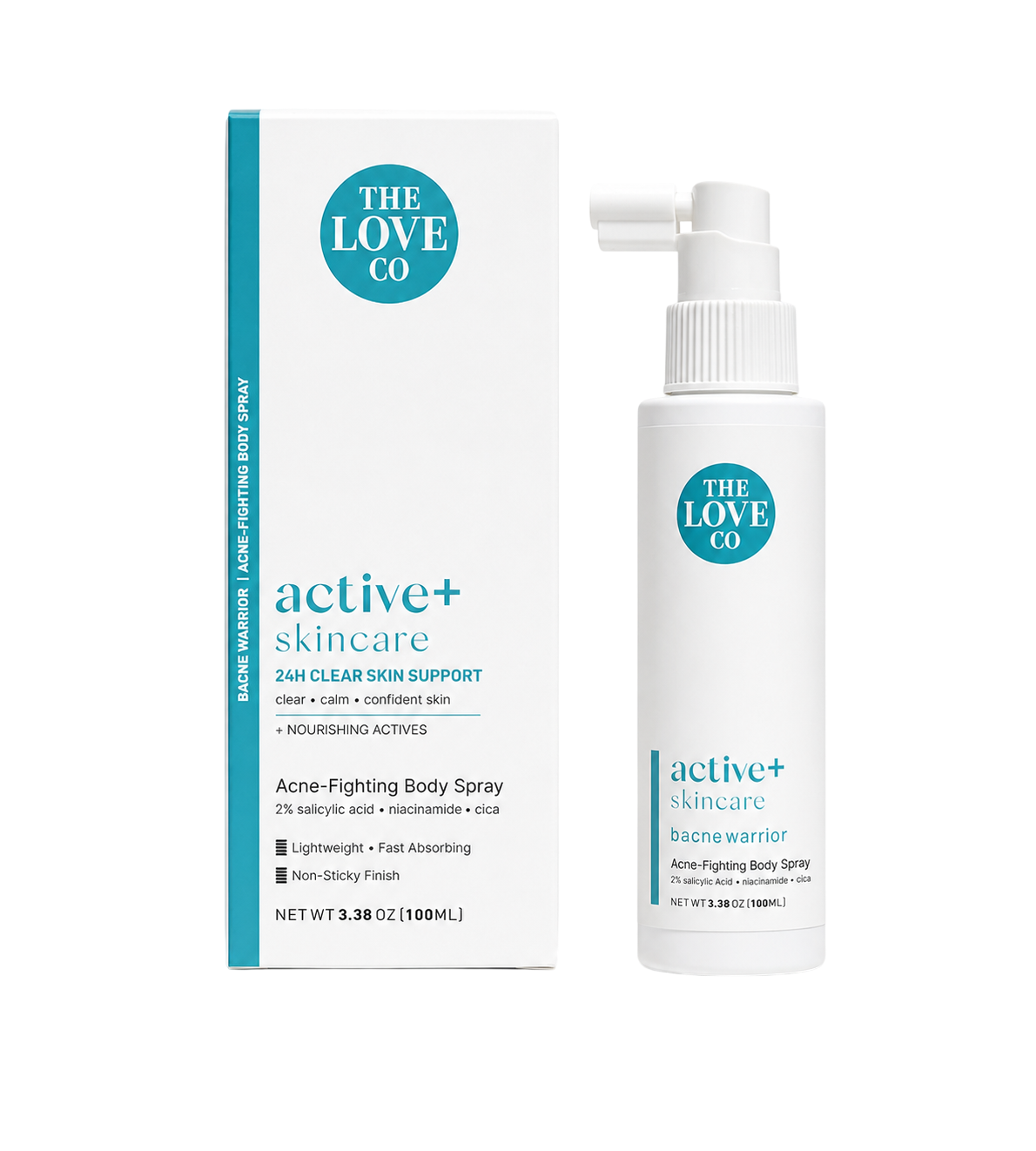
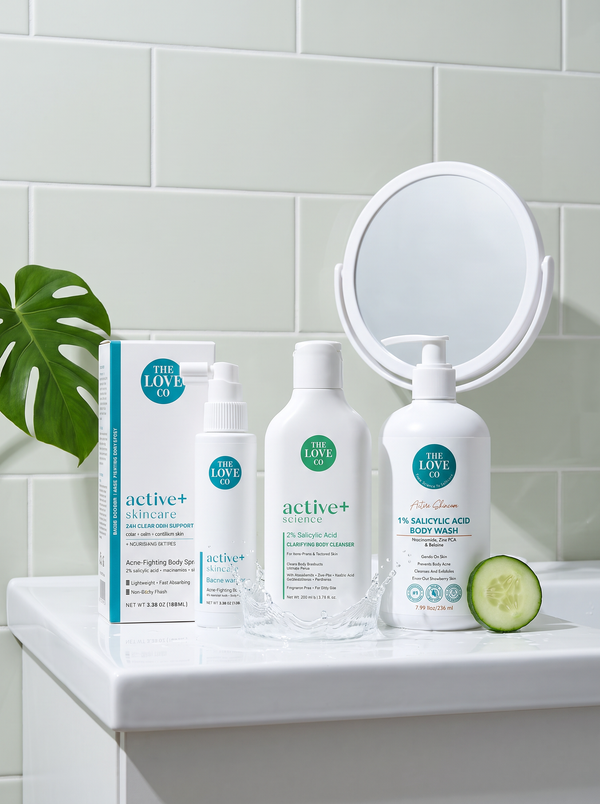
Targets body acne · India-made · body-first
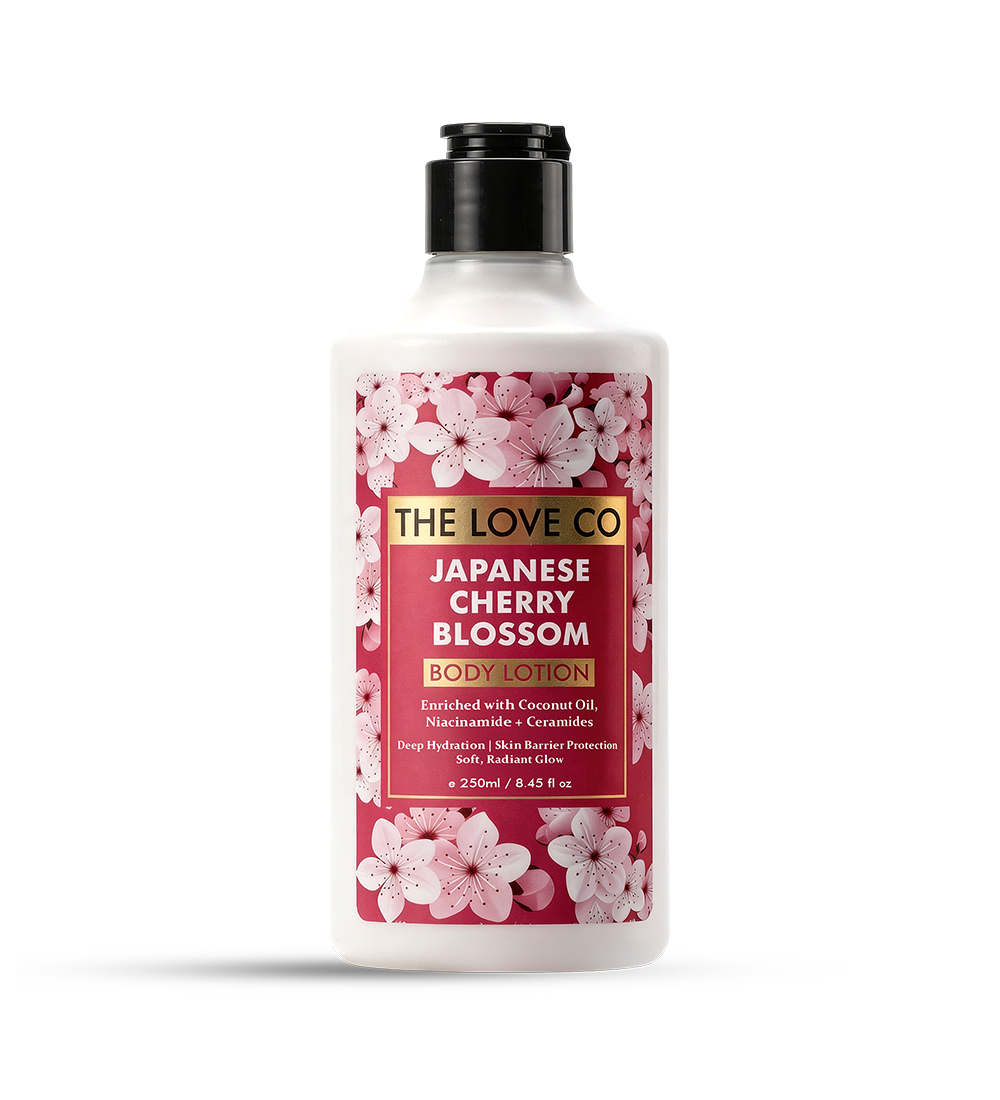
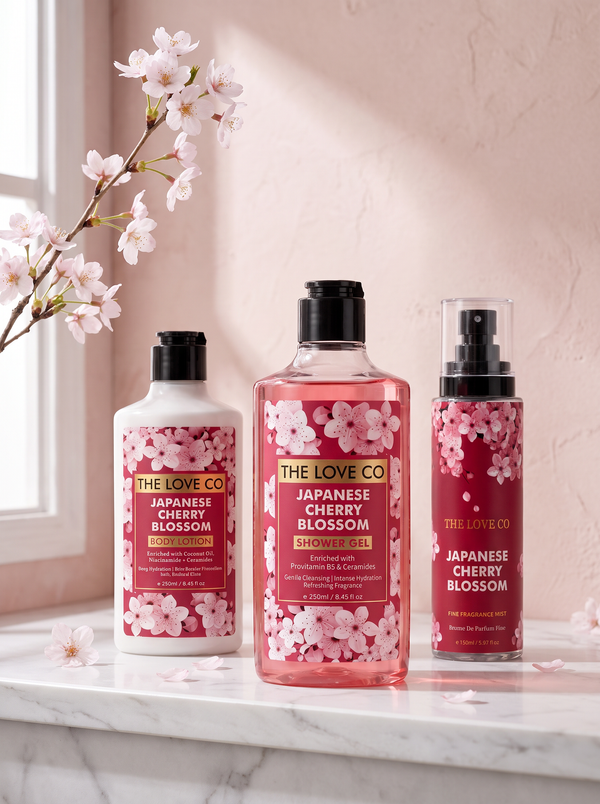
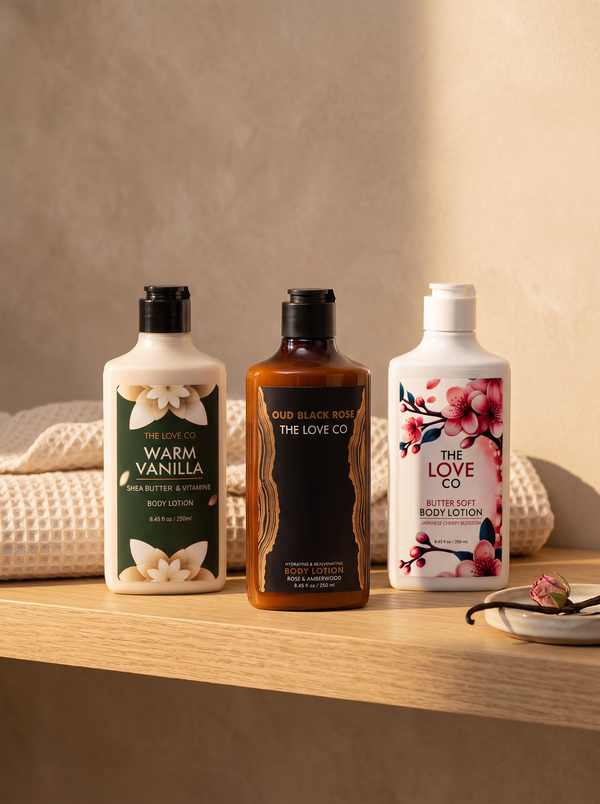
Soft sakura petals · body lotion · softens and layers
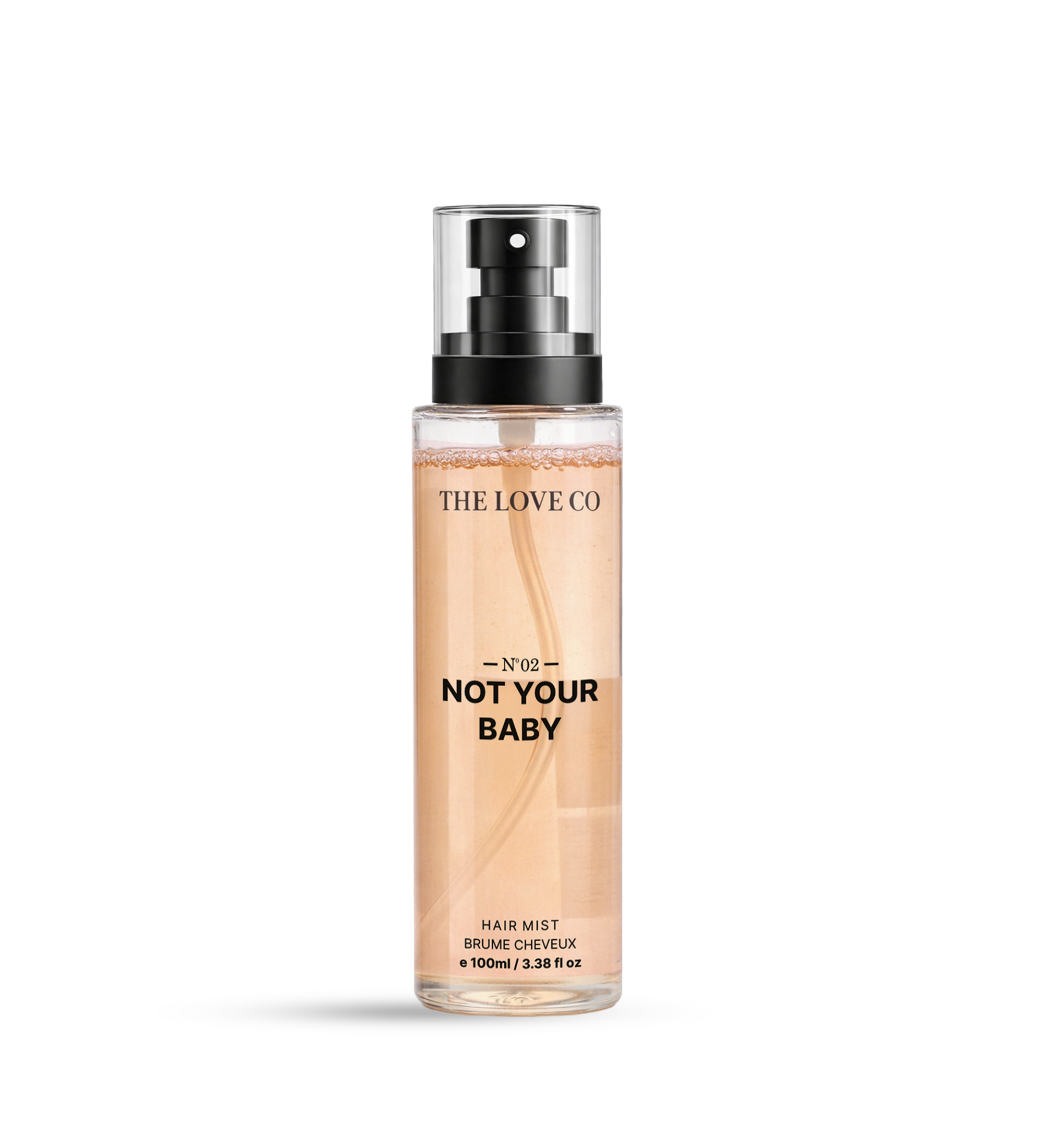
soft hair scent · close-contact trail
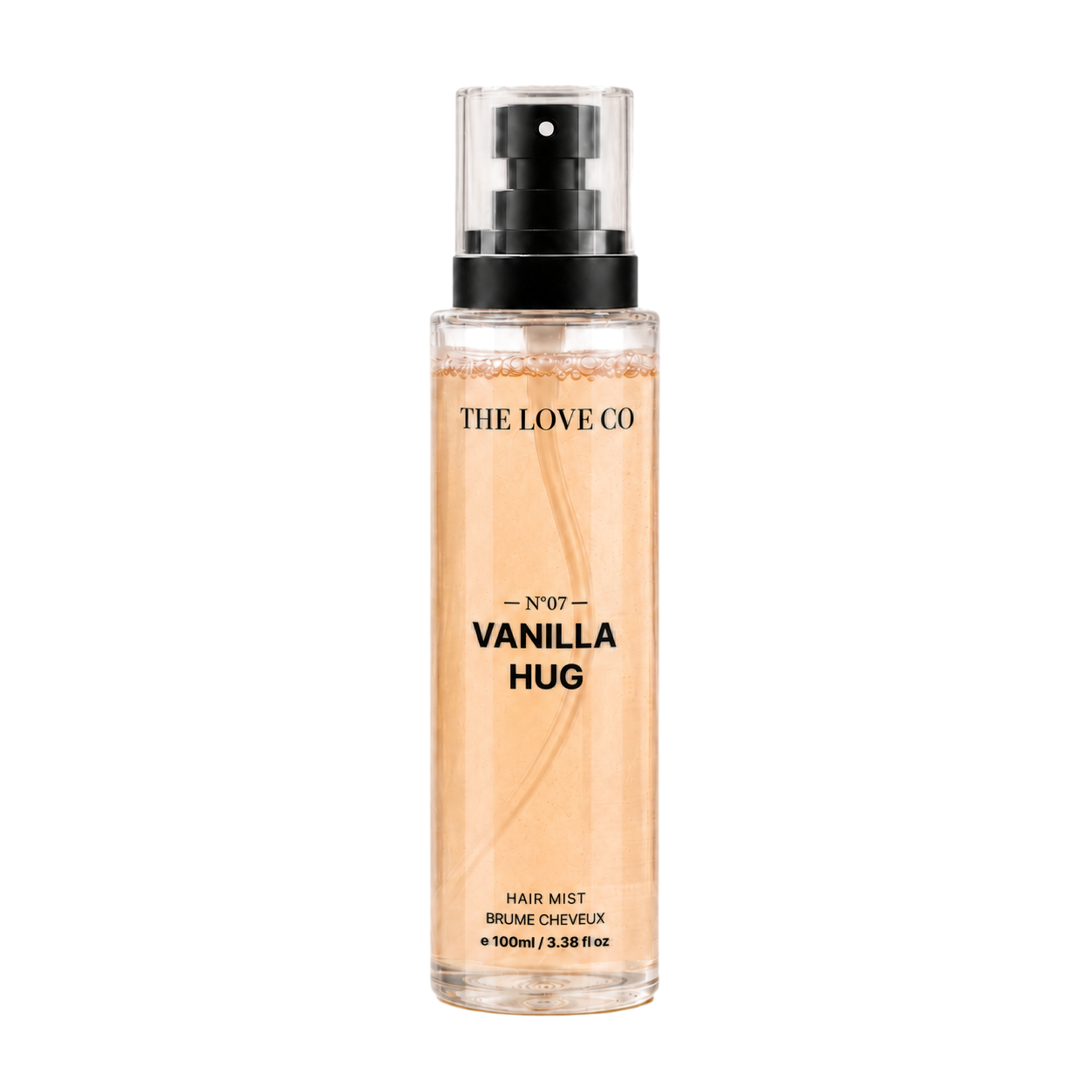
Warm vanilla · soft hair scent · close-contact trail
They Loved It
How our community is wearing The Love Co — fragrance, ritual, and skin that remembers.
 Japanese Cherry Blossom Body Lotion₹699.00
@theloveco.in
@theloveco.in
@theloveco.in
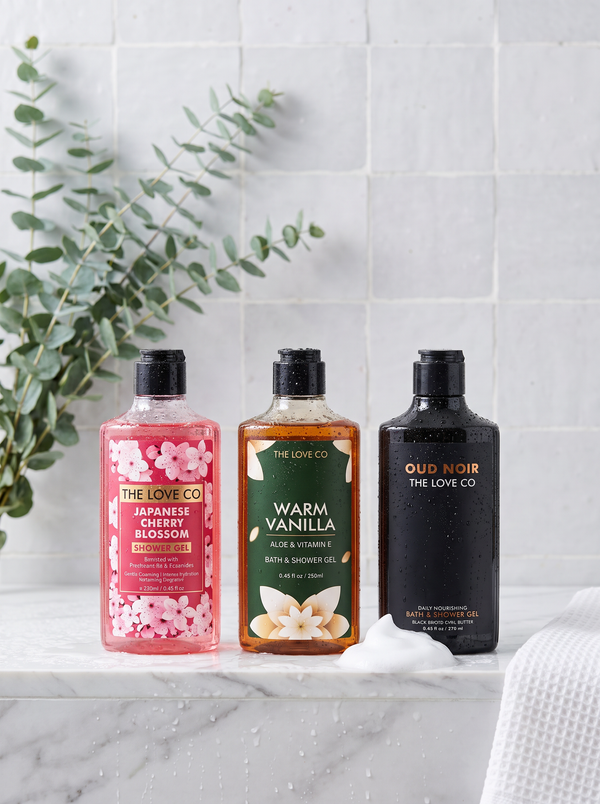
 Warm Vanilla Body Wash₹699.00
@theloveco.in
 Warm Vanilla Body Mist₹799.00
@theloveco.in
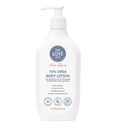 10% Urea Body Lotion₹549.00
@theloveco.in
@theloveco.in
@theloveco.in
Every body mist question, answered in one place — longevity, layering, safety, storage, clothing, pregnancy, men, price and the ones nobody asks...
Read more →India made fragrance for two thousand years before modern perfumery existed. Attar, the deg-bhapka method, Kannauj's rose, Mysore sandalwood, and what survives.
Read more →The exact method behind every longevity figure we publish — conditions, layered vs bare skin, check intervals, who assesses, and the limits...
Read more →