
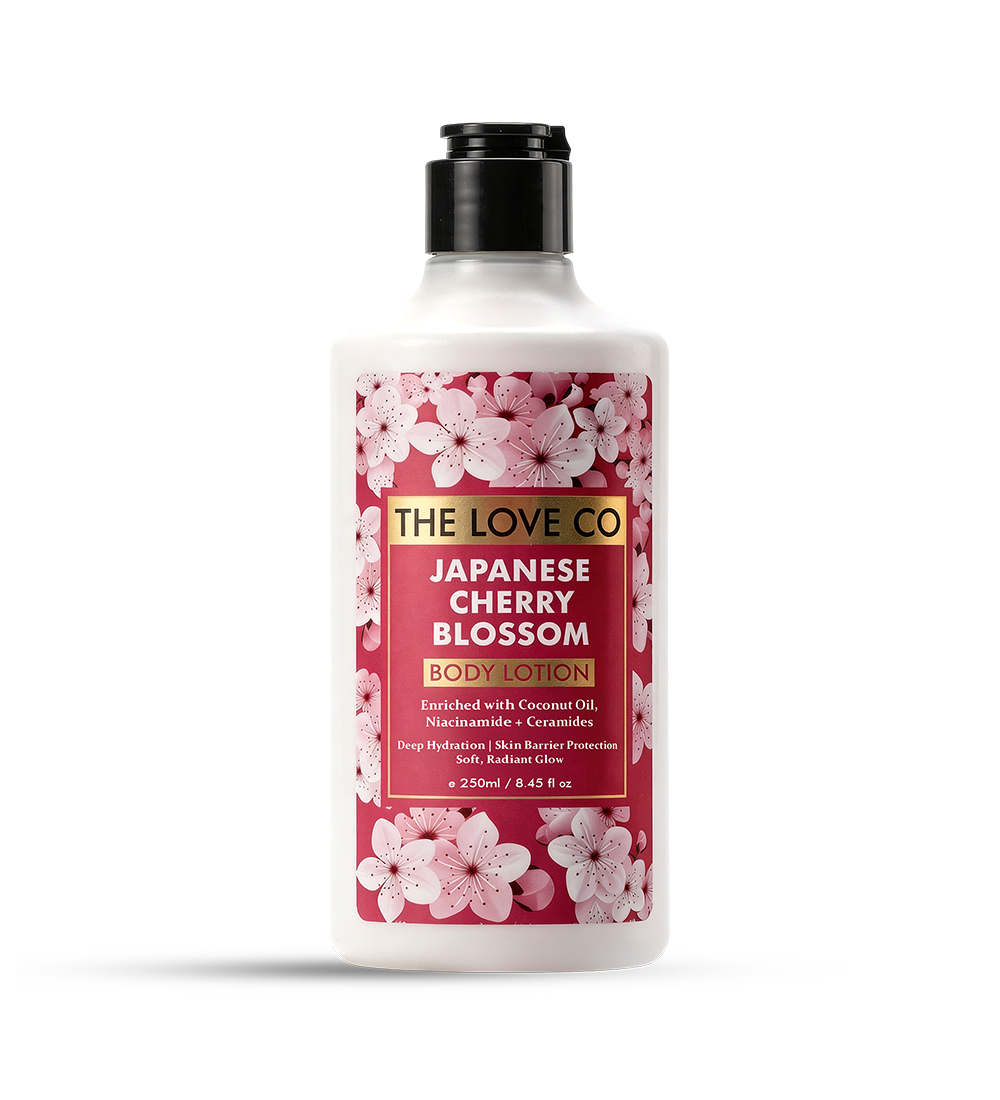
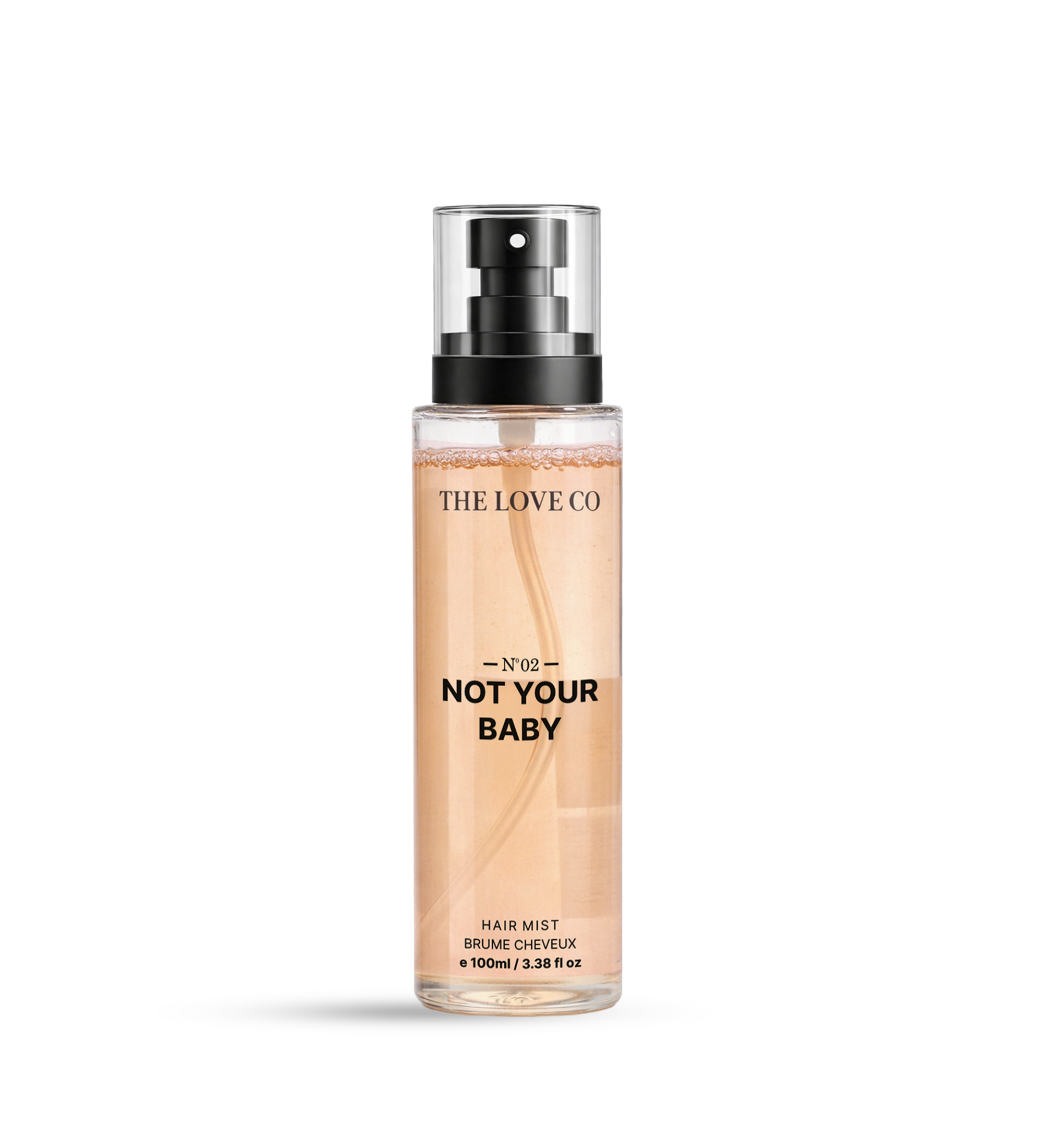
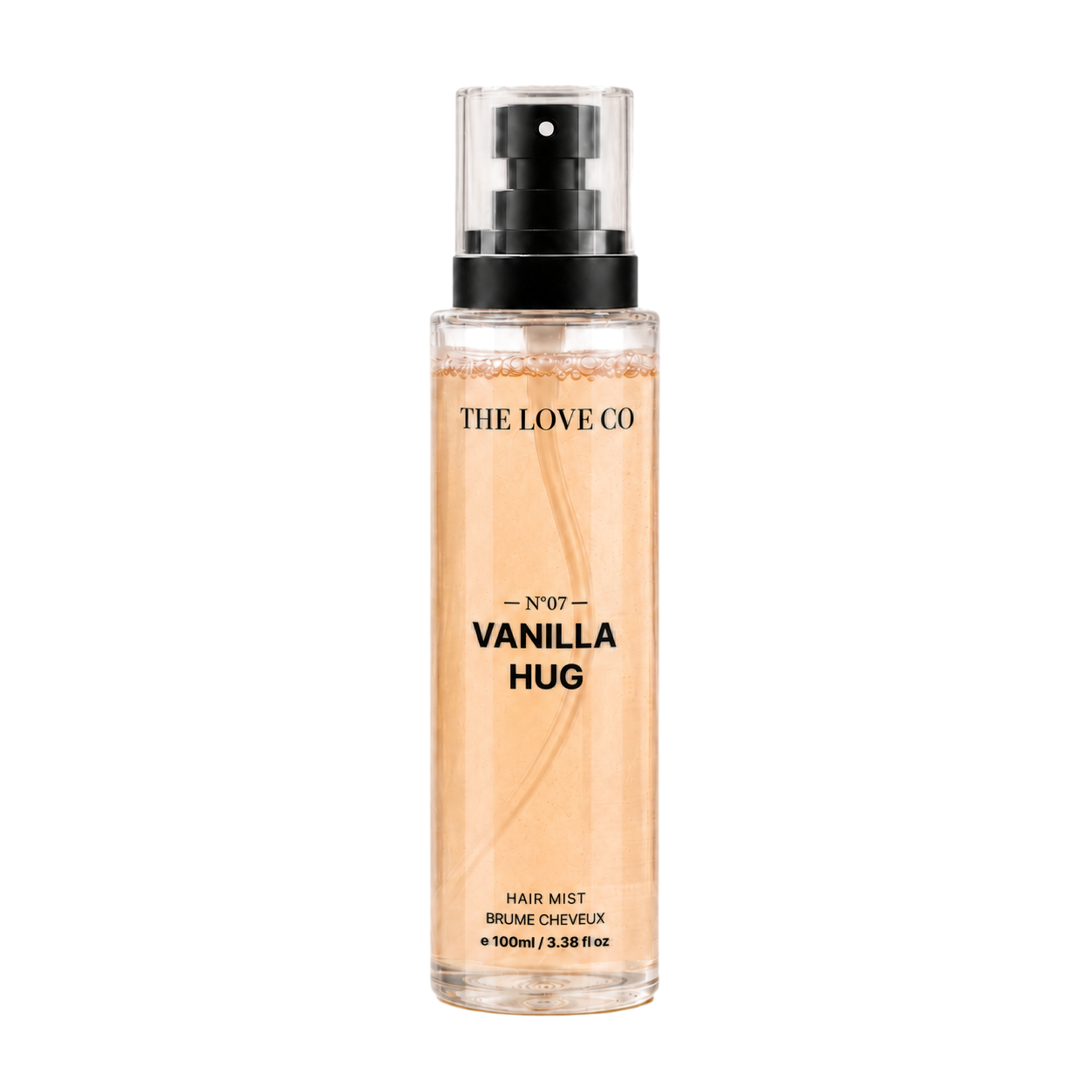
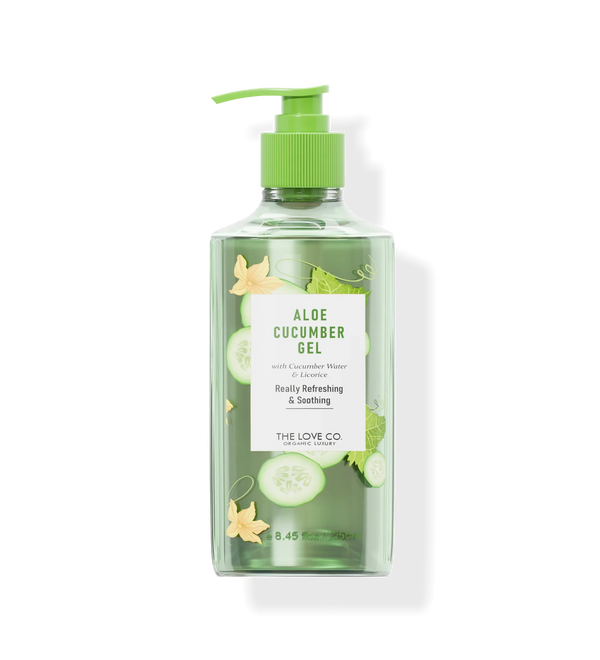
skin that
asks gently.
Sensitive skin isn't weak. It's reactive — and the difference is everything. The right formula doesn't ask the barrier to work harder. It lets it rest.

"Sensitive skin doesn't need less.
It needs better."
Sensitive Skin — questions answered
A product is a better fit for sensitive skin when the ingredient list is clear, fragrance is used thoughtfully, and the formula supports the skin barrier with ingredients such as glycerin, ceramides or niacinamide where relevant. Patch testing is more reliable than relying on broad marketing terms alone.
Often yes — with care. The key variable is fragrance concentration and type. High-concentration synthetic fragrance compounds (particularly certain musks and aldehydes) are the most common sensitisers. Low-concentration, skin-safe fragrance at levels tested by dermatologists is generally well-tolerated even by reactive skin. TLC products are formulated with fragrance at levels that balance the scent experience with minimal sensitisation risk. If you have a diagnosed fragrance allergy, opt for fragrance-free options and patch test any new product on the inner arm for 24 hours before use.
Allergy (contact dermatitis) produces a specific immune response — redness, itching, and sometimes blistering that appears at the site of contact and can spread. It's triggered by a specific ingredient and recurs reliably with each exposure. Sensitivity is a lower-grade, more general reactivity — stinging, tightness, or mild redness that fades quickly and is triggered by multiple factors (temperature, friction, pH, multiple products). If you suspect an allergy, a patch test by a dermatologist identifies the specific allergen. If it's general sensitivity, simplifying your routine and strengthening the barrier with ceramide-rich moisturisers usually helps significantly.
Check the ingredient list on the individual product page before use. If you are under medical guidance, have very sensitive skin, or are avoiding specific ingredients, consult your doctor before adding a new fragranced or active body-care product.
Post-shower itch is almost always transepidermal water loss — the skin drying out faster than it can retain moisture after washing. The solutions are: (1) lower your shower temperature — hot water accelerates moisture evaporation from the skin surface; (2) use a sulphate-free, pH-balanced body wash that doesn't strip the acid mantle; (3) moisturise within 3 minutes of stepping out, on still-damp skin. If itching persists despite these steps, it may indicate an underlying condition like eczema or xerosis and is worth a dermatologist consultation.
Related categories
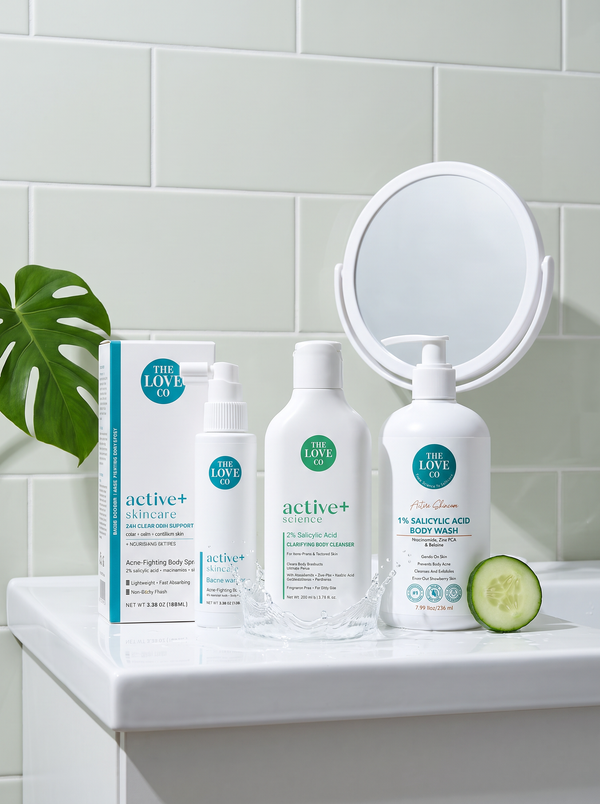
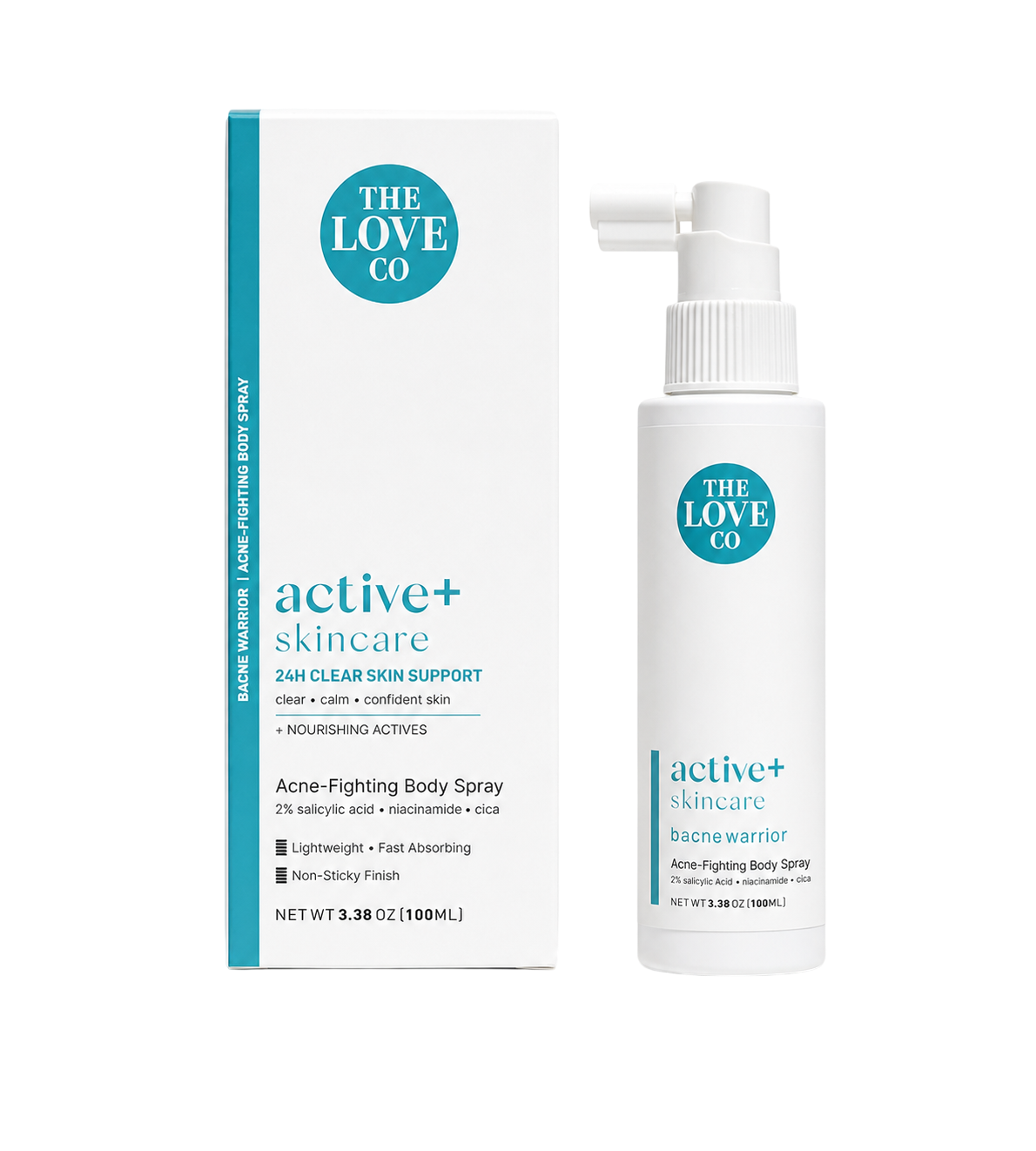
Active body care, built with clarity. Body-first formulas with disclosed key actives, usage guidance, and routines for visible concerns.
ACTIVES THAT ACTUALLY WORK
ACTIVE+ formulas are built around visible body concerns and disclose the key actives on each product page. Check the live product page for exact percentages, directions, and suitability.
HOW TO USE CONSISTENTLY
Check each product page for its ingredient list, usage directions and active ingredients. If your skin is sensitive or you are avoiding specific ingredients, patch test before first use.
HOW TO LAYER ACTIVES
Order: cleanser → toner → serum → moisturizer → SPF. Never layer salicylic with retinol on the same night. Vitamin C in the morning, retinol at night. Read our active layering guide.
RESULTS TIMELINE
Week 1 — skin feels calmer. Week 4 — texture smooths, pores look smaller. Week 8 — pigmentation starts to fade. Week 12 — visible glow. Consistency matters more than the product.
WHEN TO SEE A DERMATOLOGIST
If a concern persists past 8 weeks of consistent use, or you have a recurring condition like cystic acne or melasma, please consult a dermatologist. TLC actives complement medical treatment but don't replace it.