


A gift given for no reason at all is remembered longer than a bonus given on schedule. That's the quiet power of employee gifting done well — and the reason most companies get it slightly wrong. This is a complete guide to building a gifting program people actually feel: the moments that matter, what to put in the box, how to budget it, and how to run it at scale from the first day to the fifth year.
Key takeaways
- Gifting is recognition made physical. It signals the company sees the person, not just the output — and recognition drives how valued people feel more reliably than pay alone.
- Four moments carry the most weight: onboarding, work anniversaries, appreciation/milestones, and festivals. Each does a different emotional job.
- A welcome kit should be small, usable, and personal — a few daily-use items and a handwritten note, not a pile of branded merchandise.
- Run it as a repeatable program — defined moments, budget tiers, universally usable products, and one supplier for bulk, co-branding, and GST billing.
- The unscheduled gift wins. The one nobody expected is worth more than a costlier gift that arrives exactly on cue.
Why does employee gifting matter beyond the gift itself?
Employee gifting matters because it signals that the company sees the person, not just the output. A well-timed, well-chosen gift is one of the few non-transactional moments in a working relationship — it comes with no deadline and no ask attached. That's precisely why it lands. Recognition, not compensation alone, is consistently one of the strongest drivers of how valued and engaged people feel; a gift is recognition made physical, something a person can hold.
The mistake is treating gifting as an HR line item to be processed. A voucher says "we processed you." A considered gift says "we thought about you." Same budget, opposite feeling. The difference isn't money — it's attention.
What are the key moments to gift employees?
The four highest-impact moments are onboarding, work anniversaries, appreciation or performance milestones, and festivals. Each carries a different emotional job:
- Onboarding (day one) — a welcome kit that makes someone feel they made the right choice before they've done any work. Sets the tone for everything after.
- Work anniversaries — proof that time and loyalty are noticed. The gift should scale in warmth with the years, not just repeat.
- Appreciation & milestones — the unscheduled gift after a hard quarter or a shipped project. The most powerful category, because it's a surprise.
- Festivals (Diwali, New Year) — the shared, seasonal gesture across the whole team.
Beyond these, smaller moments compound: return-from-parental-leave, a personal milestone like a wedding or a new home, or a simple "welcome back" after a hard stretch. Programs that win treat these as opportunities, not exceptions.
What should go in an employee welcome kit?
A great welcome kit is small, genuinely usable, and personal — not a pile of branded merchandise. The goal is to make a new hire feel chosen, not inventoried. A strong kit balances a few daily-use items over many disposable ones:
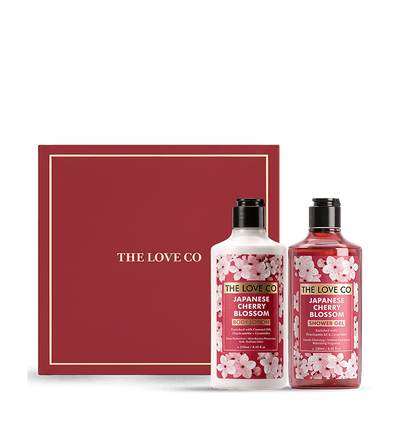
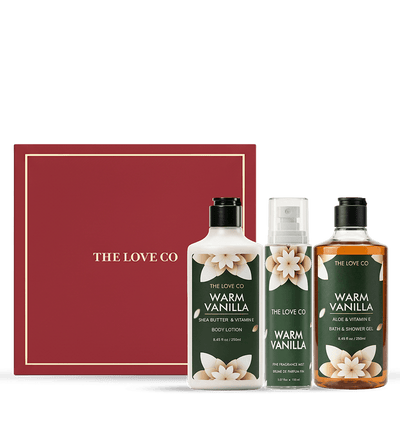
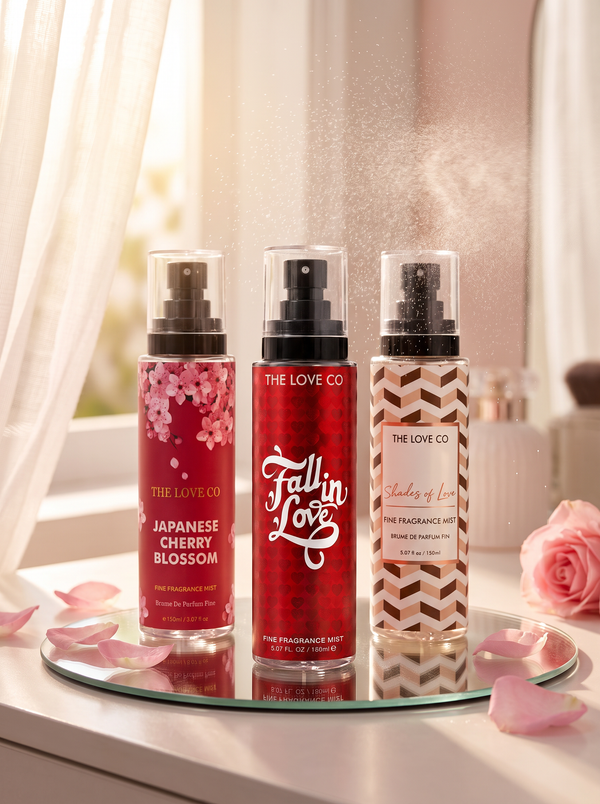
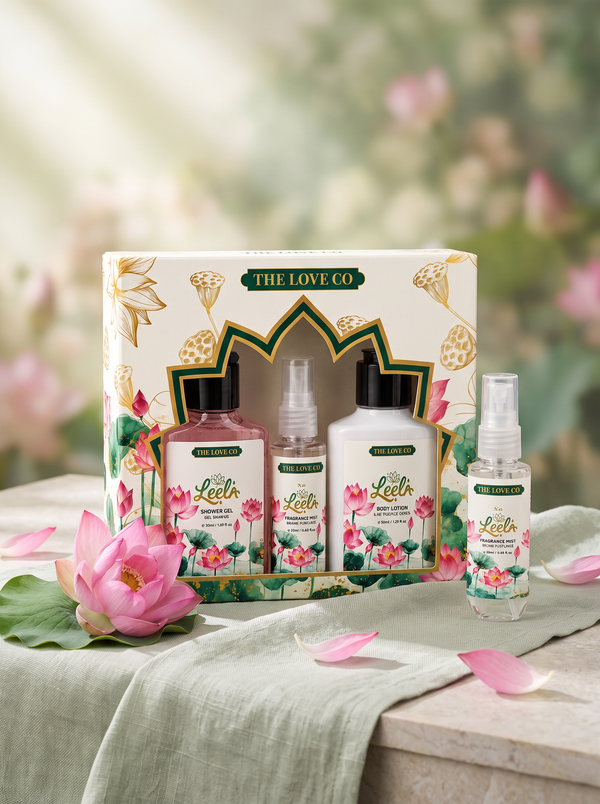
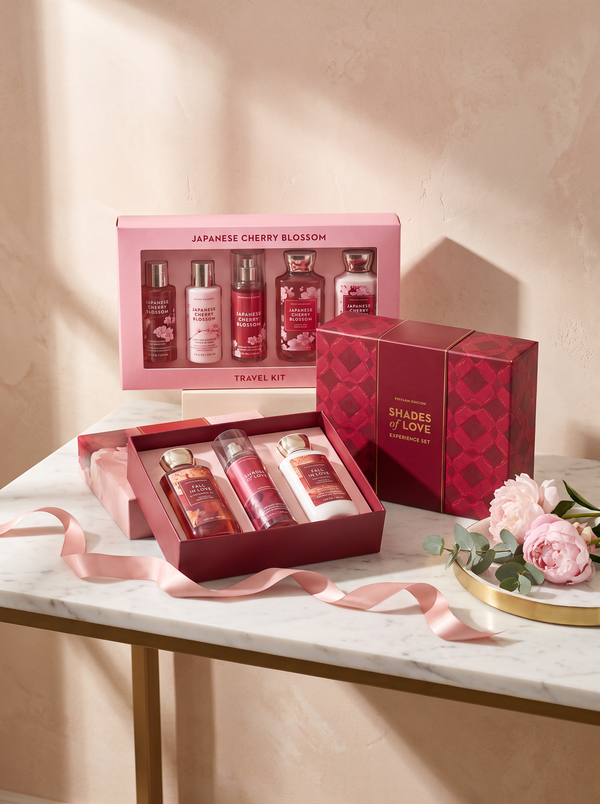
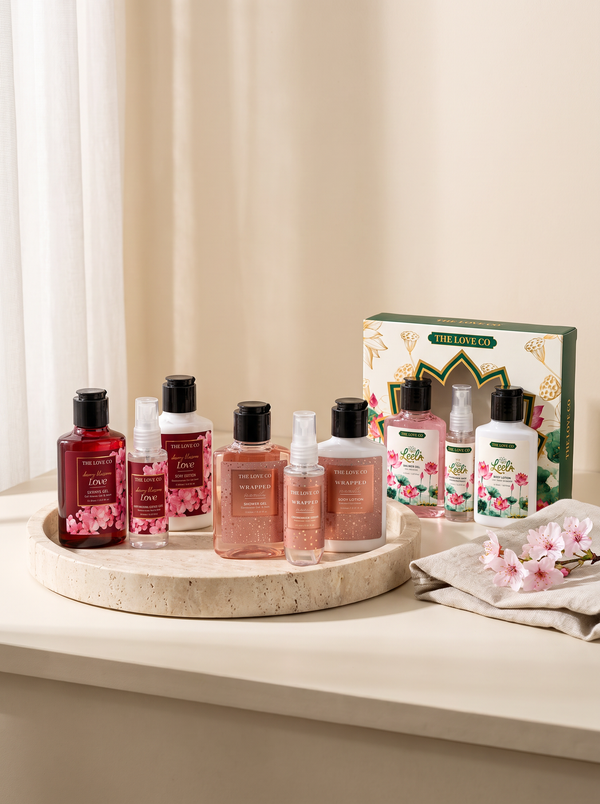
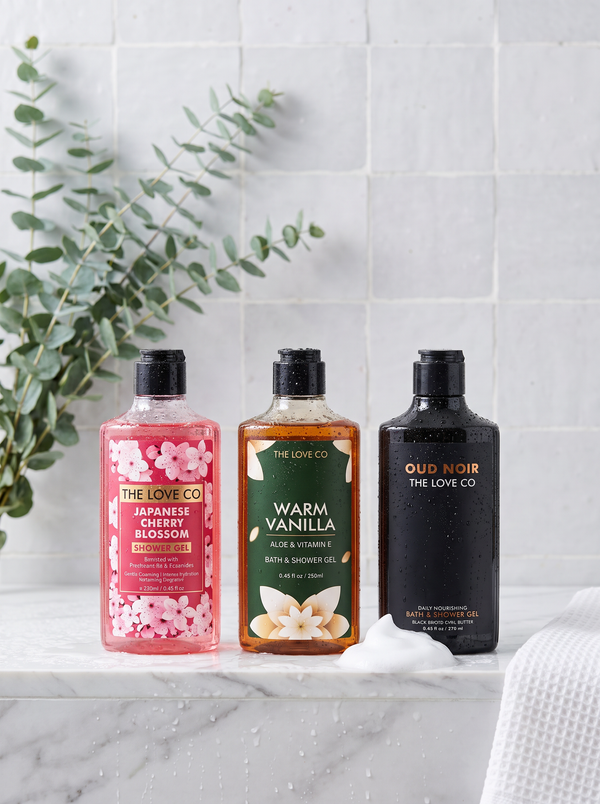
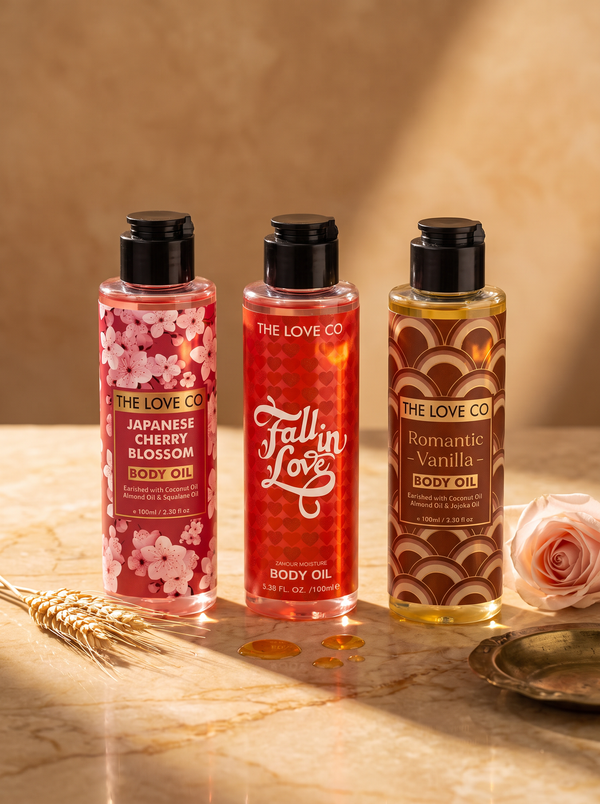
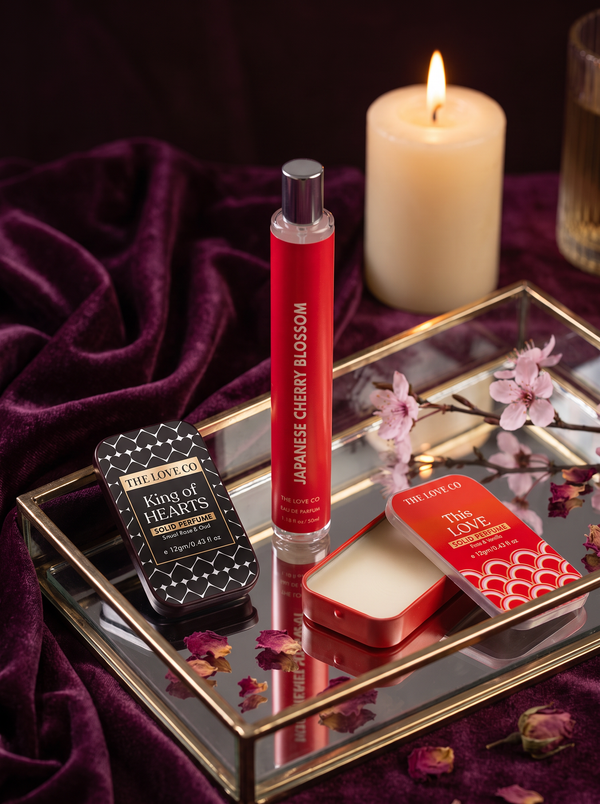
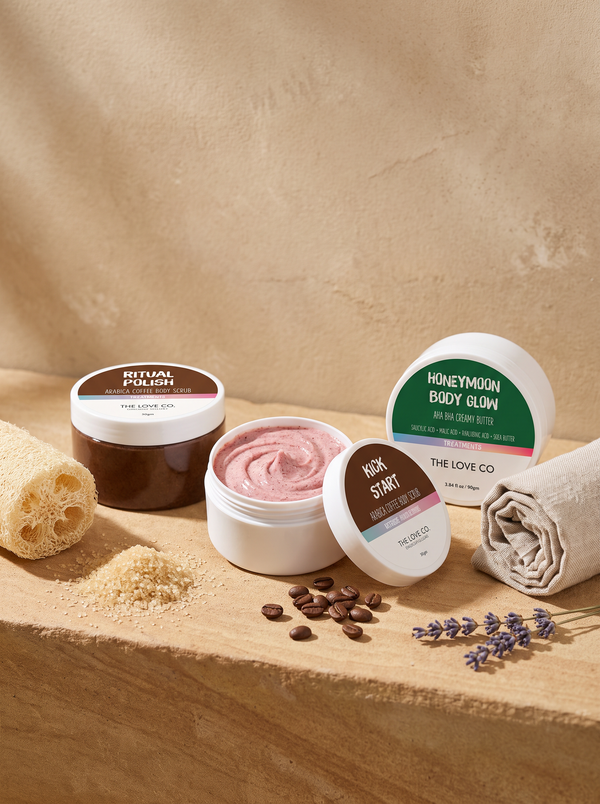
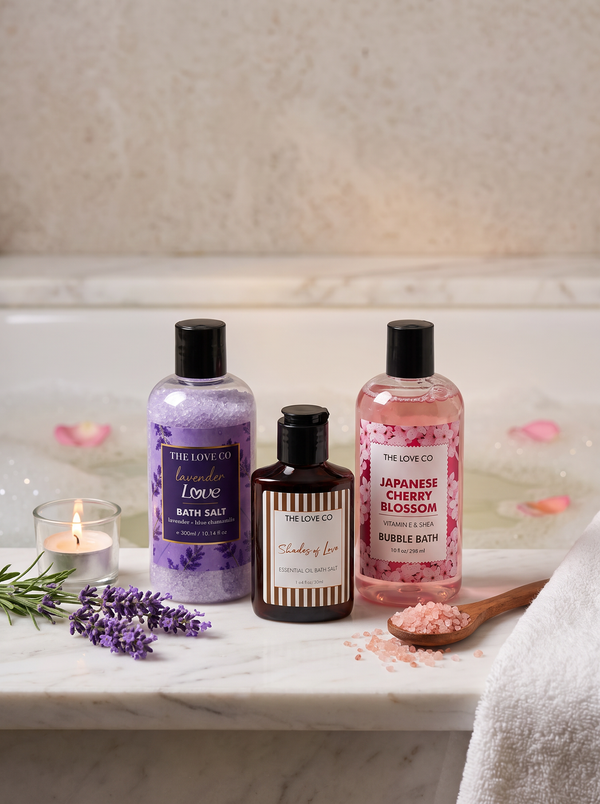
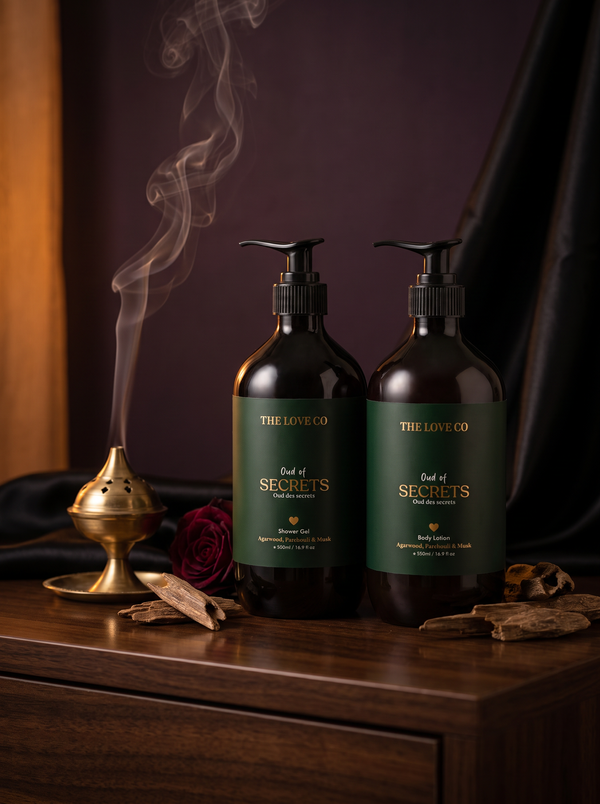
- One self-care or comfort item — a fragrance-led body care set, a candle, or a ritual box. Signals "we care how your day feels," not just how you perform.
- One useful daily object — a quality bottle, notebook, or bag they'll actually carry.
- A handwritten or printed note — ideally from the founder or team lead. This single detail outperforms almost everything else in the box.
- Restrained branding — a logo on the sleeve, not on every item.
A welcome kit is the first physical thing a new employee touches from the company. It should feel like the best version of the place they just joined — remote hires especially, since for them the kit is the office on day one.
What are good work anniversary gifts for employees?
The best work anniversary gifts feel personal and premium rather than generic and tiered by a rigid points chart. A milestone gift is really a thank-you for time — so it should carry warmth, not just monetary value. Self-care and fragrance gifting works well here because it's used daily and reads as "we want you to look after yourself," which is exactly the message a loyal employee wants to hear.
For multi-year milestones, let the gift grow in considered-ness: a single ritual set at year one, a fuller curated hamper at year three or five. The signal is that the relationship deepens, and the gift reflects it. A short personal note referencing what the person actually contributed turns a standard anniversary gift into one they keep.
How much should you budget for employee gifts?
Budget per moment, not per person per year — and let the moment set the spend. Onboarding and major anniversaries justify more; a spontaneous appreciation gift can be modest yet land harder precisely because it's unexpected. A simple framework:
| Moment | Emotional job | Typical format |
|---|---|---|
| Onboarding | Reassure, welcome | Welcome kit: 2–3 curated items + note |
| Appreciation | Surprise, thank | Single hero product or small ritual set |
| 1-year anniversary | Notice, reward | Ritual set, co-branded box |
| 3–5 year milestone | Honour loyalty | Premium curated hamper + personal note |
| Festival | Shared celebration | Team-wide hamper, standardised |
Consistency matters more than size. A program where everyone at the same milestone gets the same considered gift feels fairer — and is easier to run — than one-off splurges that create quiet comparison.
Why fragrance-led body care works so well for employee gifting
It's one of the few gift categories that is genuinely unisex, used daily, and feels equally premium for every role. That's what makes it easy to standardise across a diverse workforce without the gift feeling generic:
- Universal. Clean, universal scent families suit every age and gender across your team.
- Daily. Body wash, butter, and mist are used every morning — so the gift stays present for weeks.
- Personal. Scent is tied to memory and self-care, which is exactly the "look after yourself" message a good employer wants to send.
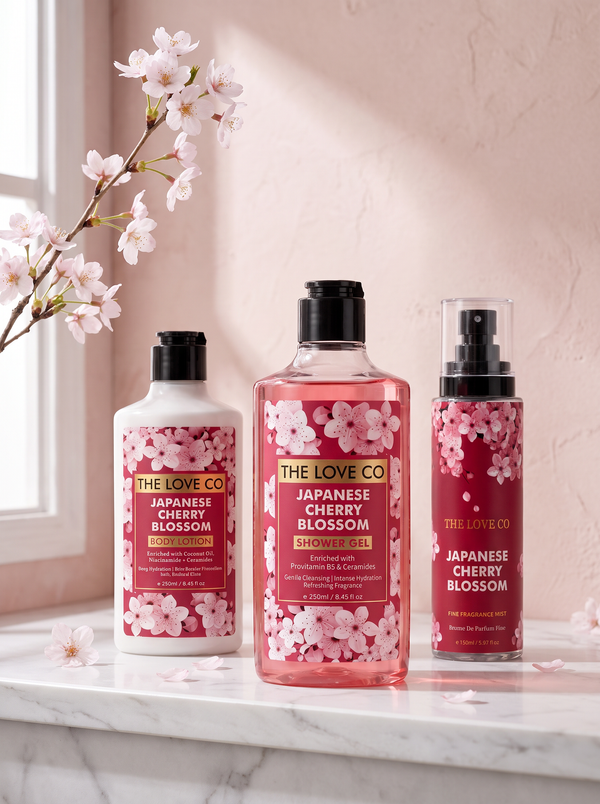
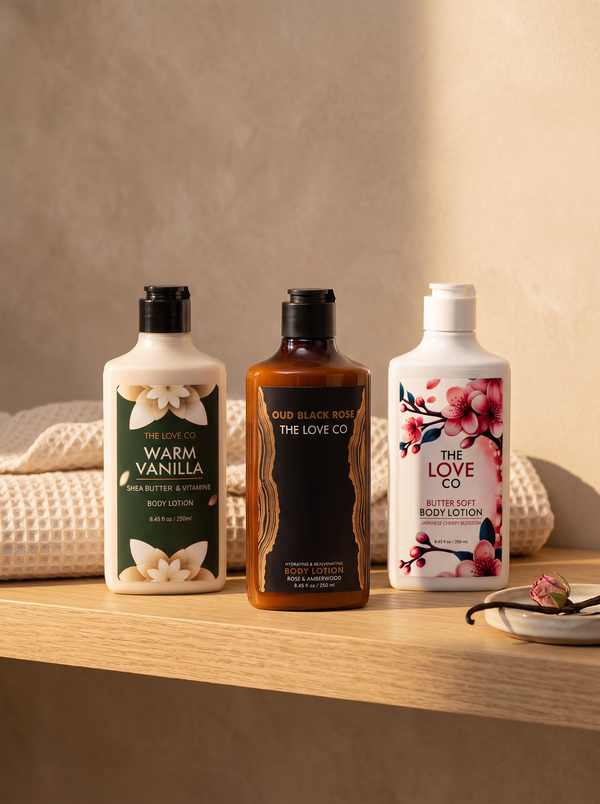
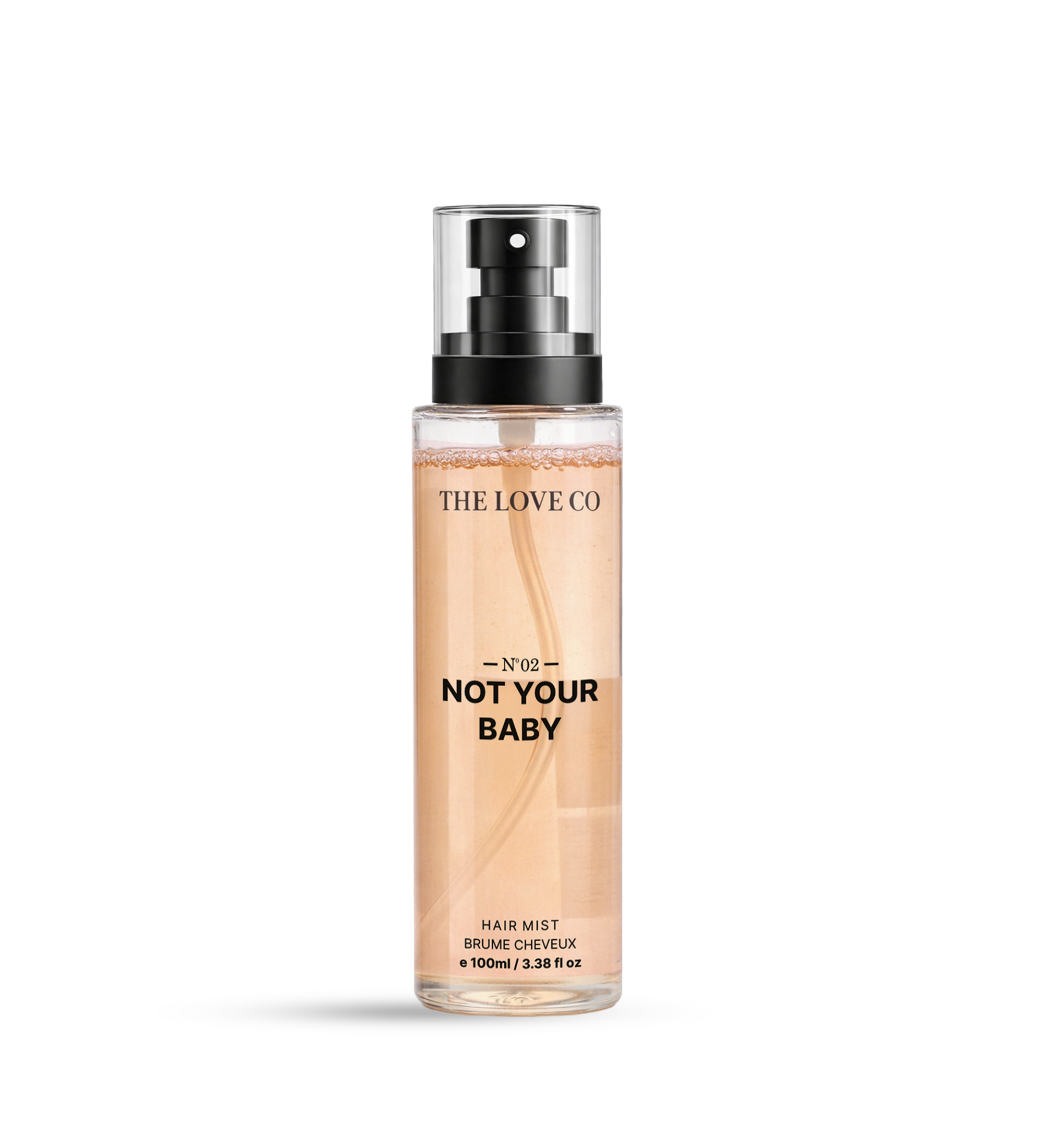
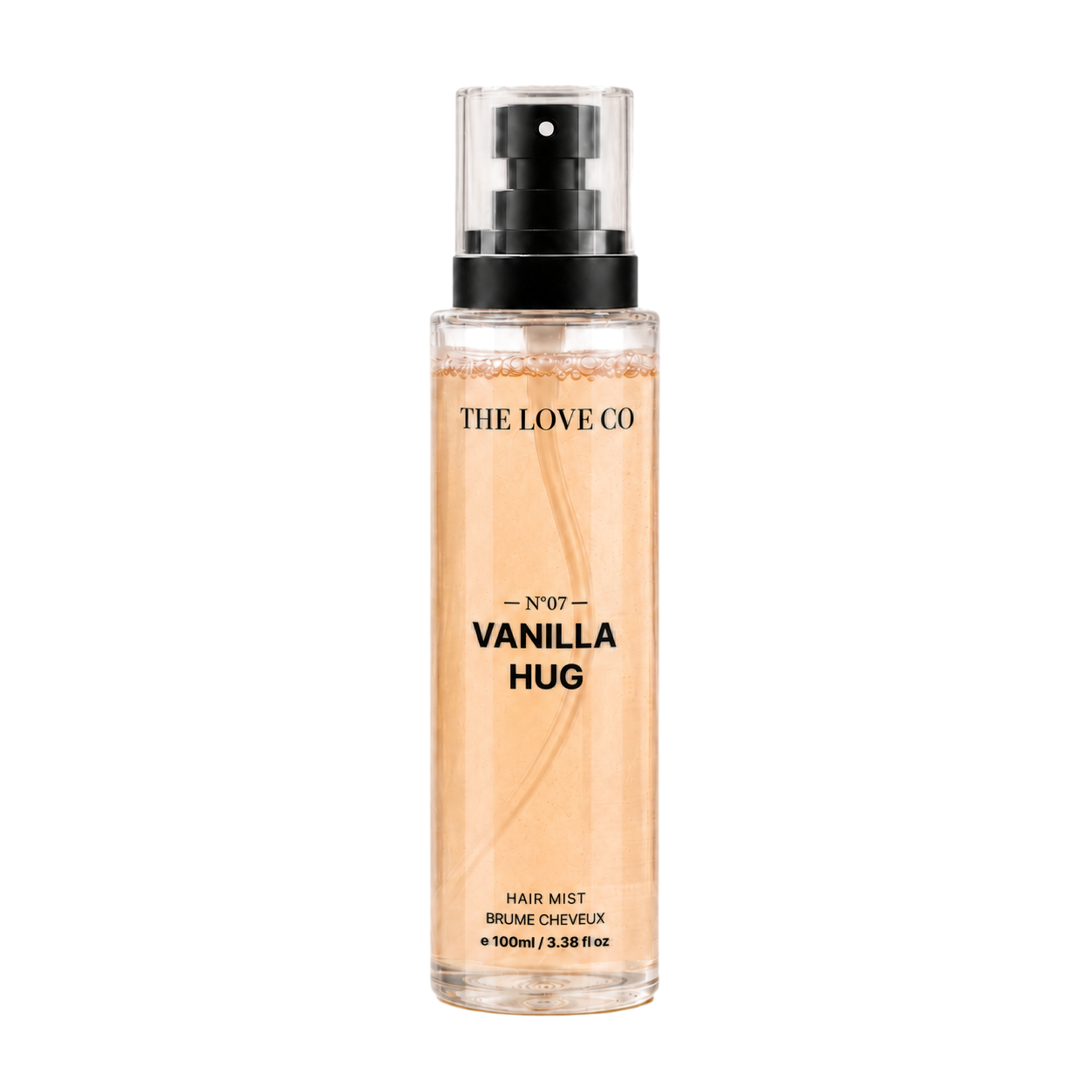
This is what The Love Co. builds — fragrance-led body care for Indian skin and climate, at a price that scales across a whole team. Browse gift sets to see the scent worlds you can build a program around.
How do you run employee gifting at scale?
Run it as a repeatable program with defined moments, set budgets per tier, universally usable products, and a single supplier who can handle bulk, co-branding, and GST billing. The operational trap is bespoke-everything; the fix is a small set of standardised, high-quality kits mapped to each moment (welcome, anniversary, appreciation, festival), reordered as needed. Practical build:
- Map your gifting calendar — the four core moments plus any recurring team events.
- Standardise 2–3 kit formats so you're reordering, not redesigning, each time.
- Choose products that work for an entire, diverse workforce.
- Set up co-branding and GST invoicing once, with one partner.
- Keep a small buffer of welcome kits ready so new hires never wait.
What makes a good bulk employee gift in India?
A good bulk employee gift is daily-use, culturally neutral, non-perishable, and premium at scale — with a supplier who provides GST invoices, co-branding, and pan-India delivery. Avoid anything that assumes a diet or religion, expires quickly, or is really just merchandise. Prioritise items each person will reach for on an ordinary morning.
At The Love Co., employee gifting is handled as a service: bulk hampers and welcome kits, co-branded packaging, custom scent curation, GST-compliant invoicing, and delivery across India — to a single office or to individual home addresses for distributed teams. You can start a corporate gifting enquiry here, or browse gift sets to see the range you can build a program around. Timelines depend on order size and customisation, so reach out early for large or heavily branded runs and we'll plan back from your dates.
How do you measure whether employee gifting is working?
Look at the soft signals first: unprompted thank-yous, social shares, and whether people mention gifts in engagement surveys or exit interviews. Gifting rarely moves a metric in isolation, but as part of a recognition culture it shows up in retention, referral rates, and how new hires describe their first week. The cheapest signal of all is simply asking a few recipients what they thought — and whether they actually used it.
Common employee gifting mistakes to avoid
- Logo-first thinking. A gift that's mostly branding is merchandise, not a gift.
- One-size-fits-none. Gendered or assumption-heavy gifts alienate part of your team.
- Perishables at scale. Food expires, allergies vary, and half of it goes to waste.
- Only gifting at Diwali. One annual bulk drop misses the moments that actually build loyalty.
- Skipping the note. The cheapest element in the box is the one people remember most.
The one thing most gifting programs miss
Companies obsess over the gift and forget the timing. The same body care set means one thing in a December bulk drop and something entirely different handed to someone the Monday after they carried a launch. The unscheduled gift — the one nobody expected — is worth more than a costlier gift that arrives exactly when everyone knew it would.
Build the program so you can move fast on those moments. The best employee gift isn't the most expensive one. It's the one that arrives the day someone quietly wondered whether anyone noticed — and answers, without a word, that someone did.
Building an employee gifting program? Tell us your headcount and the moments you want to mark — start a corporate gifting enquiry and we'll design the kits around your year.
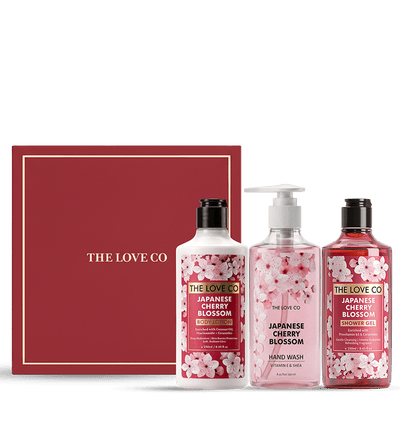
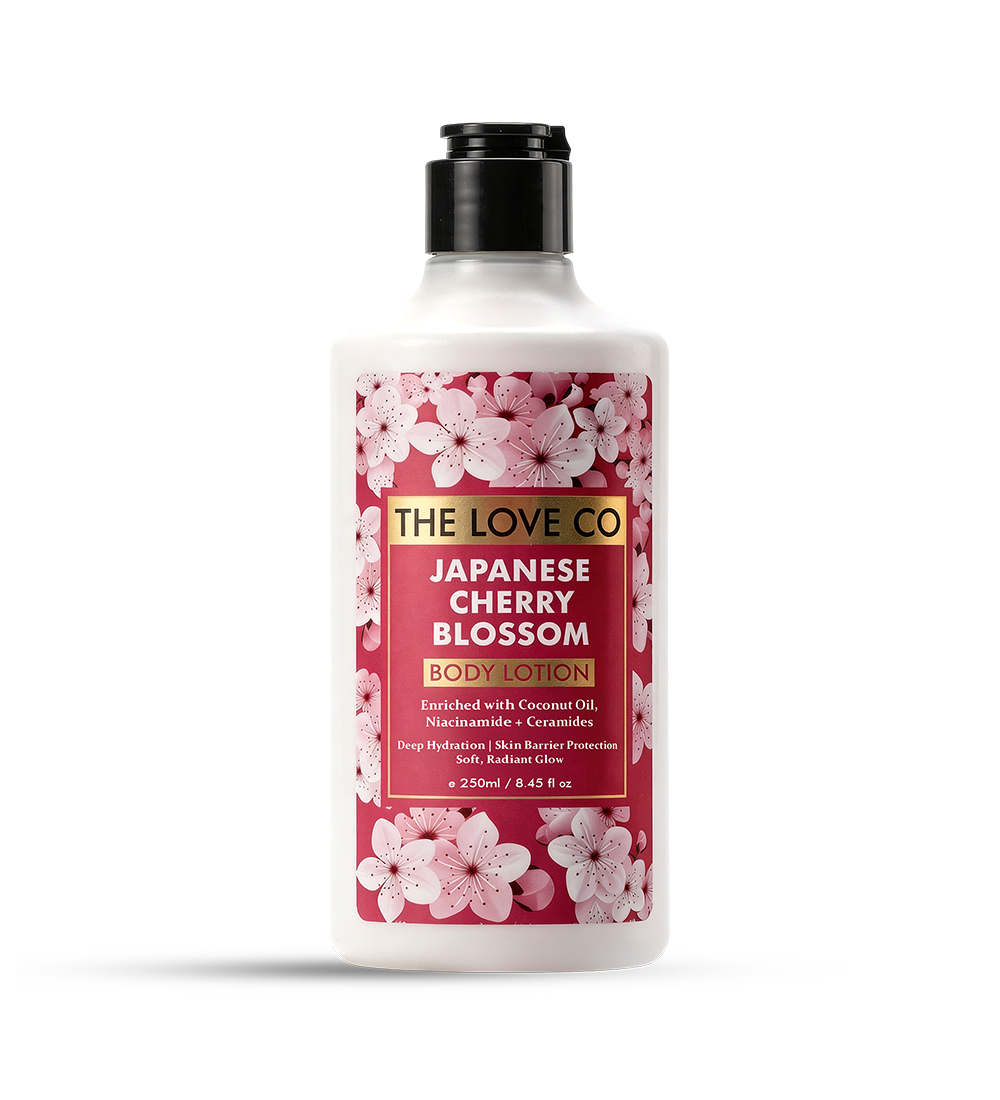
Japanese Cherry Blossom Trio Gift Set
The full Sakura trio.Three full-size Japanese Cherry Blossom essentials — the complete three-step Sakura ritual in one gift box.The ritualWash → lotion on damp skin → mist on...
A ritual is the smallest love you give yourself, daily.
— Sweety Jarota · 05 Jul 2026