Fragrance Guide — Concentration, Notes & Longevity
The Love Co · Fragrance Guide
How a scent actually works on skin.
Concentration, notes, longevity, layering — the whole vocabulary of fragrance, in plain language. Read it once and you will never buy a scent blind again.
The four concentrations.
Every fragrance is perfume oil diluted in alcohol and water. How much oil is in the bottle decides how long it lasts, how close it sits, and what it costs. These are the industry-standard bands.
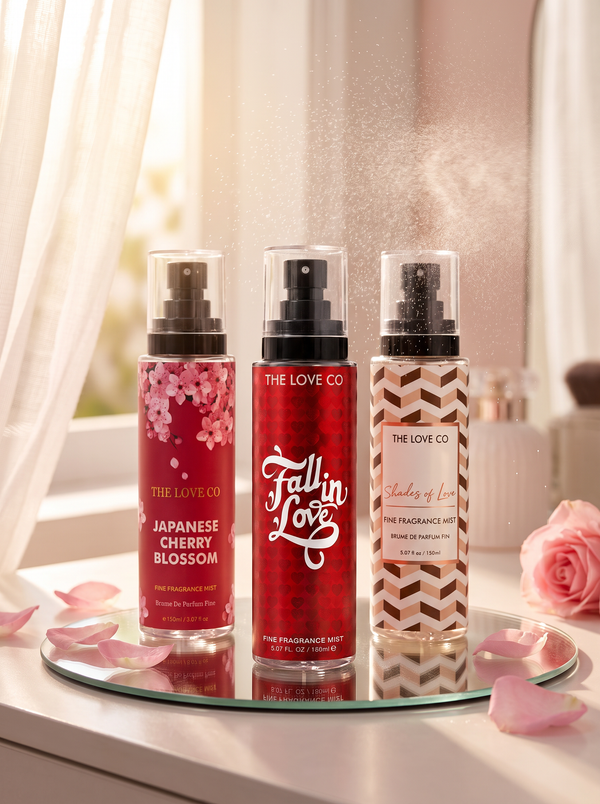
Eau Fraîche / Body Mist
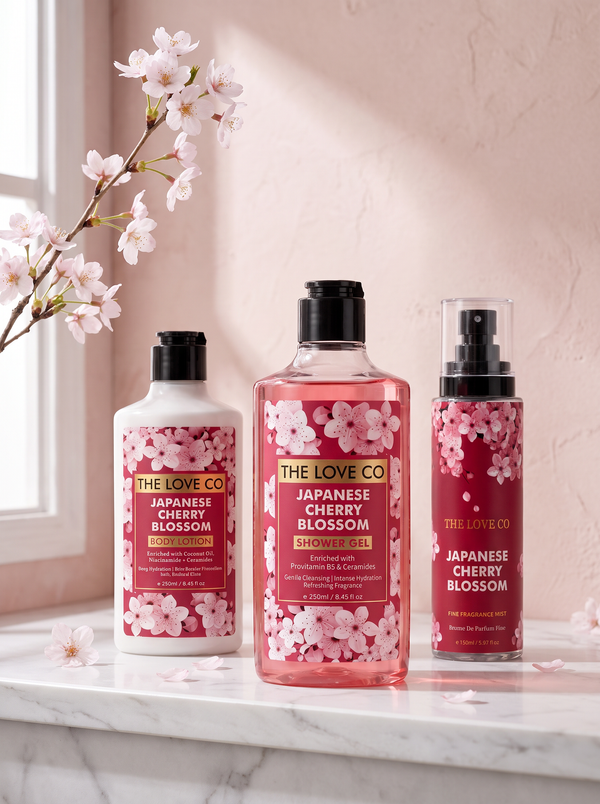
The lightest form. Made to be sprayed generously over skin and hair rather than dabbed at pulse points. Sits close, refreshes easily, and layers over a scented lotion without fighting it. This is the category most of our fragrance sits in.
Eau de Cologne
Bright, citrus-forward and traditionally splashed rather than sprayed. Associated with freshness and cleanliness. Fades fastest of all four because the top notes carry most of the composition.
Eau de Toilette (EDT)
The everyday concentration. The opening does the heavy lifting, so an EDT announces itself clearly and then settles down. Good for daily wear and for warm, humid weather where a heavier scent can turn cloying.
Eau de Parfum (EDP)
More concentrated, so the heart and base carry the composition and the scent stays closer to the skin for longer. This is where most signature fragrances live. Two sprays are usually enough.
Above 20% you are into extrait de parfum — the most concentrated form, worn in drops rather than sprays, and generally reserved for evening. Percentages are industry conventions, not legal definitions, so they vary between houses.
Top, heart, base — and when each arrives.
A fragrance is not one smell. It is three, arriving in sequence as the lighter molecules evaporate and the heavier ones stay behind. This is why a scent smells different on the strip than it does two hours later.
The opening. Small, volatile molecules — citrus, light fruit, aromatic herbs — that reach you first and leave first. Never judge a fragrance here; you are smelling the part that will be gone before you reach the door.
The character. Florals, spices and green notes that emerge as the top fades and hold for the middle stretch of wear. This is the part people mean when they describe "what it smells like".
The trail. Heavy, slow-evaporating molecules — woods, musks, vanilla, amber — that anchor everything above them and linger longest on skin and fabric. The part people recognise you by.
Why it fades faster on some people.
Longevity is only partly about the bottle. Four things change how long a fragrance holds.
Skin type. Oily skin holds fragrance measurably longer than dry skin, because the oil gives the molecules something to bind to. Dry skin lets a scent evaporate faster — which is why moisturising first makes such a visible difference.
Heat and humidity. Warmth speeds evaporation. In Indian summer a fragrance projects harder and burns off faster; the same scent in winter stays quieter and lasts longer. Lighter concentrations suit the heat better.
Where you spray. Pulse points — wrists, neck, inner elbows — are warm, so they push scent outward. Hair and clothing hold fragrance far longer than skin does, because there is nothing absorbing it.
Nose blindness. Within about fifteen minutes your brain filters out a constant smell. You stop noticing your own fragrance long before other people do. Reapplying because "it's gone" usually means over-applying.
Layering, properly.
Layering is not mixing two fragrances and hoping. It is building one scent in stages so each layer holds the next. The order matters more than the products.
Cleanse. Wash with the scented format first. This lays a base coat of the fragrance on skin that everything else builds on.
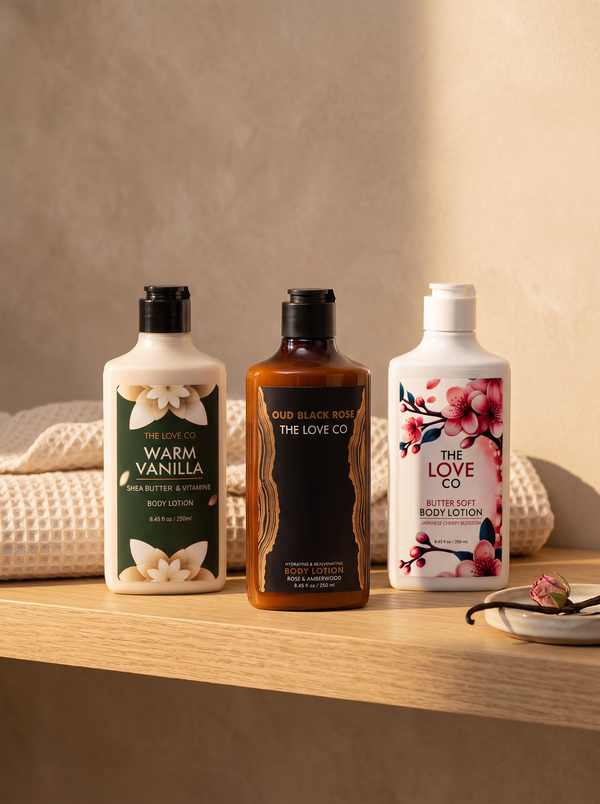
Moisturise on damp skin. Within about 60 seconds of stepping out, while the skin is still damp and the barrier is receptive. This is the single highest-leverage step for longevity — fragrance binds to moisturised skin and evaporates off dry skin.
Mist last. Pulse points and hair ends. Spray into the air and walk through it if you want it diffuse rather than concentrated.
Do not rub. Rubbing wrists together crushes the top notes and speeds up the dry-down. Spray and let it sit.
Questions people actually ask.
Why does a fragrance smell different on me than on someone else?
Skin pH, natural oil levels, diet and even medication change how fragrance molecules behave on contact. The composition is identical; the surface it lands on is not. This is why testing on your own skin beats testing on a paper strip.
How many sprays is right?
For a body mist, three to five over skin and hair. For an eau de parfum, two on pulse points. If you can smell yourself clearly an hour later, you have applied more than the people around you want.
Does fragrance expire?
Unopened and kept away from heat and light, most fragrance holds three to five years. Heat, sunlight and humidity are what degrade it — a bathroom shelf is the worst place to keep a bottle, and a dark drawer is the best.
What does "notes" mean if there is no actual flower in it?
A note describes a smell, not an ingredient. Many florals cannot be extracted at all, so perfumers build accords — combinations of materials that together read as cherry blossom, or peony, or fresh linen. An accord is a description of the effect, honestly stated.
Body mist or eau de parfum?
A mist is for generous, frequent, all-over wear and layering — lighter, closer, easy to refresh through the day. An eau de parfum is for a smaller, longer-lasting application. Neither is a lesser version of the other; they are built for different jobs.
Can I wear fragrance on sensitive skin?
Patch-test first on the inner forearm and wait 24 hours. If your skin reacts to fragranced products generally, apply to clothing rather than skin, and check the full ingredient list on the product page and the pack before buying.
Find the one your skin already knows.
Five questions on mood, memory and skin. No email needed to see your result.
Take the scent quizOr browse the full fragrance range.
