You stand in the body wash aisle of a Mumbai pharmacy or scroll through Nykaa, and the labels blur. AHA. BHA. Salicylic. Lactic. Glycolic. Mandelic. Each brand insists their acid is the one your skin needs. None of them explain why.
This guide does. Not the global version — the Indian version. Because the acid that works on a New York winter skin type in a temperature-controlled apartment does not work the same way on South Asian skin in a 38°C Delhi summer or a 90% humidity Mumbai monsoon.
Key Takeaways
- AHA (glycolic, lactic, mandelic) works on the surface. It loosens the bonds holding dead skin cells together. Best for dullness, uneven tone, post-acne marks (PIH), rough texture.
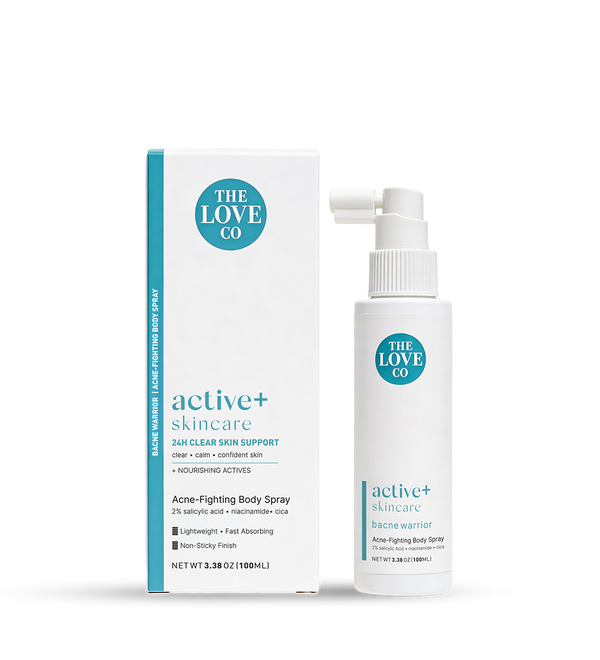
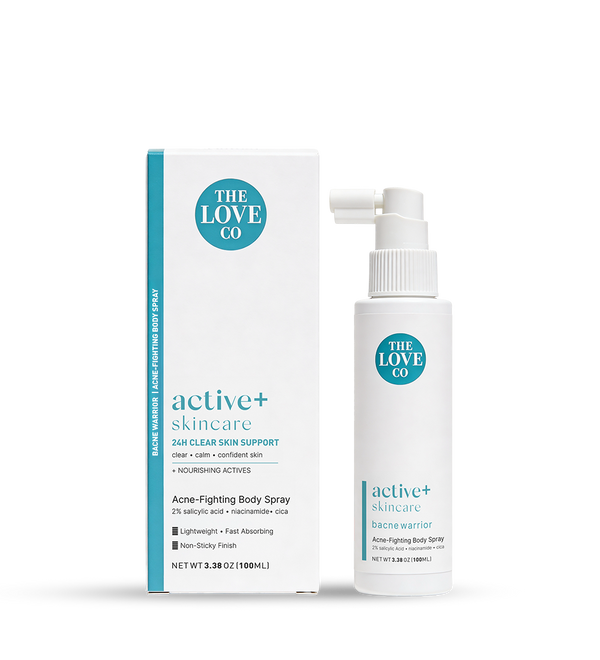
- BHA (salicylic acid) works inside the pore. It's oil-soluble, travels down into follicles, dissolves sebum plugs. Best for body acne, blackheads, congestion.
- Indian skin needs mandelic AHA, not glycolic. Mandelic has a larger molecule — penetrates more slowly, causes less PIH risk on Fitzpatrick III-VI skin types that dominate in India.
- Most Indian body skin problems need BHA. Humid climate + twice-daily showers + hard water = high sebum + clogged pores. Salicylic acid is the workhorse.
- Use both when treating KP or strawberry legs. AHA handles surface texture. BHA handles the underlying follicular plug.
What AHA and BHA actually do — the non-jargon version
AHA: Alpha Hydroxy Acids
AHAs are water-soluble acids derived from fruits, milk, and sugar. They work on the very top of the skin — the stratum corneum — by breaking the chemical bonds (desmosomes) between dead skin cells. The loosened cells shed, revealing fresher skin underneath.
The result: smoother texture, more even tone, reduced PIH (post-inflammatory hyperpigmentation), better absorption of whatever goes on top. AHAs do not enter pores. They do not dissolve oil. They are a surface treatment.
The main AHAs in body wash:
- Glycolic acid — smallest molecule, deepest penetration, strongest results, highest irritation risk. Avoid on Indian skin without buffer ingredients unless you are experienced.
- Lactic acid — mid-size molecule, gentler, also hydrating (it's a natural moisturising factor). Good entry-level AHA.
- Mandelic acid — largest AHA molecule, slowest penetration, most PIH-safe for Fitzpatrick III-VI. The best AHA choice for Indian skin.
BHA: Beta Hydroxy Acid
There is effectively one BHA in cosmetics: salicylic acid. It is oil-soluble, which changes everything. Because it can dissolve in sebum, it penetrates into the hair follicle and the pore lining — not just the surface.
Inside the pore, salicylic acid dissolves the sebum plug, loosens the dead cell accumulation, and — importantly — has anti-inflammatory and mildly antibacterial properties. This is why it works on acne where AHAs cannot: it goes where the problem is.
Effective concentration in body wash: 1.5% to 2%. Below 1%, the contact time in a rinse-off product is insufficient for meaningful effect. Above 2%, the risk of dryness and irritation rises without proportional benefit.
The Indian skin context: why acid choice matters more here
PIH risk is higher on Fitzpatrick III-VI skin
Most Indian skin sits in the Fitzpatrick III-VI range — medium to deep brown. This skin type has more active melanocytes that respond to inflammation by producing excess pigment. Any exfoliant that causes micro-irritation triggers PIH: dark spots that can take months to fade.
This is why glycolic acid — the most common AHA in global body wash formulas — is a poor choice for Indian skin without additional buffer ingredients. Mandelic acid, with its larger molecule and slower penetration, is the safer default.
Indian climate creates BHA-favourable skin conditions
The combination of heat, humidity, twice-daily showers, hard water mineral deposits, and sweat means Indian body skin produces more sebum, experiences more follicular congestion, and sees more body acne than cooler, drier climates.
BHA (salicylic acid) is directly suited to these conditions. It addresses the sebum, the clog, the inflammation — the root causes of heat and humidity-driven body acne.
Hard water amplifies the need for exfoliation
Indian cities run predominantly hard water — mineral-rich, with calcium and magnesium deposits that form a film on skin after showering. This film blocks absorption, contributes to dull texture, and creates a surface that traps sebum. AHAs remove this mineral film as part of their exfoliating action.
Choosing the right acid for your specific problem
| Skin Problem | Best Acid | Why |
|---|---|---|
| Body acne (chest, back, shoulders) | BHA (salicylic 2%) | Oil-soluble, enters follicles, anti-inflammatory |
| KP / chicken skin (arms, thighs) | AHA + BHA combination | AHA clears surface texture, BHA clears follicular plug |
| Post-acne marks / PIH | Mandelic AHA | PIH-safe, large molecule, slower penetration |
| Strawberry legs | AHA + BHA combination | AHA removes pigmented skin surface, BHA clears dilated pores |
| Dull, rough body skin | Lactic or mandelic AHA | Surface renewal without pore action needed |
| Dark underarms | Mandelic AHA | PIH-safe exfoliation on delicate, prone-to-dark skin |
| Sensitive skin — first acid | Lactic AHA at 5% or lower | Gentlest entry point, also hydrating |
How to use acid body wash in an Indian routine
Frequency
Acid body wash is not a daily wash. The contact time of a rinse-off product is short, but daily acid use in a twice-a-day shower routine accumulates irritation over weeks. Use 2-3 times per week, alternating with a gentle SLS-free daily cleanser on other days.
Application technique
Leave the lather on skin for 60-90 seconds before rinsing. This contact time is critical — rinsing immediately after application reduces acid efficacy significantly. Use on damp skin after initial rinse, leave, then wash off.
Moisturise after every acid session
Acids — especially AHAs — temporarily increase trans-epidermal water loss (TEWL). Apply body lotion within 3 minutes of toweling off. In winter or very dry skin, a urea-based lotion is ideal: urea is both a humectant and a gentle exfoliant that complements acid action without overdoing it.
Sun sensitivity — the Indian context
AHAs increase photosensitivity in the days following use. In India's climate, this requires practical management: use acid washes on days you're not spending extended time outdoors in peak heat (10am-4pm), or use them in the evening shower if you do both. Salicylic acid (BHA) is photo-stable and doesn't increase sun sensitivity the way AHAs can. Still pair with SPF 30+ on exposed body skin if you're outdoors during peak hours.
Frequently asked questions
Complete Indian Body Care Series
- Body Care for Indian Skin: The Complete 2026 Guide — climate-tuned, dermatologist-verified 4-step routine for Indian skin
- Best Body Wash for Body Acne in India 2026 — BHA-first approach for chest, back and shoulder acne
- Best Urea Body Lotion in India 2026 — follow acid exfoliation with urea-based moisturisation for complete skin renewal
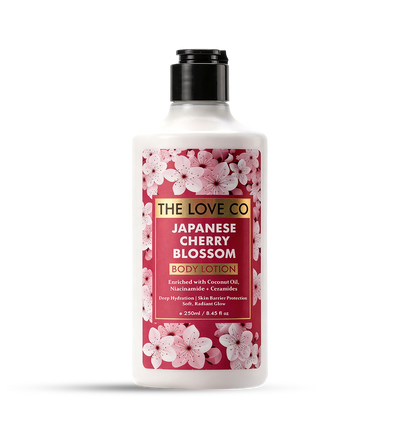
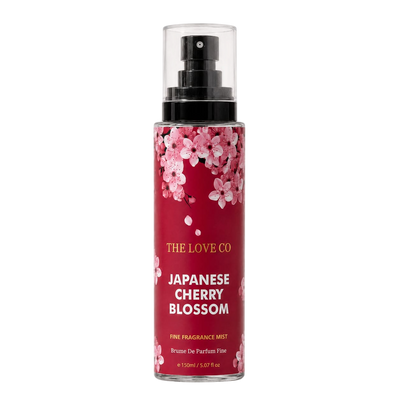
Japanese Cherry Blossom Body Wash
Scent Trail Step 1 · soft floral body wash Start the Scent Trail here. A pH 5.5, SLS-free cleanser that protects your skin barrier while it washes —...
A ritual is the smallest love you give yourself, daily.
— Hemang Jain · 03 May 2026