

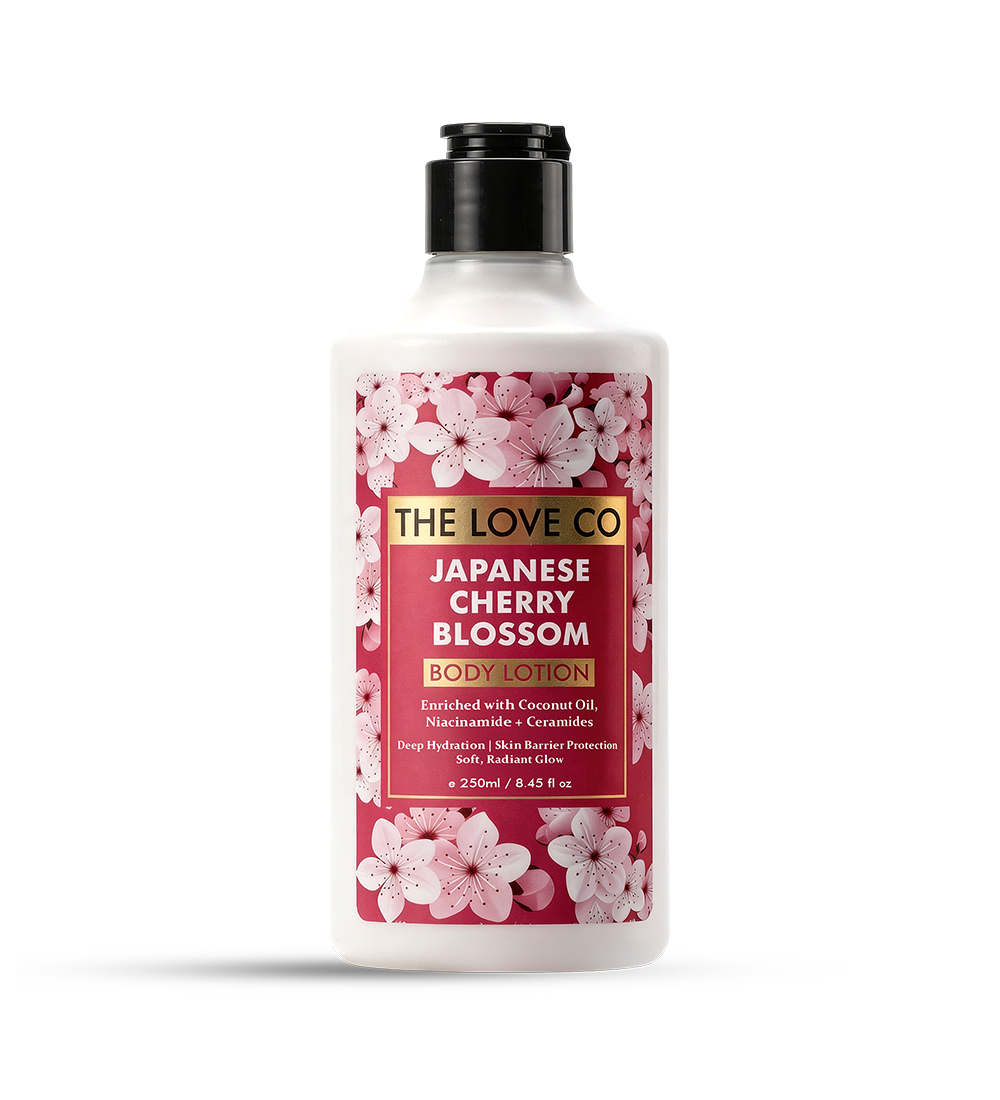
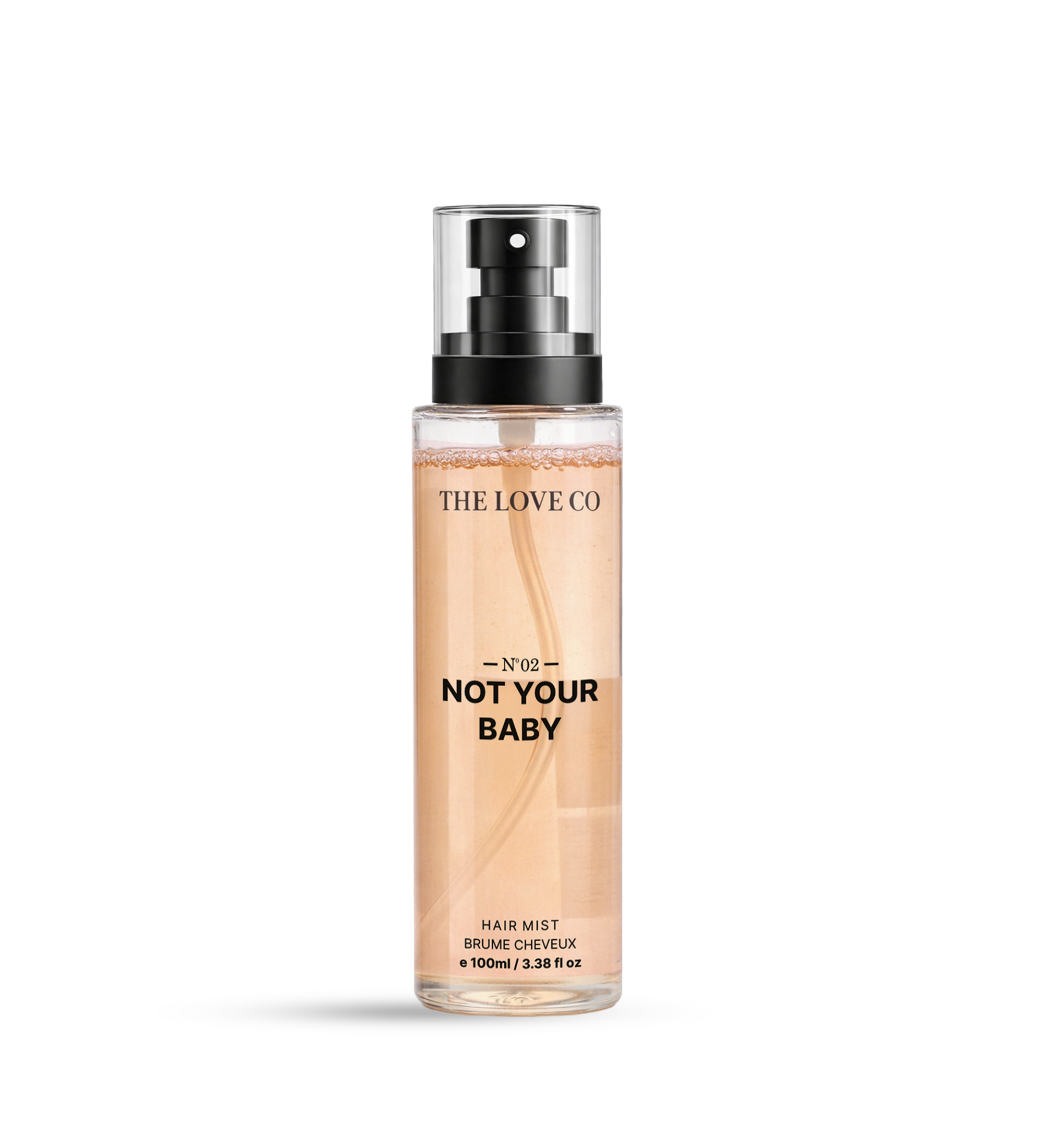
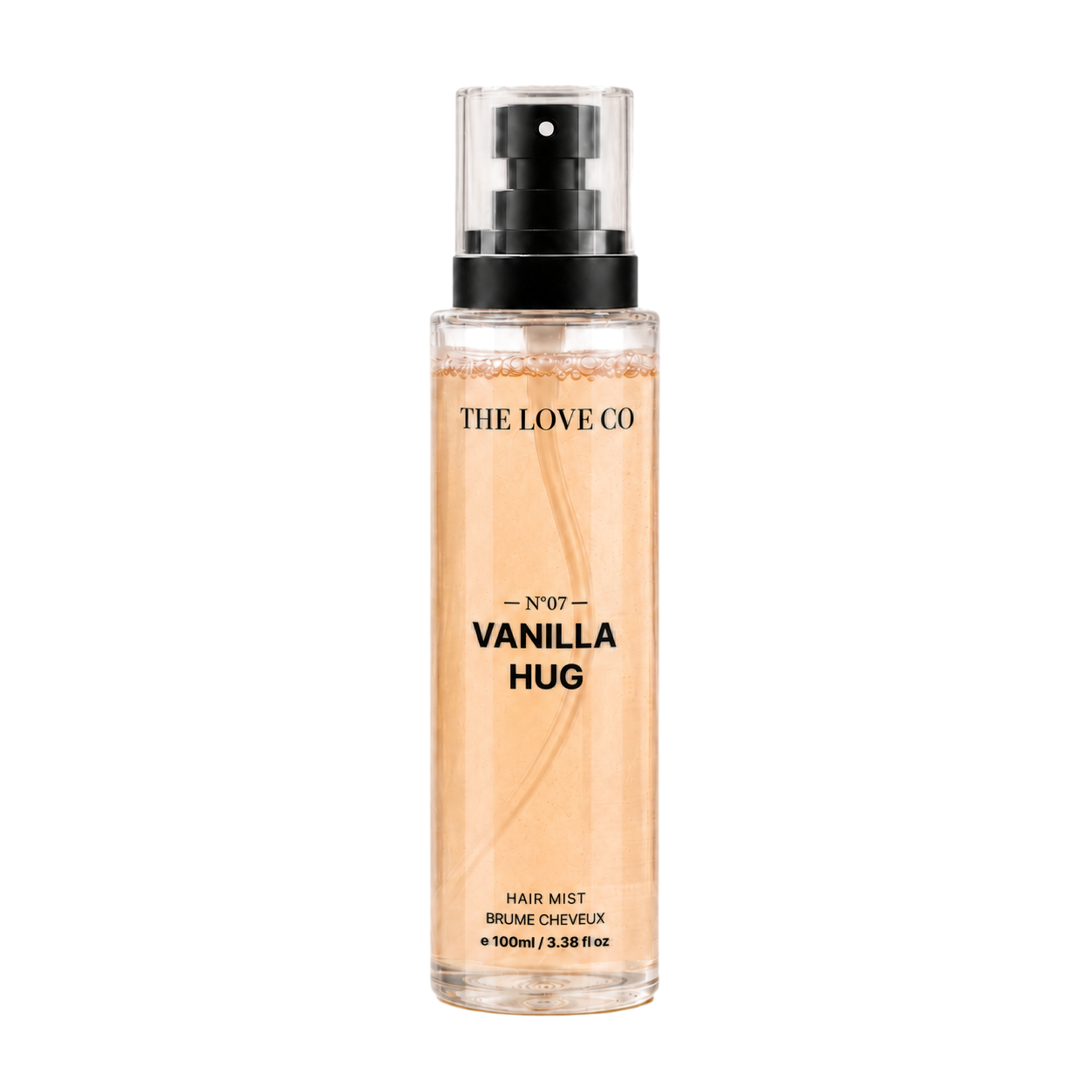
Indian skin doesn't behave like Western skin. The climate isn't a Western climate. The shower routines aren't Western shower routines. So why are 90% of body care products in India formulated for Western standards?
For three decades, Indian shelves have been stocked with body care that was designed for a temperate climate, a once-a-day shower habit, and a Fitzpatrick I-III skin tone. Then we wonder why our barriers crack in winter, why fragrance fades by lunchtime, why "moisturising" lotions sit greasy on humid skin and never actually moisturise. The product wasn't built for the body using it.
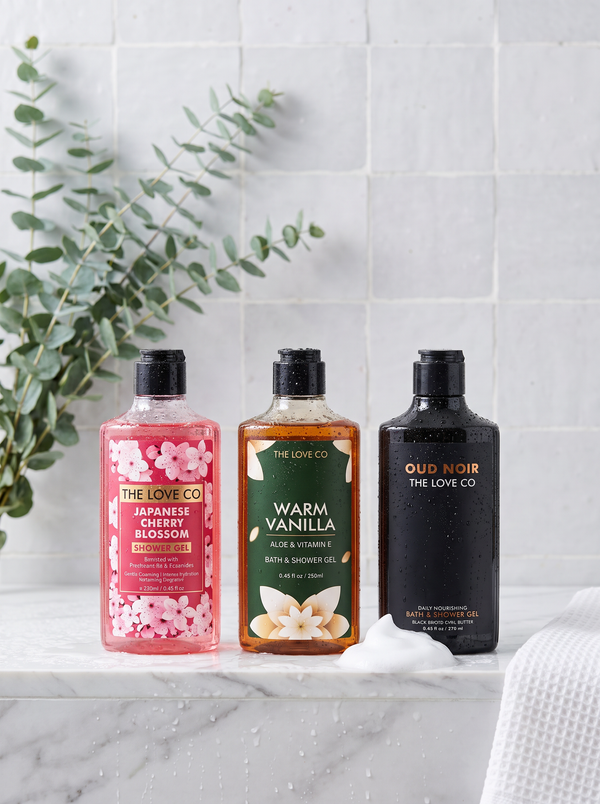
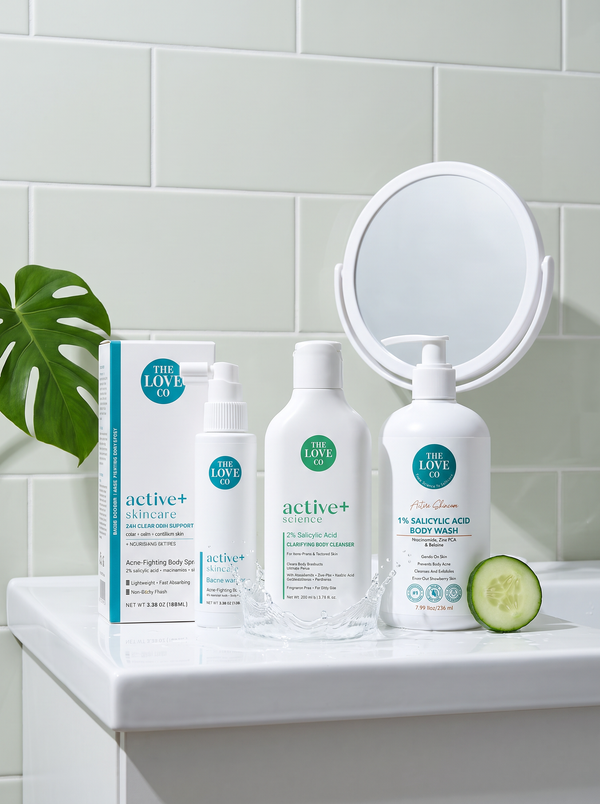
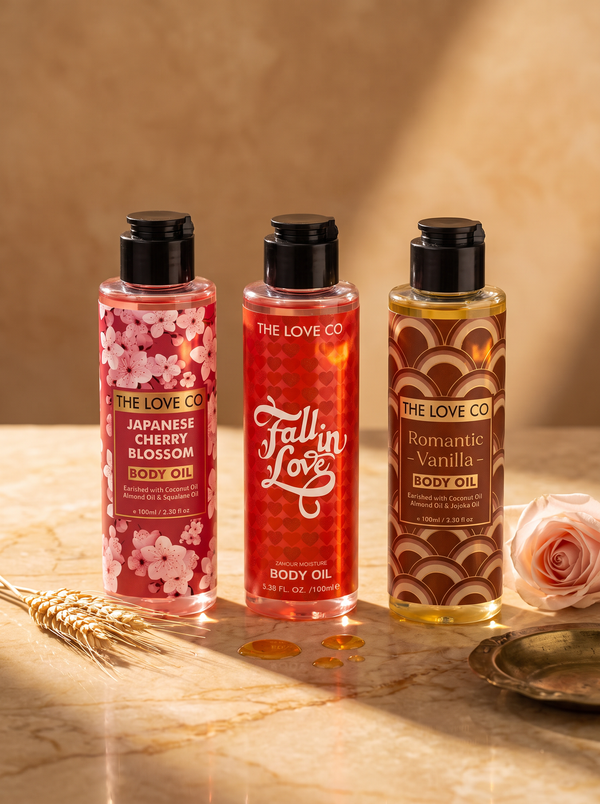
The Love Co. (TLC) was built on the opposite premise. India's first fragrance-led body care brand, dermatologist-tested by Dr. Tanvi Sehgal, MD, formulated SLS-free at pH 5.5, and engineered for the climate the bottle will actually live in — from a Mumbai monsoon to a Delhi December. This guide is the complete, climate-tuned, dermatologist-verified system for Indian skin: what you actually have, what wrecks it, what fixes it, and how to make it smell incredible all day.
Key Takeaways
- pH 5.5 matters more in India. South Asian skin sits closer to pH 5.0 (NCBI PMC, 2014). Most imported body washes are pH 8–10 — they strip the acid mantle on every shower.
- SLS doesn't belong in Indian climate body care. A 2021 IJDVL study showed sulfate body wash worsens dryness in already-dry patients. With twice-daily showers and hard water, the damage compounds.
- Hard water is the silent saboteur. Mumbai, Delhi, Bangalore, Chennai and Hyderabad all run TDS levels that bind to surfactants and leave residue on skin.
- Indian climate demands climate-tuned formulation. Cooling textures for 40°C summers, anti-fungal-conscious cleansers for monsoon, urea-rich butters for dry winters — one bottle cannot serve four seasons.
- Fragrance is the layering science Indian skin needs. Humidity and sebum eat top notes. Layered scent (wash → lotion → mist → solid perfume) is how you make fragrance last on Indian skin.
- Dermatologist-verified, not dermatologist-borrowed. Every TLC formula is reviewed by Dr. Tanvi Sehgal, MD, against Indian skin parameters — not translated from a Western brief.
Indian skin types — what you actually have (vs. what marketing says)
Walk into any pharmacy in Bandra or Khan Market and you'll see body washes promising "for all skin types." That phrase is marketing. There is no all skin type — especially in India, where the skin walking around is overwhelmingly Fitzpatrick III to VI. Western brands optimise their R&D against Fitzpatrick I-III: paler, drier, lower-melanin skin that responds to active concentrations and pH ranges that simply don't translate here.
Here is what Indian skin actually looks like in dermatological terms, and how each type should change the body care you reach for.
Fitzpatrick III-VI dominance
The Fitzpatrick scale (I to VI) classifies skin by how it responds to UV. India sits dominantly III to V, with VI common in southern and eastern India. Higher Fitzpatrick types have more melanin, slower visible barrier damage, but faster post-inflammatory hyperpigmentation (PIH) when the barrier is breached. This means harsh exfoliation isn't "tougher skin can take more" — it's the opposite. Aggressive scrubs leave dark marks that take six months to fade.
Combination dryness
The most under-recognised Indian body type. Face is oily (T-zone shine, frequent breakouts) but the body — arms, shins, back — is dry, sometimes flaky. Most people pick body care based on their face, then under-moisturise the body. The fix is a body-specific routine: gentle pH 5.5 cleanser, then a humectant-led lotion that hydrates without occluding sweat in summer.
PIH-sensitive skin
Indian skin scars dark, not red. Body acne, ingrown hairs, mosquito bites, prickly heat — each leaves a brown spot that lingers. This rules out high-concentration AHAs without buffer ingredients, harsh physical scrubs, and any cleanser that strips the barrier (because barrier disruption itself triggers PIH cascades).
Heat-prone skin
April to June, vast stretches of India sit at 40°C+ with humidity that turns skin into a closed system. Heat rash, miliaria (prickly heat), and fungal flare-ups are seasonal certainties for many. Body care has to work with sweat, not against it — cooling textures, breathable lotions, and anti-microbial-conscious cleansers like our SLS-free body wash range.
| If your skin is… | Reach for |
|---|---|
| Dry, flaky body, oily face | Hydrating SLS-free wash + lightweight lotion |
| Acne-prone body | Salicylic + AHA wash, gel-textured lotion |
| Sensitive, reactive | Fragrance-light gentle wash, ceramide lotion |
| KP / strawberry legs | AHA exfoliating wash 2-3× weekly |
| Very dry, winter-cracked | Body butter + urea cream for heels |
The 4 Indian climate factors that wreck imported body care
If a body wash was formulated in a German lab and shipped untouched to Bangalore, four things will happen to it on contact with Indian conditions. None of them are good. These are the variables Western R&D teams don't optimise for — because they don't have to.
1. Hard water
India's metro water sits at high TDS (total dissolved solids). Mumbai averages 200-400 ppm, Delhi 300-500, Bangalore 200-350, Chennai 400-600, Hyderabad 300-500. (Soft water sits below 100.) Hard water binds with sulfate surfactants like SLS to form a calcium-soap residue that clings to the skin, blocks pores, and deposits a film that makes skin feel tight and squeaky — the opposite of clean. The formulation answer is sulfate-free surfactants like sodium cocoyl isethionate, which lather without binding to calcium ions. More on SLS and what it does.
2. Twice-daily showers
Most of urban India showers twice. Western body wash formulations assume one shower per day — that's the recovery window the barrier is built around. Two showers a day with a high-pH, sulfate body wash is twice the strip, half the recovery, and a barrier that never returns to baseline. The formulation answer is acid-mantle-friendly cleansers at pH 5.5, which the skin can recover from inside hours, not days.
3. Humidity 70-90%
From June through September, large parts of India sit above 70% relative humidity. This does three things to body care: (a) sweat occludes on the skin instead of evaporating, creating a fungal-friendly environment; (b) heavy occlusive moisturisers (mineral oil, dense butters) sit on the skin and trap heat; (c) fragrance top notes evaporate fast in the heat-and-humidity combination, then sweat washes the heart and base notes off the skin within hours. The answer is lighter humectant moisturisers, anti-fungal-conscious cleansing, and layered fragrance via lotion + mist + solid perfume.
4. 40°C+ summer heat
Beyond comfort, heat over 40°C accelerates sebum production and breaks down sunscreens and fragranced oils. Body lotion formulated for European summers melts and migrates on Indian summer skin. Cooling agents (menthol, peppermint, cucumber extract) and gel-cream textures perform; cocoa-butter-heavy formulas don't.
The dermatologist-led 4-step routine
Dr. Tanvi Sehgal, MD's clinical brief for Indian body care comes down to four steps. Done daily, in this order, this routine recovers a damaged barrier in two to three weeks for most users.
Step 1 — Cleanse
SLS-free, pH 5.5, sodium-cocoyl-isethionate-based body wash. Once or twice daily depending on climate and activity. The cleanser is the most important step in Indian body care because it's the most repeated — the wrong cleanser undoes everything else. Read the full breakdown in our pillar guide on SLS-free body wash for India.
Step 2 — Treat
An AHA exfoliating body wash 2 to 3 times a week, replacing your daily cleanser on those days. Lactic acid and mandelic acid are the two AHAs that suit Indian skin best — mandelic in particular has a larger molecule size, penetrates more slowly, and triggers less PIH than glycolic. Treats KP, strawberry legs, dark underarms, body acne, dullness. See our AHA body wash guide, or compare AHA vs BHA body wash to choose the right acid for your skin type.
Step 3 — Moisturise
Body lotion daily on damp skin within three minutes of toweling off (the "three-minute rule" — locks in shower water before TEWL kicks in). For very dry skin or winter, swap to body butter. The choice between the two matters more than people realise: body butter vs body lotion in India covers when to use which; for very dry skin in Indian winters, our urea body lotion guide explains the right concentration for your skin type.
Step 4 — Layer fragrance
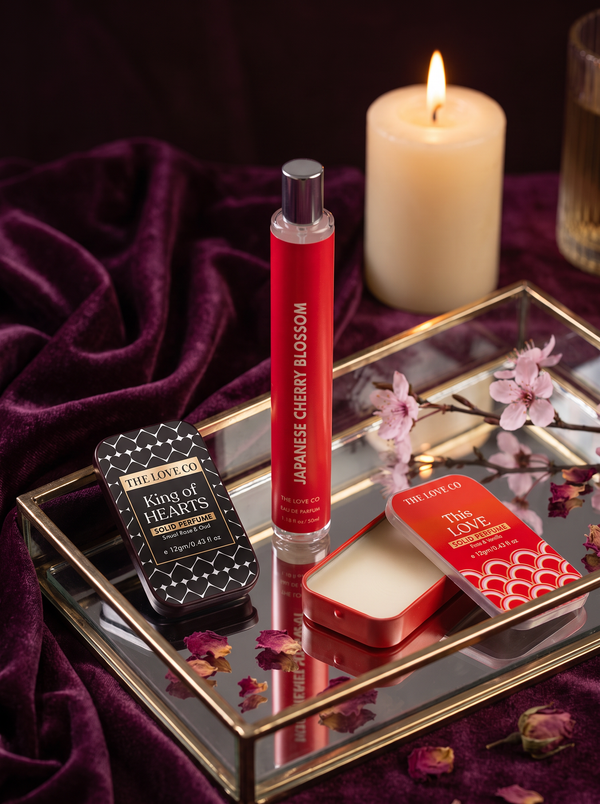
Body mist on pulse points, solid perfume on wrists and behind ears. Body mist sits on the surface, evaporates faster, fills the immediate cloud around you. Solid perfume sits in the warmth of skin, releases over hours. Together they handle the short and long arc of how scent lives on Indian skin. Start with our best body mist guide, understand body mist vs body spray to choose the right format, and explore the complete fragrance-led routine.
Seasonal Indian body care — summer, monsoon, winter, festive
India does not have one climate. It has four pronounced micro-seasons, and body care that ignores this delivers the wrong answer 9 months a year. Here is how the routine should shift.
Summer (April to June)
Priority: cooling, oil-control, fragrance that survives sweat. Reach for a cooling AHA body wash (gentle keratolytic action also opens up sweat-clogged pores), an oil-free or gel-cream lotion, and a high-volatile body mist with citrus or aquatic top notes that fill the air. Body butter goes on the shelf until November.
Monsoon (July to September)
Priority: anti-fungal awareness, lighter occlusion, fragrance for the rain-damp skin window. Damp skin and trapped sweat are a fungal acne risk — a salicylic + tea tree wash is your friend. Use a humectant-led lotion (glycerin, hyaluronic acid) rather than dense butters. Monsoon is also the best season for fragrance: damp skin holds scent molecules longer, and rain-cooled air slows top-note evaporation.
Winter (November to February)
Priority: barrier reinforcement, urea for cracked heels, layered scents that warm rather than cool. Body butter replaces body lotion. A urea-rich foot cream becomes daily. Fragrance-wise, oud, vanilla, amber, and gourmand notes start to suit the season. See urea lotion for cracked heels.
Festive (September to October, Diwali)
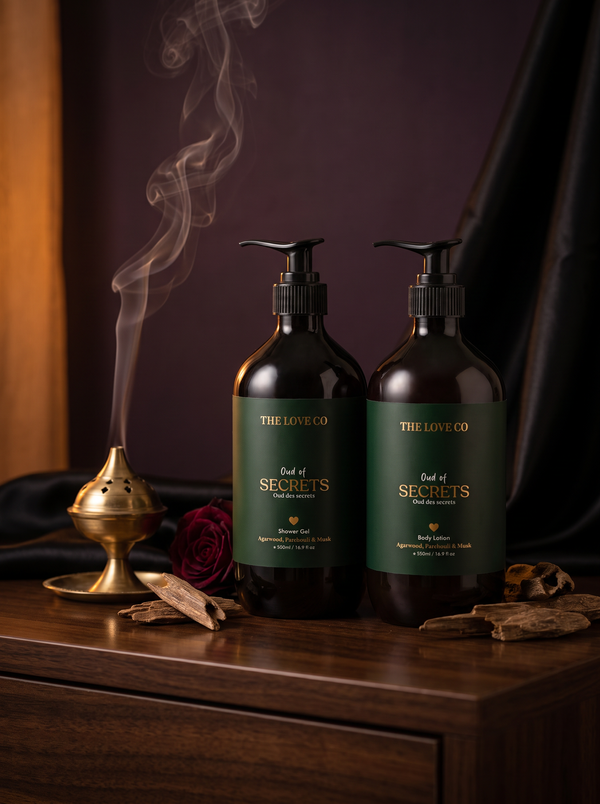
Priority: gifting, occasion fragrance, oud-and-rose territory. The festive window is when Indian fragrance preferences shift toward oud, attar-style compositions, rose, and saffron. TLC's oud range is built for this. Body butter and solid perfume make exceptional gift-set companions.
| Season | Priority | Products | Fragrance world |
|---|---|---|---|
| Summer | Cooling, oil-control | AHA wash, gel lotion, body mist | Citrus, aquatic, mint |
| Monsoon | Anti-fungal, light occlusion | Salicylic wash, humectant lotion | Green, white florals |
| Winter | Barrier, hydration | Body butter, urea cream | Vanilla, amber, oud |
| Festive | Gifting, occasion | Gift sets, solid perfume | Oud, rose, saffron |
Ingredient guide — what works on Indian skin (and what doesn't)
Before you read another back-of-bottle in a Health & Glow aisle, here's the shortlist that matters for Indian skin specifically.
Works
- Glycerin — humectant, cheap, effective. Pulls water into the stratum corneum even at high humidity. Foundation of almost every well-formulated Indian lotion.
- Hyaluronic acid — deeper hydration than glycerin, lighter feel. Pairs with humid air to keep skin plump.
- Sodium cocoyl isethionate (SCI) — the surfactant that replaces SLS. Lathers, doesn't strip, doesn't bind hard water.
- Lactic acid & mandelic acid — the two AHAs Indian skin tolerates best. Gentle keratolytic without PIH risk that glycolic carries.
- Urea — humectant + mild keratolytic, exceptional for cracked heels and KP.
- Ceramides — rebuild the barrier lipid layer that hard water and SLS strip.
Avoid
- Sodium lauryl sulfate (SLS) & sodium laureth sulfate (SLES) — high-pH, hard-water-reactive, barrier-stripping. More here.
- Mineral oil and petrolatum-heavy formulas — trap heat and sweat in Indian humidity. Reserve for winter only.
- High-alcohol body sprays — dry an already-stressed barrier. Body mist over body spray.
- Glycolic acid above 8% — PIH risk on Fitzpatrick IV-VI without proper buffering.
- Synthetic fragrance allergens on damaged or freshly-exfoliated skin — fine on healthy skin, irritating on broken barrier.
Cross-reference with our pH guide for the full picture.
Fragrance for Indian skin — the underrated science
Here is the part most body care guides skip: how fragrance behaves on Indian skin is materially different from how it behaves in a Parisian winter, and the gap is why imported designer body care often "doesn't last" here.
Three things work against fragrance on Indian skin. First, humidity accelerates the evaporation rate of volatile top notes — bergamot and lemon disappear inside the first 20 minutes. Second, sebum (Indian skin runs sebum-rich in summer) interacts with synthetic musks and aldehydes, often shortening their dry-down. Third, twice-daily showering literally washes off the previous application.
The answer is layering, not stronger fragrance. A perfume-soaked spritz at 8am is gone by 1pm. But a layered system — fragranced body wash, fragranced lotion in the same olfactive family, body mist refreshed at midday, solid perfume on pulse points — releases scent in waves through the day. This is how TLC's fragrance-led routine works.
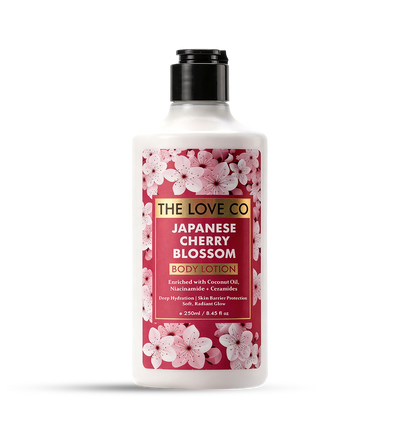
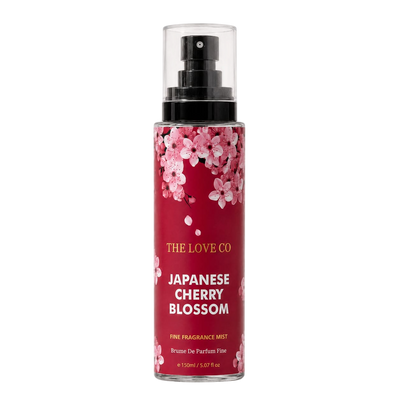
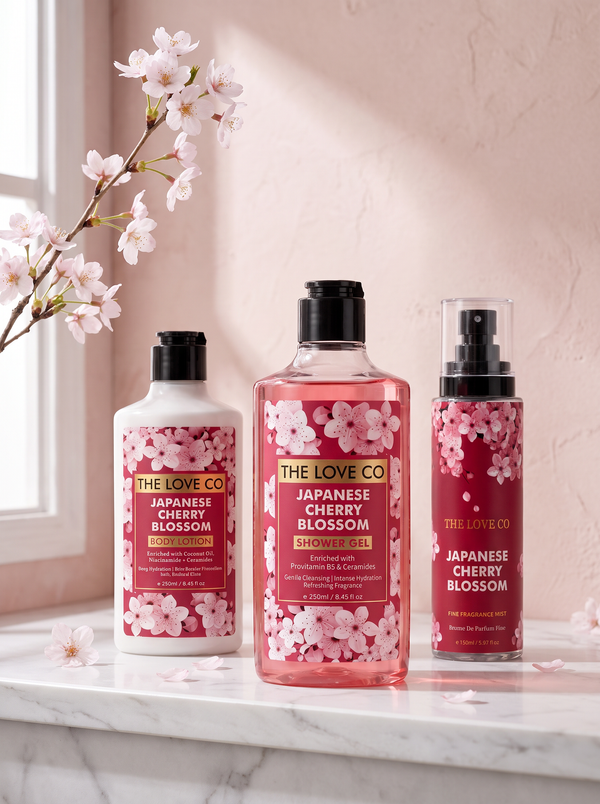
TLC's nine fragrance worlds — from Vanilla Oud to Cherry Blossom — are designed as full layering systems, not standalone scents. If you wanted a quick decision: Vanilla Oud for evening and winter, Lychee Rose for daily and warm weather, Bergamot Cedar for office, Cherry Blossom for summer freshness.
Common Indian body skin problems — and the fixes
Body acne
Sweat, sebum, hard water residue, occlusive lotions and humid air collide on the back, chest, and shoulders. The fix is a salicylic body wash 3-4× weekly, a non-comedogenic gel lotion, and breathable cotton at night. Reference: body wash for body acne in India.
Keratosis pilaris (KP, "chicken skin")
Tiny rough bumps on the upper arms and thighs, genetic, very common in India. Mandelic + lactic AHA wash 2-3× weekly plus a urea-containing lotion handles it. Full KP guide.
Dark underarms
Most often friction + razor-induced PIH + deodorant residue, not "dirt." Switch to AHA wash, mandelic-acid-based, and avoid alcohol-heavy deodorants. More here.
Strawberry legs
Dilated pores on shins darkened by trapped sebum and shaved hair stubble. AHA wash, gentle exfoliation, hydrating lotion. Strawberry legs guide.
Cracked heels
Indian winters and chappals year-round. Urea 10-20% cream nightly, occluded with cotton socks for the first two weeks. Urea cream guide. For severe, painful, bleeding cracks — see a dermatologist.
"In Indian dermatology practice, we don't treat skin in isolation — we treat skin in the context of climate, water, diet, and ritual. A pH 5.5 body wash isn't a marketing claim; it's a recognition that South Asian skin sits at pH 5.0 and recovers faster from cleansers that don't fight that baseline. Fragrance-led body care, done with respect to the barrier, isn't indulgence — for many of my patients it's what makes them stick to a routine long enough to see results."
Frequently asked questions
What's the difference between body care for Indian skin vs Western skin?
Indian skin is dominantly Fitzpatrick III-VI, sits at a slightly more acidic baseline pH (around 5.0), is more PIH-prone, and lives in a hot, humid, hard-water environment with twice-daily showering as the norm. Western body care is formulated for Fitzpatrick I-III, soft-water, once-daily showers, and lower humidity. The pH, surfactant choice, AHA selection, and texture all need to change — not just the fragrance.
Should I use different body care in summer vs winter?
Yes. Summer demands cooling, oil-controlling, lighter textures — gel lotion, AHA wash, citrus body mist. Winter demands occlusive moisture — body butter, urea-rich heel cream, warmer fragrance worlds like vanilla and oud. Using one product year-round means under-moisturising in winter and over-occluding in summer.
Is fragrance-led body care safe for sensitive Indian skin?
Done right, yes. TLC formulates fragrance below IFRA (International Fragrance Association) limits and dermatologist-tests every batch. Sensitive skin should still avoid applying fragranced body mist directly on freshly-exfoliated or broken skin — layer it on top of moisturised skin instead. For severe sensitive conditions like eczema flares, see a dermatologist before introducing new fragranced products.
How often should I exfoliate my body in Indian climate?
Two to three times a week with a chemical exfoliant (lactic or mandelic AHA wash) is the sweet spot. Daily exfoliation, especially physical scrubs, breaks the barrier and triggers PIH on Fitzpatrick IV-VI skin. In monsoon, you can push to three; in winter on already-dry skin, drop to once a week.
What's the right pH for body wash for Indian skin?
Around pH 5.5, matching the skin's natural acid mantle. South Asian skin sits closer to pH 5.0 (NCBI PMC, 2014), so any cleanser above pH 7 is alkaline relative to the skin and disrupts the barrier with each use. Most traditional bar soaps run pH 9-10. Full pH guide here.
Does body lotion really need to be different in monsoon?
Yes. Heavy occlusive lotions trap sweat and create a fungal-friendly environment in 80%+ humidity. Switch to a humectant-led lotion (glycerin, hyaluronic acid) that hydrates without sealing. A 2021 IJDVL study confirmed that lighter, well-formulated humectant moisturisers performed better than petrolatum-heavy ones in tropical Indian conditions for already-dry patients.
Can I use one body care brand year-round in India?
You can, if the brand actually formulates for Indian climate — which means having distinct summer vs winter products in the range, not the same SKU repackaged. TLC's range is built across body wash, AHA wash, lotion, butter, mist, and solid perfume specifically so the routine can shift across seasons without you switching brands.
Related concepts
- Acid mantle — the slightly acidic film (around pH 4.5-5.5) on the skin's surface, formed by sebum, sweat, and natural moisturising factors. Protects against bacteria and water loss. Disrupted by alkaline cleansers like SLS soaps.
- Trans-epidermal water loss (TEWL) — the rate at which water evaporates out of the skin. Healthy skin keeps TEWL low; barrier damage, hot showers, and stripping cleansers all increase it.
- Hard water — water with high mineral content (calcium, magnesium), measured in TDS or ppm. Indian metros run 200-600 ppm. Hard water binds with sulfate surfactants and leaves residue.
- Post-inflammatory hyperpigmentation (PIH) — brown or grey marks left after skin inflammation (acne, scratches, ingrowns). More common and longer-lasting on Fitzpatrick IV-VI skin.
- Keratosis pilaris (KP) — harmless genetic condition causing small rough bumps from keratin buildup in hair follicles. Common on upper arms and thighs.
- Fitzpatrick scale — six-point classification of skin tone based on UV response, developed by Thomas B. Fitzpatrick in 1975. Indian skin spans III to VI dominantly.
Start with the cleanser. Everything else compounds from there.
Shop body wash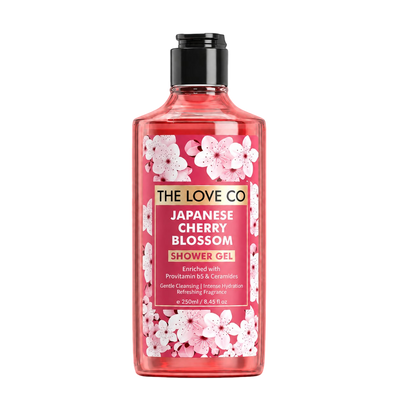
Japanese Cherry Blossom Shower Gel
Scent Trail Step 1 · soft floral body wash Start the Scent Trail here. A pH 5.5, SLS-free cleanser that protects your skin barrier while it washes —...
A ritual is the smallest love you give yourself, daily.
— Hemang Jain · 04 May 2026