By Hemang Jain · Reviewed by Dr. Tanvi Sehgal, MD · Last updated: 2026-05-02
What this means for you
Check the back-of-pack ingredients list for 'sodium lauryl sulfate' or 'sodium laureth sulfate' in the top five — if either appears, the formula is built around a known irritant.
Most body washes sold in India contain sodium lauryl sulphate (SLS). It is the ingredient that creates that dense, satisfying lather. It is also the ingredient most likely to be stripping your skin barrier every morning — silently, slowly, and in a way that shows up as tightness, dryness, and sensitivity you might have attributed to the weather, the season, or "just your skin type."
This guide explains what SLS is, what it does, why it matters specifically for Indian skin, and what to look for when switching to an SLS-free body wash.
What is SLS?
Sodium lauryl sulphate is a synthetic surfactant — a detergent molecule that binds to both water and oil, allowing it to lift dirt and oil from skin and rinse it away with water.
What this means for you
Check the back-of-pack ingredients list for 'sodium lauryl sulfate' or 'sodium laureth sulfate' in the top five — if either appears, the formula is built around a known irritant.
It is effective. It is also very good at what it does — which is the problem. SLS is not selective. It removes dirt and sebum, but it also removes the skin's natural lipid barrier: the thin layer of oils, fatty acids, and ceramides that keep moisture in and irritants out.
SLS is also used in industrial cleaning products, engine degreasers, and toothpaste. The concentration used in personal care is far lower, but the mechanism is the same. It strips.
What SLS Does to Your Skin Barrier
Your skin's acid mantle sits at approximately pH 5.5. SLS-based cleansers have a pH between 9 and 11. Every wash shifts your skin's surface toward alkaline, disrupting the barrier that keeps it intact.
What this means for you
Check the back-of-pack ingredients list for 'sodium lauryl sulfate' or 'sodium laureth sulfate' in the top five — if either appears, the formula is built around a known irritant.
With daily use, this has cumulative effects:
For Indian skin, which typically deals with high humidity, heat, and UV exposure, a compromised barrier is especially problematic. Humid heat does not mean the skin is hydrated — it means the sweat and heat cycle stresses the barrier further.
What SLS-Free Body Washes Use Instead
The most common SLS alternatives in quality personal care formulations:
Cocamidopropyl betaine — derived from coconut oil, a mild amphoteric surfactant. Cleans effectively, is significantly gentler on the barrier, and is commonly used in baby washes. It has a lower irritancy profile than SLS by a wide margin.
Sodium cocoyl isethionate (SCI) — a gentle, skin-compatible surfactant that produces a soft, creamy lather. Used in many premium bath products. Leaves skin feeling softer, not stripped.
Decyl glucoside / Coco glucoside — plant-derived, biodegradable, very mild. Often used in formulations marketed for sensitive skin. Lower lathering but highly gentle.
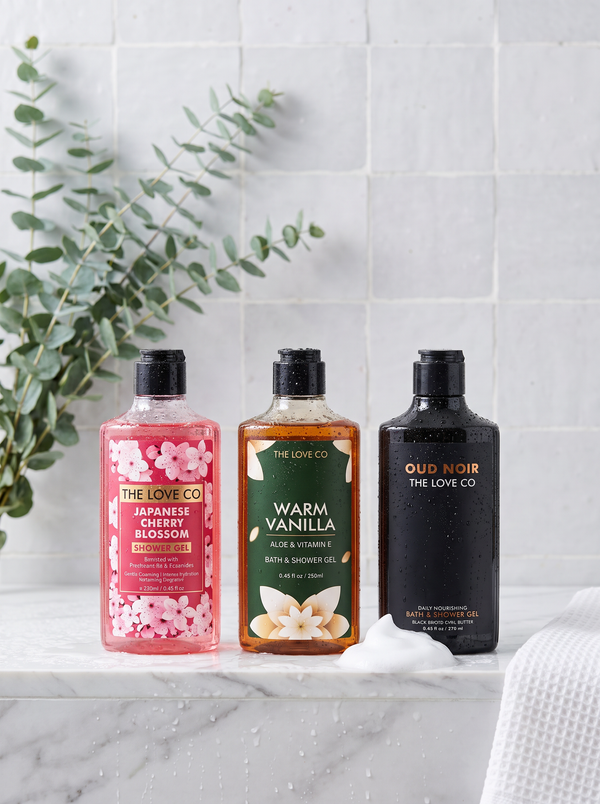
At The Love Co, our body washes use cocamidopropyl betaine as the primary surfactant, blended with conditioning agents that leave a moisture film on skin rather than stripping it. The result: skin that feels clean, soft, and fragrance-ready — not tight.
pH Balance: The Other Half of the Equation
SLS-free is important. pH-balance is equally important — and the two are related.
A pH-balanced body wash (typically formulated at 5.0–5.5) stays close to the skin's natural pH. This means the acid mantle is not disrupted, the barrier stays intact, and the skin can return to its normal state faster after washing.
An SLS-free body wash formulated at pH 9 is still doing damage, just less efficiently. The ideal combination is SLS-free and pH-balanced — which is how all TLC body washes are made.
How to Identify SLS in Your Current Body Wash
Read the ingredient list (INCI list) on the back of your current body wash. SLS appears as:
Any of these in the first five ingredients means the product is sulphate-heavy.
What the Switch Feels Like
The first thing most people notice when switching to an SLS-free body wash is that the lather is different — softer, less voluminous, more like a cream or mousse than a foam. This is not a problem. Lather does not clean. Surfactancy cleans. The lather is a texture experience; the cleaning happens at the molecular level.
Within one to two weeks of consistent use, most people notice:
How SLS Damages the Acid Mantle (The Deep Mechanism)
To understand why SLS-free matters, you have to understand what the acid mantle actually is — and what happens at the molecular level when SLS meets it.
The acid mantle is a thin, slightly acidic film of sebum, sweat, fatty acids, and amino acids that coats the outermost layer of your skin (the stratum corneum). Sitting at pH 4.7–5.5, it does three jobs at once: it inhibits the growth of pathogenic bacteria (which prefer neutral or alkaline environments), it keeps lipid-binding enzymes active so ceramides can be produced and recycled, and it provides the chemical conditions for the corneocytes — your skin's barrier cells — to stay tightly bonded.
SLS works by being amphiphilic: one end of the molecule is attracted to water, the other to oil. When it lands on skin, it does not just bind to surface dirt. It binds to the lipids in your acid mantle and the keratin in your barrier cells. Both get lifted off. Studies using transepidermal water loss (TEWL) measurements have shown a single 10-minute exposure to a 2% SLS solution can elevate TEWL for up to 72 hours afterward — meaning the barrier stays leaky for three days from one wash.
Repeated daily exposure compounds the damage. The skin tries to rebuild ceramides and fatty acids, but the rebuild cycle takes 14–21 days. Wash with SLS every morning and the barrier never catches up. The result is a chronic low-grade barrier deficit that shows up as tightness, micro-flaking, fragrance reactivity, and stubborn dryness no moisturiser fully resolves.
This is the deeper version of what we covered in our explainer on what SLS actually is. The pH side of the story — why a pH 9 cleanser locks the damage in — is unpacked in our pH-balanced body wash guide. Reading the two together gives you the full mechanism. The takeaway: SLS does not just clean aggressively. It interrupts the barrier's repair cycle. That is the reason an SLS-free, pH-balanced base is the actual baseline for daily use — not a premium feature.
SLS-Free Body Wash for Specific Skin Concerns
SLS-free is the foundation, but the right SLS-free formulation depends on what your skin is dealing with. Three common Indian skin concerns, three different formulation priorities.
Dry skin. If your skin feels tight or itchy after showering, the issue is almost always lipid loss combined with low humectant load. An SLS-free wash with cocamidopropyl betaine as the primary surfactant, plus added glycerin, shea butter, or oat extract, replaces what the wash takes out. Look for a creamy, milky texture rather than a clear gel — the visual cue tracks well with the conditioning load. Our deep-dive on body wash for dry Indian skin covers ingredient-by-ingredient what to look for, including why coconut oil derivatives behave differently from straight coconut oil on dehydrated skin.
Sensitive skin. Sensitivity is usually a barrier problem in disguise. The fix is not to switch to a fragrance-free wash and hope — most fragrance reactivity in Indian users is downstream of SLS-driven barrier weakness, not the fragrance itself. An SLS-free wash with decyl glucoside or coco glucoside (the gentlest surfactant class), no SLES, no methylisothiazolinone (a common preservative that is a known sensitiser), and a low fragrance concentration is the right starting point. Our guide to body wash for sensitive skin walks through the full label-reading checklist.
Acne-prone skin. Counter-intuitive but important: harsh sulphate cleansers make body acne worse, not better. Stripping the barrier triggers compensatory sebum production and disrupts the skin microbiome that keeps C. acnes in check. An SLS-free, pH-balanced wash with low-concentration salicylic acid (0.5–2%) cleans pores without the rebound oiliness. Avoid washes that combine SLS with salicylic acid — common in Indian "anti-acne" body washes — the combination is more irritating than either ingredient alone.
Adding Actives — AHA / BHA Combinations With an SLS-Free Base
The single biggest formulation upgrade in body care over the last five years is the move from passive cleansing to active cleansing — washes that exfoliate, brighten, or treat congestion while they cleanse. Done right, this is genuinely useful. Done wrong, on an SLS base, it is a fast track to a damaged barrier.
The two active families that matter for body care are AHAs (alpha hydroxy acids — lactic acid, glycolic acid, mandelic acid) and BHAs (beta hydroxy acids — almost always salicylic acid). AHAs work on the surface to dissolve the bonds between dead corneocytes, smoothing texture and brightening tone. BHAs are oil-soluble, so they penetrate into pores and clear out sebum-heavy congestion — the reason salicylic acid is the gold standard for body acne, keratosis pilaris, and bacne.
The mechanism only works if the base does not undermine it. An SLS-based wash is already pulling lipids off the skin; adding a 2% glycolic acid on top of that is barrier overload. The skin reads the combination as injury and responds with inflammation, post-inflammatory hyperpigmentation, and a temporary increase in oil production. This is why so many Indian users tell us they "tried glycolic acid body wash and it broke me out worse." The acid was not the problem. The base was.
An SLS-free wash with cocamidopropyl betaine or sodium cocoyl isethionate as the surfactant, formulated at pH 4.0–5.0, holds AHAs in their active form (acids only work below pH 4.5) without disrupting the barrier. The result is genuine, gradual exfoliation without the inflammation cycle. Our full guide to AHA body wash for Indian skin covers the percentages, the layering rules with sun exposure, and which TLC formulations carry which actives. Short version: actives belong on a kind base, not a harsh one.
How to Transition Off Your Current Body Wash (Week by Week)
Most people switch body wash on a Monday and expect glowing skin by Friday. The reality is that the barrier is rebuilding from a deficit, and the rebuild has stages. Here is the protocol we recommend to TLC customers making the switch from a sulphate-heavy wash.
Week 1 — Stop the damage. Replace your current body wash with an SLS-free, pH-balanced formulation. Use it once a day, in the evening, with lukewarm (not hot) water. Avoid loofahs and rough washcloths for these seven days — your hands are enough. You will likely notice the lather is softer than you are used to. That is correct. Do not double-wash to compensate.
Expect to feel: skin may feel slightly "less squeaky-clean" than before. This is the absence of stripping, not poor cleansing. Some users notice a transient increase in oiliness around day 3–5 as the skin's overcompensating sebum production normalises. This passes.
Week 2 — Layer in moisture. Continue daily SLS-free washing. Add a moisturiser within three minutes of toweling off, while skin is still damp — this is when humectants like glycerin and hyaluronic acid pull water into the barrier most effectively. Continue avoiding hot water and physical exfoliation.
Expect to feel: tightness after showering should be measurably reduced. Skin starts to hold moisture longer between applications.
Week 3 — Reintroduce gentle exfoliation. If you previously used a body scrub or AHA wash, this is the week to bring it back — once or twice during the week, never daily. The barrier has now had two weeks of recovery; gentle exfoliation will accelerate cell turnover without triggering inflammation.
Expect to feel: skin tone evens out. Areas that were chronically dry (shins, elbows, upper back) should be noticeably softer.
Week 4 — Establish the maintenance routine. By week four, the acid mantle has had a full repair cycle. Skin should feel calm, soft, and fragrance-ready. Your maintenance routine is now: SLS-free wash daily, moisturiser daily, optional gentle exfoliation 1–2 times a week. Sensitivity to fragrance, if previously an issue, should be markedly reduced — many users find they can wear scents they previously could not tolerate.
If at any point during the four weeks the skin reacts (redness, itching, hives), it is almost always the previous barrier damage surfacing, not the new product. Reduce frequency to every other day for one week, then resume daily. If reaction persists, patch-test the new wash on the inner forearm to rule out genuine ingredient sensitivity.
How to Verify a Brand's SLS-Free Claim (The Consumer Skeptic Checklist)
"SLS-free" is now a marketing claim more often than it is a formulation decision. Some brands print it on the front of the bottle while sodium laureth sulphate (SLES — chemically a close cousin of SLS, with similar barrier effects) sits second on the ingredient list. Here is how to verify a claim before you buy.
Step 1 — Read the full INCI list, not the front label. Indian cosmetics regulations require ingredients to be listed in descending order of concentration. If you see any of the following in the first five ingredients, treat the SLS-free claim as a half-truth: sodium laureth sulphate, sodium lauryl sulphate, ammonium lauryl sulphate, ammonium laureth sulphate, sodium myreth sulphate, sodium lauryl sulfoacetate (SLSa is milder but still a sulphate). The cleanest formulations name cocamidopropyl betaine, sodium cocoyl isethionate, decyl glucoside, or coco glucoside as the primary surfactant.
Step 2 — Test the pH at home. Buy a strip of pH paper from any chemist (under Rs 100). Squeeze a 5-rupee-coin amount of body wash onto a clean plate, dip the strip, and read the colour. A genuine skin-friendly formulation reads between 4.5 and 5.5. Anything from 6.5 upward, regardless of marketing language, will disrupt the acid mantle. This single test cuts through more marketing copy than any ingredient analysis. Many brands that pass the SLS-free test fail the pH test.
Step 3 — Check for batch-level transparency. Premium body care brands publish certificates of analysis or list batch numbers tied to manufacturing dates and ingredient sources. If a brand cannot tell you when a product was made, where the surfactants were sourced, or whether the batch was tested for microbial load and pH, the SLS-free claim is unverifiable. Ask via customer service. The response time and depth of answer tell you what kind of formulation discipline sits behind the label.
Step 4 — Cross-check the price-formulation logic. Cocamidopropyl betaine costs roughly 4–6x more than SLS at industrial scale. Sodium cocoyl isethionate costs 8–10x more. A 250 ml body wash retailing at sub-Rs 200 with claims of "SLS-free, paraben-free, sulphate-free, with niacinamide and vitamin C" is mathematically improbable. Either the actives are at a token concentration, the surfactants are not what they claim, or both. Honest formulation costs money, and the price tag is itself a verification signal.
Step 5 — Look for dermatologist or third-party validation. Brand-paid celebrity endorsements are not validation. A clinical efficacy study, a dermatology partnership disclosed with the dermatologist's name and registration, or third-party accreditation (ECOCERT, COSMOS, in-vivo tested) signals a brand willing to be checked. At The Love Co, our formulations are developed in partnership with Dr. Tanvi Sehgal MD; the partnership is named, not implied.
Related concepts
- Sodium lauryl sulfate (SLS) — Anionic detergent prized for cheap foam; flagged by the EU Scientific Committee on Consumer Safety as an irritant above 2%.
- Coco-glucoside — Mild non-ionic surfactant from coconut fatty alcohol and glucose; biodegradable and pH-compatible with skin.
- Ceramide — Lipid molecule that holds skin cells together in the stratum corneum; depleted by harsh detergents.
- Patch test — Standard dermatological method to measure irritation potential of a topical ingredient under occlusion for 24–48 hours.
- Anionic surfactant — Surfactant class with a negatively charged head group; effective cleansers but typically more disruptive than non-ionics.
Frequently Asked Questions
Is SLS the same as SLES?
No, but close enough that the distinction rarely matters in practice. Sodium laureth sulphate (SLES) is sodium lauryl sulphate with an added ethoxylate group, which makes it slightly less irritating molecule-for-molecule. The barrier-stripping effect is similar; the alkalinity is similar. Brands often switch from SLS to SLES and call the result "sulphate-free" or "gentle" — it is neither. A genuinely barrier-friendly wash uses cocamidopropyl betaine, SCI, or glucosides as the primary surfactant. See our SLS deep-dive for the chemistry.
Will an SLS-free body wash clean as well as my current one?
Yes. Cleaning happens at the molecular level — surfactant binds to oil and dirt, water rinses it away. Lather is the visual byproduct, not the cleaning agent. SLS-free formulations lather less but clean equivalently. The "squeaky-clean" feeling that sulphate users miss is not cleanliness; it is the sound of stripped lipids.
Can I use an SLS-free body wash on my face?
Most TLC body washes are formulated for the body, where skin is thicker and the surfactant load is calibrated accordingly. The face has thinner skin and different sebum dynamics — a dedicated facial cleanser is still the right tool. That said, SLS-free body wash is dramatically gentler on facial skin in a pinch than an SLS-based one would be.
How long before I see results from switching?
Tightness reduction within 7–10 days. Visible texture improvement at 3–4 weeks. Full barrier rebuild — including reduced fragrance reactivity and stable hydration — at 6–8 weeks. The four-week protocol above is the minimum window; the deeper benefits compound over months.
Are sulphate-free shampoos the same idea?
Same principle, different application. Hair fibre and scalp barrier respond to sulphates the way skin does — strip first, dry-feeling later, compensatory oil production within days. The ingredient transition is identical, though hair care has its own additional considerations (silicone load, scalp microbiome, water hardness). A separate guide for that conversation.
The Bottom Line
SLS-free is not a marketing claim. It is a formulation decision that reflects what the product prioritises: a clean, stripped feeling, or skin that is clean, intact, and ready to hold moisture and fragrance.
For Indian skin — dealing daily with heat, UV, hard water in most cities, and the cumulative stress of all three — SLS-free is not optional luxury. It is the baseline for a body wash that actually cares for your skin rather than just cleaning it.
The Love Co body washes are SLS-free, SLES-free, paraben-free, and pH-balanced at 5.5. Dermatologist-approved for daily use on Indian skin.
Medically Reviewed
Dr. Tanvi Sehgal, MD
Dermatologist · Indian skin formulation specialist · The Love Co clinical advisor
Dr. Tanvi reviews every TLC body care formulation for Indian skin types, climate compatibility, and pH stability. Verify credentials →
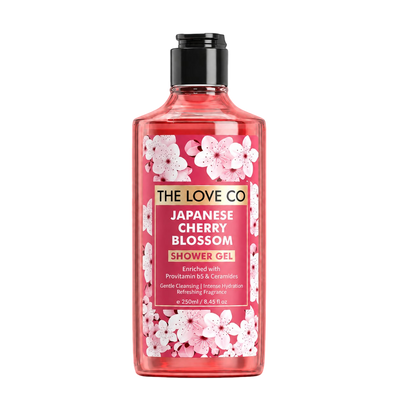
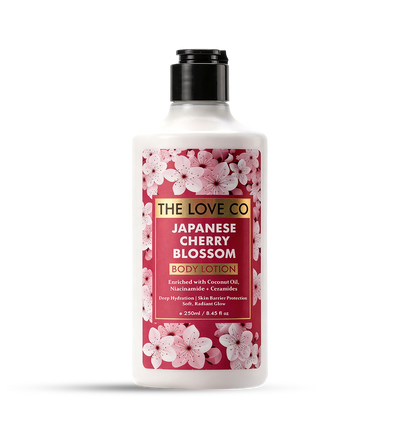
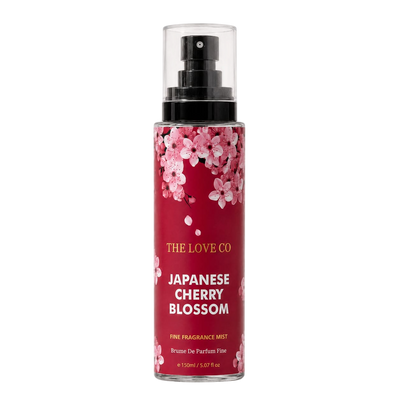
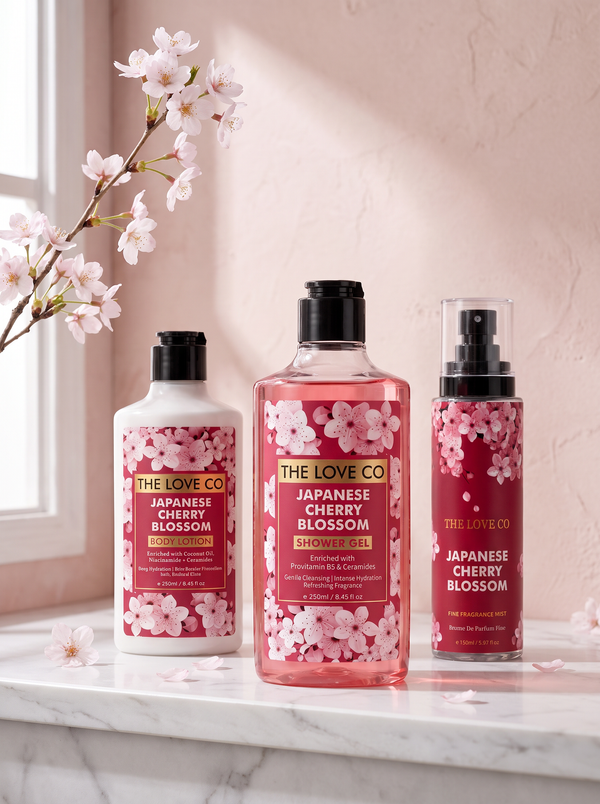
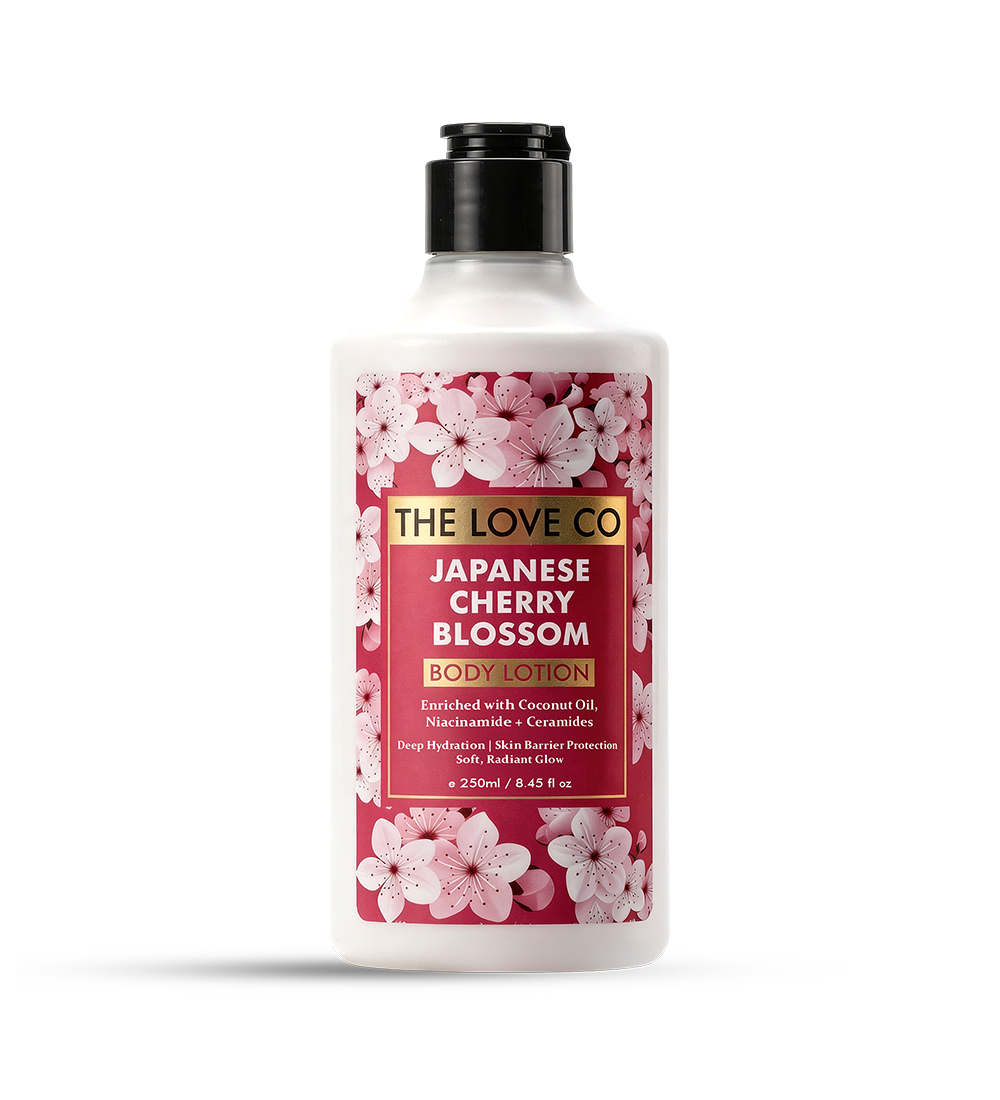
Japanese Cherry Blossom Shower Gel
Scent Trail Step 1 · soft floral body wash Start the Scent Trail here. A pH 5.5, SLS-free cleanser that protects your skin barrier while it washes —...
A ritual is the smallest love you give yourself, daily.
— Hemang Jain · 30 Apr 2026