


Introduction
Oily skin can be tough to deal with. You may see extra shine, blocked pores, and breakouts that are hard to predict. This skin type comes from having too much oil made by your overactive sebaceous glands. To manage this, you need a skin care routine that cuts down on excess oil but still keeps your skin barrier healthy. No matter if you have acne or just want to lower your sebum production, this guide will help you keep up with a good oily skin routine and have better skin.
Understanding Oily Skin: What You Need to Know
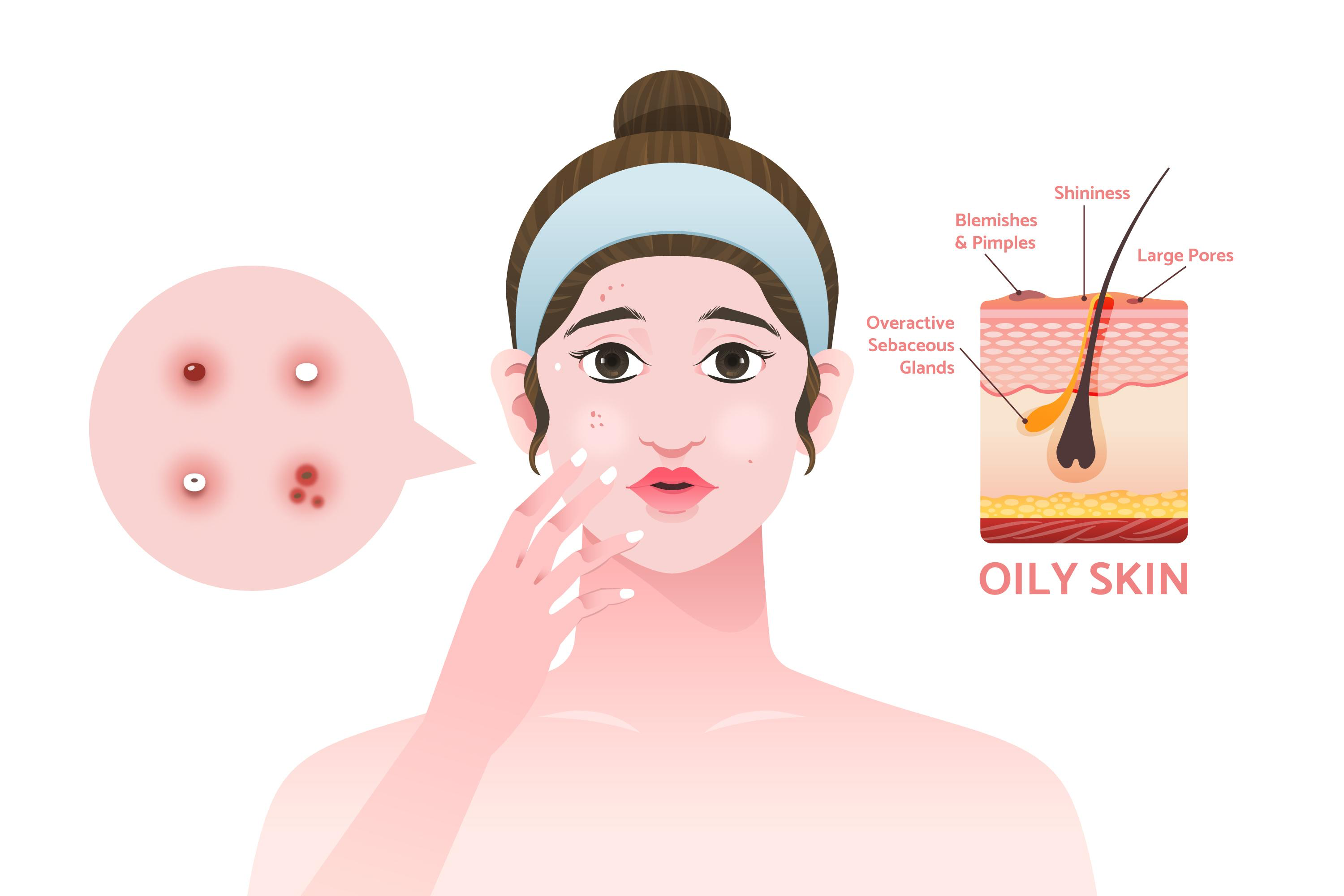
Oily skin happens when the sebaceous glands make too much oil. This oil, called sebum, helps to keep your skin moist. But when there is too much, your skin can look shiny and feel greasy. This can also cause your pores to get clogged and make you more likely to have acne breakouts. Understanding the main causes of oily skin can help you manage these effects.
Things like the environment, changes in your hormones, and your genetics can affect your sebaceous glands and the amount of oil they create. To have a good skincare routine, it is important to know what makes your oil production higher. This way, you can keep the right balance, take care of your skin’s natural barrier, and help your oily skin.
How to Identify If You Have Oily Skin
Finding your skin type begins when you look at visible things like your skin texture and how much oil is on your face. Oily skin will have a clear shine, especially in the T-zone. This is your forehead, nose, and chin. The extra grease can make your face get dirt and other things from the air more easily.
What are the best dos for managing oily skin?
To manage oily skin effectively, focus on cleansing twice daily with a gentle, oil-free cleanser. Use non-comedogenic moisturizers and sunscreens to prevent clogged pores. Incorporate clay masks weekly to absorb excess oil, and consider products containing salicylic acid or benzoyl peroxide for targeted treatment without over-drying.
Another thing you may notice is bigger pores. When there is too much sebum production, your pores stretch out near your cheeks, nose, and forehead. These pores can look quite big. If your pores get clogged often, you might have oily skin that needs special care to stop more blockages.
You can use a simple blotting test to check your skin type. Press blotting papers on different places on your face. If almost every sheet picks up lots of oil, then you have oily skin. However, if the sheets show only light oil stains, this indicates that you have normal skin. Seeing these signs will help you make a good plan for your skincare routine.
Beginner’s Guide to Oily Skin Care
Managing oily skin starts with choosing the right products. These products help control excess oil but do not remove the natural moisture your skin needs. It is important to use a skincare routine that includes our top tips made for your oily skin type. This routine should include a few main steps like cleaning your skin, using a good moisturizer, and protecting your skin.
Gentle cleansers with salicylic acid help to handle excess oil. These cleansers often come in foaming formulas. They refresh your face without making your skin feel sore or red. Light moisturizers and sunscreen are also key parts of the daily skincare routine for oily skin. If you keep using this easy routine, your skin can become more balanced and healthy, no matter what challenges oily skin brings.
Ingredients to Look for and Avoid
Knowing what to use and what to skip on oily skin helps you stop extra breakouts. The table below shows some key ingredients for good skin health:
|
Ingredients to Use |
Ingredients to Avoid |
|---|---|
|
Salicylic Acid – Cleans out pores and removes dead skin cells, being one of the powerhouse ingredients that help combat acne. |
Heavy oils – Makes pores blocked and increases sebum production. |
|
Niacinamide – Lowers sebum and helps protect the skin barrier. |
Alcohol – Hurts the skin barrier and dries out the skin. |
|
Benzoyl Peroxide – Helps fight acne and reduce inflammation. |
Fragrances – Bothers sensitive skin. |
Try to use skincare products with a lot of salicylic acid and niacinamide in them. At the same time, stay away from the harsh things mentioned above to help keep your skin barrier and skin microbiome balanced.
Step-by-Step Oily Skin Care Routine
A good skincare routine helps you get the best results for oily skin. First, cleanse your face with a gentle wash that won’t strip your skin of its natural oils. This takes away dirt and extra oil. Next, use a toner. This helps keep oil under control. After that, put on a light moisturizer. It will add water to your skin and help make the protective barrier strong.
End your skincare routine with sunscreen. This step is important because it protects your skin from UV rays. Follow these steps each day to keep your skin healthy and cut down on excess sebum. You can do this skincare routine in the morning or at night. Your daily regimen is what keeps your oily skin looking less shiny and helps you have healthy skin.
Step 1: Gentle Cleansing for Oily Skin
Cleansing is a key part of any skincare routine, especially for oily skin. You should use a gentle face wash with salicylic acid to break down oil and clean out the pores. This helps your skin look and feel better.
If you use strong cleansers, they can hurt the skin’s protective barrier. This can lead to excessive cleansing, making your skin dry and causing even more oil production. It is better to choose mild formulas. They balance the oil, are kind to your skin, and do not cause problems.
It’s best to wash your face with lukewarm water. Hot water can break the skin barrier, and cold water does not remove oil well. By being gentle, your skin can feel fresh, soft, and clean after washing.
Step 2: Choosing the Right Toner
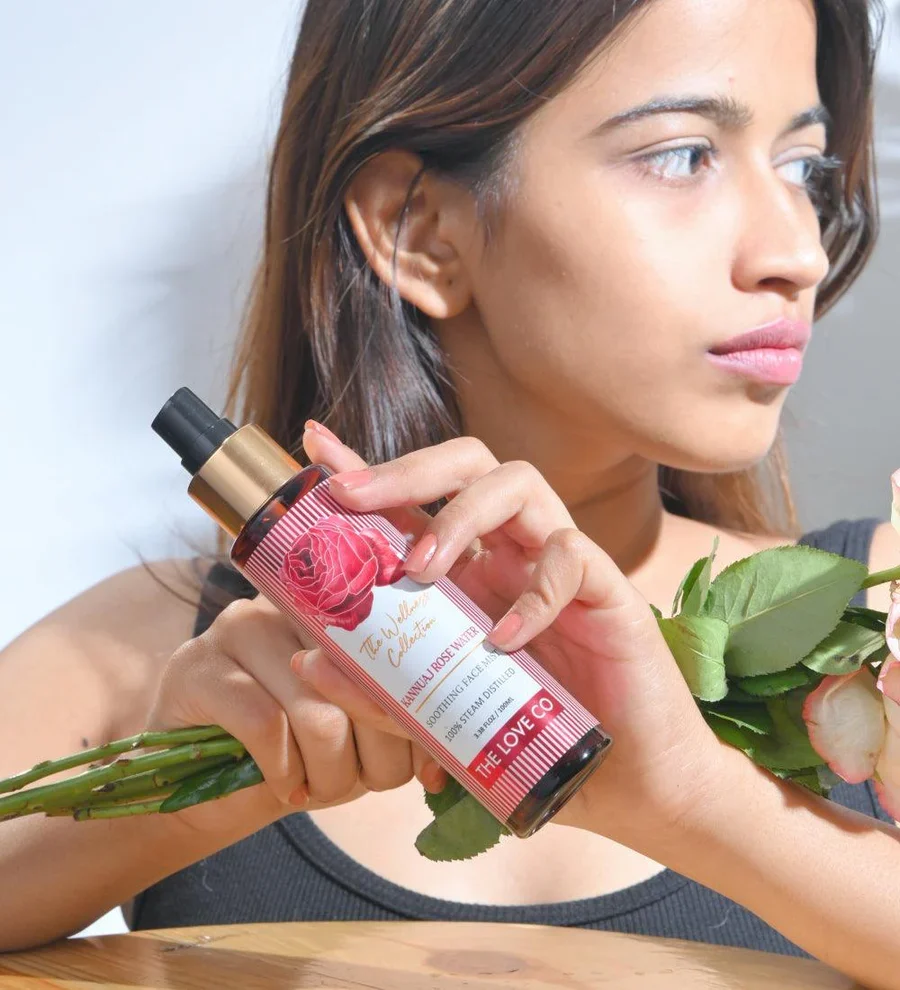
A toner made for oily skin helps keep things even. It makes your pores look smaller and helps your skin stay strong. Witch hazel and glycolic acid help calm the skin and make pores less noticeable. This makes your skin feel smoother.
Stay away from toners with alcohol, as they can dry your skin out too much. Go for a hydrating toner instead. It will hold good moisture in the skin, so your face does not make too much oil. Choose toners with natural oils for extra care.
Adding a toner to your daily routine after you clean your face helps it feel fresh. It also gets your skin ready to soak in other products like moisturizers.
Step 3: Lightweight Moisturizing
Hydration is important, even if you have oily skin or dry skin. You need to use a light moisturizer with hyaluronic acid. It helps to keep the skin in balance and stops excessive sebum production.
A gel-based formula works well for oily skin. It keeps your face feeling fresh. This type of product will not clog your pores like heavy creams can. It also builds a protective barrier, locking in moisture so your skin stays healthy and soft.
In the morning, use a moisturizer with SPF to protect your skin. At night, consider using a product like PM Facial Moisturizing Lotion that focuses just on giving back hydration. This helps your skin repair itself as you sleep.
Step 4: Sun Protection Without the Grease
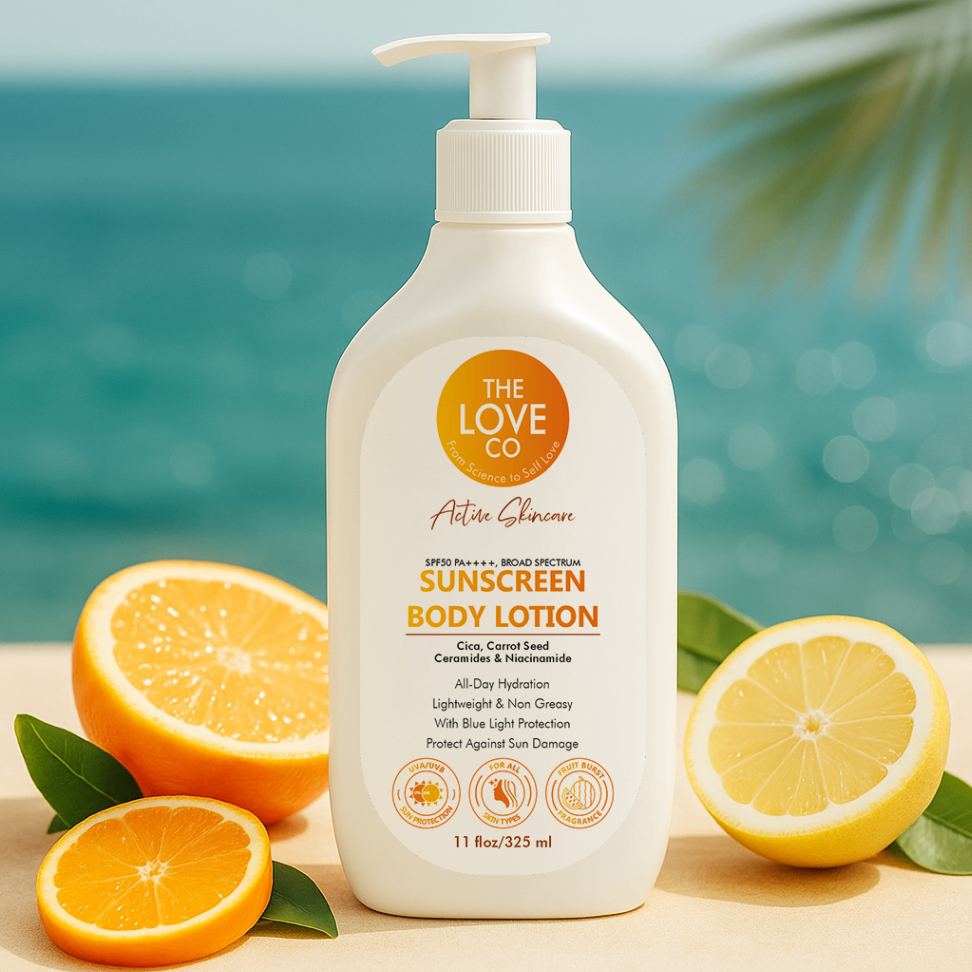
Sun protection should be a key part of every skincare routine. Sunscreens that feel light and have zinc oxide or titanium dioxide help block UV rays. They do this without making your skin feel greasy.
Do not skip sunscreen just because you have oily skin. Now there are new types of sunscreen that give a matte look. These do not leave you looking shiny like older SPF products. Adding sunscreen to your morning routine helps keep your skin healthy for a long time. It also cuts down on damage from the sun.
Choose sunscreens that are non-comedogenic if you have oily skin. These are made so they do not block pores. With this added layer, you get good protection against UV rays and other things outside that can harm your skin.
Conclusion
To sum up, taking care of oily skin needs the right mix of products and daily habits. When you know about the special problems that come with oily skin, you will be able to deal with breakouts, shine, and other things that show up. You should use gentle cleansers, the best toners, light moisturizers, and sun protection every day. This will help your skin stay healthy and even.
You need to keep up with your skincare routine if you want good results. Pay close attention to how your skin reacts to what you use. This will help you pick the right products for your skin type. If you need help or want tips just for you, please reach out. You can get started on a better skincare routine and move toward having great, healthy skin.
Frequently Asked Questions
Should I Skip Moisturizer If My Skin Is Oily?
No, you should not skip moisturizer, even if you have oily skin. Using a lightweight moisturizer keeps your skin from getting too dry. If your skin gets dry, it can lead to excessive sebum production. This makes your skin more oily. Keeping your skin barrier strong is good for healthy skin. It helps stop greasiness and stops your pores from getting clogged.
Can Diet Affect How Oily My Skin Gets?
Yes, what you eat can have an effect on oily skin. When you have too much sugar or eat a lot of processed foods, your body makes more oil. This can lead to more oily skin. There is a popular belief that if you eat foods that have lots of antioxidants, it can help your skin stay healthy. Having a good, healthy lifestyle is a way to lower excess oil on your skin. This leads to better oil production and less oily skin over time.
Are Face Oils Safe to Use on Oily Skin?
It depends on the skin care products and face oil that you use. Some products are like the natural oils that the skin makes. These kinds of oils are usually non-comedogenic. They can help to balance the sebum levels in your skin. But there are some heavy oils that may clog your pores. This can also make acne breakouts worse, so you have to pick carefully based on your skin type.
How Often Should I Wash My Face If I Have Oily Skin?
Wash your face only two times a day—once in the morning and once in the evening. Washing too much can take away your skin’s natural oils. This hurts the skin’s protective barrier and can make oil production go up. Try to use gentle face washes with skin-friendly parts. These help to keep shine down and stop new blemishes from popping up.


