

Common Myths About Sunscreen and Acne
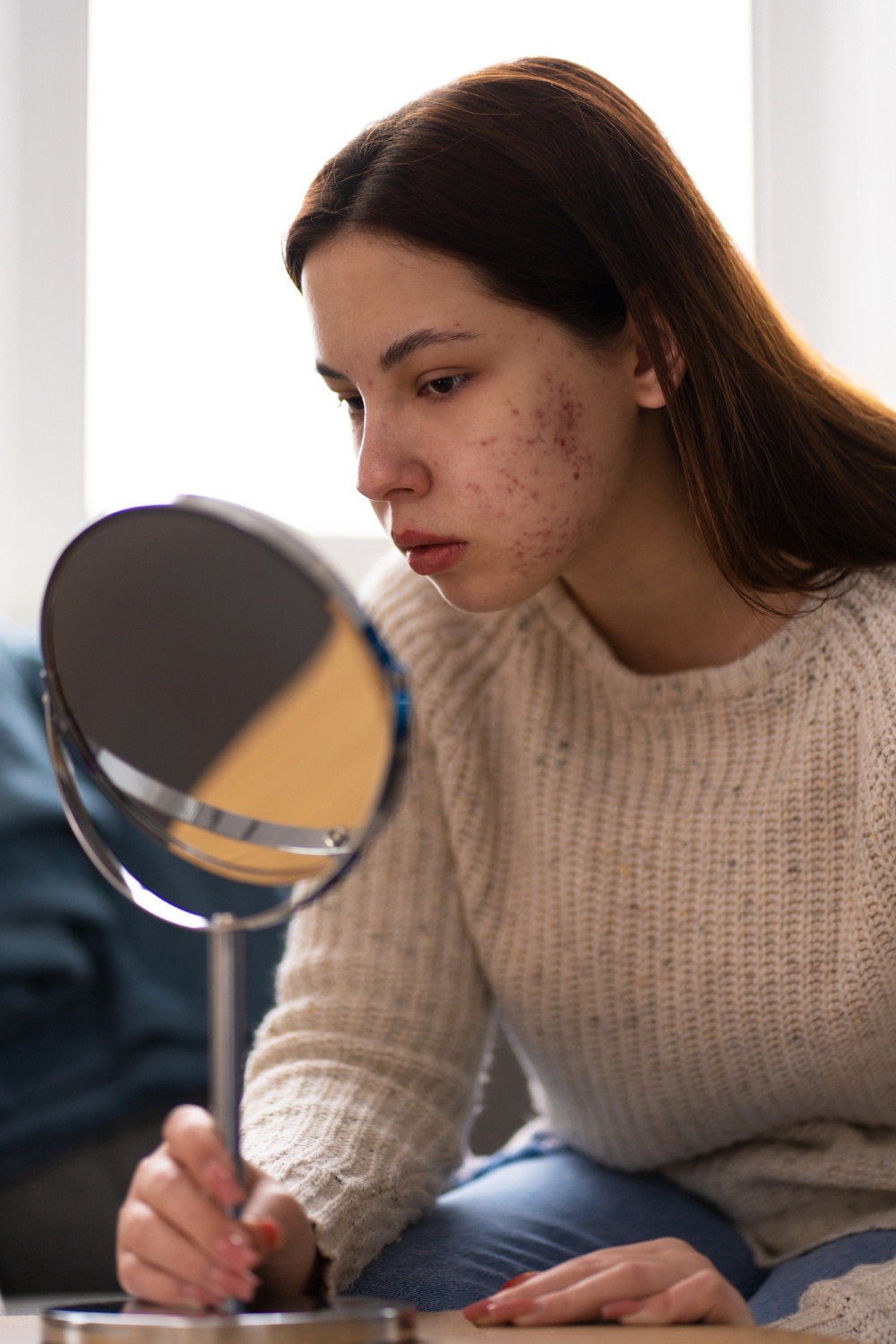
Many people still think that sunscreen causes acne, but this is not true for everyone. There is a common idea out there that sunscreen will always clog your pores, so you will get acne. Now, most modern sunscreens, like non-comedogenic ones, are made so that they do not block the pores and cause breakouts.
There is also a wrong belief that people with oily skin do not need to use sunscreen. This is not true. Sun damage can affect anyone, no matter what kind of skin they have. If you skip sunscreen, this could make problems from acne worse, like redness and scarring. In the next sections, we will talk more about these issues.
Does sunscreen always cause breakouts?
Many people worry that sunscreen may cause acne breakouts. But sunscreen itself is not always the problem. It is often the type of sunscreen product you use. Some sunscreens have ingredients that can block pores. When pores get blocked, this can lead to irritation and acne.
Individual skin sensitivities matter a lot, too. If you have sensitive skin, certain sunscreen ingredients might bring on redness or inflammation. You can lower this risk when you pick a sunscreen for sensitive skin.
How you use sunscreen is also important. Putting on too much or applying it over skin that was not cleaned well can cause problems. It can trap sweat and sebum, which might make acne worse. When you use a lightweight sunscreen that does not block pores, you can help keep your skin clear from breakouts while still getting the protection you need.
Is sunscreen unnecessary for oily or acne-prone skin?

Many people think that you don’t need sunscreen if you have oily or acne-prone skin, but this is not true. Sunscreen is very important for all skin types. Without proper sun protection, your acne scars can get darker from UV rays. When this happens, it makes the dark spots left by acne stick around for a longer time. More time in the sun can also cause irritation and make your skin dry. This can make your skin try to make more oil, and then you might see more breakouts.
If you skip sunscreen, your skin faces more harm over time. Problems like sunburn, early aging, and even skin cancer can show up because of too much sun exposure and not enough protection. The Skin Cancer Foundation says people should use sunscreen every day to lower these risks.
It is key to pick a sunscreen that’s oil-free and does not feel greasy, so it won’t block your pores. If you want to help with both sun protection and calming your skin, look for lightweight and non-heavy formulations with zinc oxide or niacinamide. These can help calm any inflammation while also giving a shield from harmful UV rays and controlling extra shine. Using sunscreen is not just a suggestion. It’s a must-do step for everyone—with acne, oily, or sensitive skin—to help stop skin damage and keep your skin looking and feeling its best.
Interaction of sunscreen ingredients with acne-prone skin
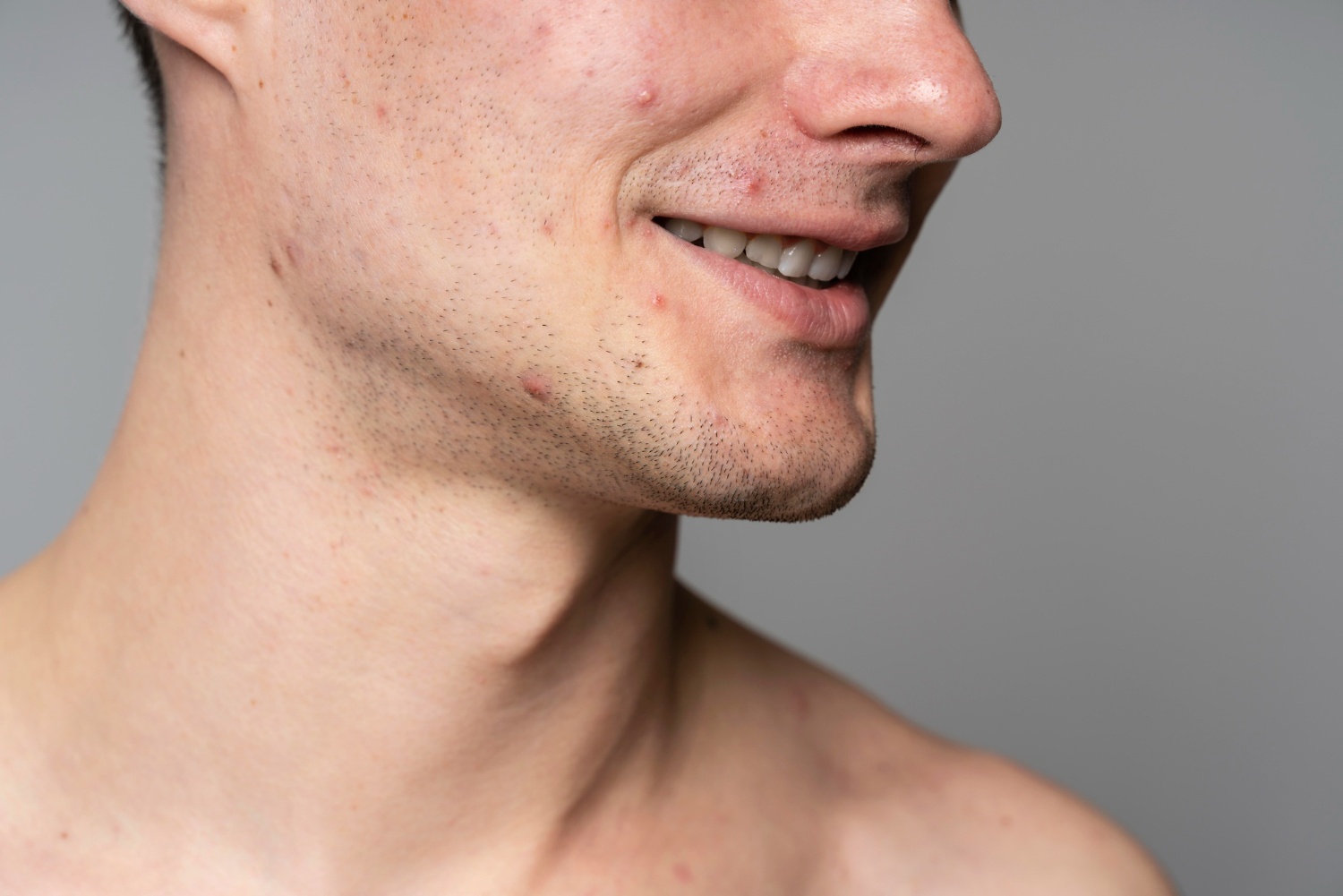
Sunscreen can make a big difference for people with acne. The ingredients in sunscreen can help or hurt skin problems. Some sunscreens have heavy oils or harsh preservatives. These things can clog your pores. When your pores get blocked, you may have more blackheads and pimples.
There are other sunscreens that do not clog pores. You can look for non-comedogenic sunscreen. This type often has ingredients that help control oil, like niacinamide or salicylic acid. These help lower oil production and reduce inflammation. These special formulations also cut down on irritation and support healthy skin.
Physical sunscreens are a good choice for those who have acne or sensitive skin. These use minerals like zinc oxide and titanium dioxide. Both zinc and titanium dioxide can calm redness and stop more irritation. The anti-inflammatory benefits help soothe the skin.
Picking the right sunscreen is important if you want to keep acne under control. You need to cover your skin from UV rays, but also take care of your pores, oil production, and redness. Using mineral-based sunscreen can help make your skin healthy.
Types of Sunscreens: Physical vs. Chemical
Sunscreens usually come in two types: physical and chemical. Physical sunscreens are also known as mineral sunscreens. These have zinc oxide or titanium dioxide as the main ingredients. They stay on top of your skin and block UV rays right away. This gives your skin quick protection.
Chemical sunscreens work in a different way. These take in UV rays and break them down using active filters like avobenzone or oxybenzone. People find them easy to put on because they are lightweight and spread well. The thing to note is that these might bother people with sensitive skin. Now, let’s look at which sunscreen is better if you have acne, and how to pick the best one for you.
Choosing the Right Sunscreen for Acne-Prone Skin in India
It can be hard to find the best sunscreen if you have acne and live in India. The weather here changes a lot, so you need to find what works best for your skin type. You should choose a sunscreen that is lightweight and non-comedogenic. This means it will not clog your pores. It should also give your skin broad-spectrum protection.
Try to pick a sunscreen with SPF 50 or higher. This is good for your skin when you face strong sun exposure in hot, tropical weather. You may want to go for sunscreens that come with ingredients like niacinamide or salicylic acid. These ingredients help keep your skin calm and protect it without making acne worse. Let’s look at some important things about sunscreen, skin type, formulations, and caring for your pores, so you can make the right choice.
Ingredients to avoid for sensitive or acne-prone skin
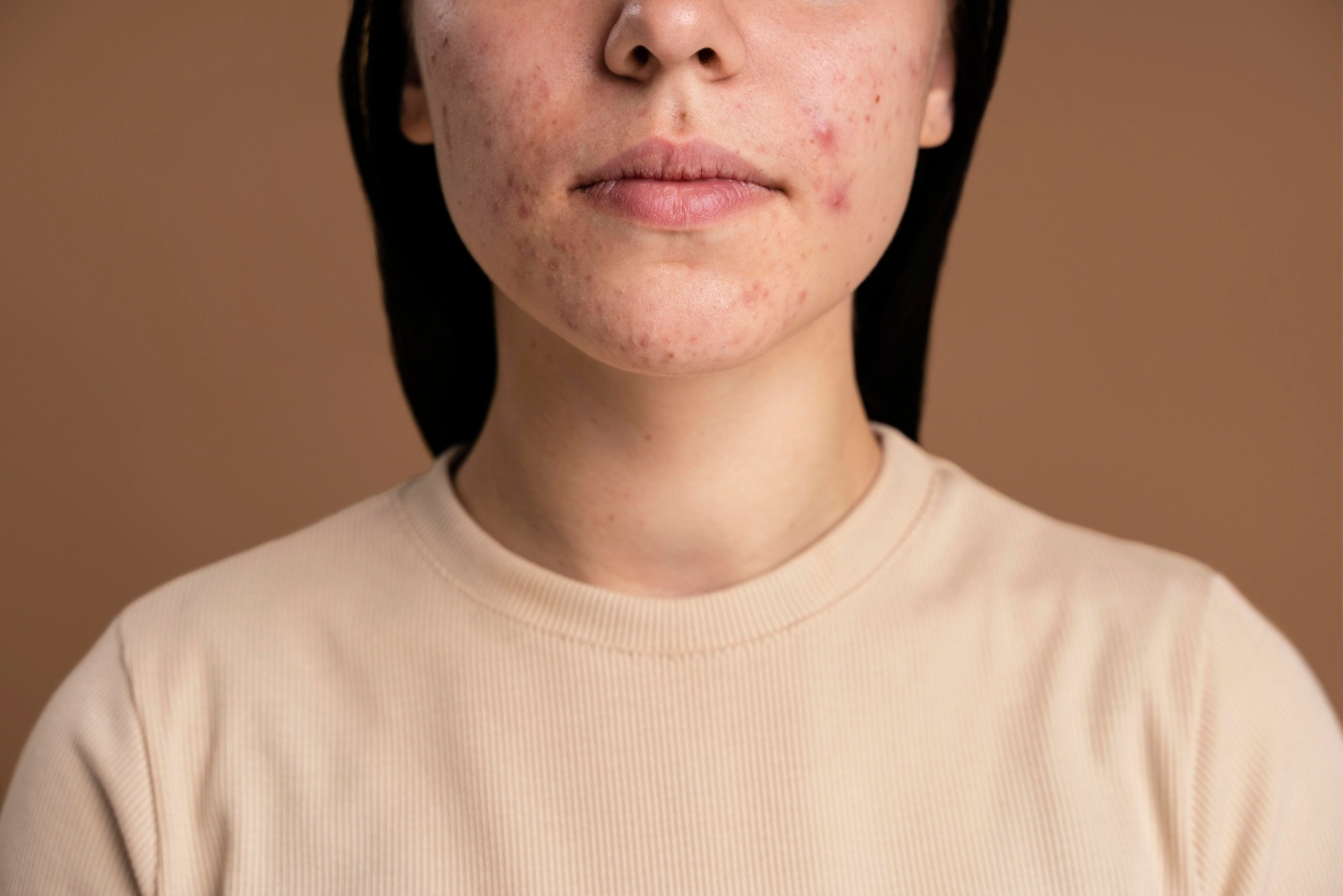
Avoiding things that block pores and cause irritation is very important if you have acne-prone skin. You should stay away from these:
-
Coconut oil and cocoa butter: These thick moisturizers trap sweat on the skin, which can make acne worse.
-
Mineral oil and silicones: These heavy ingredients sit on top of skin and block pores, which can lead to irritation.
-
Fragrance or dyes: These are added ingredients that can cause more inflammation and redness for people with sensitive skin.
-
Waterproof filters like methoxycinnamate: These are often in chemical sunscreens. They can make you sweat more and clog your pores even more.
Recommended formulations and brands available in India
The best sunscreen choices for Indian acne-prone skin have calming and lightweight formulations:
-
Niacinamide-based sunscreens: These calm the skin and help control oil. They are good for clearer and healthier skin.
-
Sunscreens with salicylic acid: These are great for dealing with acne and keeping your skin smooth.
-
Oil-free and non-greasy formulations: These work well in humid weather so you don't get too much shine on your face.
Popular brands you can look at:
-
Neutrogena UltraSheer Dry Touch SPF 50+: This is lightweight and will not clog your pores.
-
Re’equil Ultra Matte Dry Touch SPF 50: This sunscreen is made for acne-prone skin.
-
Cetaphil Sun SPF 50 Light Gel: This is perfect if you have sensitive skin.
-
The Love Co SPF 50 Sunscreen Lotion: Overall good product, clinically certified.
Frequently Asked Questions
Can using sunscreen worsen existing acne?
Sunscreen can make acne worse if it has things that clog pores. When this happens, you may get breakouts. It is good to pick the right sunscreen that is non-comedogenic and oil-free. These kinds of formulations can keep your skin safe. They do not bother your skin. The right sunscreen helps to strengthen the skin barrier and cut down on inflammation.
How can I prevent sunscreen from clogging my pores?
Use a lightweight sunscreen that does not clog pores. Choose one made for people with sensitive or acne-prone skin. This type of sunscreen helps protect your skin and is less likely to cause breakouts. Use a gentle cleanser as well. It can help to take off any sunscreen left on your face. It also helps prevent anything from blocking your pores. When you wash your face often with a mild cleanser, it keeps too much sebum from building up. This can help lower the chance of acne and skin irritation.
Should I skip moisturizer if I use sunscreen?
No, moisturizer works with sunscreen to help your skin. Sunscreen is there to protect your skin from UV rays. The moisturizer helps to keep moisture in your skin, so it will not get too dry or oily. When you use both moisturizer and sunscreen, you get healthy skin. You do not lose the UV protection, and your skin gets the moisture it needs.
Can tinted sunscreens cause more breakouts than regular ones?
Tinted sunscreens may bother some people that have sensitive skin because of the added colors. But some good tinted sunscreens are made not to clog your pores. These are great if you have acne and do not want new skin problems. If you pick the right tinted sunscreen, you get protection for your skin and a better look, all without breakouts.
How often should I reapply sunscreen if I have acne-prone skin?
Put on sunscreen again every 2-3 hours if you will be in the sun for a long day. When you have acne or worry about your pores, pick lightweight sunscreen formulations that will not block your skin. You also need to use sunscreen often when outside. This helps to keep the spf working and gives you good protection during sun exposure.


