





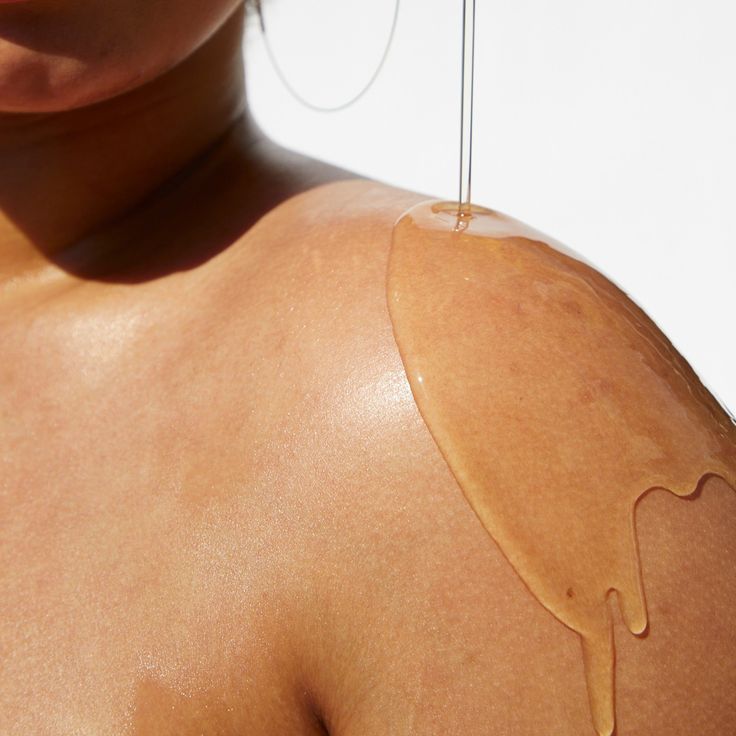
How to Use Body Oil: A Guide for All Skin Types
What Is Body Oil and Why Is It Essential for Skin Care?
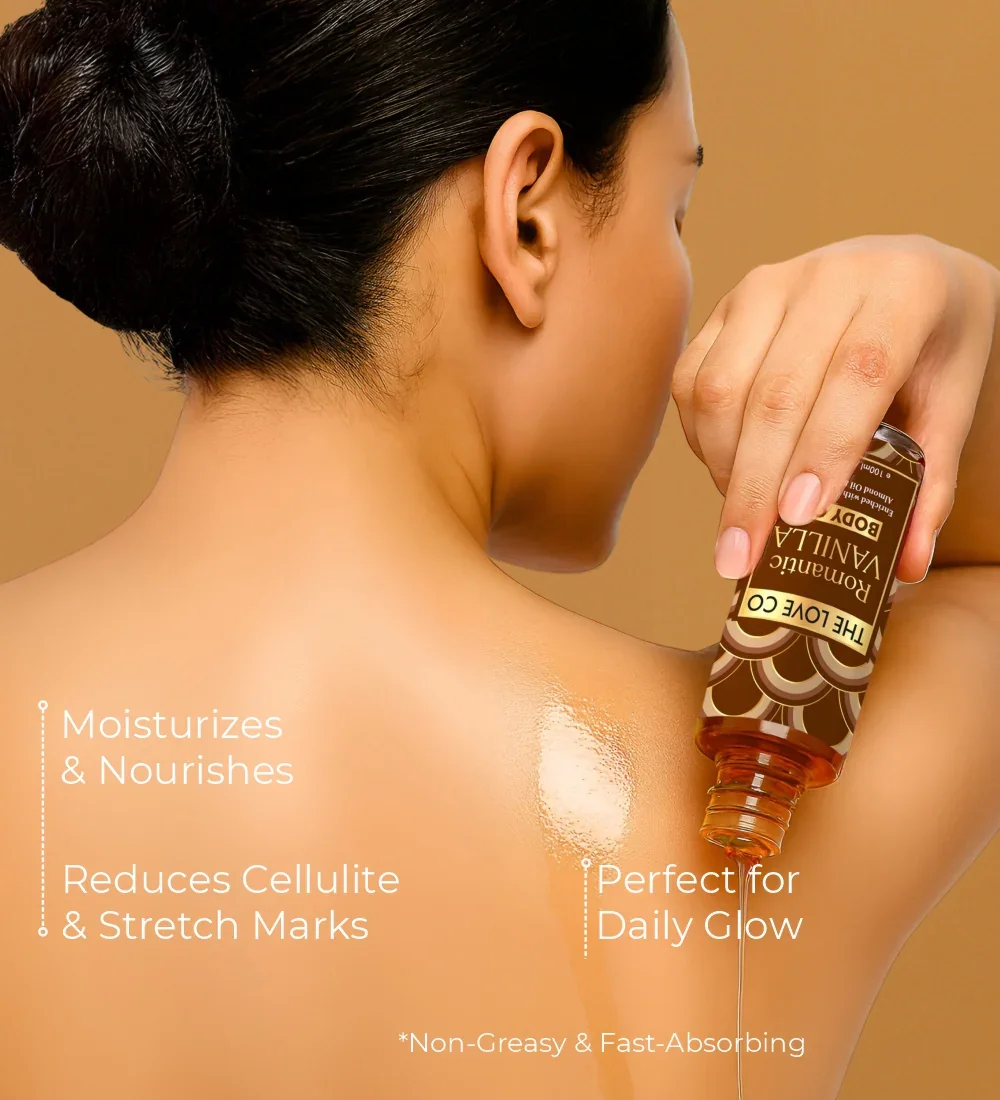
Body oil is a concentrated blend of nourishing oils designed to deliver deep hydration to your skin. Unlike water-based lotions, oils mimic your skin's natural lipids, allowing them to absorb readily and form a protective skin barrier that prevents moisture loss. This makes them a vital part of any skin care routine aimed at achieving radiant skin.
Packed with essential fatty acids, these oils are powerhouses for skin repairs. They work to improve skin elasticity, smooth the skin’s texture, and diminish the appearance of skin imperfections. Adding body oil to your body care routine is an effective step toward healthier, more resilient skin. This guide will explore how scented oils and key ingredients can transform your daily regimen.
Key Hydrating Ingredients to Look For in Body Oils
- Coconut Oil: Known for its intense moisturizing properties.
- Sweet Almond Oil: A gentle carrier oil that is great for most skin types.
- Jojoba Oil: Mimics the skin's natural sebum, making it easily absorbed.
- Argan Oil: Rich in fatty acids and perfect for dry skin.
How Vanilla Body Oil Enhances Skin Glow and Hydration
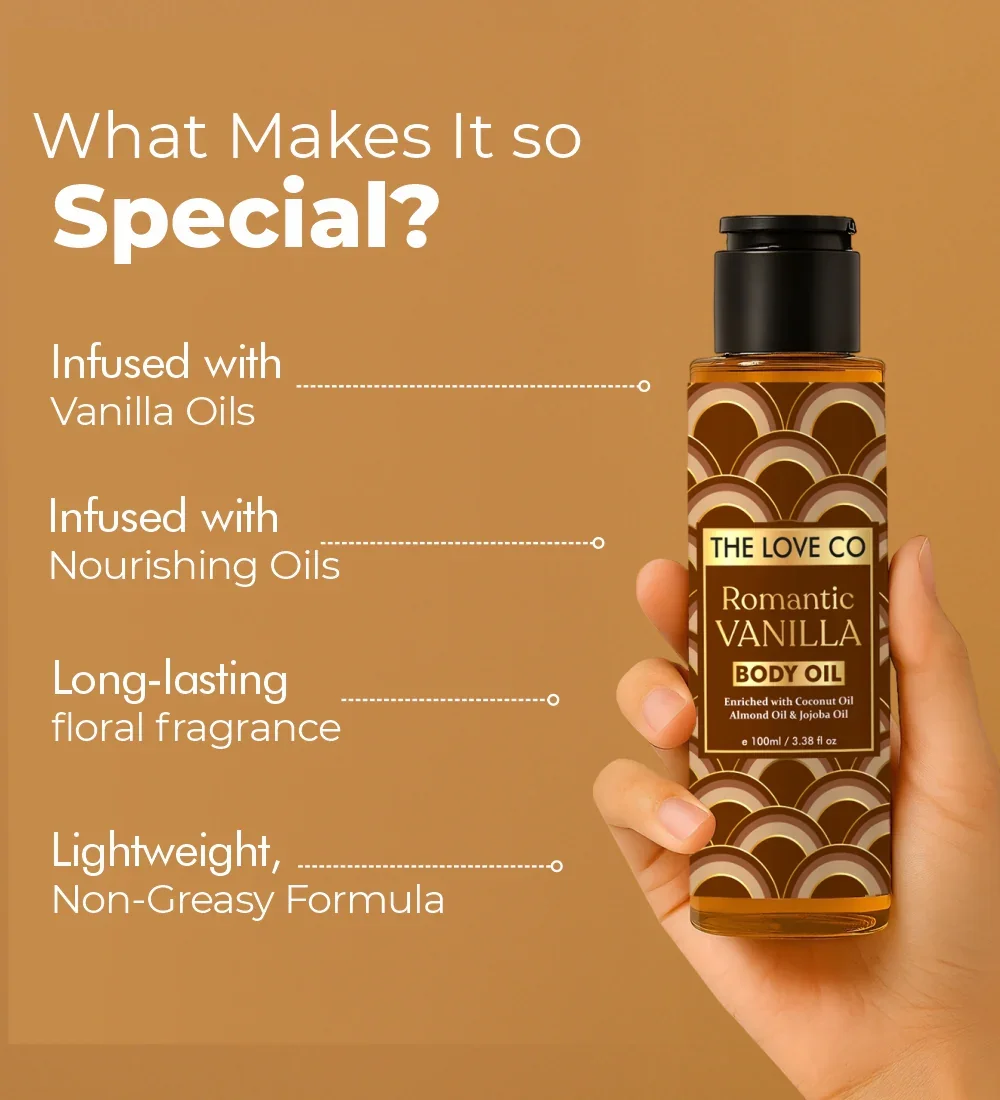
A vanilla vibes body oil does more than just smell incredible; it offers significant benefits for your skin's health and appearance. Vanilla is rich in antioxidants, which help protect your skin from damage caused by environmental stressors. This protection is key to maintaining a youthful, radiant glow.
Vanilla body oil helps with moisturizing and glowing skin by nourishing it from within. The natural oils in the blend provide deep hydration, which improves the skin’s texture and enhances skin elasticity over time. When your skin is well-hydrated, it naturally reflects light better, giving you that coveted healthy glow.
Step-by-Step Guide to Using Body Oil for Maximum Benefits
Are you ready to unlock the maximum benefits of your body oil? Proper application is key to ensuring your skin soaks up all the nourishing goodness. This simple step-by-step guide will show you how to incorporate body oil into your skin care routine for soft, glowing results, regardless of your skin type.
From prepping your skin to the best massage techniques, each step is designed to enhance absorption and elevate your body care experience. Following this process will help you achieve a healthy radiance and make the most of your chosen product.
Step 1: Cleanse and Prep Skin for Application
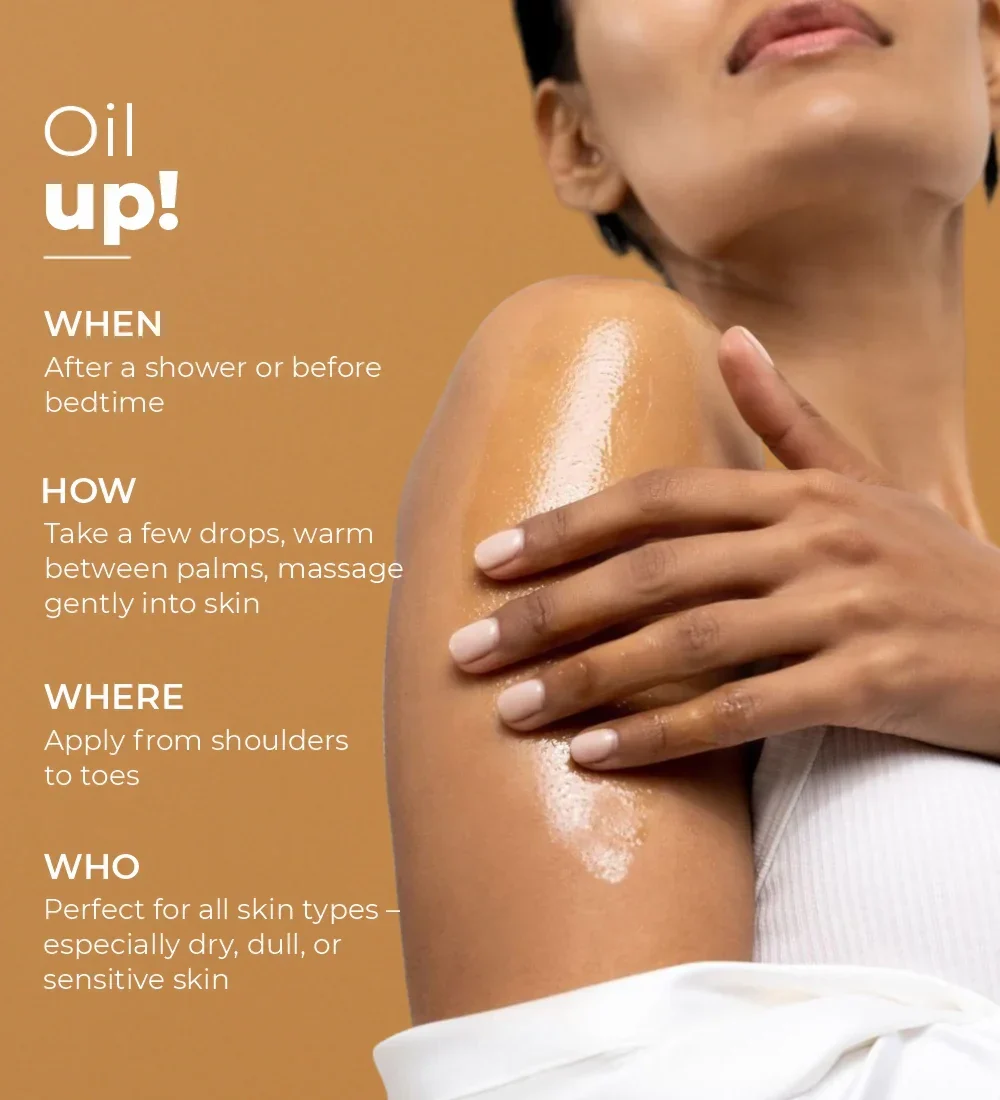
The first and most crucial step for applying body oil is to start with a clean slate. Taking a warm shower or bath helps open up your pores and removes any dirt, sweat, or impurities from your skin's surface. Use a gentle body wash to cleanse your skin without stripping it of its natural oils.
This cleansing step is vital for all skin types because it ensures the body oil can penetrate deeply without being blocked by surface debris. A clean canvas allows the nourishing ingredients to work more effectively, which is essential for repairing the skin barrier and achieving a healthy skin look.
To get the best results, pat your skin lightly with a towel after your shower, leaving it slightly damp. This moisture on your skin is the secret to locking in hydration. This simple prep is the best way to apply moisturizing body oil for maximum hydration, as the oil will seal in that water.
Step 2: Apply Body Oil—Techniques for Better Absorption
To maximize the body oil benefits, use gentle, circular motions to massage it into your skin. This technique not only feels relaxing but also stimulates blood circulation, which helps your skin look more radiant. Pay special attention to drier areas. Here are a few tips:
- Use upward strokes to promote circulation.
- Focus on dry spots like elbows, knees, and heels.
- Don't rush; allow the massage to be a mindful moment.
- Give the oil a few minutes to sink in before dressing.
Step 3: Layering with Lotion or Mist for Lasting Fragrance
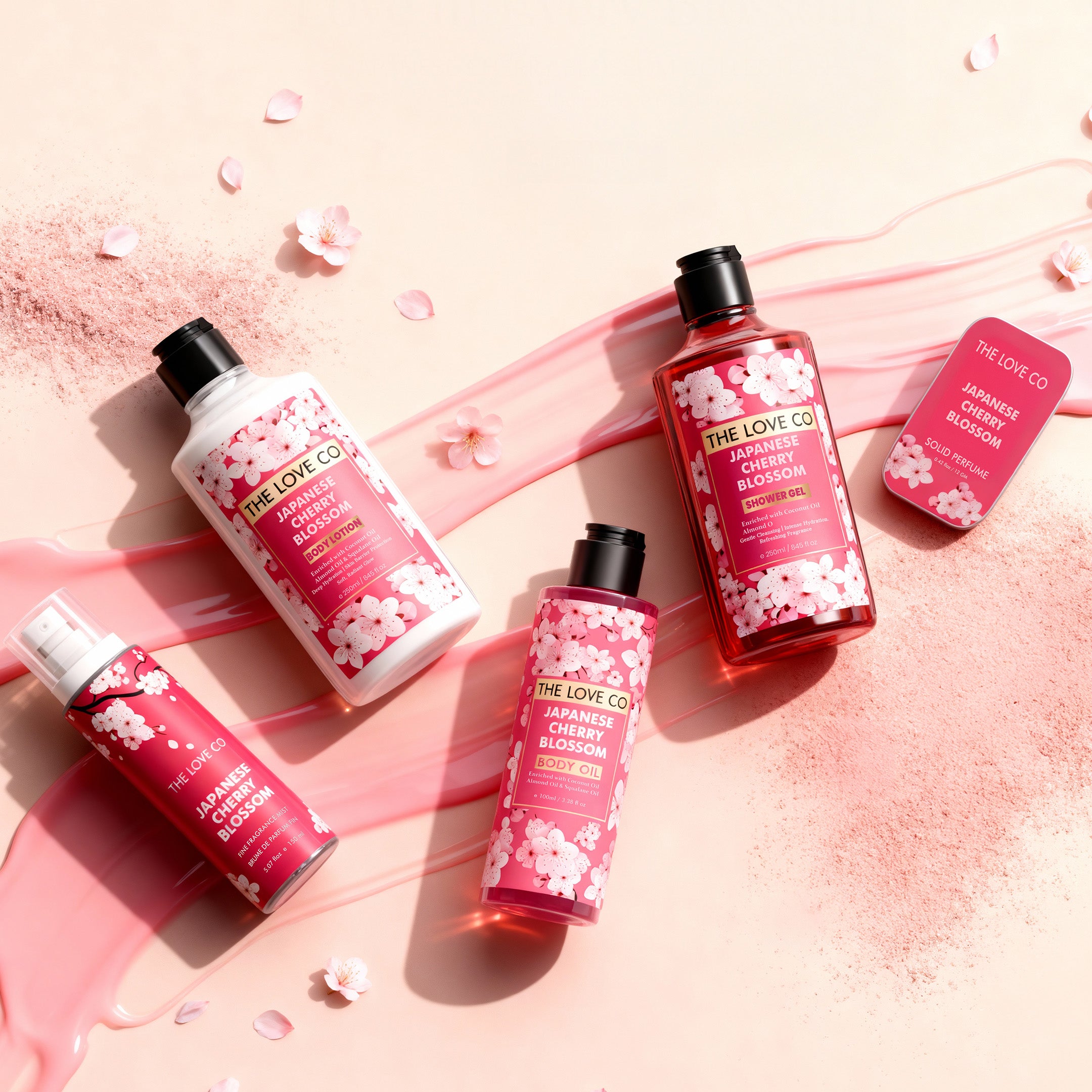
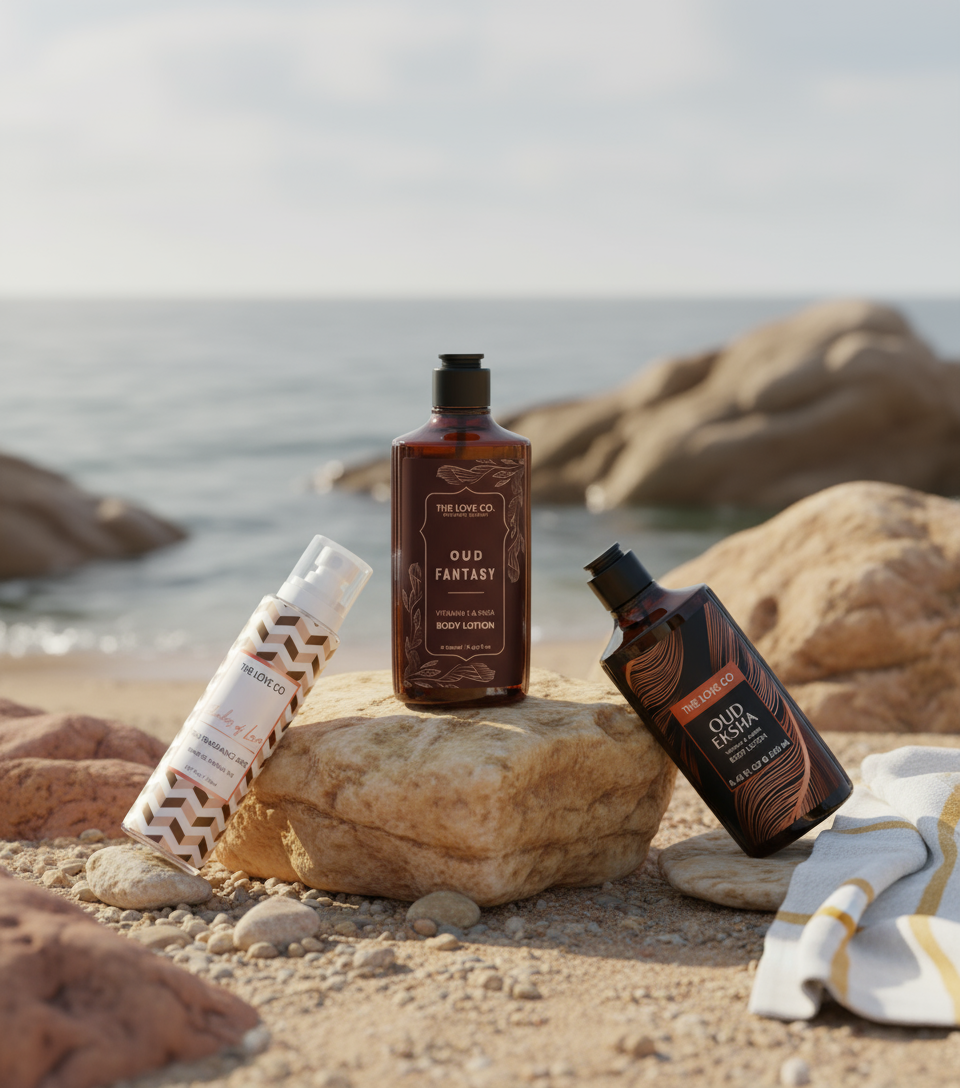
If you love a fragrance that lasts all day, layering your body products is a fantastic technique. You can easily combine your body oil with a matching body lotion or mist to enhance the scent and boost hydration. This step takes your body care routine to the next level.
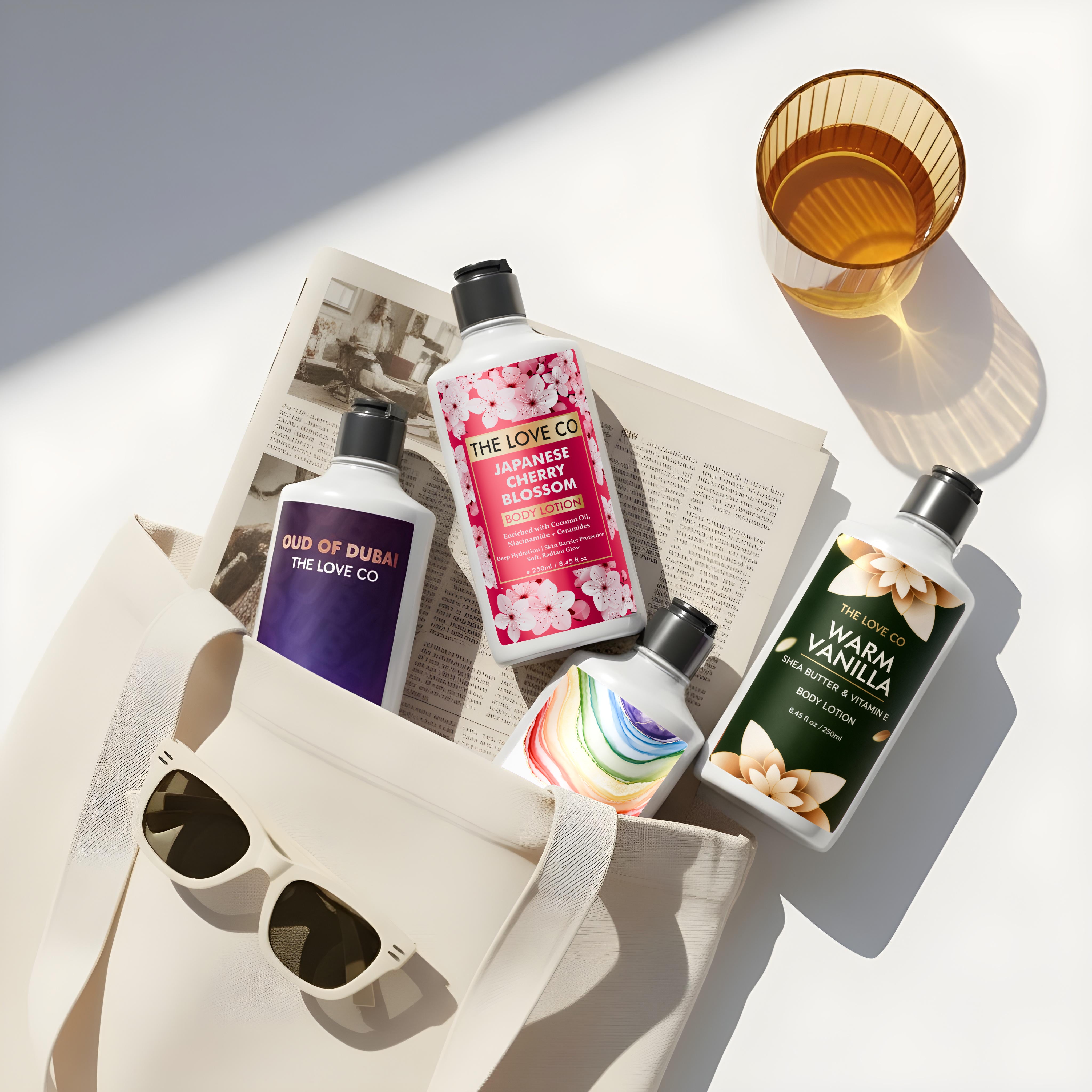
So, should you use body oil before or after lotion for the best results? The general rule is to apply body lotion first, then layer the body oil on top. Since lotions are water-based, applying them first delivers a dose of hydration. The oil then acts as a sealant, locking in the lotion’s moisture and strengthening the skin barrier.
The best time for this layering method is right after your shower as part of your daily use. Your skin is primed for absorption, and this combination will leave it feeling incredibly soft, smooth, and beautifully fragrant. It's a simple trick to get more out of your products.
Expert Tips for Incorporating Body Oil Into Your Routine
Ready to become a body oil pro? Beyond the basics of application, a few expert tips can help you get the maximum benefits from this amazing product. Integrating oil seamlessly into your body care routine is the key to unlocking a consistent, healthy glow and incredibly soft skin.
From how often you should apply it to making smart seasonal adjustments, these insights will help you customize your routine. Listen to your skin's needs, and you'll be on your way to achieving your best skin yet. Let's explore some pro-level advice.
How Often to Use Body Oil for Soft, Supple Skin
So, how often should you use moisturizing body oil to keep your skin soft and supple? For most people, daily use is the sweet spot. Applying body oil once a day, typically after a shower, provides consistent hydration that helps maintain your skin barrier and promotes a radiant skin look.
However, it's always important to listen to your skin. If you have very dry skin or live in a dry climate, you might benefit from applying oil twice a day. Conversely, if you have oilier skin or find daily use too heavy, you can adjust to every other day. Your skin will tell you what it needs to feel its best.
Addressing Common Concerns When Using Body Oil
It’s natural to have a few questions when adding a new product to your body care routine. Some common concerns about body oil include worries about a greasy residue or whether it’s suitable for all skin types. Fortunately, most of these issues are easily managed with the right technique and product choice.
By understanding how body oil works, you can avoid common pitfalls and enjoy all its benefits. Let’s address some of these concerns, so you can feel confident in your decision to embrace this nourishing skin care step.
Is It Safe to Use Body Oil on Damp Skin?
One of the most frequently asked questions is whether it's safe to use body oil on damp skin. The answer is a resounding yes! Not only is it safe, but it's also the most effective way to use body oil for better absorption and hydration. This technique is recommended by skincare experts for a reason.
When you apply oil to damp skin, you're trapping the water molecules on your skin's surface. The oil then creates a protective seal, preventing that moisture from evaporating and locking it into your skin barrier. This results in more effective, longer-lasting hydration compared to applying oil to completely dry skin.
Tips for Managing Excess Oil and Preventing Greasiness
-
Apply oil to damp skin to enhance absorption.
-
Start with a small amount—you can always add more.
-
Give the oil a few minutes to sink in before dressing.
-
If you're in a hurry, gently blot any excess oil with a clean towel.
-
Choose a lightweight formula if greasiness is a major concern.
Scented Body Oil Care: Aromatherapy and Relaxation Benefits
Using Body Oil as a Night-Time Self-Care Ritual
Transforming your body care routine into a night-time self-care ritual is a wonderful way to unwind after a long day. Applying body oil before bed provides a moment of quiet relaxation, allowing you to disconnect from daily stressors and connect with yourself. The gentle massage helps release tension from your muscles.
Your skin naturally undergoes a process of repair and regeneration while you sleep. Using a body oil at night supports these skin repairs by providing a concentrated dose of vitamins and fatty acids. This can help improve skin texture and reduce the appearance of fine lines over time, allowing you to wake up with softer, smoother skin.
Yes, using body oil as part of a daily routine, especially at night, is a fantastic way to get glowing skin. The extended time allows the oil to fully absorb without interruption, ensuring your skin gets the maximum nourishment. This nightly practice promotes both relaxation and rejuvenation.
Frequently Asked Questions
Can I use body oil daily for glowing skin?
Yes, you can use body oil daily for a healthy glow. Consistent use is key to achieving radiant skin. Integrating it into your daily body care routine helps keep your skin hydrated and nourished, making it suitable for most skin types. Just choose an oil that matches your skin's needs.
Should I apply body oil before or after lotion?
For the best results in your skin care routine, apply body lotion first, then layer body oil on top. The lotion provides hydration, and the oil seals that moisture in, strengthening the skin barrier. The best time for this is right after a shower when your skin is still slightly damp.
What ingredients make body oil best for natural hydration?
The best body oils for natural hydration are rich in natural ingredients like fatty acids, vitamin E, and beneficial carrier oils like jojoba or sweet almond oil. These components provide deep hydration and nourish the skin. Essential oils can be added for extra therapeutic benefits.
Read more
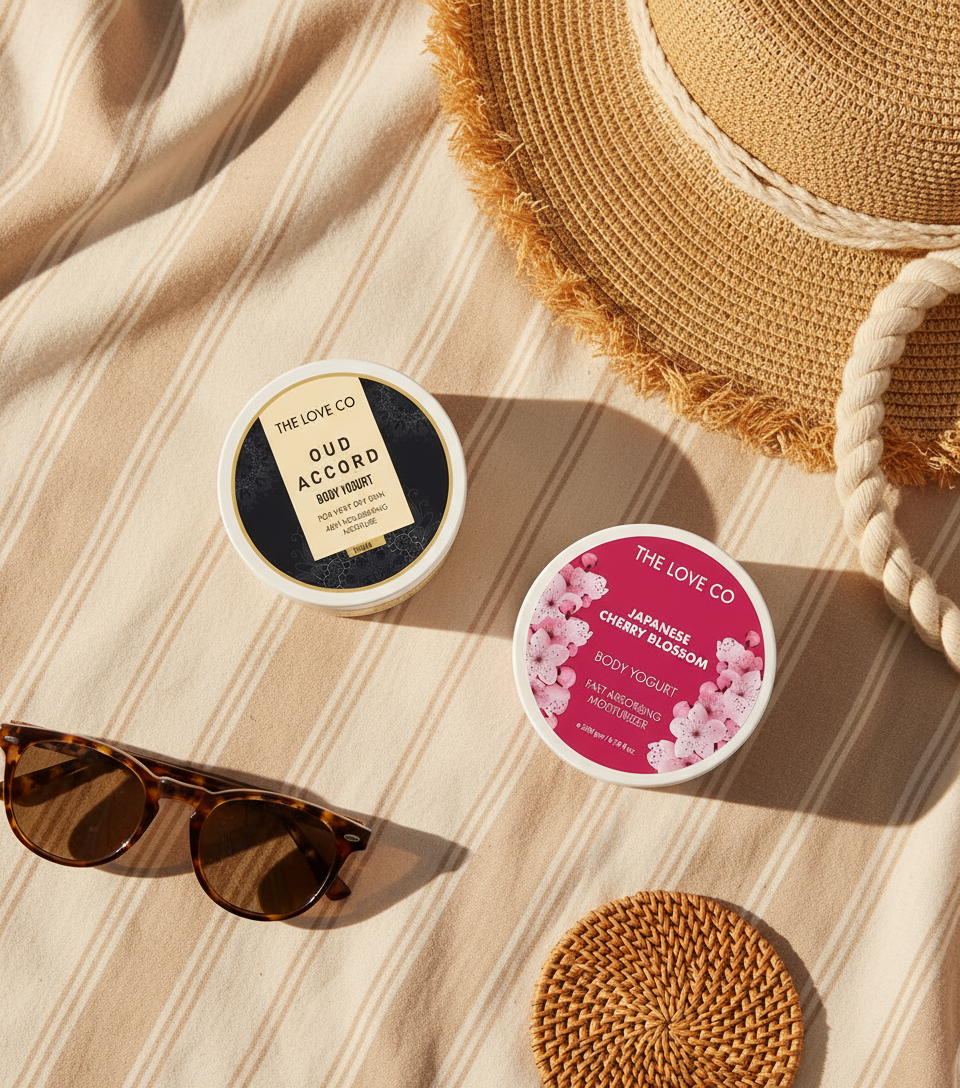
Nourish your skin with The Love Co’s luxurious body yogurt collection—lightweight, fast-absorbing moisture infused with signature scents for a radiant, all-over glow.

Maximize results, minimize routine—discover the next wave of bodycare with multi-tasking essentials for glowing skin and wellness in every step.
Leave a comment
All comments are moderated before being published.
This site is protected by hCaptcha and the hCaptcha Privacy Policy and Terms of Service apply.