












Perfume Families 101: A Beginner’s Guide to Scent Types
Understanding Perfume Families 101
Perfume families are the foundation of modern perfumery. Think of them as genres for scents, just like you have genres for music or movies. Each family groups fragrances based on their main fragrance notes and overall character.
These classifications help you understand why you might like certain perfumes and not others. By learning about the different notes that make up these families, from essential oils to synthetic compounds, you can start to pinpoint exactly what appeals to you. Let's explore what these families are and why they are so important.
What Are Perfume (Olfactive) Families and Why Do They Matter?
So, what exactly are olfactory families? The term "olfactive" simply relates to the sense of smell. These families are a classification system that groups perfumes based on their dominant scent characteristics. For example, a perfume that primarily smells of flowers like rose and jasmine belongs to the Floral family.
Understanding the different fragrance families is your secret weapon for finding a new perfume. When you know which types of scents you’re naturally drawn to, you can narrow down your search. If you love the smell of vanilla and warm spices, you’ll know to look within the Oriental/Amber family.
This knowledge empowers you to explore with confidence. Instead of smelling countless random bottles, you can ask for scents from a specific family, making the process of finding your signature fragrance much more enjoyable and effective. It helps you discover new favorites that align with what you already love.
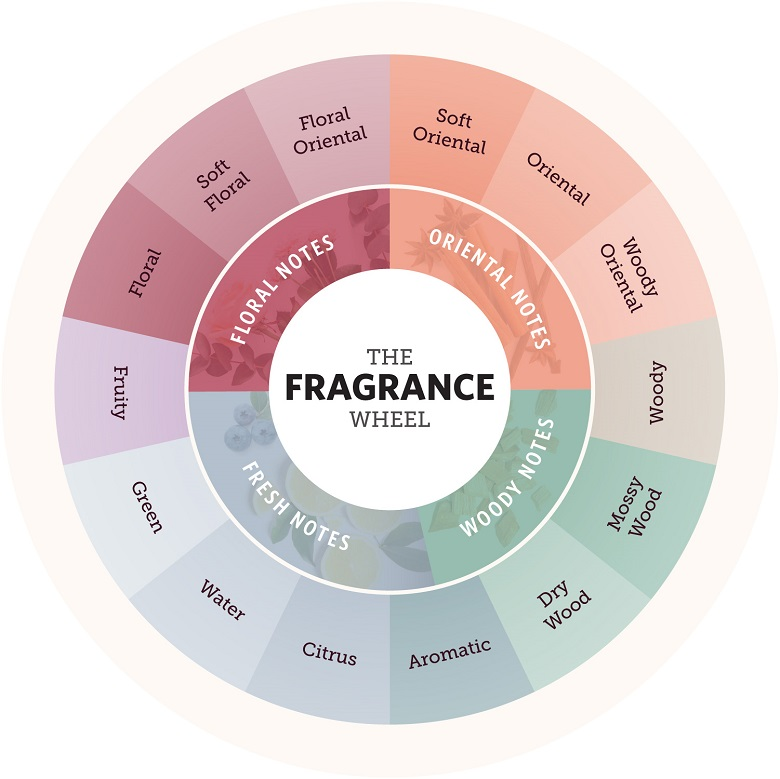
The Fragrance Wheel: How Scent Types Are Classified
- Floral
- Oriental/Amber
- Woody
- Fresh
Meet the Four Main Fragrance Families
Now that you understand the concept of fragrance families, let's get to know the stars of the show: the four main groups. These are the Floral family, the Woody family, the Oriental (or Amber) family, and the Fresh family. Each one has a distinct personality and evokes a different mood, from romantic and feminine to earthy and sophisticated.
Most perfumes you encounter will fall into one of these core categories or a blend of them. Getting familiar with the characteristics of floral, woody, oriental fragrances, and fresh fragrances is the first step toward becoming a perfume pro. Below, we'll look at what makes each family unique.
Floral, Woody, Oriental/Amber, and Fresh – Key Characteristics
Here’s a quick summary:
- Floral: Sweet, romantic, and powdery (think roses, lilies).
- Woody: Earthy, smoky, and warm (think sandalwood, cedar).
- Oriental/Amber: Spicy, sweet, and exotic (think vanilla, musk, spice).
- Fresh: Zesty, clean, and aquatic (think lemon, sea salt).
Common Notes and Popular Perfumes in Each Family
Understanding the notes within each family can help you identify them more easily. Floral notes like rose, jasmine, and peony are staples in the Floral family. The Woody family relies on notes like cedarwood, sandalwood, and patchouli to create its signature earthy aroma.
Oriental scents are built around warm notes of vanilla, musk, and spices such as cinnamon and clove. The Fresh family is broad and includes zesty citrus fragrances, crisp green notes, and aquatic scents that smell like the ocean. Many popular perfumes combine these, such as fruity fragrances that add a sweet, playful twist to a floral base.
Here is a breakdown of common notes you can find in each family:
|
Fragrance Family |
Common Notes |
General Vibe |
|---|---|---|
|
Floral |
Rose, Jasmine, Lily, Peony, Orange Blossom |
Romantic, Feminine, Elegant |
|
Oriental/Amber |
Vanilla, Cinnamon, Musk, Patchouli, Spices |
Warm, Sensual, Exotic |
|
Woody |
Sandalwood, Cedarwood, Vetiver, Oakmoss |
Earthy, Sophisticated, Mysterious |
|
Fresh |
Lemon, Bergamot, Sea Salt, Green Notes |
Clean, Energetic, Uplifting |
A Beginner’s Guide: How to Discover Your Ideal Perfume Note Family
Ready to find your perfect scent? Discovering your ideal perfume family doesn't have to be overwhelming. The key is to start exploring with a little bit of knowledge and a sense of fun. Think about the smells you already enjoy in your daily life. Do you love the scent of a fresh bouquet, a warm cup of spiced tea, or a walk in a pine forest?
These preferences are clues that can lead you to your signature scent. For all the perfume lovers out there, the next step is to test different perfume types in a way that helps you truly understand their character.
What You’ll Need to Get Started (Sample Strips, Fragrance Cards, etc.)
-
Paper sample strips
-
A pen to label each strip with the perfume’s name
-
An open mind to try new things!
Step-by-Step:
- Test: Spray one perfume per strip.
- Wait: Let the scent settle and evolve from top to heart to base notes.
- Compare: See which scents you're still drawn to after an hour.
Exploring Subfamilies and Gender Preferences
Once you're comfortable with the four main families, you can start exploring their variations, known as subfamilies. These are often blends of two families, like fruity florals, which combine the sweetness of fruit with classic floral notes. This is where the world of fragrance gets really interesting and personal.
You might also wonder about gender preferences and if certain scents are for men or women. While some woody fragrances are traditionally marketed to men and citrus fragrances are seen as unisex, the rules are meant to be broken. Let's look closer at these nuances.
Fruity Florals, Citrus Fresh, and Other Popular Variations
- Fruity Floral: A blend of flowers and sweet fruits.
- Citrus Fresh: A bright, energetic scent focused on lemon, orange, or grapefruit.
- Woody Oriental: A mix of earthy woods and warm spices.
Are Certain Fragrance Families Best for Men or Women?
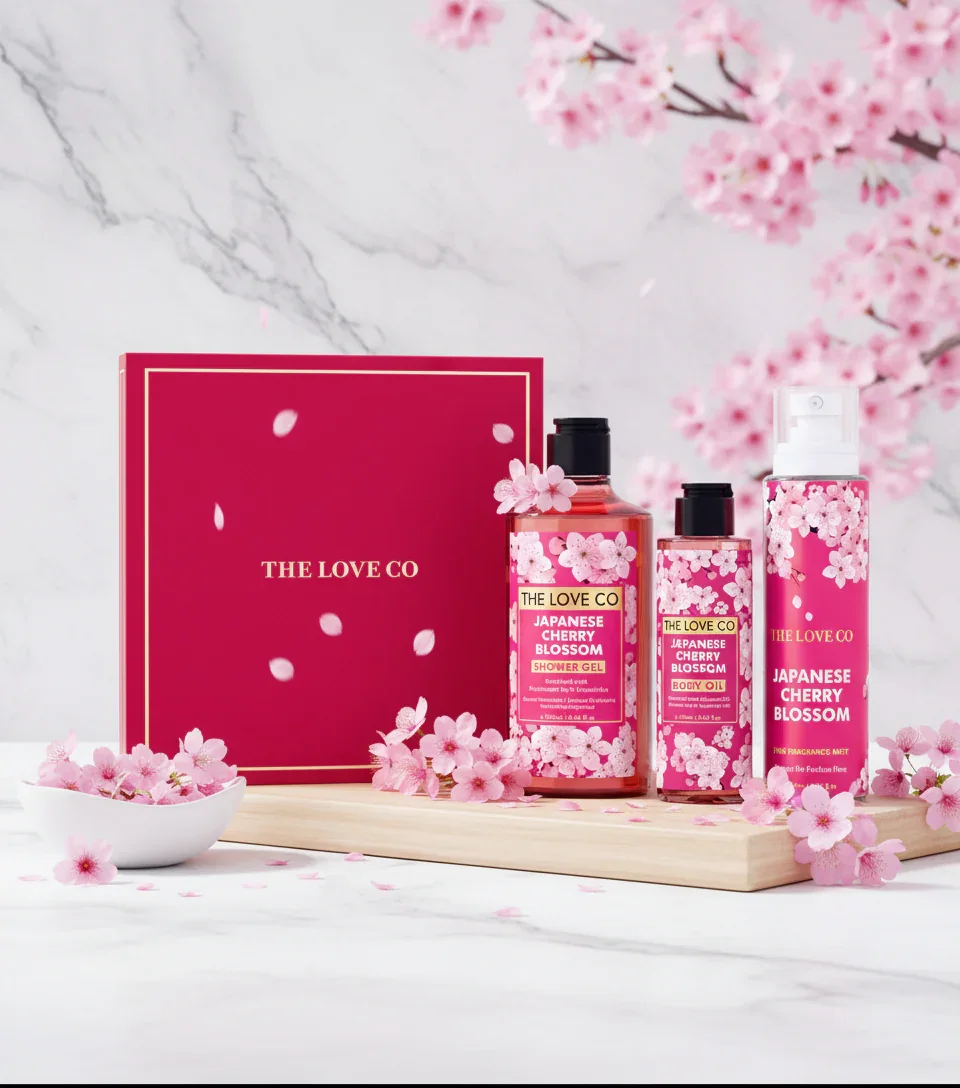
Historically, certain fragrance families have been marketed toward specific genders. Rich floral scents were often seen as feminine, while deep woody notes were considered masculine. However, these traditional boundaries are quickly disappearing in modern perfumery.
Today, fragrance is viewed as an expression of personality rather than gender. Many woody scents are loved by women, and men are increasingly embracing scents from the floral family. The most important factor is how a scent makes you feel. Don't let traditional labels stop you from wearing a fragrance you love.
Ultimately, the best fragrance for you is the one that complements your style and makes you feel confident, whether it’s for everyday wear or special occasions. Your scent is a personal choice, so feel free to experiment across all families and find what truly suits you.
Frequently Asked Questions
How do olfactory families help people choose a perfume?
Olfactory families categorize perfumes by their primary fragrance notes, making it easier to identify the types of scents you enjoy. By knowing if you prefer floral, woody, or fresh aromas, you can narrow your search and more easily find the perfect scent that matches your personal expression of personality.
Which perfume family is best for everyday wear?
For everyday wear, fresh fragrances are an excellent choice because they are typically light, energizing, and have clean scents. This family includes the popular citrus scent group. Lighter floral scents can also be great for daily use, as they offer a subtle and pleasant aroma that isn’t overpowering.
Can you summarize the characteristics of each perfume family for beginners?
Certainly! Floral fragrances are romantic and smell like flowers. Woody fragrances are earthy and warm. Oriental fragrances are spicy, sweet, and exotic. Fresh fragrances are clean, zesty, and invigorating. Each family has very different characteristics that appeal to various moods and preferences, making them a great starting point for beginners.
What is the history behind the classification of perfume families?
The classification system is a key part of modern perfumery. It gained widespread structure with the invention of the fragrance wheel by Michael Edwards in the 20th century. This tool was designed to simplify how perfumes are categorized based on their dominant notes, helping consumers and retailers navigate the complex world of scents.