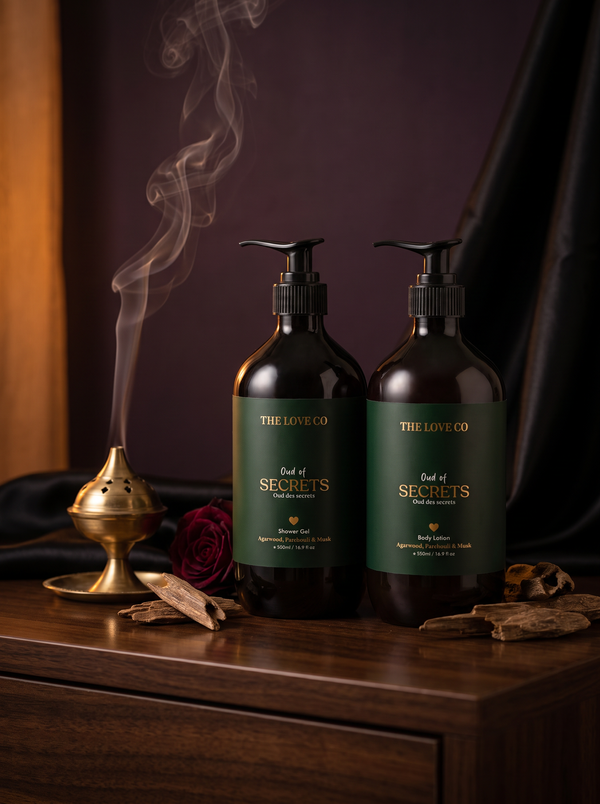
Oud is the most expensive natural fragrance material in the world. At its source — the resinous heartwood of the Aquilaria tree, infected with a specific mould and left to transform over decades — it trades for more than gold by weight. In the Gulf, a single bottle of pure oud oil costs thousands of dirhams. In Indian attars and traditional perfumery, oud has been present for centuries under names like agarwood, aloeswood, and eaglewood.
And yet oud in body care — in a daily body wash you use and rinse in the shower — makes complete sense. Here is why, and how.
What Oud Actually Smells Like
Oud is not a single smell. It is a spectrum, and its character changes significantly depending on where the Aquilaria tree was grown, how old the wood is, and how it was processed.
Indian/Hindi oud: Dense, animalic, slightly leathery, with a faint barnyard earthiness. Rich and complex. This is the oud of Indian attars.
Cambodian oud (Kambodi): Sweeter, fresher, with fruit and green facets layered beneath the wood. The most prized for pure oil.
Malay/Brunei oud: Woody-clean, lighter, with a hint of creamy vanilla. More accessible to those new to oud.
Synthetic oud (oud accord): Most body care and mainstream perfumery uses oud accords rather than real oud oil — a blend of synthetic molecules designed to approximate the woody, resinous, subtly smoky character of the real material. This is not a compromise — oud accords can be beautifully nuanced and are consistent in a way natural oud cannot be.
In body care, you are almost always working with oud accords, not real oud oil. The difference matters for cost and sustainability, not for fragrance quality.
Why Oud Works Particularly Well in Body Care
Oud is a base note — a heavy, slow-releasing fragrance molecule that anchors lighter top notes and extends the life of a fragrance on skin.
This makes it ideal for body care, where longevity on skin is the goal. A body wash or lotion built around oud will leave a warm, woody trail on skin that outlasts many lighter florals or citrus-based fragrances.
Oud also combines exceptionally well with:
How to Wear Oud Daily (Without It Feeling Like Too Much)
Pure oud oil, worn straight on skin, is a statement. In a body care system — diluted across multiple product formats — oud becomes wearable and distinctly modern.
The key is layering within the oud fragrance family:
Morning:
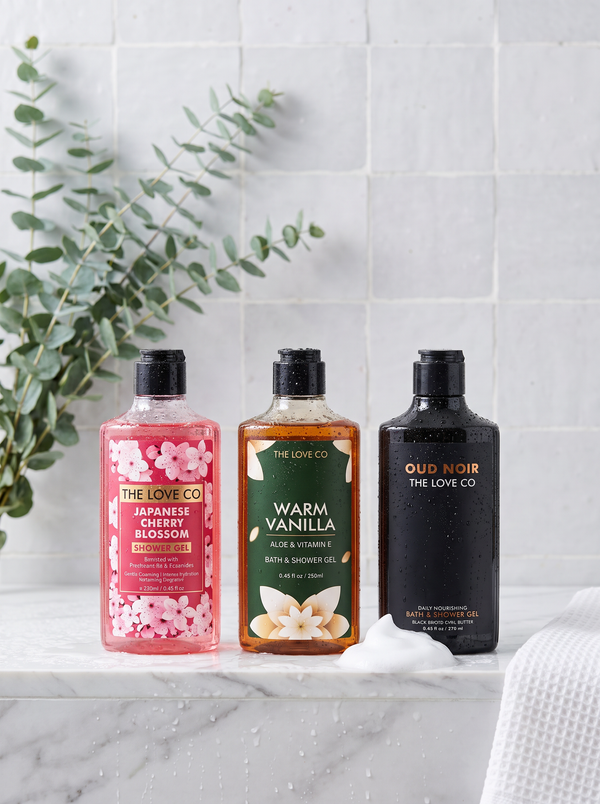
1. Oud body wash — cleanses and leaves a subtle oud base on skin
2. Oud body butter or lotion — moisturises and creates a fragrance-retaining surface
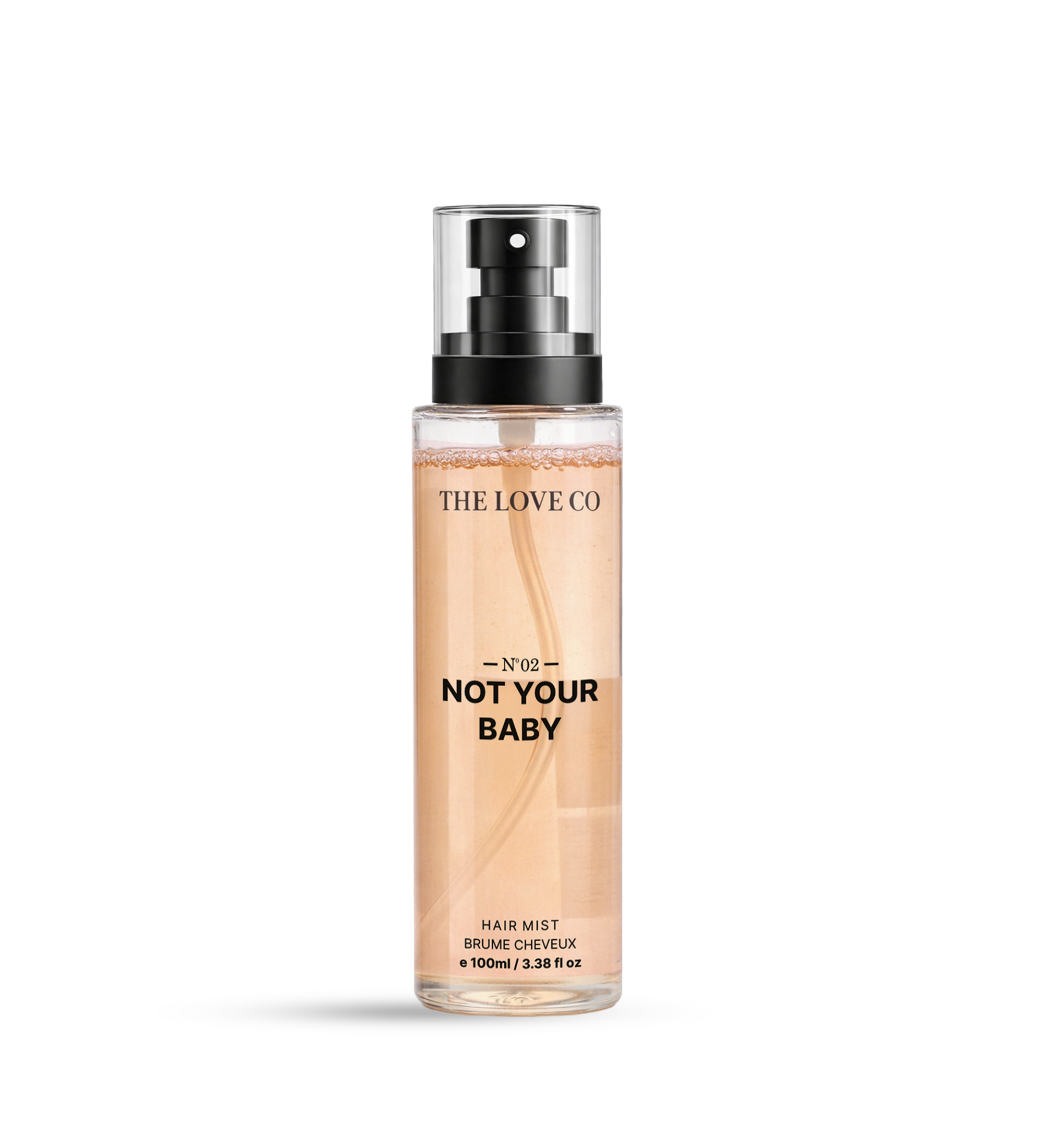
3. Oud body mist — the main scent layer; this is where the fragrance registers
For evening:
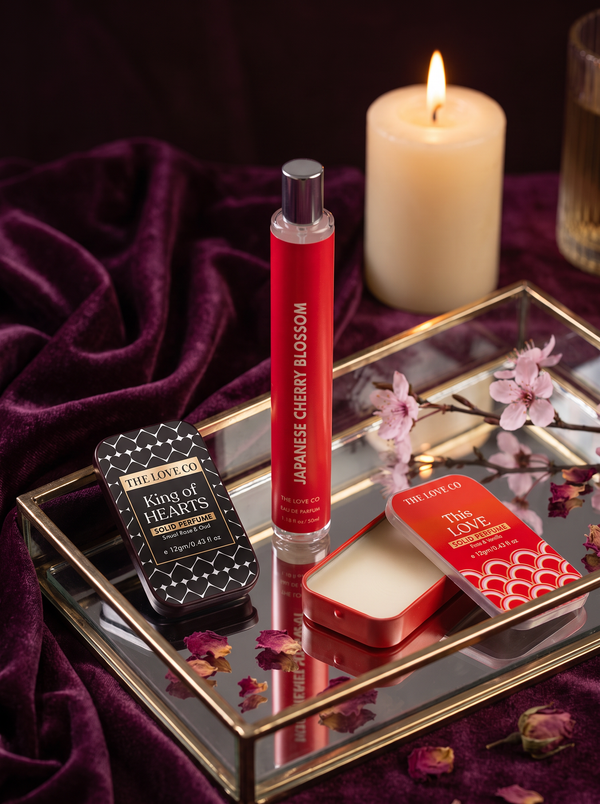
Layer a solid oud perfume or roll-on onto the pulse points over the body mist. The combination of a lighter mist base and a concentrated roll-on gives depth without being overwhelming.
Oud for Indian Skin in Indian Climate
One thing that is often ignored in fragrance body care: India's climate changes how fragrance behaves.
In high humidity and heat (Mumbai, Chennai, Bangalore in summer), light florals and citrus notes often disappear from skin within 90 minutes. Oud's heavier molecular structure means it holds significantly better in humid conditions — the warmth activates it rather than evaporating it.
In dry winter conditions (Delhi, Jaipur, Northern India), oud can sit more heavily on skin. Layering it with body butter rather than a lighter lotion helps diffuse it more slowly and warmly.
The Difference Between TLC's Oud Expressions
The Love Co's oud range uses different oud accords across products:
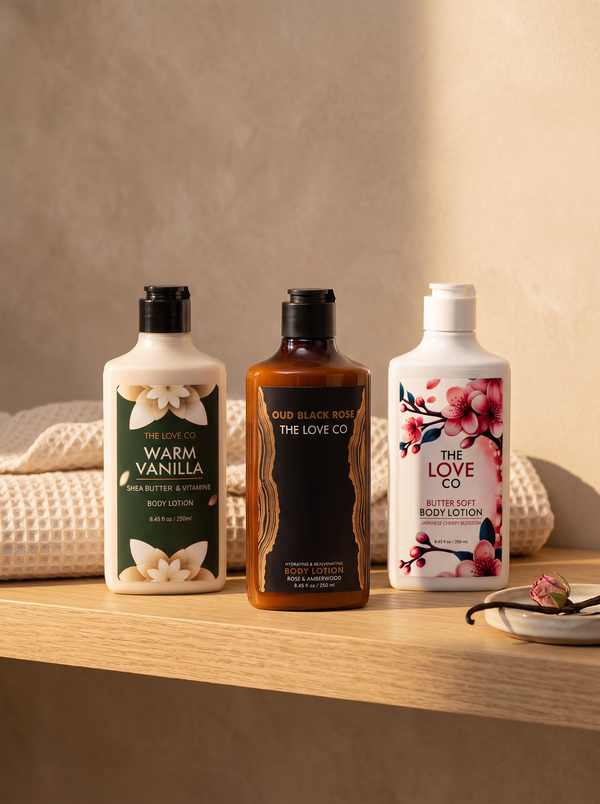
Oud Black Rose — oud accord paired with Turkish rose absolute, dark berry, and a musky base. Romantic, warm, deep. The most popular in the oud range.
Oud of Dubai — a cleaner, more mineral oud inspired by Gulf perfumery. Lighter than Black Rose, more contemporary. Pairs well with an evening out.
Oud Accord — the purest oud expression in the range. Resinous, woody, slightly smoky. For those who want oud without the floral modifier.
Oud of Love — oud with saffron and amber. The Indian attar tradition translated into a modern body care format. The longest-wearing in the family.
A Note on Oud and Indian Heritage
India's relationship with oud (agarwood) is thousands of years old. The Charaka Samhita references agaru (agarwood) as a medicinal and aromatic substance. Indian temples have burned oud incense for millennia. The attars that Indian perfumers have been making for generations — particularly from Kannauj in Uttar Pradesh, the perfume capital of India — are often built on an oud foundation.
When The Love Co built its oud range, it was not chasing a trend. It was returning fragrance-led body care to something that already existed in Indian culture — just in formats that modern Indian daily life can actually use.
Explore the Oud Body Care Range →
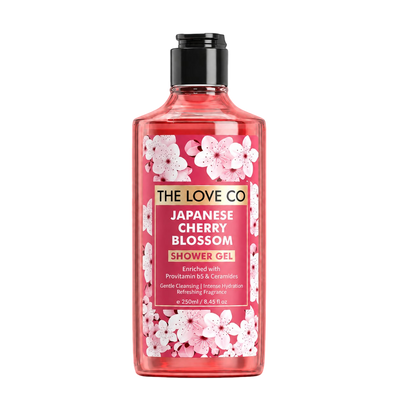
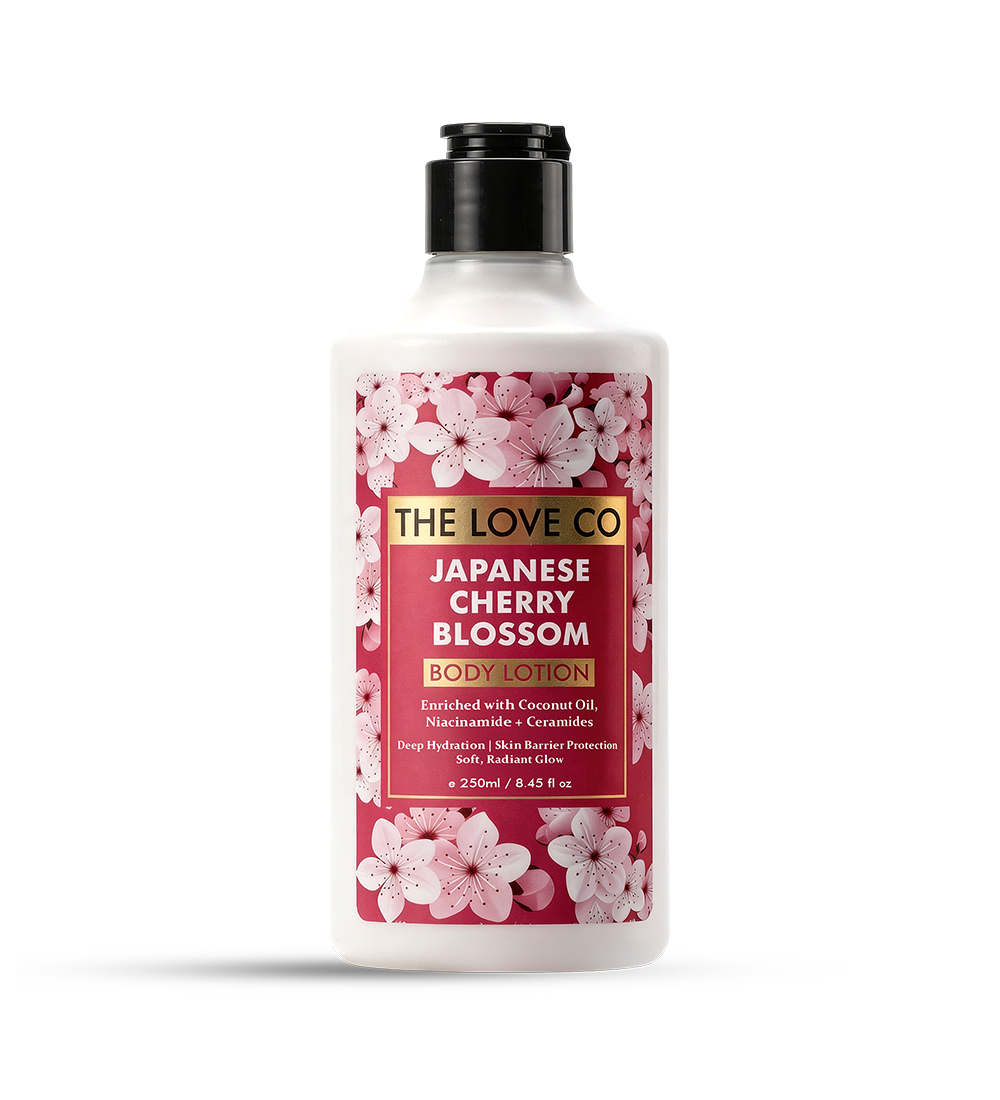
Japanese Cherry Blossom Shower Gel
Scent Trail Step 1 · soft floral body wash Start the Scent Trail here. A pH 5.5, SLS-free cleanser that protects your skin barrier while it washes —...
A ritual is the smallest love you give yourself, daily.
— Hemang Jain · 30 Apr 2026