In-Shower Moisturiser vs Body Lotion: Which Actually Works Better?
By Hemang Jain · Reviewed by Dr. Tanvi Sehgal, MD · Last updated: 2026-05-02
What this means for you
Bar soaps deliver value but at a barrier cost; for daily Indian-climate use, a pH-balanced body wash is the lower-risk choice for most skin types.
Body lotion is the default for most people. You shower, you dry off, you apply lotion. It's a habit that works. But in-shower moisturisers are a newer format that promises to do the hydration job during the shower itself — saving time and, proponents say, actually delivering moisture more effectively than post-shower application. So which one is right? The honest answer: it depends on what your skin needs and how much time you have. Here's how to think about it.
What Is an In-Shower Moisturiser?
An in-shower moisturiser — sometimes called an in-shower body lotion or rinse-off conditioner — is applied to wet skin while you're still in the shower, after cleansing, then rinsed off lightly before you step out. The product is formulated to work with water rather than against it: it uses emollients and humectants that bind to wet skin and leave a moisturising layer behind even after a light rinse.
What this means for you
Bar soaps deliver value but at a barrier cost; for daily Indian-climate use, a pH-balanced body wash is the lower-risk choice for most skin types.
The key principle is occlusion-during-water-contact. When you apply an in-shower moisturiser to wet skin, the water on your skin becomes part of the hydration delivery — the emollients trap it against the skin surface as you rinse. You step out with skin that's already partially hydrated, requiring less product from a post-shower lotion (or sometimes none at all).
In-shower moisturisers are particularly useful for people who are time-poor, who forget to apply lotion after showering, or whose post-shower window is too short to let a lotion absorb before getting dressed.
What Is a Body Lotion?
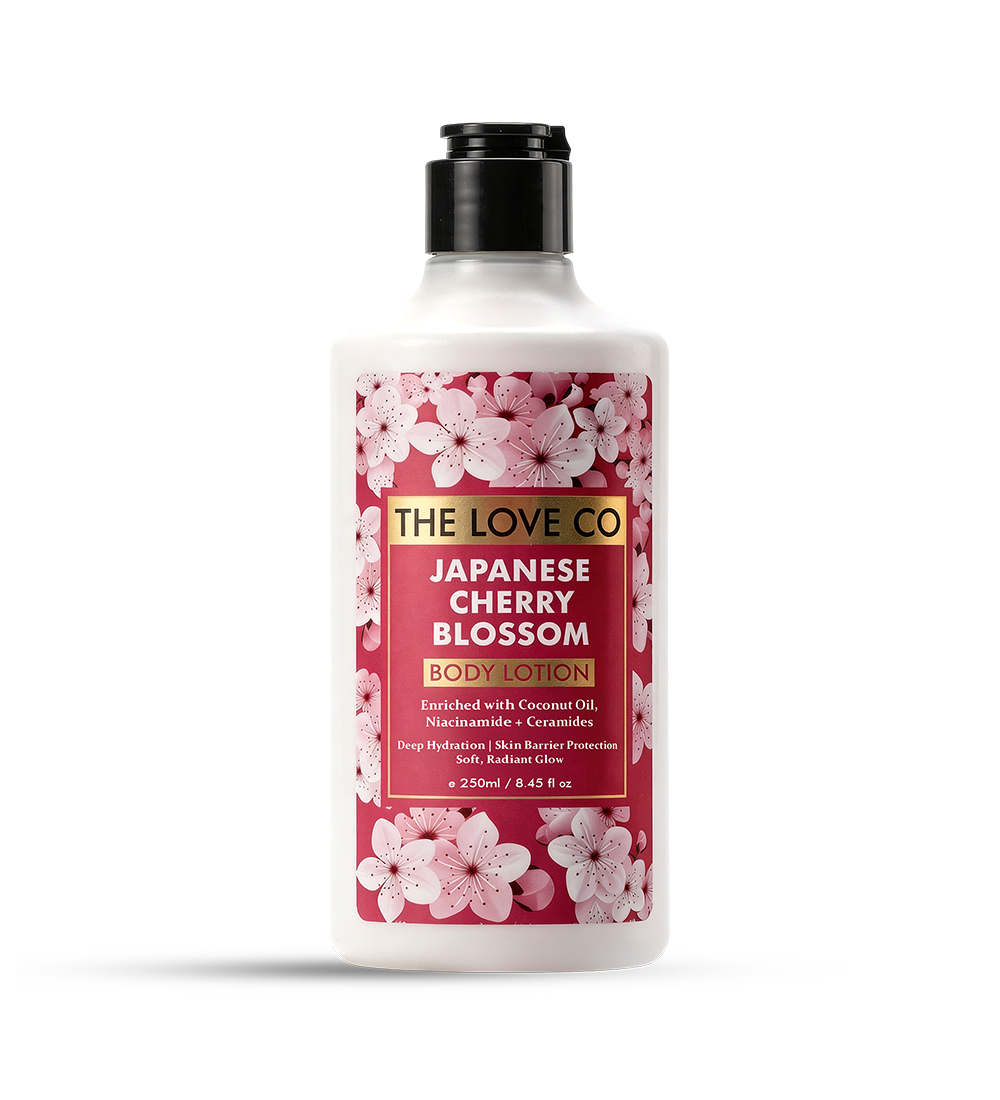
A body lotion is applied to dry or towel-dried skin after your shower. It's the conventional approach to body moisturising. The lotion creates a moisturising layer on clean, dry skin that locks in the skin's own moisture and provides external hydration from its ingredient base.
What this means for you
Bar soaps deliver value but at a barrier cost; for daily Indian-climate use, a pH-balanced body wash is the lower-risk choice for most skin types.
The advantage of traditional body lotion is control: you decide exactly how much to apply, where to concentrate it (knees, elbows, shins are typically drier), and you can let it absorb fully before dressing. A good body lotion will continue to work for 6–8 hours, progressively releasing moisture.
The disadvantage is that most people don't apply it consistently. The post-shower window — when skin is still warm and slightly damp — is the ideal application moment, but it requires an extra step that many people skip when pressed for time.
In-Shower Moisturiser vs Body Lotion: Key Differences
| Feature | In-Shower Moisturiser | Body Lotion |
|---|---|---|
| When to apply | During shower, on wet skin, after cleansing | After shower, on dry or damp skin |
| Rinsed off? | Yes — lightly rinsed, residue stays on skin | No — absorbs into skin |
| Time required | Adds 30–60 seconds to shower routine | Requires separate 3–5 minute post-shower step |
| Hydration depth | Surface-to-mid hydration; excellent for daily maintenance | Deeper, longer-lasting hydration; better for very dry skin |
| Residue feel | Light — rinse removes most, skin feels soft not coated | Variable — light lotions absorb quickly, richer creams can feel heavier |
| Best for | Normal to dry skin, humid weather, time-poor routines | Dry to very dry skin, winter, targeted problem areas |
| Works best when | Used after cleansing on wet skin before stepping out | Applied within 3 minutes of towel-drying while skin is still warm |
| Can replace each other? | Can replace lotion for normal skin or in humid weather | Should supplement in-shower for very dry skin or winter |
The Science Behind When Moisturiser Is Applied
There's a principle in dermatology sometimes called "soak and seal": moisturise skin while it's still damp to trap the water already present on the surface. This is why dermatologists recommend applying body lotion within three minutes of towel drying. The logic is the same for in-shower moisturisers — they simply take "soak and seal" to its logical conclusion by doing it during the shower itself.
For very dry skin or during winter when the skin barrier is more compromised, the soak-and-seal approach benefits from a richer emollient delivered by a body lotion or body butter after the shower. An in-shower moisturiser delivers light-to-medium hydration efficiently; it doesn't deliver the same depth as a post-shower body butter applied to damp skin.
For normal to mildly dry skin in a moderate climate, in-shower moisturiser alone is sufficient for daily maintenance. The question is really about skin condition severity and climate context.
Which Works Better in India?
Humid India (Mumbai, Chennai, Kolkata, Goa — most of the year)
In high humidity, your skin's hydration is under less threat. The air itself has moisture. A traditional heavy body lotion in summer in Mumbai will often feel sticky, sit on the surface without absorbing, or cause miliaria (heat rash) by blocking pores under the heat. In this context, an in-shower moisturiser is often the better format — it provides the daily hydration maintenance your skin needs without the heaviness of a post-shower lotion in tropical heat. Many people in humid cities can skip post-shower lotion entirely during summer and use in-shower moisturiser as their sole hydration step.
Dry India (Delhi, Jaipur, Chandigarh — October to February)
In dry, cold weather or in heavily air-conditioned environments, the skin's hydration needs go up significantly. In-shower moisturiser is a useful step here, but it's typically not sufficient on its own for very dry or compromised skin in winter. The better protocol for dry-climate winter skin: in-shower moisturiser during the shower, followed by a body lotion or body butter applied within three minutes of towel-drying. (See our body butter vs body lotion guide for choosing the right post-shower step.) Two steps, more hydration delivered at two points in the routine.
Transitional Seasons (Spring and Autumn)
During moderate weather — October in Mumbai, February in Delhi — in-shower moisturiser alone is usually sufficient. This is the sweet spot for the format: not too dry to need supplemental lotion, not so humid that you want to skip moisturising altogether.
Who Should Use Which
Use In-Shower Moisturiser if:
- You consistently forget to apply body lotion after your shower
- You live in a humid city or are in the summer months
- Your skin is normal to mildly dry and you want a low-effort daily hydration routine
- You want to get dressed quickly after showering without waiting for lotion to absorb
- You're building a minimalist, streamlined routine
Use Body Lotion if:
- Your skin is dry to very dry, or shows visible flakiness or tight feeling after washing
- You're in a dry climate or going through a cold winter season
- You have specific areas — elbows, knees, heels — that need concentrated, targeted hydration
- You want longer-lasting, deeper moisture that works throughout the day
Use Both if:
- You have very dry or eczema-prone skin
- You're in North India between November and February
- Your skin loses moisture rapidly throughout the day and one hydration step isn't enough
The Love Co's In-Shower and Post-Shower Range
The Love Co makes both, and the philosophy across both formats is consistent: SLS-free, pH 5.5, vegan, cruelty-free, fragrance-led, dermatologist approved by Dr. Tanvi Sehgal. (Read about our approach to body care built around fragrance.)
In-Shower Step
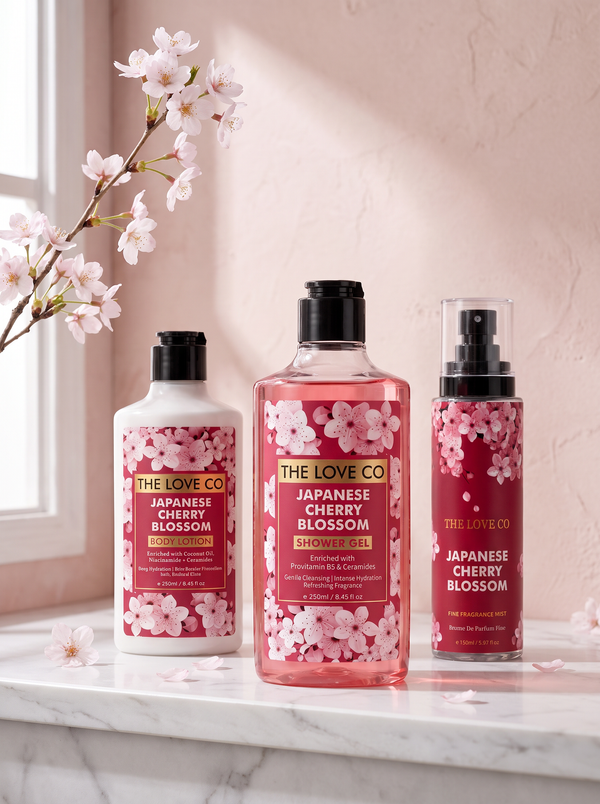
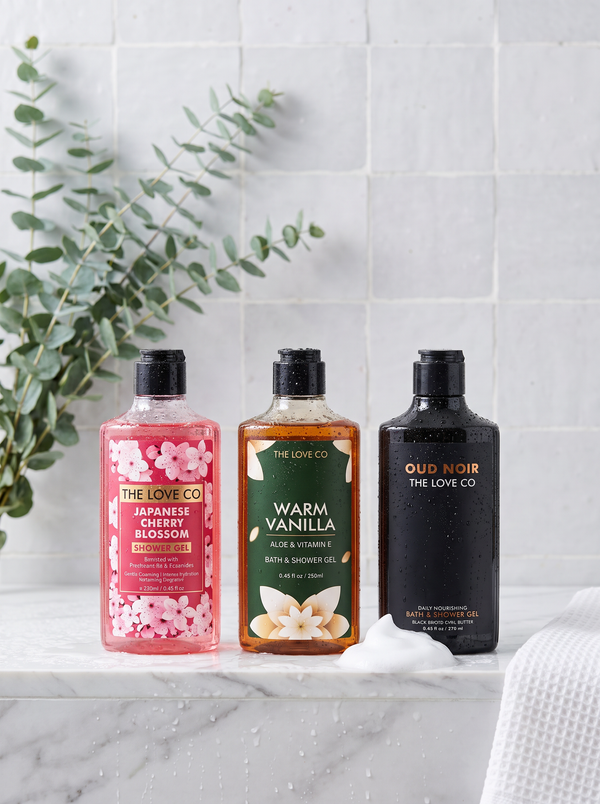
TLC's SLS-free body washes are formulated with emollient bases that deposit a soft layer on wet skin during the cleanse. Even if you don't use a separate in-shower moisturiser, the body wash itself is designed to leave the skin feeling nourished rather than stripped — a benefit of the SLS-free, pH 5.5 base. The body wash is both a cleanser and a light first moisturising step.
Post-Shower Step
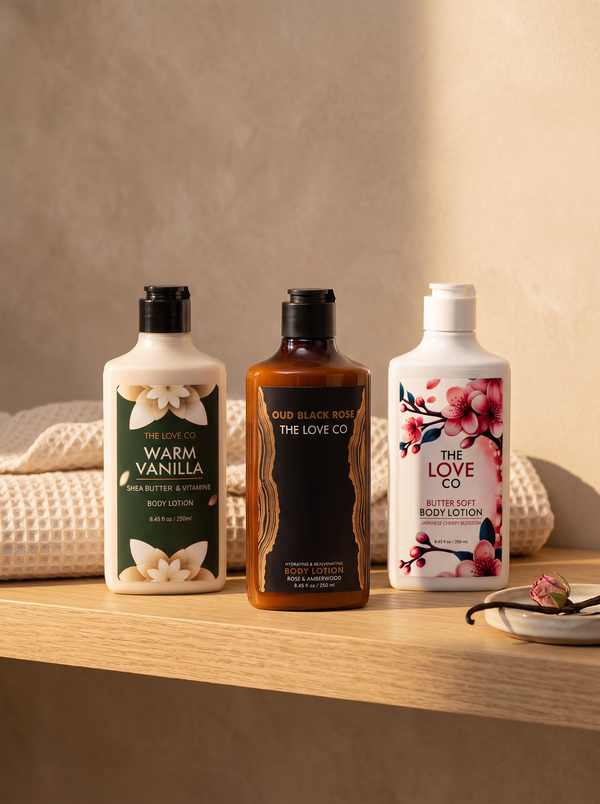
For deeper hydration — particularly in winter or for dry skin — TLC's body butters are the post-shower step. Applied to damp skin within three minutes of towel-drying, the body butter locks in the moisture from your shower, adds a layer of rich emollients, and delivers the same fragrance family as the matching body wash for a layered scent effect.
The TLC routine approach: matching body wash (in-shower cleanse + light hydration) followed by matching body butter (post-shower deep hydration + scent anchoring). Both pH 5.5, both SLS-free, both in the same fragrance family.
Related concepts
- Acid mantle — Slightly acidic film at pH 4.5–5.5 protecting healthy skin from microbial overgrowth and moisture loss.
- Hard water — Water with calcium and magnesium ions above 200 ppm; common in most Indian metros and a known irritant amplifier.
- Surfactant system — The combination of primary, secondary, and amphoteric surfactants that determines a wash's foam, mildness, and cleansing power.
- Humectant — Ingredient like glycerin or propanediol that pulls moisture into the skin's outer layers during and after cleansing.
- Rinse-off — Product format where skin contact time is brief (under 60 seconds), allowing higher actives than a leave-on at equal safety.
Common Questions
Is it bad to use in-shower moisturiser every day?
No. Daily use is appropriate. Most in-shower moisturisers are formulated for regular use and the ingredients are gentle enough for daily application on most skin types. If your skin reacts, check the product's fragrance content and surfactant profile.
Does in-shower moisturiser block the drain?
A well-formulated in-shower moisturiser rinses cleanly and shouldn't cause drain problems with normal use. If you use excessive amounts, any emollient product can contribute to grease build-up over time — the same issue exists with any body wash or conditioner. Normal use quantities (a 50-paise coin-sized amount spread across your body) don't pose a drain issue.
Can I use body oil instead?
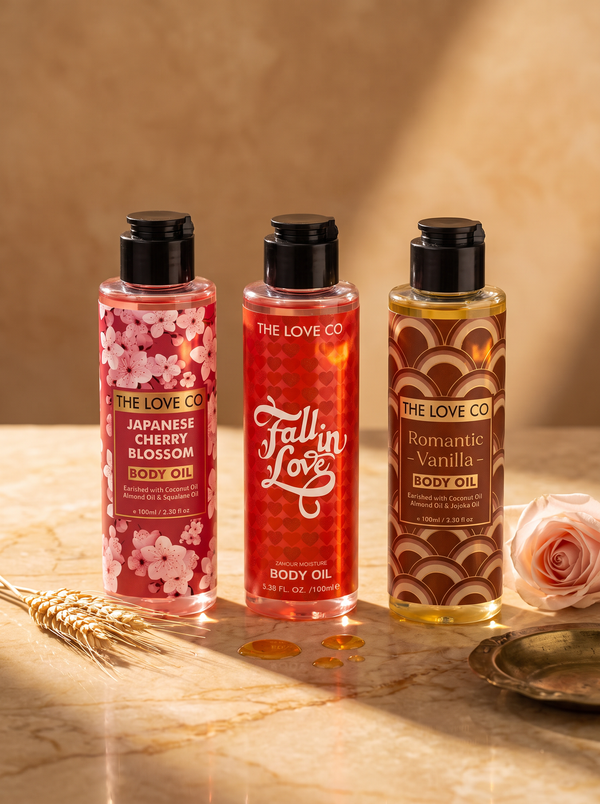
Body oils applied to wet skin before stepping out of the shower function similarly to an in-shower moisturiser — the water helps distribute the oil and creates a very light emollient layer. Body oils tend to feel lighter than in-shower moisturisers and rinse almost completely, making them more suitable for oily skin. If you enjoy a body oil in the shower, it can substitute for an in-shower moisturiser with similar effect.
Should I apply body lotion on completely dry skin or slightly damp skin?
Slightly damp skin — within two to three minutes of towel-drying. The warmth from the shower keeps pores slightly open and allows the lotion to penetrate better. Completely dry skin still benefits from body lotion, but the hydration delivery is less efficient. Apply immediately after gently patting (not rubbing) dry.
My body lotion pills up after application. Why?
Pilling usually happens when the lotion's silicone or polymer base is incompatible with the residue from your body wash, or when you apply too much product at once. Try wiping down with a slightly damp cloth before lotion application, use less product, and allow each layer to absorb before adding more. If the issue persists, the formulations may simply not be compatible — switch to a body wash and lotion from the same brand or formulation family.
The right way to lock in moisture in Indian climate.
Shop in-shower moisturizer →
Medically Reviewed
Dr. Tanvi Sehgal, MD
Dermatologist · Indian skin formulation specialist · The Love Co clinical advisor
Dr. Tanvi reviews every TLC body care formulation for Indian skin types, climate compatibility, and pH stability. Verify credentials →
