

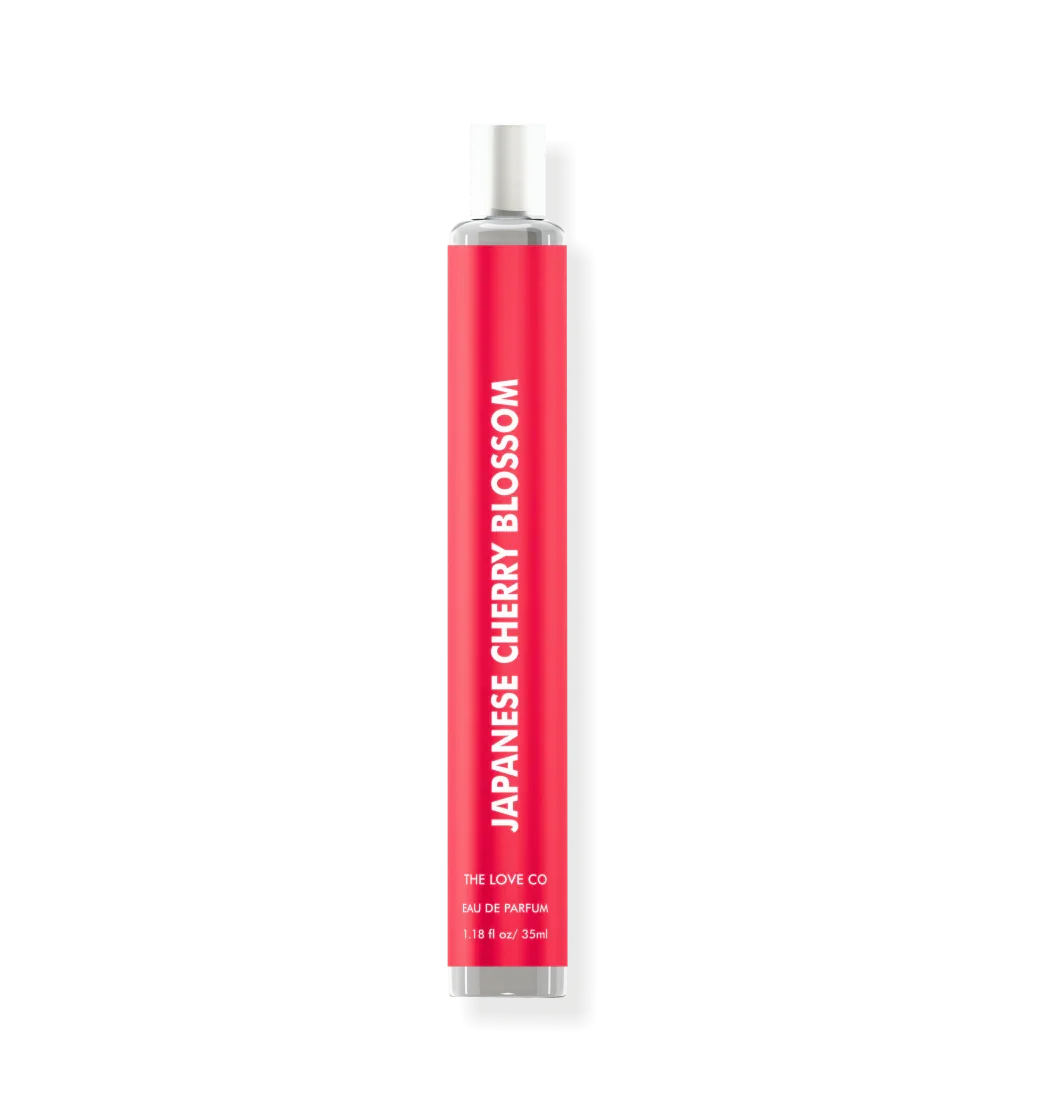


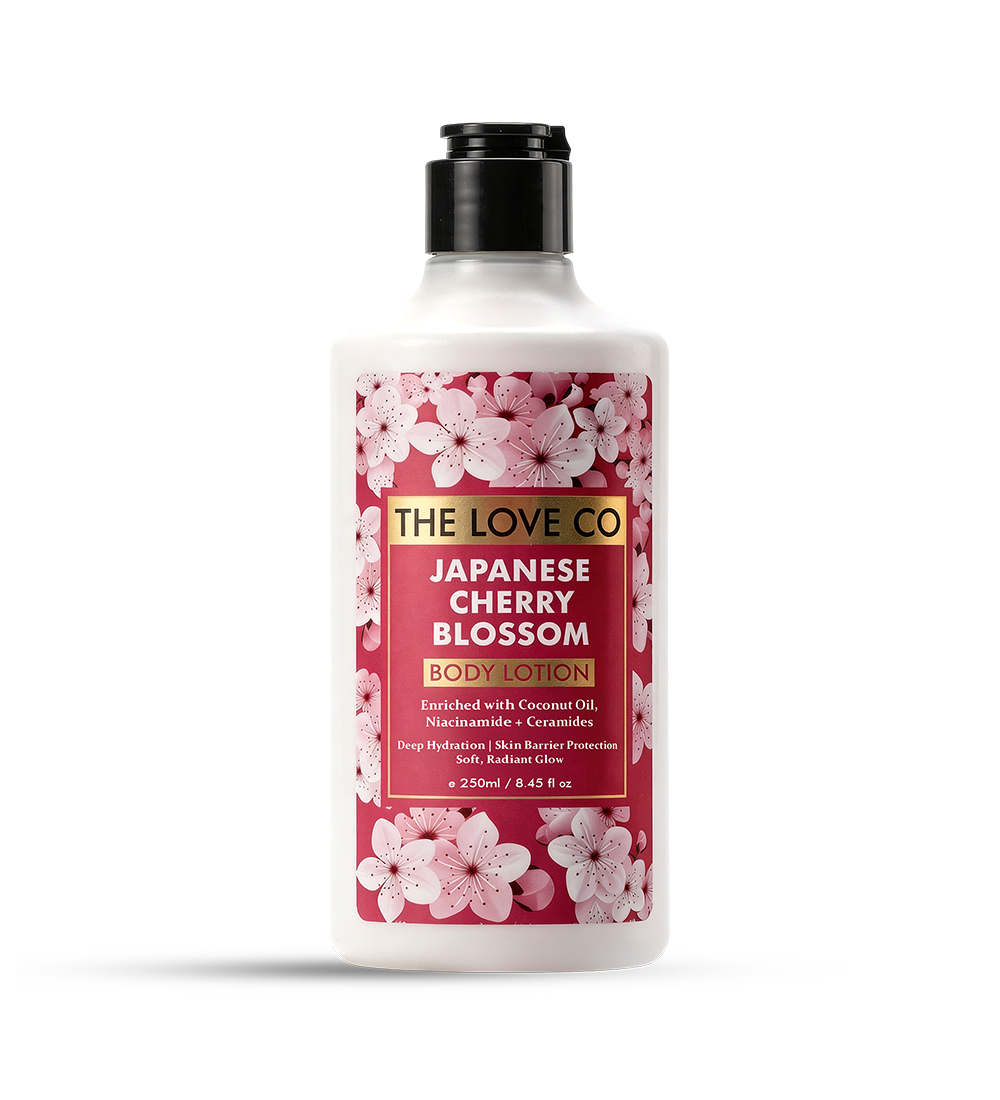
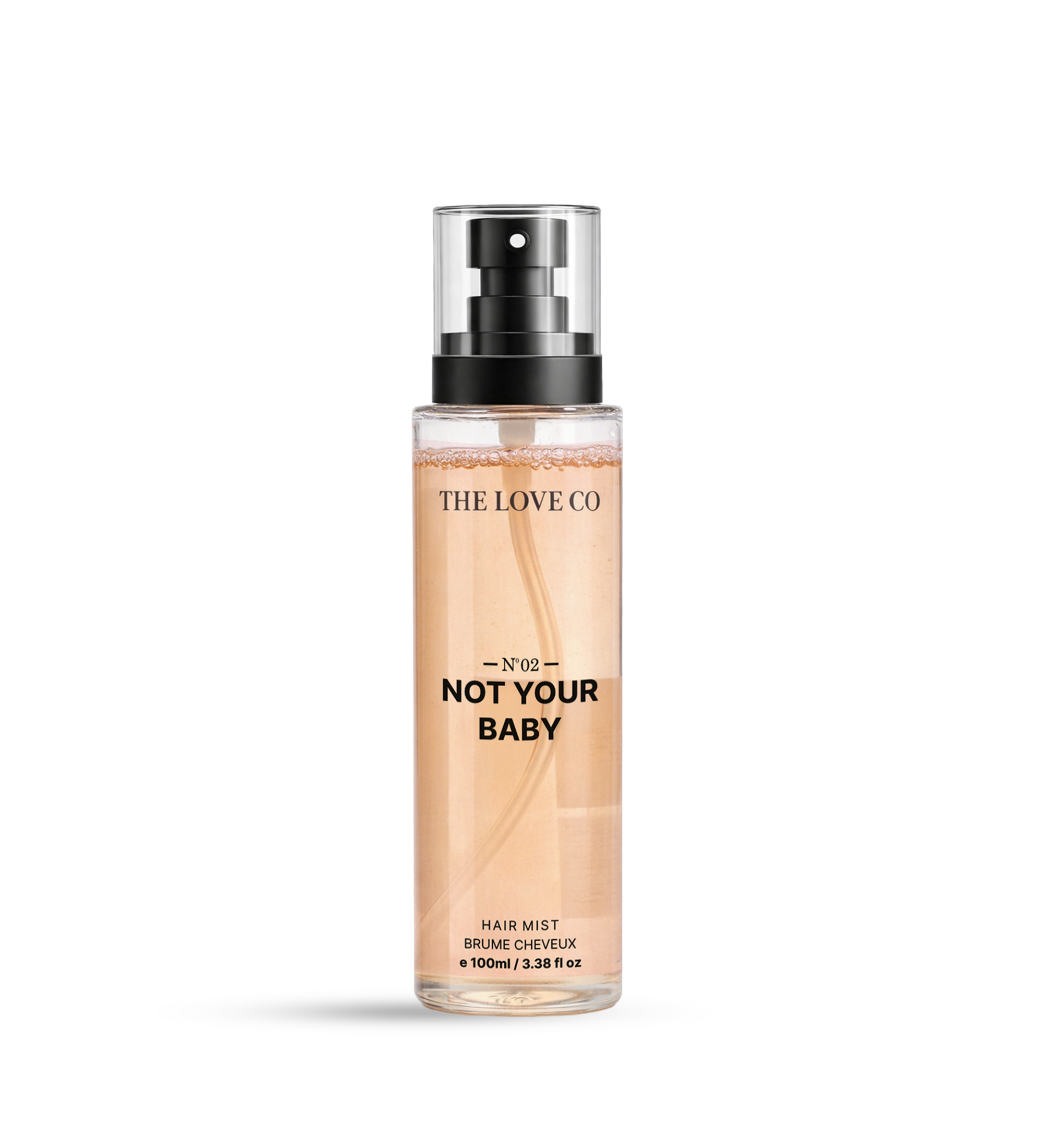
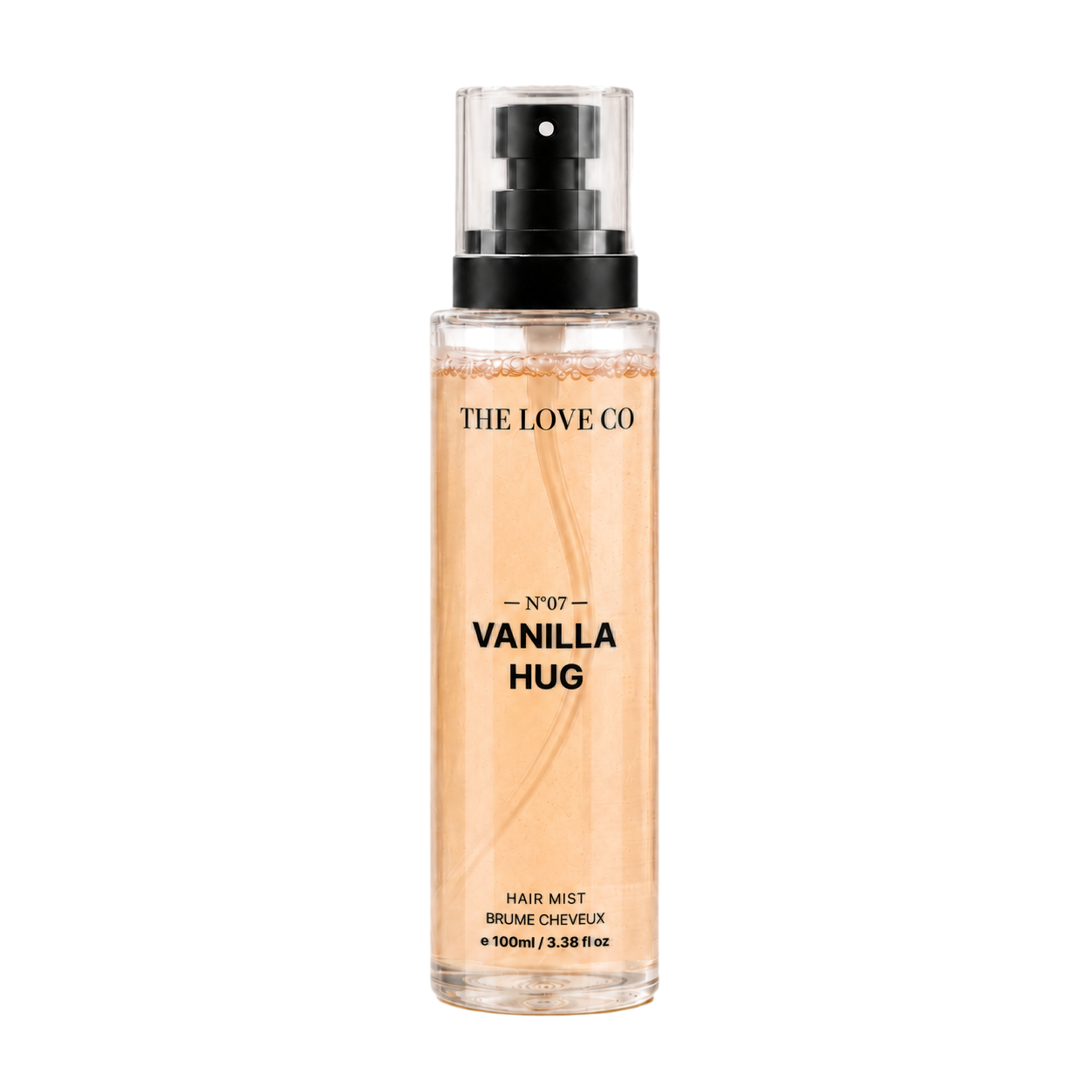
Sol de Janeiro is the clearest proof that fragrance-led body care is a real, valuable category.
They built a $500M+ brand on Cheirosa 62 — a single fragrance note (pistachio, salted caramel, vanilla) — and a Brazilian beach identity. The scent became a social media sensation. Influencers posted about being stopped on the street and asked "what are you wearing?" It was body care, not perfume.
This is the power of fragrance-led body care. Sol de Janeiro demonstrated it conclusively.
They also used synthetic fragrance.
What Sol de Janeiro Got Right
The fragrance-first philosophy: Their body care is built around the scent experience. The Brazilian Bum Bum Cream, the Beija Flor body butter — these are designed to smell extraordinary first, moisturise second.
The identity story: Brazil as a sensory culture — sun, beaches, abundance, warmth — is an appealing fragrance identity. They sold a feeling, not a feature.
The virality mechanics: A scent that prompts strangers to ask "what are you wearing?" is the highest-performing fragrance marketing possible. They engineered this.
The gifting moment: By 2022, Sol de Janeiro was the most-gifted body care brand in the US. Their products were identifiable, conversation-starting, socially shareable.
What Sol de Janeiro Can't Claim
Ingredient provenance: Cheirosa 62 is a proprietary synthetic fragrance blend. It doesn't come from a place in Brazil. There are no Cheirosa flowers. The Brazilian identity is cultural storytelling, not botanical reality.
Longevity from ingredients: The viral "lasts all day" experience some users report is partly due to the high synthetic musk concentration in some formulations — synthetic musks are extremely tenacious. It's not from natural ingredient complexity; it's from synthetic persistence.
Indian skin compatibility: Sol de Janeiro's formulations are developed for US/European markets. The heavy butters and creams (bum bum cream texture) are poorly suited to Indian summer — too occlusive, feel sticky in humidity, don't absorb cleanly.
The provenance story: This is the critical one. Sol de Janeiro's story is "Brazil is sensory and abundant." This is an aspiration, a mood. India's fragrance story is "Kannauj rose has been distilled here for 400 years, the same plant that supplies Chanel No. 5." That is a fact. Aspirations fade. Facts don't.
The India vs. Brazil Comparison
"Their Brazil story. Our India story. Theirs is a mood. Ours is a system."
Brazil does not grow the world's finest fragrance ingredients. India does.
India's fragrance credentials are not aesthetic or aspirational — they're botanical and historical: - Kannauj rose: the world's most prized rose absolute - Mysore sandalwood: 90–97% santalol content, unmatched globally - Tamil Nadu vetiver: 150+ compound complexity, impossible to synthesise
Sol de Janeiro's story begins with a beach.
India's fragrance story begins with a 3,000-year distillation tradition in Uttar Pradesh.
What Indian Brands Should Learn from Sol de Janeiro
Fragrance-led works: Sol de Janeiro proved it. A scent-led identity creates conversation, loyalty, virality, and premium pricing. Indian brands should not be learning this from Brazilian brands. India has a deeper claim to this category.
System thinking: Sol de Janeiro's range — body wash, cream, oils, mists — is designed around the same Cheirosa scent family. This is the right architecture. Indian fragrance-led body care should do the same.
The social moment is available: The "what are you wearing?" conversation that Sol de Janeiro earned — that same conversation is available to an Indian fragrance-led brand with a better ingredient story.
The category is real. The Indian ingredients are superior.
The Indian brand that tells this story correctly wins.
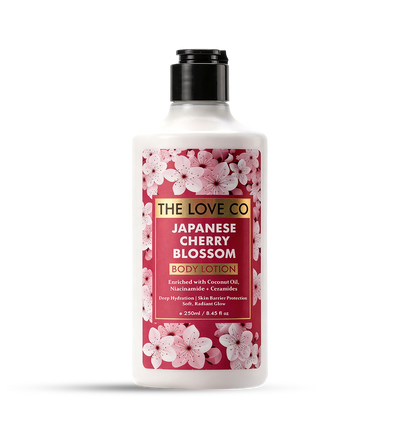
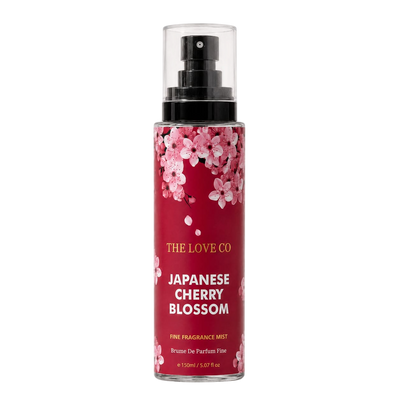
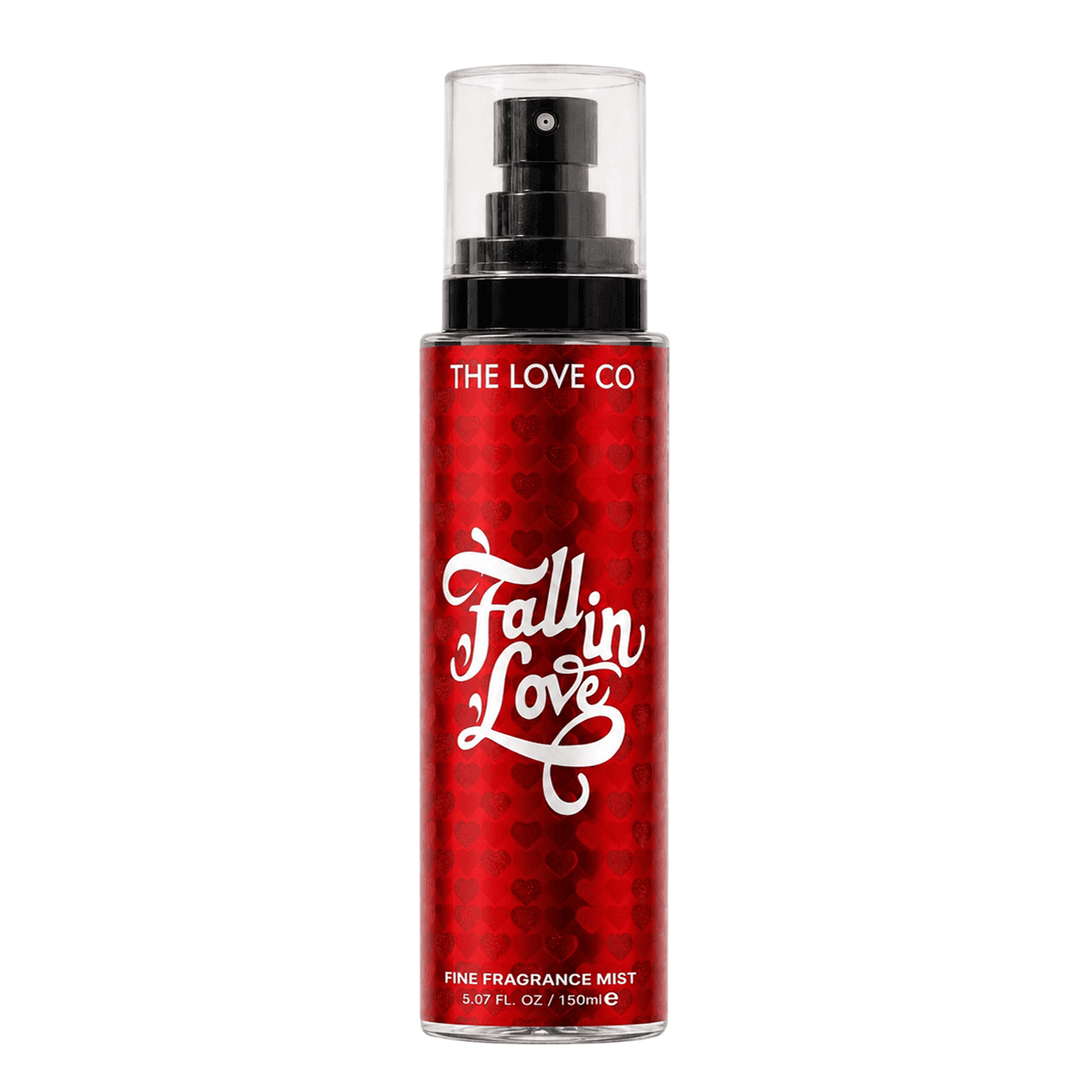
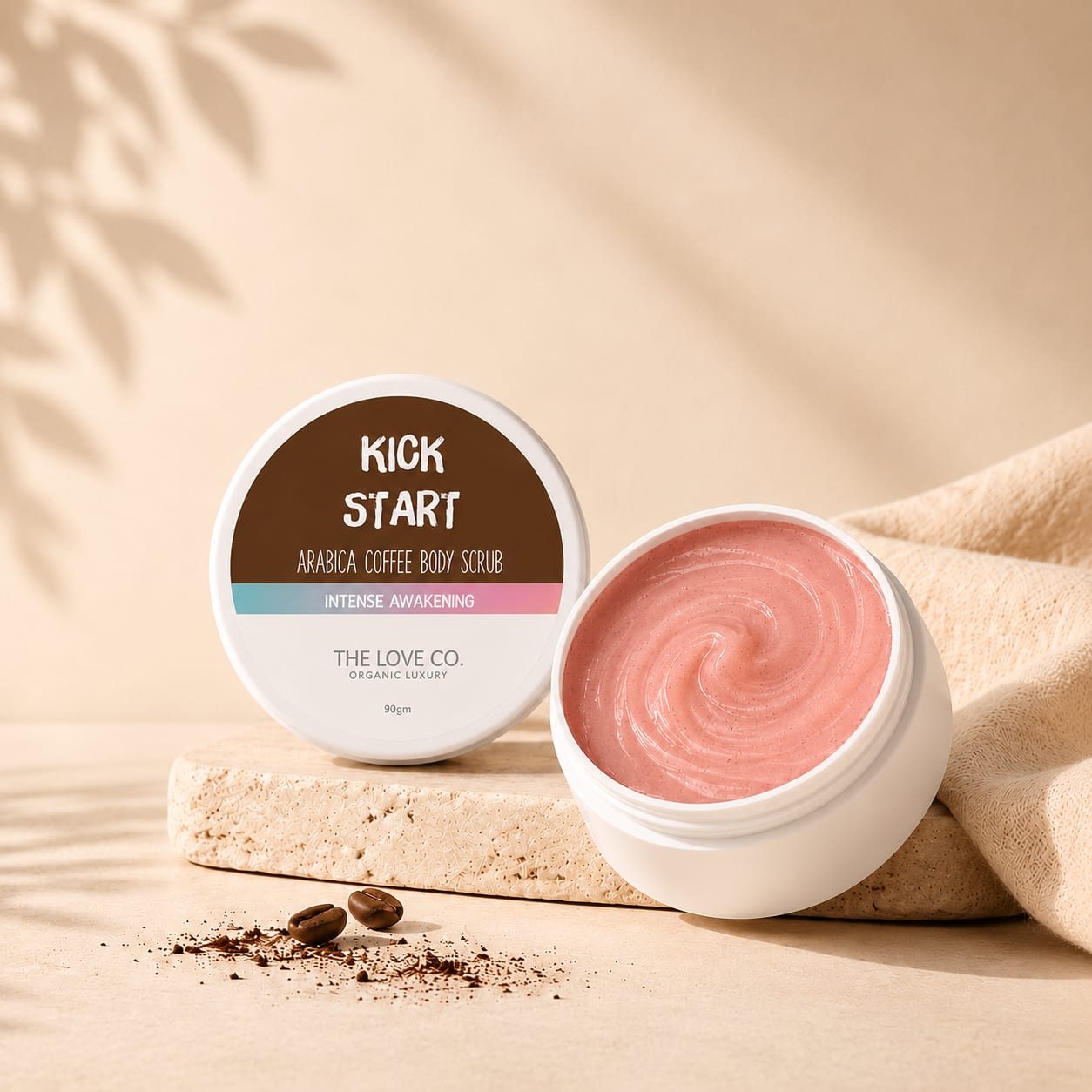
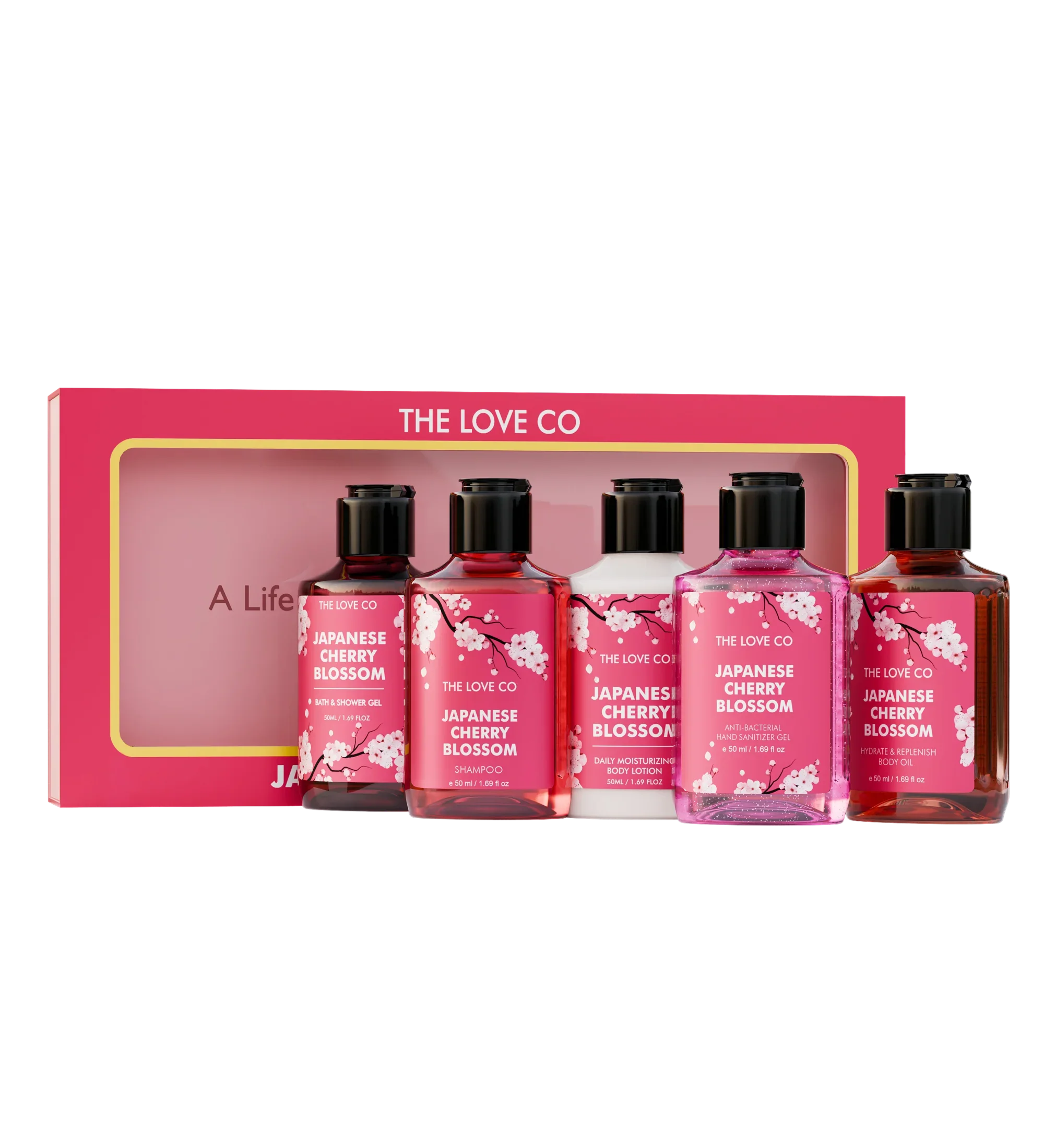
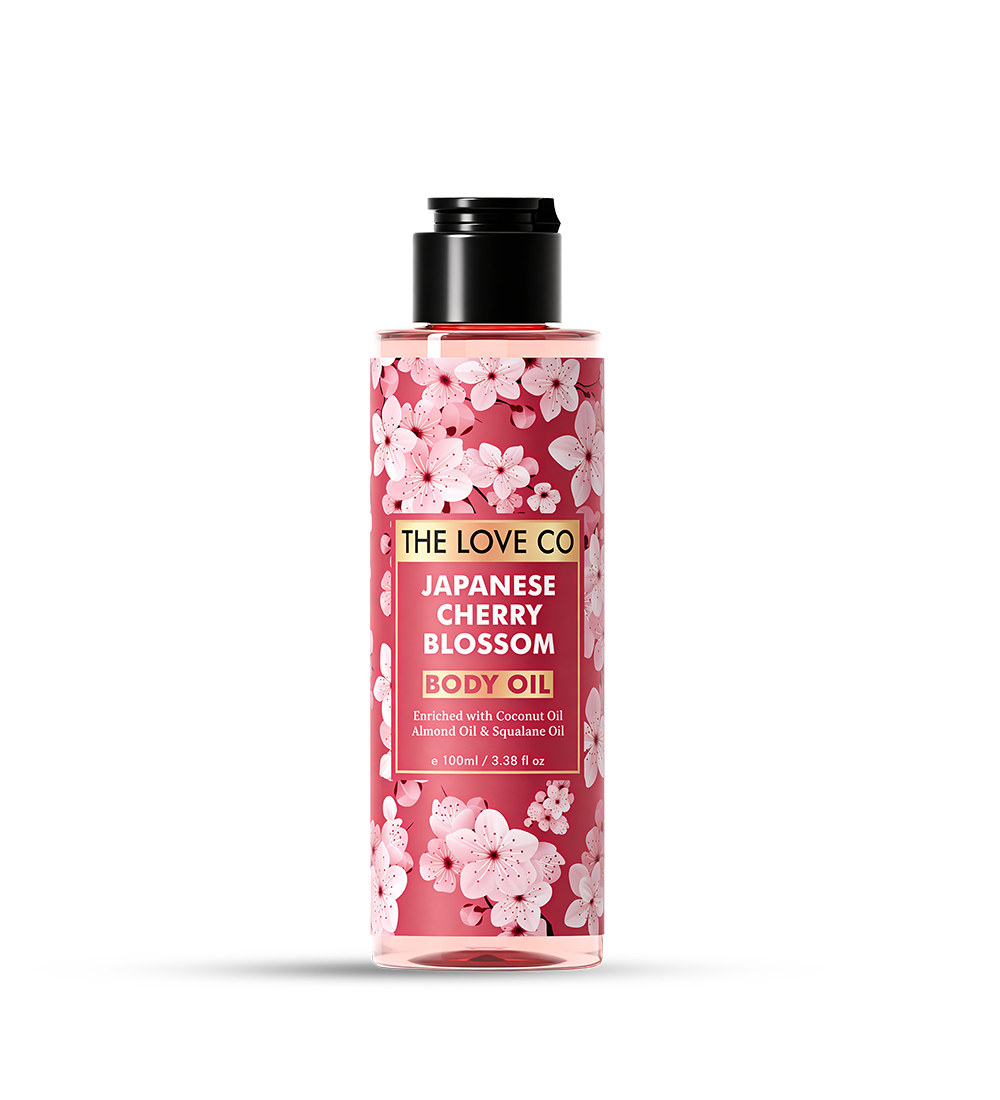
The Love Co is India's answer to Sol de Janeiro — but built on real fragrance provenance: Kannauj rose, Mysore sandalwood, Tamil Nadu vetiver.
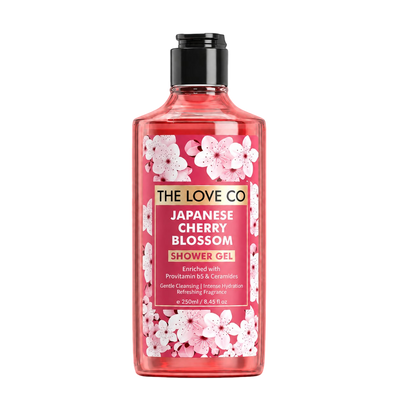
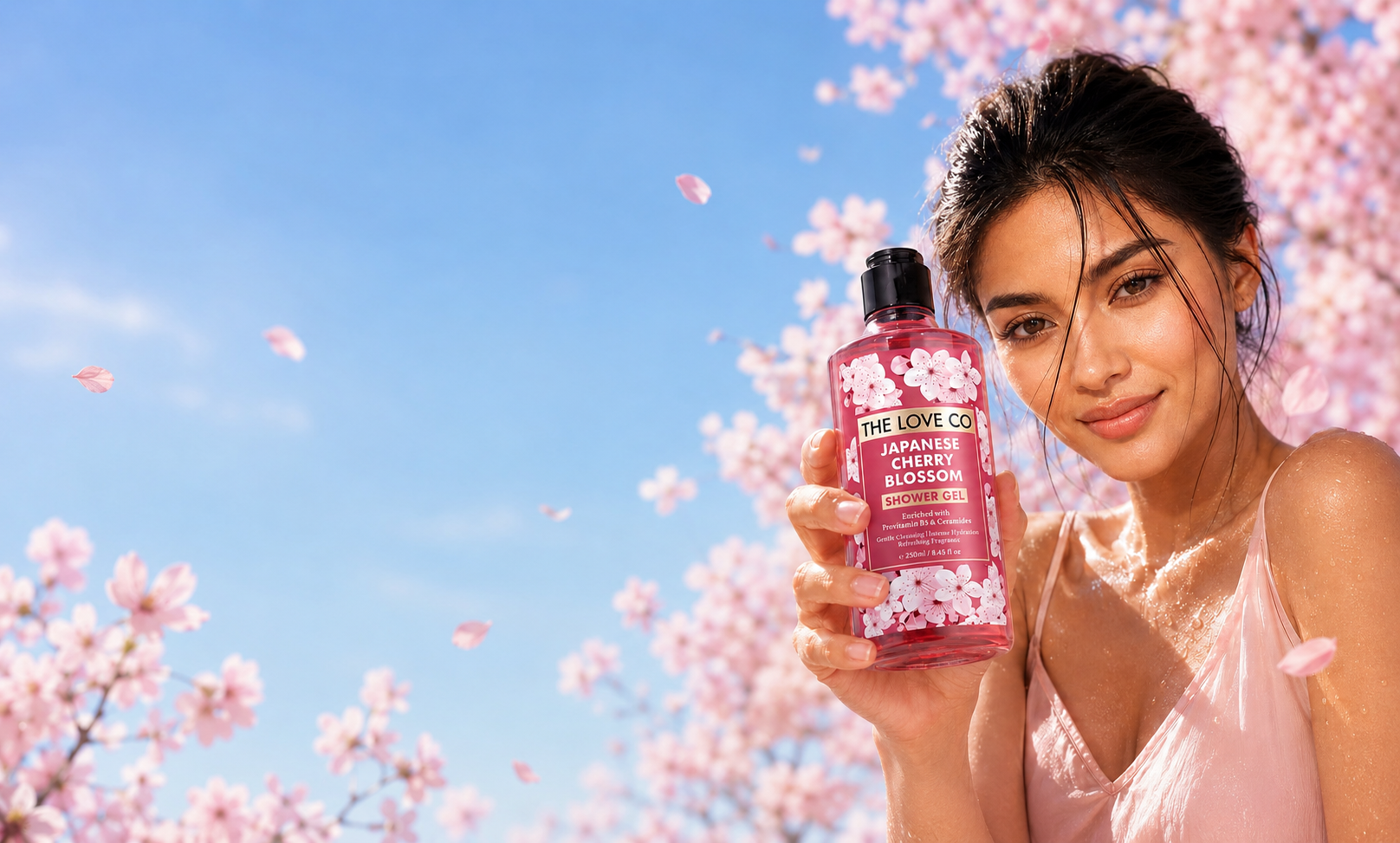
Japanese Cherry Blossom Body Wash
Scent Trail Step 1 · soft floral body wash Start the Scent Trail here. A pH 5.5, SLS-free cleanser that protects your skin barrier while it washes —...
A ritual is the smallest love you give yourself, daily.
— Hemang Jain · 19 May 2026