

The Emotional Science of Scent: Why Fragrance Transforms Your Body Care
Let me ask you something uncomfortable: when was the last time your body care made you feel something?
Not made your skin feel better. Not made you smell clean. Made you feel something — some quality of mood or presence or self-perception that lasted beyond the bathroom and into the day.
The emotional benefits of scented body care are not soft claims or poetic licence. They are documented neuroscience, grounded in how the olfactory system connects to the emotional brain.
The Neuroscience You Were Not Taught
Your olfactory system is the most emotionally direct sense you have. While all other sensory information takes a routing detour through the thalamus, olfactory signals travel directly to the olfactory bulb, which sits in immediate adjacency to the amygdala and hippocampus.
The amygdala processes emotion. The hippocampus processes memory. Both receive scent signals before your conscious mind has had a chance to identify what you are smelling.
This means smell reaches your emotional brain faster than thought. A fragrance can alter your mood before you know it is happening.
The Three Emotional Functions of Scent in Body Care
Grounding: Pulling You Into the Present
Most mornings, most people are mentally somewhere else before their feet have touched the floor. In the inbox. In the commute. In yesterday's unfinished conversation.
A strong, present-tense sensory experience — something that demands olfactory attention — is one of the most reliable ways to interrupt this pattern. You cannot smell fully while mentally absent. Scent insists on the present moment.
Priming: Setting the Emotional Register of the Day
The emotional state you inhabit at the beginning of the day has an outsized influence on how the rest of it unfolds. Scent is one of the few things that can reliably adjust this set-point before the day has imposed its demands.
This is the function that traditional Indian attar-wearing understood intuitively: the fragrance you choose in the morning is not decoration. It is intention.
Marking: Signalling Care to the Self
When you perform a body care ritual that is beautiful enough to pay attention to, you are enacting the belief — in a concrete, sensory form — that you deserve the time, the quality, and the attention.
A body care ritual that is beautiful enough to resist rushing does quiet work on this belief. It says, daily and tangibly: you are worth this. Not as a declaration. As a practice.
Specific Fragrance Families and Their Emotional Effects
Floral notes (particularly rose): Associated in research with mood elevation and mild reduction in anxiety markers. The specific molecular compounds of Rosa damascena include phenylethyl alcohol, one of the most consistent mood-lifters in olfactory research.
Woody, resinous notes (sandalwood, vetiver, amber): Associated with reduced cortisol responses, grounding, and olfactory comfort — a sense of being held, settled, secure.
Earthy notes (mitti attar, forest floor): Deeply evocative. The smell of rain on dry earth produces feelings of relief, release, and a peculiarly pleasant melancholy that seems to activate something very old in the olfactory brain.
Citrus and bright top notes: Associated consistently with alertness and positive arousal — appropriate for morning use when the emotional goal is readiness rather than tranquility.
The Underrated Dimension: Olfactory Memory
You will not know, until it happens, which fragrance from your body care will eventually become the smell of this period of your life. That particular combination of rose and sandalwood will one day return to you at a perfume counter and make your chest tighten with recognition.
Olfactory memory is the strongest and most durable form of human memory. The fragrance you apply every morning is not just making you feel good in the moment. It is building a sensory archive.
The Case Is Not Emotional. It Is Empirical.
The emotional benefits of scented body care are not a soft counterargument to the hard science of ingredient efficacy. They are the hard science — neurological, psychological, biochemical — of what fragrance does to the human system.
The body you are caring for is not just tissue and barrier function. It deserves care that reaches it on all its levels — not just the dermal, but the limbic. Not just the skin, but the person inside it.
Return to the complete guide: What Is Fragrance-Led Body Care?
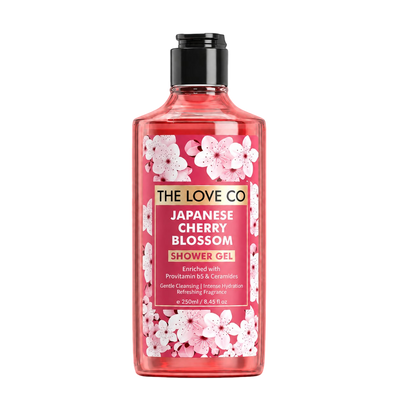
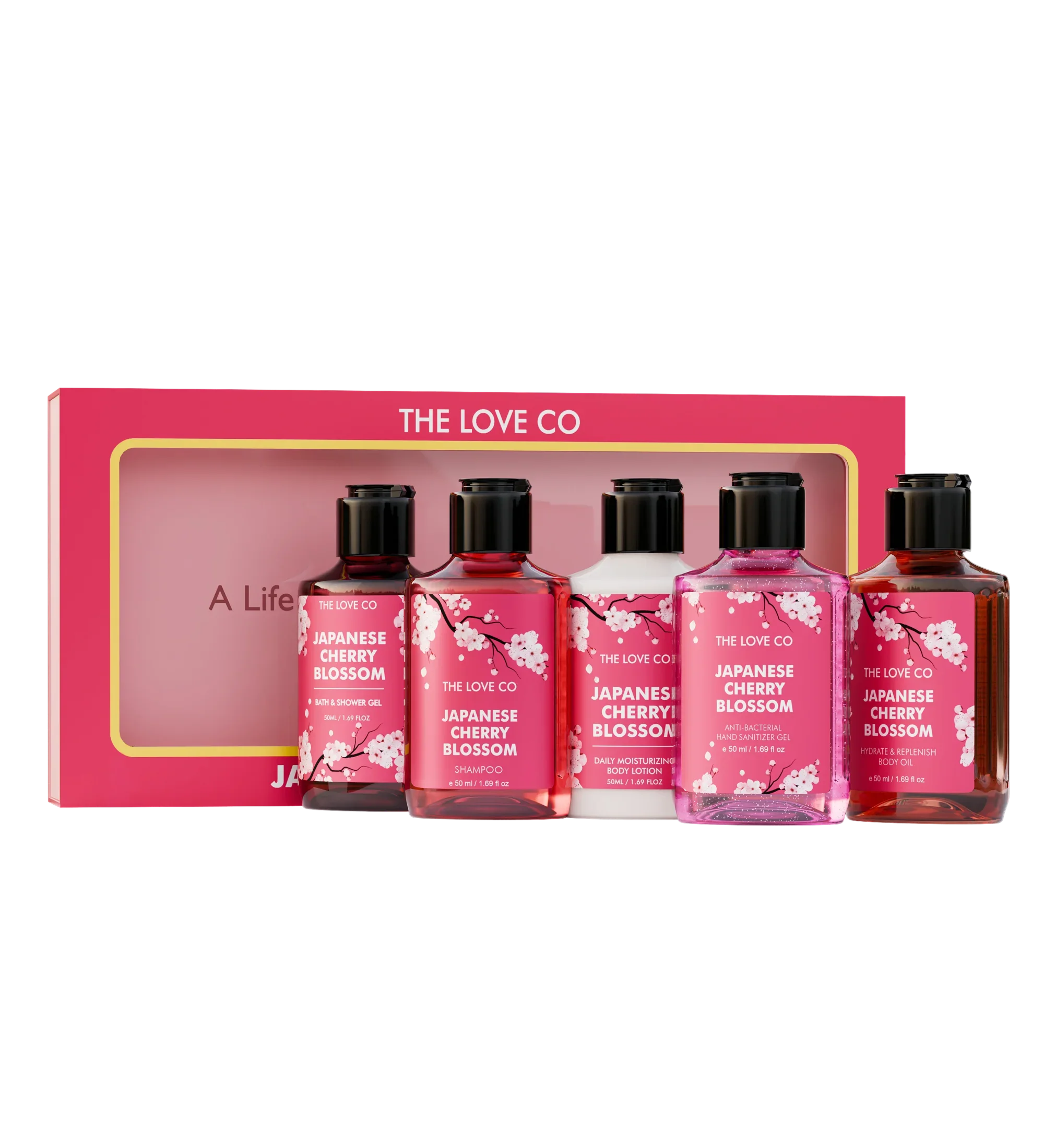
Japanese Cherry Blossom Body Wash
Scent Trail Step 1 · soft floral body wash Start the Scent Trail here. A pH 5.5, SLS-free cleanser that protects your skin barrier while it washes —...
A ritual is the smallest love you give yourself, daily.
— Anaya Rao · 08 May 2026