Winter Fragrance Layering: How to Build Warmth and Depth
Cold air does something unkind to fragrance.
In summer, heat does the work — your body temperature rises, the skin diffuses effortlessly, and fragrance projects almost without assistance. In winter, the opposite occurs. Cold air suppresses molecular movement. The sillage that bloomed easily in July now clings close to the skin, barely projecting, seemingly fading within minutes of application.
This is not a product failure. It is physics. And winter fragrance layering is the solution — a specific approach to building warmth, depth, and projection into your scent during the months when the ambient environment works against you.
Why Winter Changes Everything About Fragrance
The same perfume behaves differently in different temperatures. This is one of fragrance's most fundamental characteristics.
Volatile fragrance molecules require kinetic energy — warmth — to evaporate from the skin and travel through the air to someone else's nose. In cold weather, the ambient temperature reduces this kinetic energy. Evaporation slows. The fragrance sits closer to the skin, its projection radius reduced, its perceived intensity lowered.
For India, this is most relevant in the cooler months — November through February across most of the country, year-round in higher altitude regions. These are months when the same EDP that felt dominant in May now feels like a whisper.
Winter fragrance layering addresses this in two ways: by building a richer, warmer foundation that compensates for reduced ambient diffusion, and by choosing fragrance families that are molecularly suited to cold-weather performance.
The Winter Fragrance Palette
Not all fragrances are created equal in cold weather. The families that thrive in winter are those built around heavier, more resinous molecular structures — the same structures that give them longevity at any temperature, now providing persistence in conditions that suppress lighter molecules.
Oriental and Amber
Warm, resinous, deeply lasting. Amber's molecular structure makes it one of the most cold-weather-resistant fragrance families. Oriental compositions — vanilla, tonka, benzoin, labdanum — project warmth from the skin even when the air around is cool. These are the fragrances that feel made for winter precisely because they embody warmth at a molecular level.
Woody and Earthy
Sandalwood, cedarwood, oud, vetiver, and patchouli. The woody family has exceptional longevity at any temperature, and in cold weather it develops an additional quality: a rich, enveloping character that reads as genuinely warming rather than simply present. An oud composition in winter develops differently than in summer — less expansive, more intimate, deeply rich.
Musk and Skin Scents
Cold weather is particularly kind to musky, skin-like fragrances. These close-wearing compositions — designed to linger just above the skin rather than projecting dramatically — become ideal in winter. They create a warm, intimate envelope that those near you experience as compelling without the projection that might feel overwhelming in enclosed, heated spaces.
Spiced and Gourmand
Cardamom, black pepper, clove, nutmeg. Smoky, woody tobacco. Coffee and cacao. The spice and gourmand families bring an additional sensory warmth — the association with warm drinks, warm spices, comfortable interiors — that feels viscerally appropriate for cold-weather wear.
The Winter Layering Protocol
Winter fragrance layering uses the same structural logic as year-round layering — body wash, body oil or lotion, EDP — but with specific adjustments for the season.
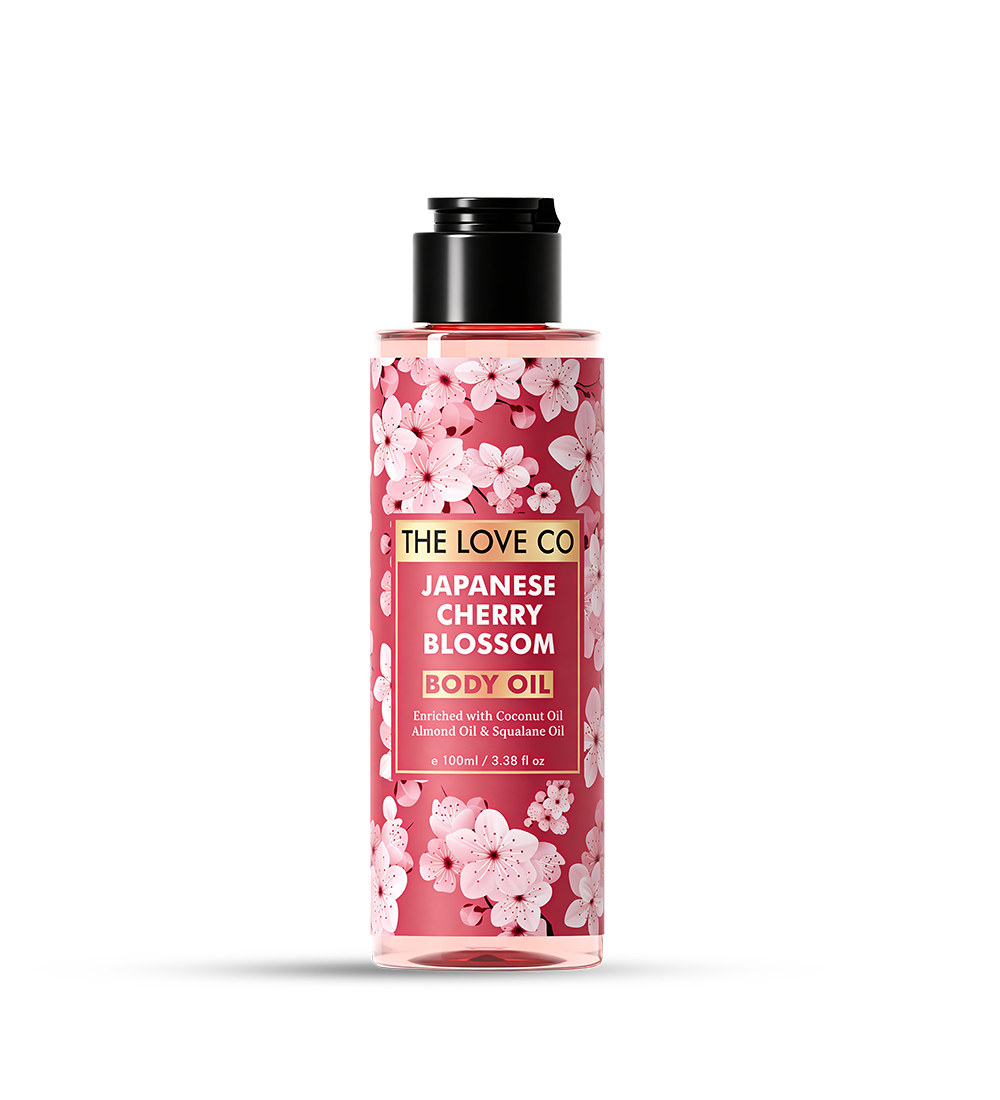
Upgrade from Lotion to Body Oil
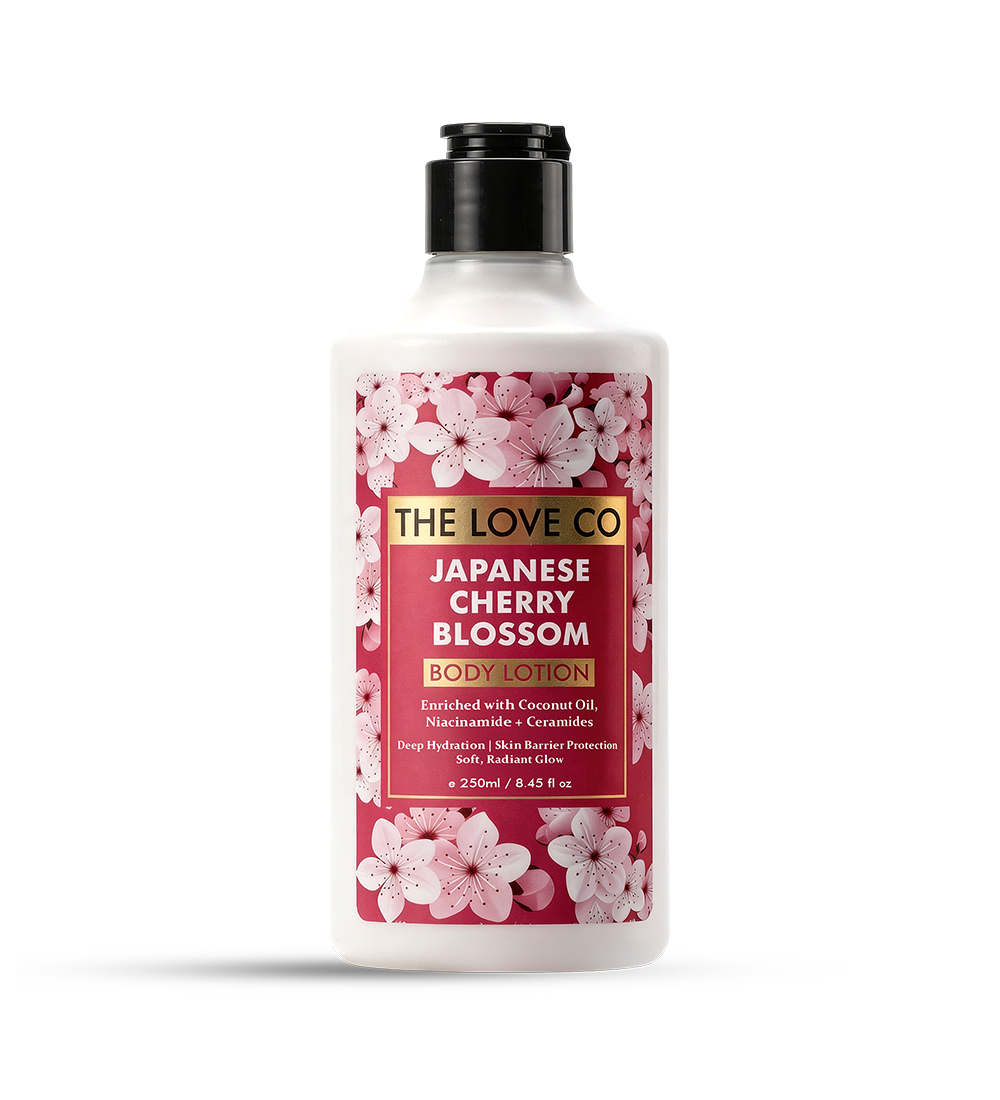
This is the most significant winter adjustment. Body oil creates a more occlusive barrier than lotion and holds warmth more effectively against the skin. In cold weather, when the skin tends toward greater dryness, the additional richness of a body oil is both cosmetically beneficial and strategically useful for fragrance retention.
Choose an oil that matches your winter fragrance family: a warm, amber-infused oil under an oriental EDP; a sandalwood oil under a woody fragrance; an unscented jojoba base under anything you want to keep clean.
Apply generously to pulse points and allow two to three minutes of partial absorption before applying EDP. The oil should leave a slight luminous warmth on the skin — visible and tactile, not heavy or greasy.
Apply to More Pulse Points in Winter
In warm weather, two or three pulse points are sufficient for confident projection. In winter, expand your application. Add the back of the neck, the inner arms above the elbow, and the décolletage. These additional warm points create a fuller sillage envelope that compensates for reduced ambient diffusion.
Consider a Mid-Day Reapplication Strategy
Even with excellent layering, certain fragrances (particularly lighter ones worn in winter) may benefit from a small reapplication mid-day. Apply to the inner wrist only — not over the morning's application to the neck, which may still have fragrance present. The wrist reapplication renews the top and middle notes while the base notes from the morning's application continue to provide depth.
The EDP Application: Warmer Than Usual
In winter, pulse points are slightly cooler than in summer. To compensate, exhale warm breath onto the application area for two to three seconds before spraying — a small action that temporarily warms the surface and improves the initial diffusion of the top notes.
Building a Winter Fragrance Wardrobe
Winter provides an opportunity that summer does not: the possibility of genuinely dramatic, complex fragrances that would feel excessive in warm weather.
The same oud and amber composition that might be perceived as overwhelming in July becomes entirely appropriate — even understated — in December. This seasonal shift invites experimentation with the richer end of the fragrance spectrum.
A practical winter fragrance wardrobe:
Daytime: A lighter oriental or warm floral — rose with amber undertones, or a clean musk with soft spice. Present but not heavy for professional contexts.
Evening and social: A full oriental, woody-oud, or spiced amber. These fragrances are designed for the temperatures and the intimacy of evening contexts — candlelight, warm rooms, close conversation.
Weekend and casual: A gourmand or spiced woody. Coffee, fig, tobacco, and black pepper fragrances that feel personally warming without the formality of a full oriental accord.
Indoor vs. Outdoor in Winter
One nuance specific to winter fragrance layering: the contrast between indoor and outdoor environments.
When moving between a cold exterior and a heated interior, your fragrance projection changes dramatically. A scent that is barely perceptible outside becomes significantly more present in a warm, enclosed room as your skin temperature rises and the fragrance begins diffusing more actively.
This means winter fragrance requires calibration. Apply conservatively — one or two pulse points with the full layering system — before entering a warm office or indoor gathering. You will project more than you expect once the warmth of the room takes effect.
The Feeling That Winter Fragrance Builds
There is a particular quality to a well-chosen, well-layered winter fragrance that no other season replicates.
The sillage does not travel far — it stays close, intimate, something that only those near you can experience. It is a trail designed for proximity. For the warmth of a conversation over coffee, for the moment someone leans close. For the feeling of being present and warm when everything around is cool.
Winter fragrance layering is not about projecting loudly. It is about building something genuinely warm from the inside — a sensory signature that speaks quietly to those close enough to hear.
The full fragrance layering guide gives you the complete system. This is how you adapt it for the season that rewards depth over volume.
Build it carefully. Wear it warmly. And let the cold make it intimate.
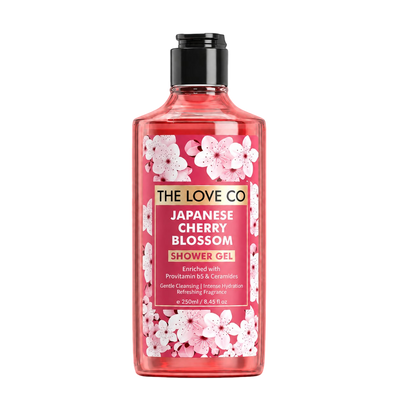
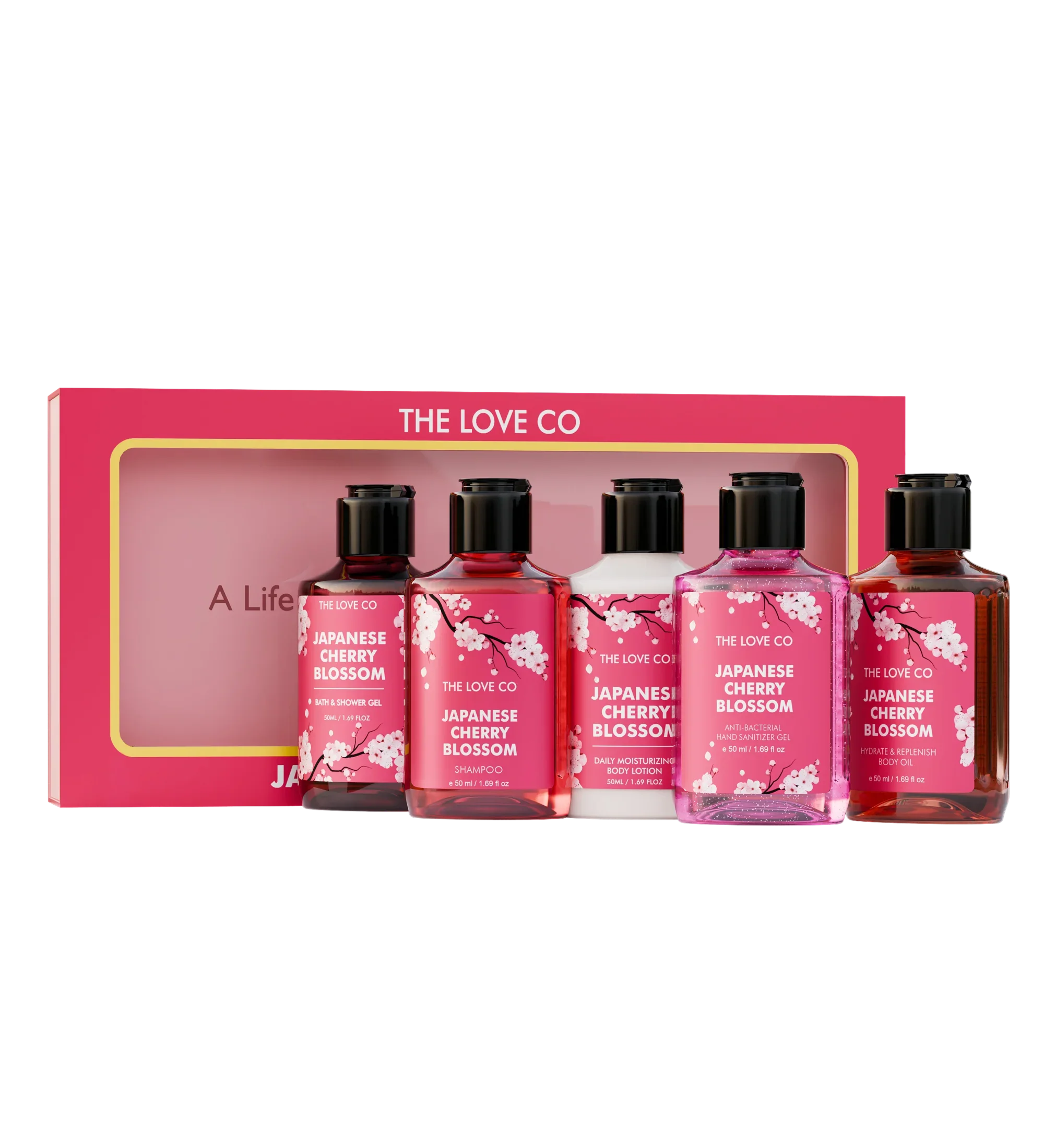
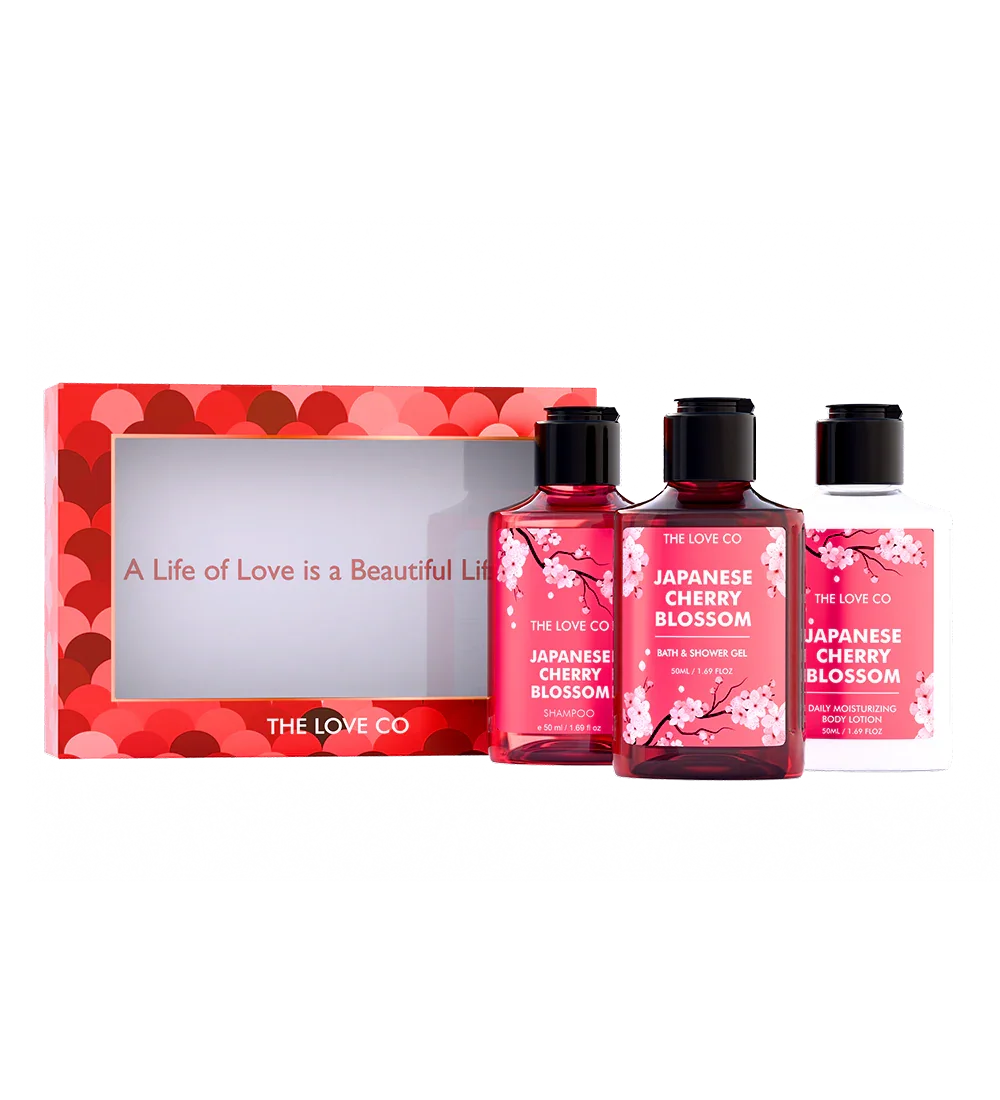
Japanese Cherry Blossom Body Wash
Scent Trail Step 1 · soft floral body wash Start the Scent Trail here. A pH 5.5, SLS-free cleanser that protects your skin barrier while it washes —...
A ritual is the smallest love you give yourself, daily.
— Anaya Rao · 08 May 2026