

Charcoal Body Wash: Active Detox or Marketing Myth?
Activated charcoal had a moment — black body washes, charcoal masks, charcoal toothpaste. Some of the claims attached to it were sensible. Many were not. A few years on, it's worth separating what activated charcoal actually does for skin from what brands invented to sell it.
The honest answer is somewhere in the middle: charcoal has genuine functional properties in body wash, but it's not detoxifying your bloodstream, and it's not the most powerful active available. It has a specific, useful role — and that role is worth understanding.
What Activated Charcoal Is
Activated charcoal is carbon that has been processed at high temperatures to create an extremely porous structure. This porosity gives it an enormous surface area — one gram of activated charcoal can have a surface area of over 3,000 square metres. This surface area is what makes it useful: it's exceptionally good at adsorbing (binding to its surface) other molecules.
Medically, activated charcoal is used in emergency settings to bind and prevent absorption of certain poisons and drug overdoses in the digestive tract. This is where the "detox" narrative originated — and where it should have stayed. Applied to skin in a body wash and rinsed off within minutes, activated charcoal has no access to your bloodstream, liver, or any internal system. The detox claims for topical charcoal are, scientifically, unfounded.
What Charcoal Body Wash Actually Does
Within its actual scope of action — the skin's surface — activated charcoal has two legitimate functions:
Adsorption of Surface Impurities
Charcoal binds to excess sebum, environmental pollutants, and surface residue during the wash, removing them more completely than surfactant cleansers alone. For people in urban environments with high pollution exposure, or those with noticeably oily body skin, this adsorptive cleansing provides a deeper clean sensation that's partially real, not just perceived.
Pore Appearance
By removing excess oil from pores on the surface, charcoal can temporarily reduce the appearance of enlarged pores on oily areas of the body — back, chest, and shoulders particularly. This is cosmetic rather than structural; the pores return to their normal appearance once sebum repopulates them, but with consistent use, the effect is maintained.
Where the Claims Fall Apart
"Draws out toxins" — no evidence for this in topical rinse-off application. Toxins in the clinical sense are processed by the liver and kidneys; they don't accumulate in skin pores waiting to be removed by charcoal.
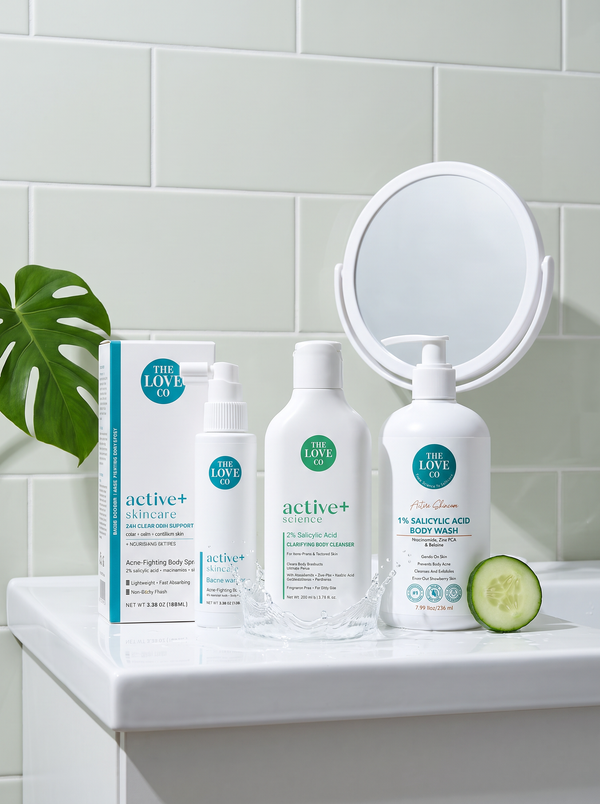
"Deep pore cleansing" — charcoal adsorbs surface material but doesn't penetrate pores the way salicylic acid does. For actual pore-clearing, a BHA is more effective.
"Balances oil production" — charcoal removes surface oil but doesn't regulate sebaceous gland activity. Niacinamide and zinc compounds do; charcoal doesn't.
Who Charcoal Body Wash Is Actually For
Charcoal body wash is genuinely useful for:
- People with oily body skin who want a cleaner, less greasy post-shower feeling
- Anyone in high-pollution urban environments who wants more thorough surface cleansing
- Those who train frequently and want the perception and reality of a deeper cleanse after heavy sweating
- People who enjoy the texture and ritual of a charcoal wash — the sensory experience is part of a good body care routine
It's less suited to dry or sensitive skin — the adsorptive action can remove too much natural oil from skin that already lacks it, worsening dryness.
Best Used as a Complement, Not a Hero
Charcoal body wash works best as one component of an active routine, not as a standalone treatment. Pair it with a salicylic acid wash used on alternate days for actual pore-clearing benefit, and follow consistently with a hydrating or niacinamide body lotion to replace what charcoal's adsorptive action removes.
The ritual of a charcoal body wash — the visual drama of the colour, the clean-skin sensation after rinsing — has real value in making a body care routine something you look forward to. Just don't expect it to do things it was never designed to do.
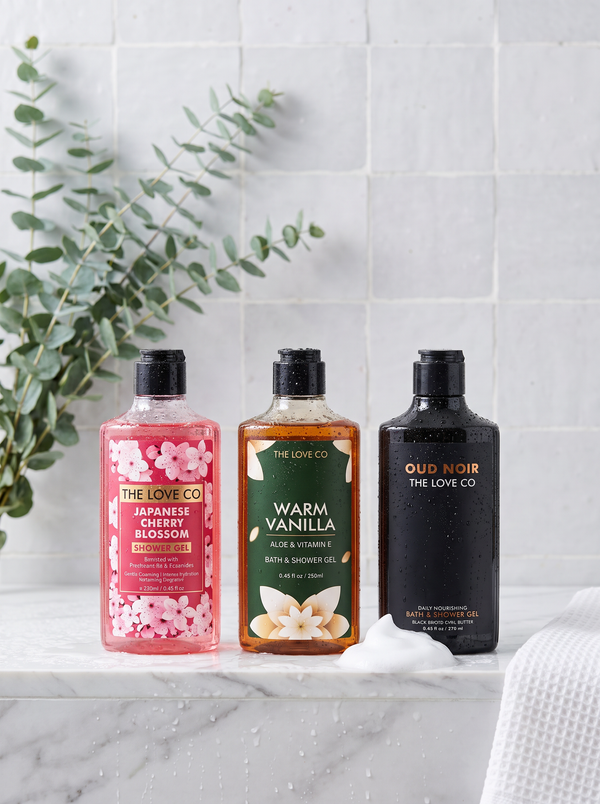
Explore The Love Co's body wash collection — formulations built on ingredients that work, communicated honestly.
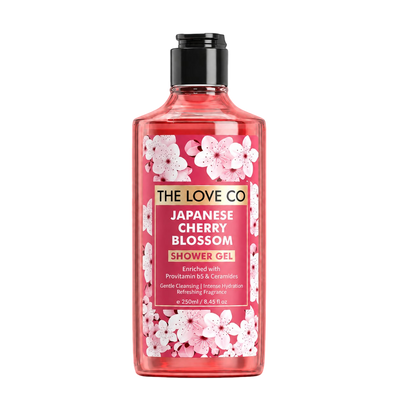
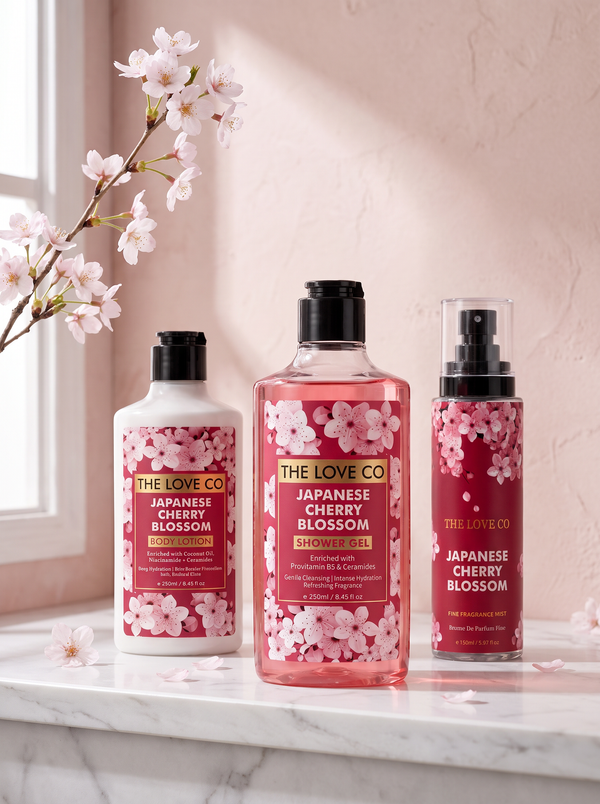
Japanese Cherry Blossom Shower Gel
Scent Trail Step 1 · soft floral body wash Start the Scent Trail here. A pH 5.5, SLS-free cleanser that protects your skin barrier while it washes —...
A ritual is the smallest love you give yourself, daily.
— Shopify API · 07 May 2026