Cracked Heels: The Complete Treatment Guide for Indian Skin
Cracked heels are extremely common in India — and chronically undertreated. Most people reach for moisturising creams that provide temporary softness but don't address the underlying problem: the heel skin is too thickened, too dry, and too prone to fissuring to respond to ordinary moisturiser. The treatment requires a keratolytic first, then an occlusive, applied in the right sequence.
Why Heels Crack
The heel bears the full weight of the body with each step — this mechanical pressure drives the skin to thicken as a protective response. Thickened skin (hyperkeratosis) loses moisture far faster than normal skin, and without adequate hydration, the thickened layer becomes brittle and fissures. The problem is compounded by Indian footwear habits: open-backed slippers (chappals) expose the heel and allow moisture to evaporate constantly.
The Treatment Protocol
Step 1 — Soak (5 minutes): Warm water soak softens the thickened skin and makes it receptive to treatment. Don't soak for longer — extended soaking further dries skin by removing its natural oils.
Step 2 — Urea (20-40%) foot cream: This is the key ingredient most heel creams lack. Urea at 20-40% dissolves the excess keratin that forms the thick, cracked layer. Apply immediately after soaking, to damp skin. This is the keratolytic step.
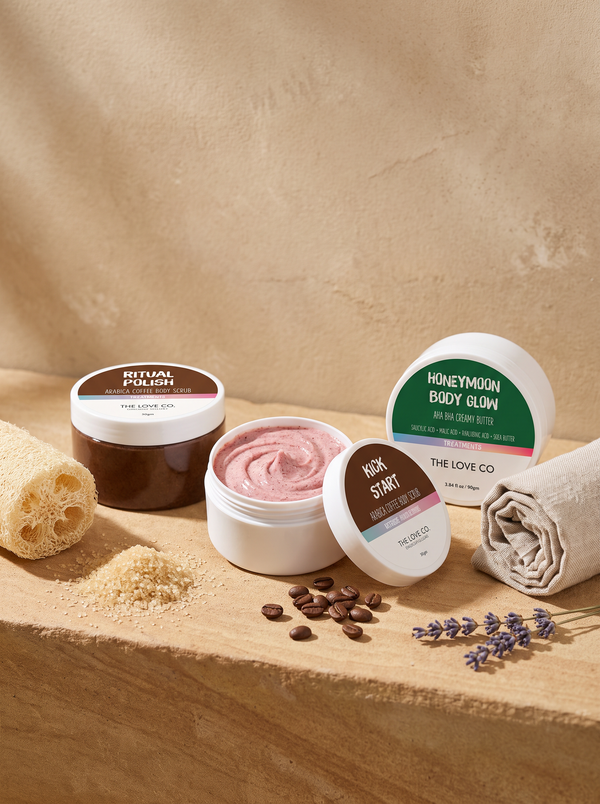
Step 3 — Occlude: After the urea cream absorbs (15 minutes), apply a thick body butter or petroleum jelly over it. The occlusive layer traps the moisture the urea has drawn in and prevents evaporation overnight.
Step 4 — Cotton socks overnight: The single most effective accelerator. Wearing cotton socks overnight creates a micro-climate that allows the urea and occlusive to work for 8 continuous hours rather than 2-3 before it rubs off.
Timeline
Significant improvement in 5-7 days. Full resolution of deep fissures in 2-3 weeks. Maintenance: apply urea cream 3x per week once heels are healed.
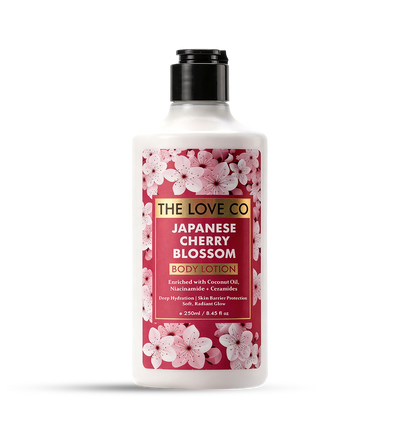
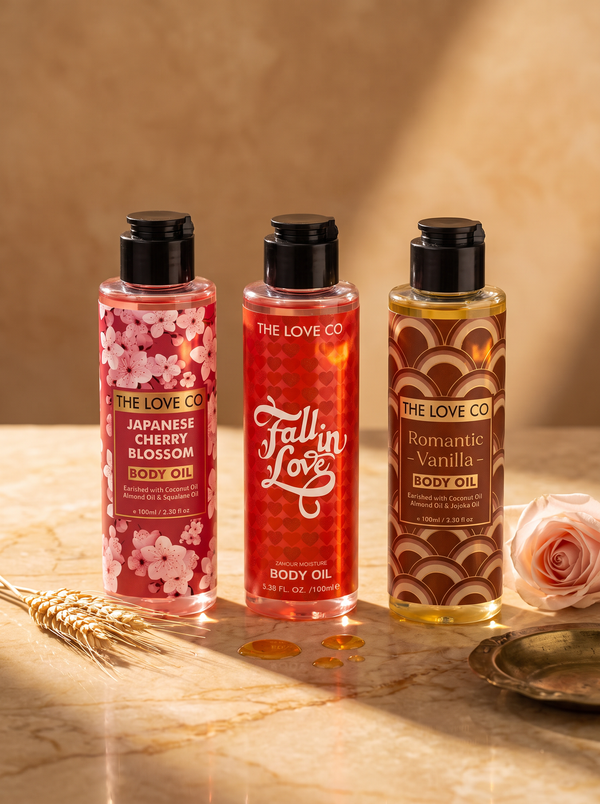
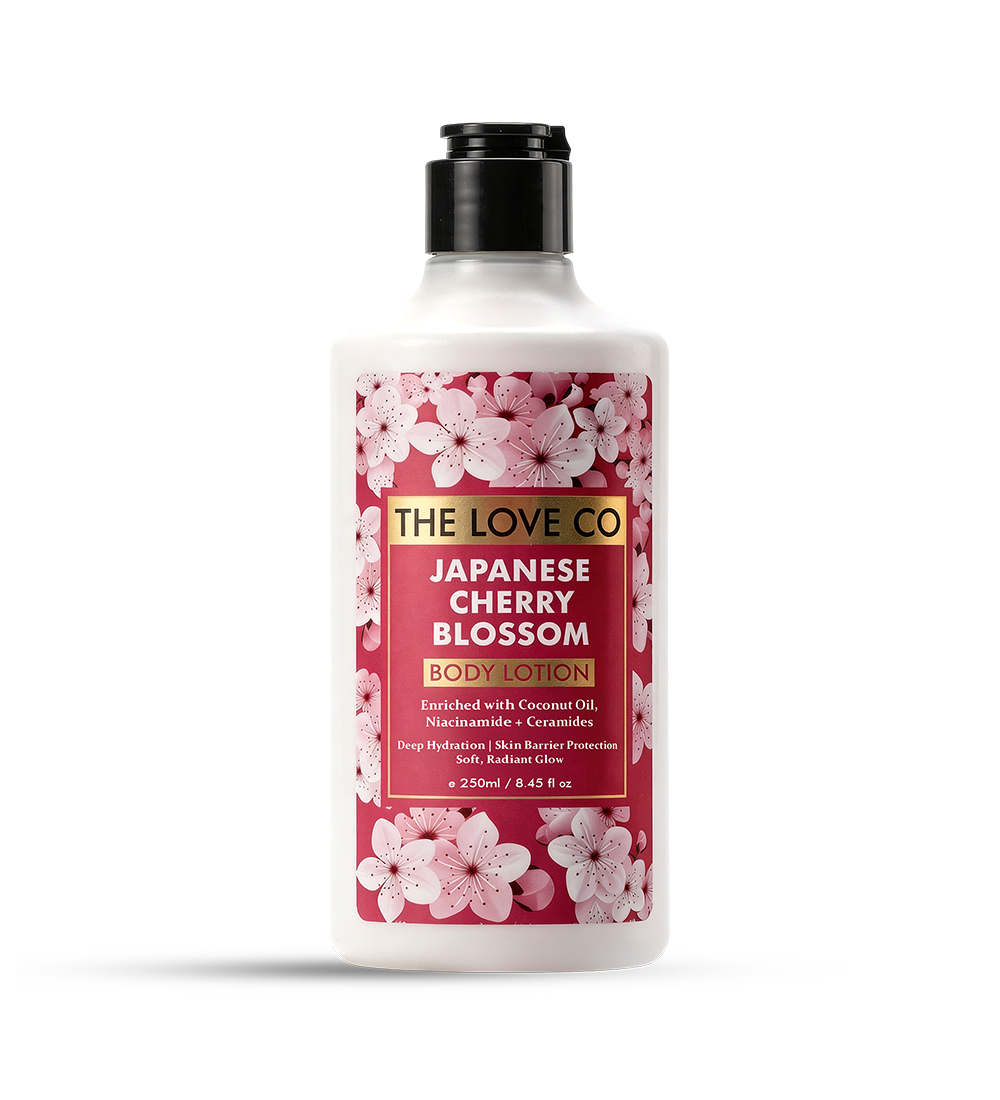
Shop The Love Co's rich body lotion range for intensive foot and heel treatment.
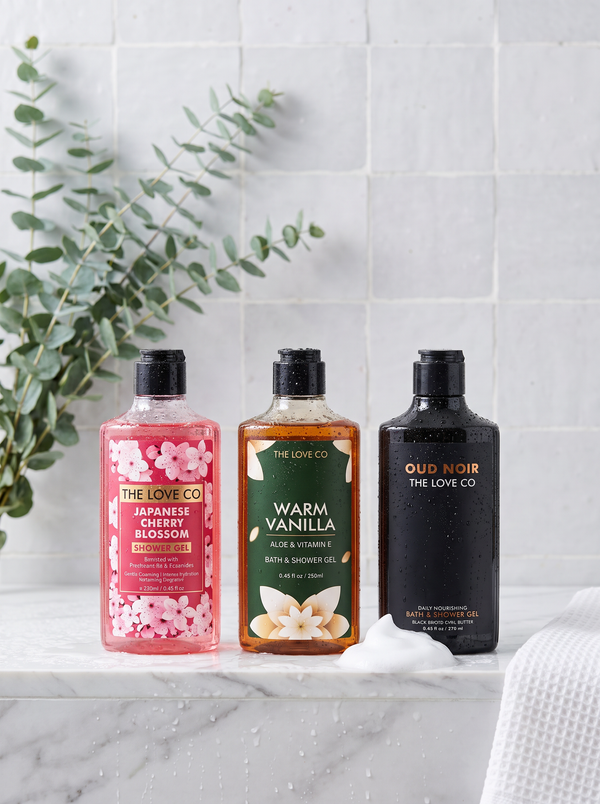
Japanese Cherry Blossom Shower Gel
Scent Trail Step 1 · soft floral body wash Start the Scent Trail here. A pH 5.5, SLS-free cleanser that protects your skin barrier while it washes —...
A ritual is the smallest love you give yourself, daily.
— Shopify API · 08 May 2026