Retinol Body Lotion: Does It Really Work Below the Neck?
Retinol is the gold standard ingredient in face skincare — backed by decades of research for anti-ageing, texture improvement, and acne. But most people have never considered using it on their body.
That gap is starting to close. Retinol body lotions are increasingly available, and the logic is sound: if retinol works on face skin, it should work on body skin too. Here's what the evidence says and what to expect.
What Retinol Does
Retinol is a form of vitamin A that, once applied to skin, converts to retinoic acid — the biologically active form that skin cells can use. It works at a cellular level by binding to retinoid receptors and triggering a cascade of changes:
- Accelerated cell turnover — old, damaged cells at the surface shed faster and are replaced by newer cells from deeper layers
- Collagen stimulation — retinol activates fibroblasts (collagen-producing cells), leading to firmer, thicker skin over time
- Reduced hyperpigmentation — faster turnover means pigmented surface cells are replaced more quickly, gradually evening skin tone
- Pore refinement — regular use reduces the appearance of enlarged pores on body skin
Why Body Skin Benefits Differently
Body skin is thicker and less sensitive than face skin in most areas — which means it can typically tolerate retinol more easily. This is useful: the initial "retinol adjustment period" (dryness, flaking, slight irritation) that many people experience on the face is less intense on the body.
The areas where retinol body lotion is most impactful:
- Upper arms — crepey, loose texture improves noticeably with consistent use
- Thighs — texture, firmness, and the appearance of rough, dimpled skin improve over 8–12 weeks
- Décolletage — sun-damaged, uneven skin on the chest and upper chest responds well, similar to face results
- Knees and elbows — thick, rough skin in these areas softens and brightens
What Concentration to Use on the Body
For body application, start with 0.025% to 0.05% retinol. This is lower than what most face products contain, but body skin covers a much larger surface area — using high concentrations across the entire body can cause systemic absorption concerns over time, particularly during pregnancy.
For non-pregnant adults, 0.1% retinol on body skin used 3–4 nights per week is effective and well-tolerated after an initial adjustment period.
How to Introduce Retinol Body Lotion
Start twice a week. Apply to clean, completely dry skin — retinol is more irritating on damp skin. Apply to one area first (upper arms, for example) and monitor for 1–2 weeks before applying to larger areas.
Retinol is photosensitive — it breaks down in UV light and can increase sun sensitivity. Use exclusively at night. On exposed areas (arms, décolletage), apply SPF during the day while using retinol consistently.
The Patience Requirement
Retinol works slowly on the face. On the body — where cell turnover is even slower — results take longer. Expect:
- 4–6 weeks: smoother texture, less roughness on elbows and knees
- 8–12 weeks: visible improvement in skin firmness on thighs and upper arms
- 3–6 months: meaningful reduction in crepey texture and hyperpigmentation
These timelines assume consistent use — 3 to 4 nights per week without long gaps. Inconsistent use resets progress significantly.
Who Should Avoid Retinol Body Lotion
Anyone who is pregnant or breastfeeding should avoid retinol entirely — on face and body. Those with very sensitive skin, eczema, or psoriasis should consult a dermatologist before starting, as retinol can trigger flares in compromised skin barrier conditions.
Pair It With a Barrier-Supporting Wash
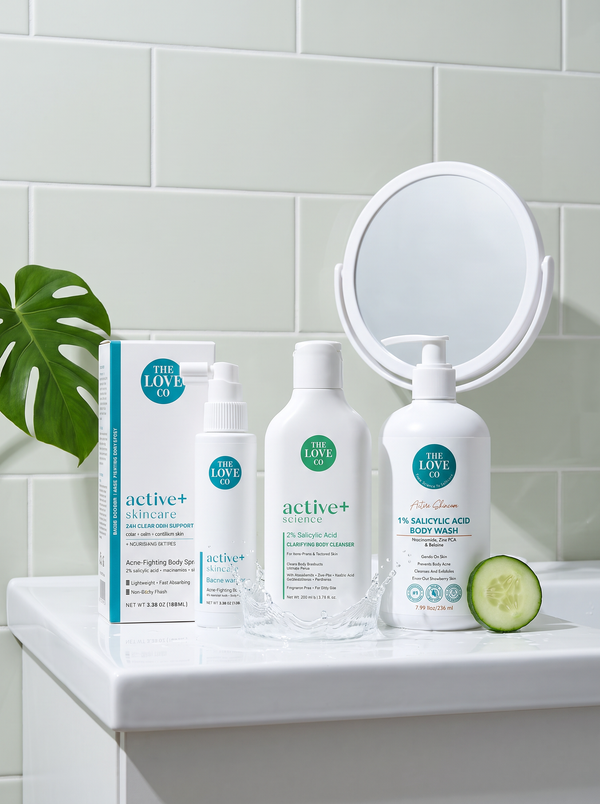
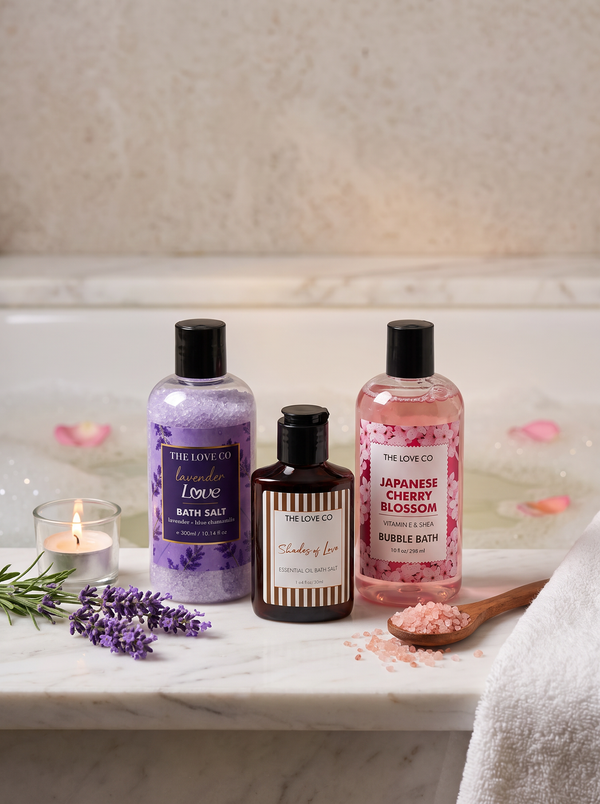
On nights you use retinol body lotion, use a gentle, non-exfoliating body wash. Avoid glycolic or salicylic acid washes on retinol nights — the combination can over-exfoliate and cause irritation. On alternate nights, the acid wash works well to enhance cell turnover that retinol is already accelerating.
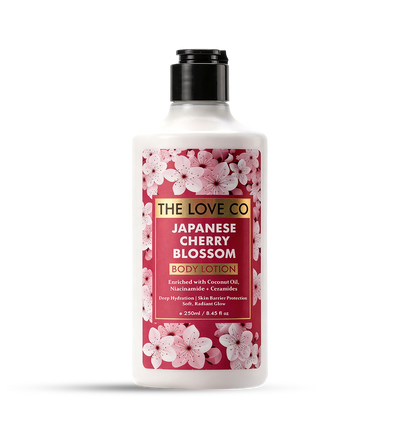
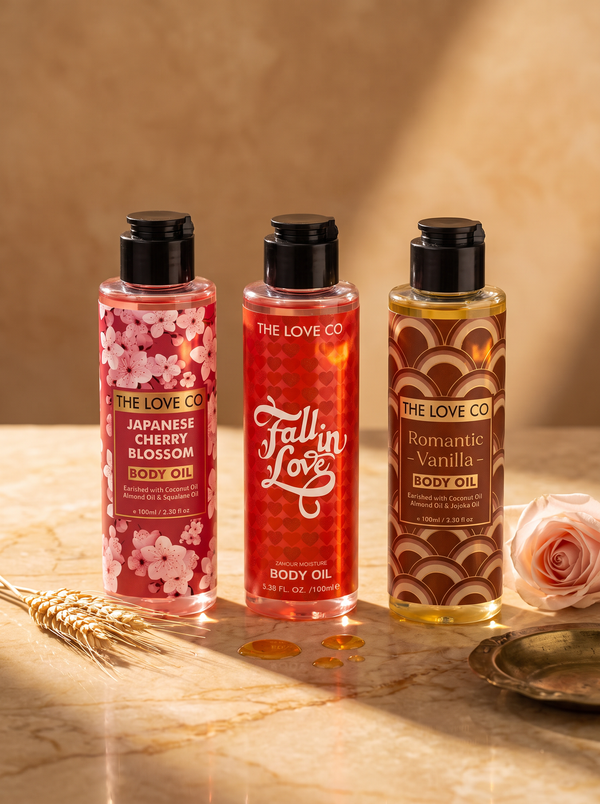
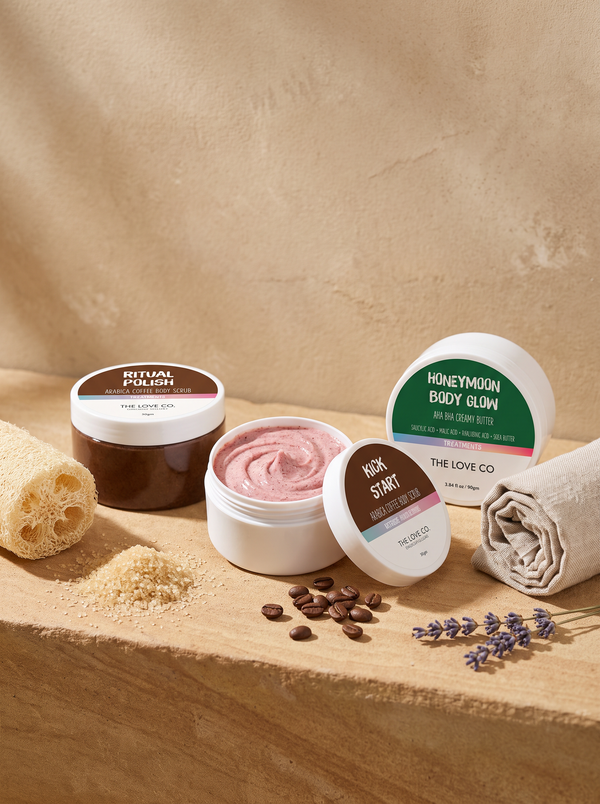
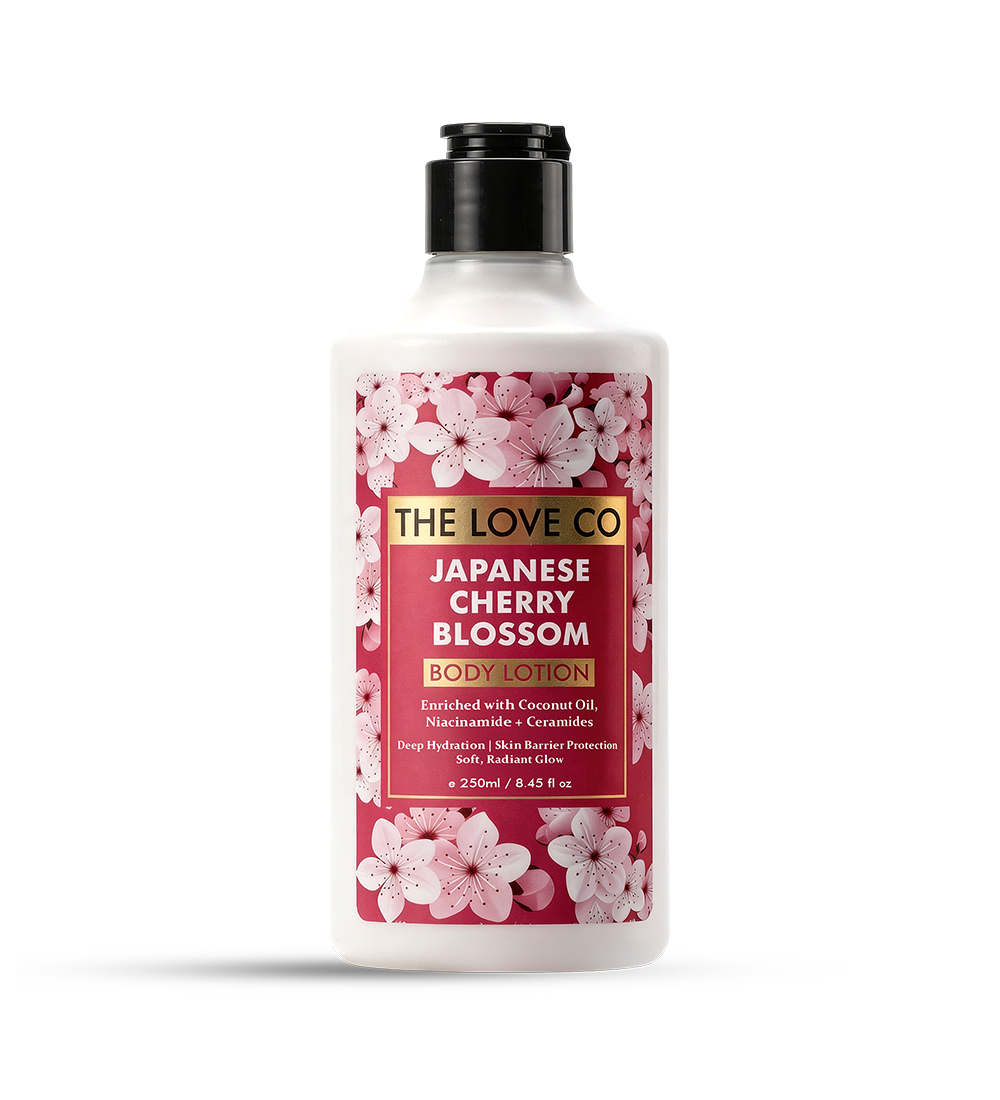
Explore The Love Co's body lotion range — active formulations for body skin that work while you rest.
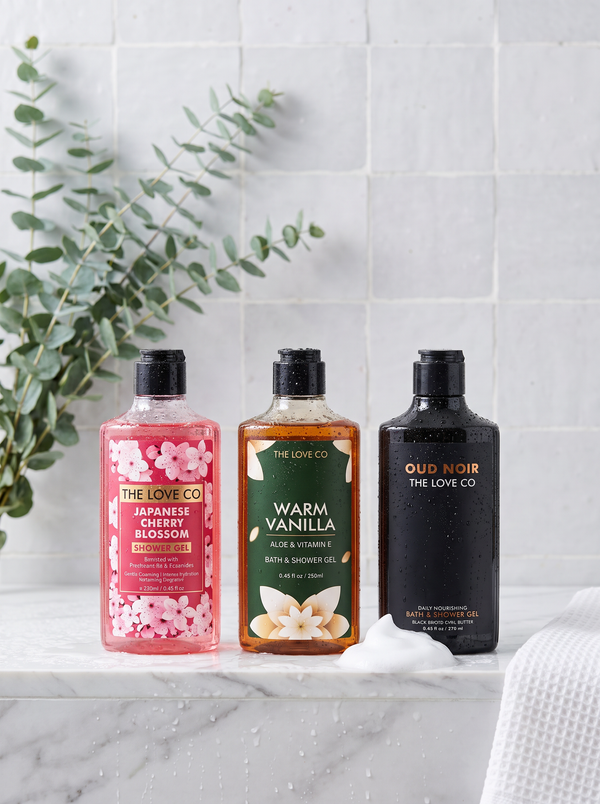
Japanese Cherry Blossom Shower Gel
Scent Trail Step 1 · soft floral body wash Start the Scent Trail here. A pH 5.5, SLS-free cleanser that protects your skin barrier while it washes —...
A ritual is the smallest love you give yourself, daily.
— Shopify API · 07 May 2026