No flower has been as obsessively documented, cultivated, distilled, and worn as the rose. For at least 3,000 years, it has been the universal symbol of love — not by convention, but because it earns it. The smell of a true rose in full bloom is one of the most complex natural scents on earth, with over 300 identified aromatic compounds. A perfumer who says they understand rose is either very wise or lying.
The history of rose in fragrance
The first recorded use of rose in fragrance dates to ancient Persia, where rose water was produced through steam distillation — a technique that has not fundamentally changed in 2,000 years. Cleopatra reportedly had the floors of her chambers strewn with rose petals before meeting Caesar. In Mughal India, Nur Jahan is said to have discovered rose attar when rose petals floating in water in a canal began releasing their oil in the sun's heat.
Rose attar — rose oil distilled in a sandalwood base — became one of the great luxury goods of the Mughal court, and it remains one of the most expensive fragrance materials available. A kilogram of pure rose absolute requires approximately 3–5 tonnes of petals, all hand-picked at dawn before the heat evaporates the volatiles.
What makes rose smell like love
The primary aromatic compounds in rose — geraniol, citronellol, rose oxide — are not unique to rose, but their specific combination is. Rose oxide, in particular, produces the characteristic green, dewy freshness that distinguishes live rose from any recreation. It is one of the most powerful aromatic compounds known: detectable by the human nose at parts per billion.
But it is not just chemistry. Rose has been associated with love for so long that the association is neurologically embedded. The smell of rose triggers emotional responses that are partly learned, partly chemical, and partly older than language.
Modern rose in perfumery
Contemporary rose fragrances are not all the same. Turkish rose (Rosa damascena) is the most prized: rich, honeyed, slightly spicy. Egyptian rose is more green and fresh. Bulgarian rose is considered the finest for absolute production. A perfumer's choice of rose variety shapes the entire character of the fragrance.
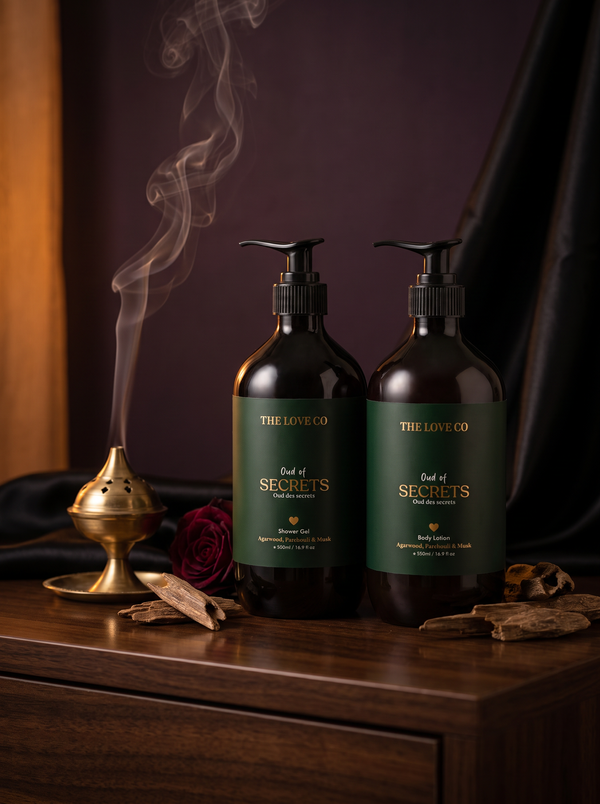
Paired with oud, rose becomes intense and regal — the classic combination of the Gulf. With musk, it becomes intimate. With patchouli, it gains a dark, almost gothic depth. With fresh citrus, it becomes the pink rose of morning rather than the red rose of evening.
How to wear rose without feeling like a grandmother's wardrobe
The key is the base note combination. Rose over a clean musky base is modern, intimate, personal. Rose over vanilla is warm and approachable. Rose over oud is powerful and memorable. The rose itself is not dated — the surrounding structure is what determines era.
The flower has been teaching the world about love for three thousand years. It has not run out of things to say.
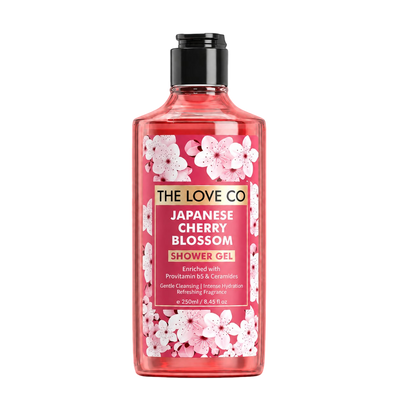
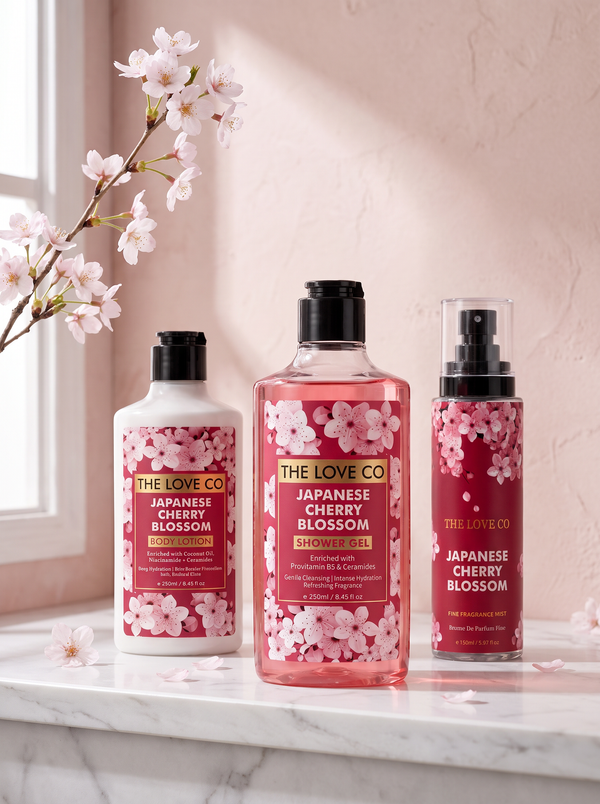
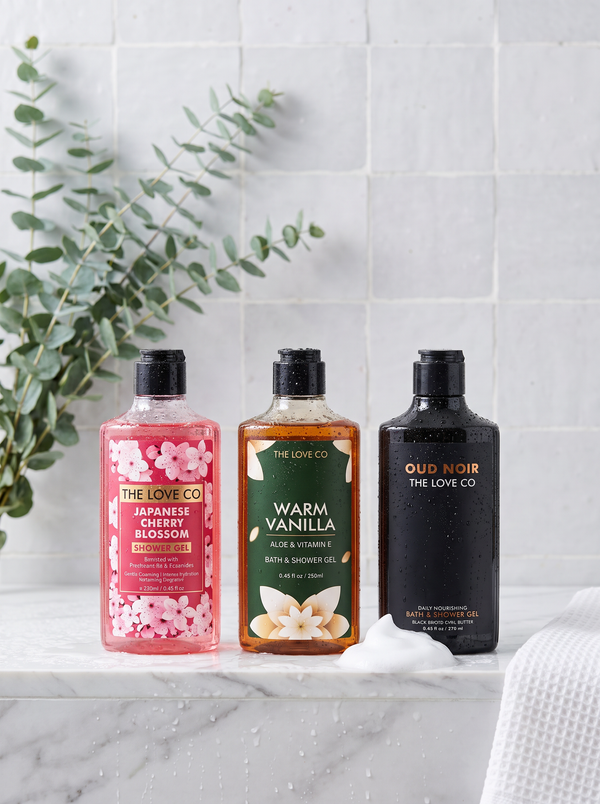
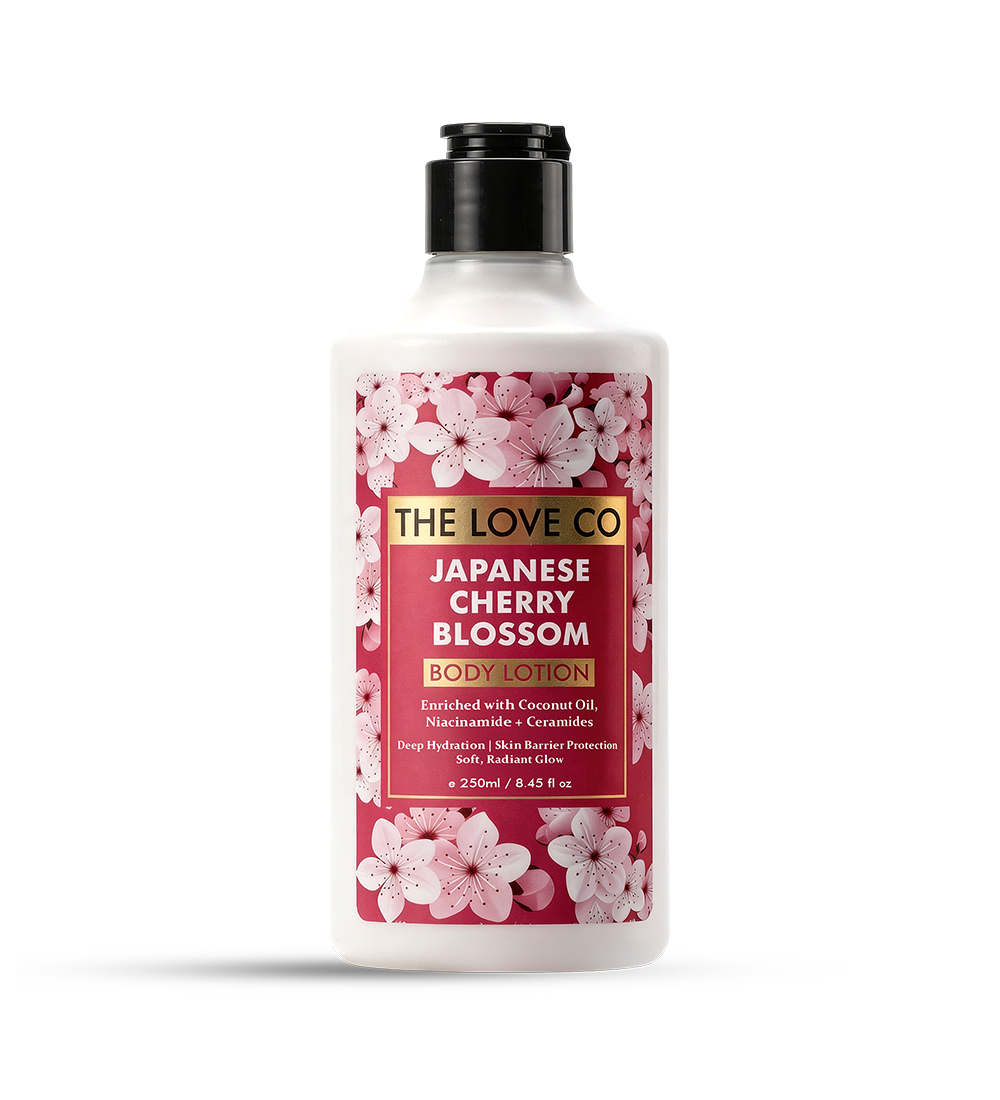
Japanese Cherry Blossom Shower Gel
Scent Trail Step 1 · soft floral body wash Start the Scent Trail here. A pH 5.5, SLS-free cleanser that protects your skin barrier while it washes —...
A ritual is the smallest love you give yourself, daily.
— Meher Kapoor · 02 May 2026