Tea Tree Body Wash: The Antibacterial Cleanser Explained
Tea tree oil has been used in Australian traditional medicine for over a century. In the last two decades, it's found its way into mainstream skincare — and with good reason. Unlike many "natural" ingredients that carry more marketing weight than evidence, tea tree oil has a genuinely solid body of research behind it.
But there's a gap between using a product with "tea tree" on the label and using one that actually works. Here's what the ingredient does, what it doesn't do, and what to look for.
What Tea Tree Oil Actually Is
Tea tree oil is an essential oil extracted from the leaves of Melaleuca alternifolia, a plant native to Australia. Its active components — primarily terpinen-4-ol, which makes up 30–48% of the oil — are responsible for its antimicrobial, antifungal, and anti-inflammatory properties.
Terpinen-4-ol disrupts the cell membranes of bacteria and fungi, causing them to lose structural integrity. It's effective against a wide range of bacteria including Staphylococcus aureus, Staphylococcus epidermidis, and Cutibacterium acnes — all of which are implicated in body acne, folliculitis, and body odour.
What Tea Tree Body Wash Is Good For
Body Acne and Folliculitis
Folliculitis — inflammation of hair follicles causing small, red, sometimes pustular bumps — is common on the back, chest, thighs, and buttocks, particularly in those who exercise regularly, wear tight clothing, or sweat heavily. Tea tree oil reduces the bacterial population responsible for these lesions. Clinical studies have shown 5% tea tree oil to be comparable to 5% benzoyl peroxide for mild to moderate acne, with fewer side effects.
Body Odour
By reducing the specific bacteria that metabolise apocrine sweat compounds into odour-causing molecules, regular tea tree body wash use provides meaningful odour reduction that goes beyond fragrance masking. This is cumulative — the effect builds over weeks of consistent use as the resident bacterial population on skin shifts.
Fungal Concerns
Tinea versicolor (a common fungal skin condition causing pale or pink patches, most visible on the back and chest) and other superficial fungal concerns respond to tea tree's antifungal properties. Terpinen-4-ol has demonstrated efficacy against Malassezia species — the fungal group responsible for tinea versicolor and contributing to dandruff and certain types of facial seborrhoeic dermatitis.
General Skin Cleanliness
For anyone who prioritises microbial cleanliness — healthcare workers, people who handle animals, those in high-contact environments — tea tree body wash provides a meaningful additional layer of skin hygiene beyond what standard surfactant-based cleansers achieve.
What Tea Tree Body Wash Won't Do
It won't significantly fade hyperpigmentation — that requires melanin inhibitors. It won't exfoliate — that requires acids. It won't deeply hydrate — that requires humectants and emollients in a lotion.
Tea tree body wash is a treatment for bacterial and fungal-related skin concerns. For brightening or hydration goals, different actives are needed — often in combination with tea tree if those concerns occur alongside acne or odour.
Concentration Matters
The concentration of tea tree oil in a body wash determines whether it's functional or cosmetic. Below 1%, the antimicrobial effect is minimal. Research-backed concentrations fall between 2% and 5% for body wash applications.
At these concentrations, tea tree is generally well-tolerated, including on sensitive skin. Pure tea tree oil applied undiluted is a different matter — at 100% concentration it's a known sensitiser and should never be applied directly to skin. In a properly formulated wash, these concerns don't apply.
Fragrance and Tea Tree: A Natural Pairing
Tea tree has a medicinal, herbaceous scent that blends well with eucalyptus, mint, citrus, and green fragrances. A well-formulated tea tree body wash doesn't smell like a pharmacy — it smells like intentional, active cleansing.
The combination of a functional antibacterial ingredient and a considered fragrance profile is the difference between a body wash that treats and one that also makes the shower ritual worth looking forward to. These don't have to be mutually exclusive.
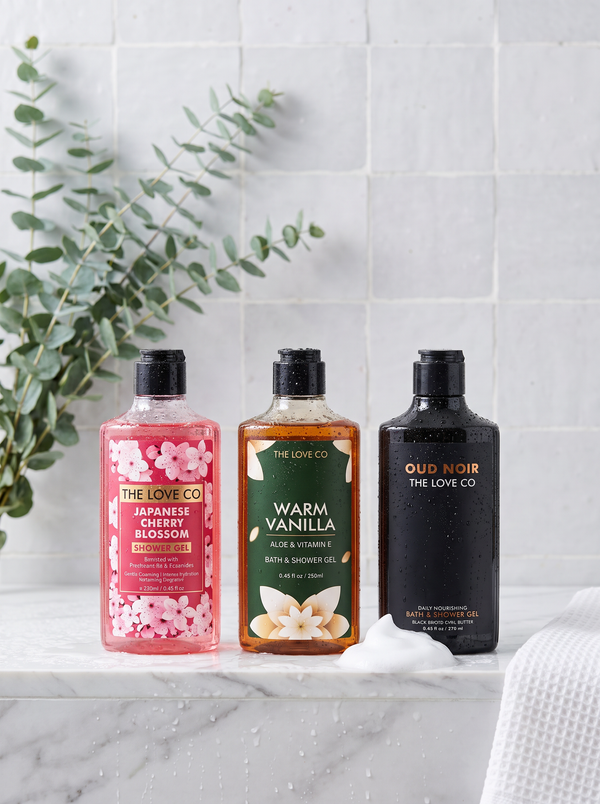
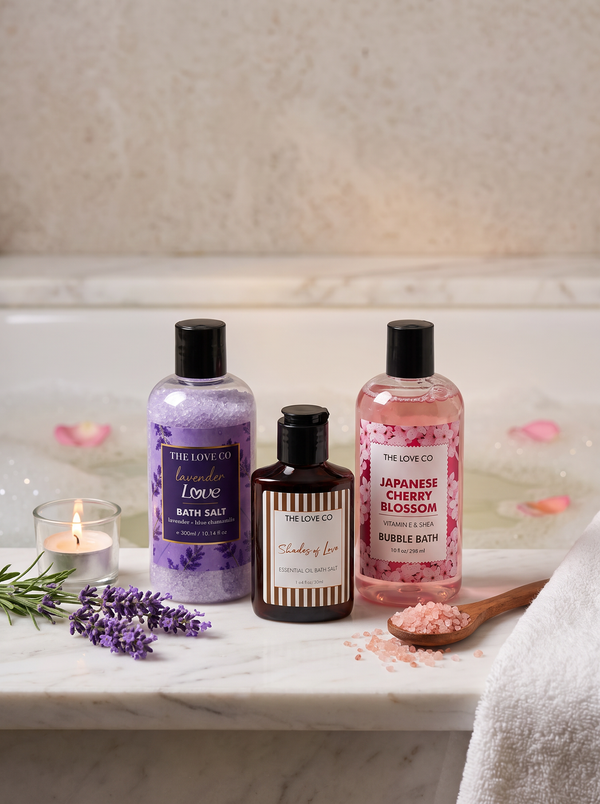
Shop The Love Co's body wash collection — where active ingredients and considered fragrance work together.
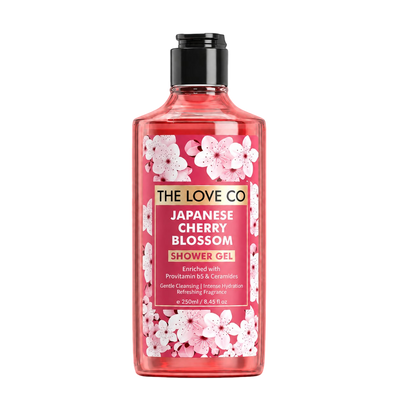
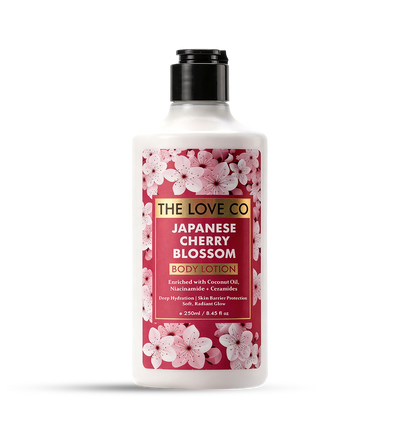
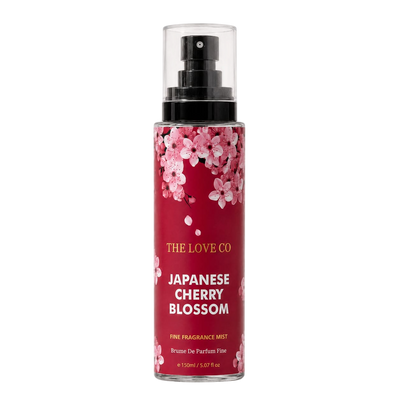
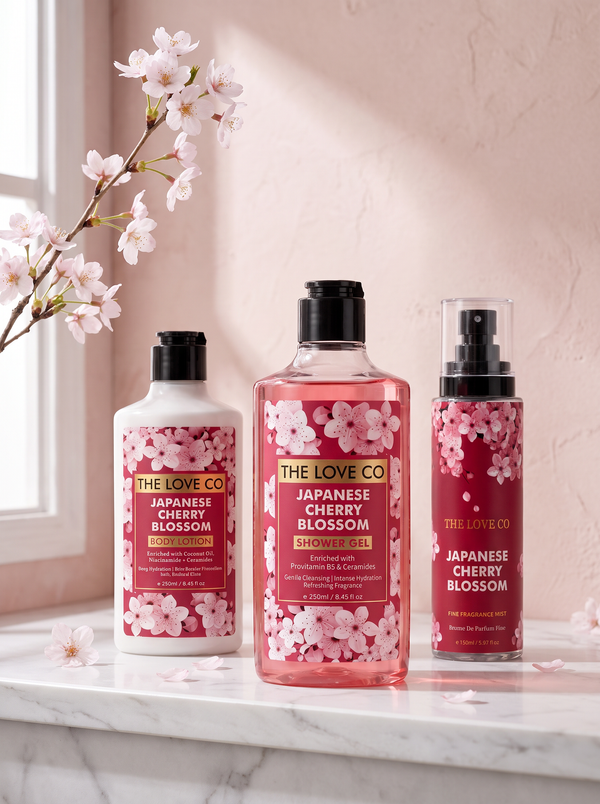
Japanese Cherry Blossom Shower Gel
Scent Trail Step 1 · soft floral body wash Start the Scent Trail here. A pH 5.5, SLS-free cleanser that protects your skin barrier while it washes —...
A ritual is the smallest love you give yourself, daily.
— Shopify API · 07 May 2026