Underarm Darkening: Causes, Treatment, and the Right Body Care Routine
Dark underarms affect a significant proportion of Indian women and are driven by a combination of causes that most people don't fully address. Treating the symptom (pigmentation) without addressing the cause leads to temporary improvement followed by the darkness returning. The approach needs to cover both.
The Most Common Causes
Shaving: Razor friction creates micro-inflammation repeatedly. Each shave is a small injury that triggers melanin production. Switching to waxing or laser significantly reduces this cause over time.
Deodorants with alcohol and fragrance: Many antiperspirants contain ingredients that sensitise and irritate this delicate skin. Look for deodorants that are alcohol-free and fragrance-free if underarm darkening is a concern.
Tight synthetic clothing: Nylon and polyester rubbing against the underarm creates constant friction-PIH. Switching to cotton or moisture-wicking fabrics reduces this dramatically.
Post-shave or wax PIH: The most persistent cause — melanin response to hair removal trauma.
The Treatment Routine
Cleanse gently: Use a fragrance-free, low-irritant body wash on underarms — not your standard body wash if it contains fragrance or sulfates.
Exfoliate 2x per week: A gentle AHA (lactic acid) applied to the underarm area after showering removes the pigmented dead cells at the surface. Don't over-exfoliate — the skin here is thin and sensitive.
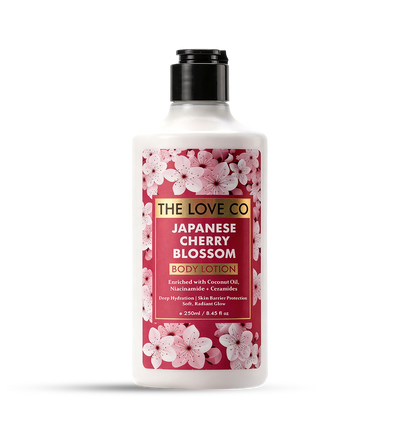
Apply niacinamide: Apply niacinamide body lotion specifically to the underarm area as part of your post-shower routine. At 5-10%, niacinamide blocks melanin transfer and fades existing pigmentation over 8-12 weeks.
Protect and soothe: If you use deodorant, apply it after the niacinamide has absorbed. Aluminium-based antiperspirants can reduce irritation by minimising the sweat that triggers bacterial darkening.
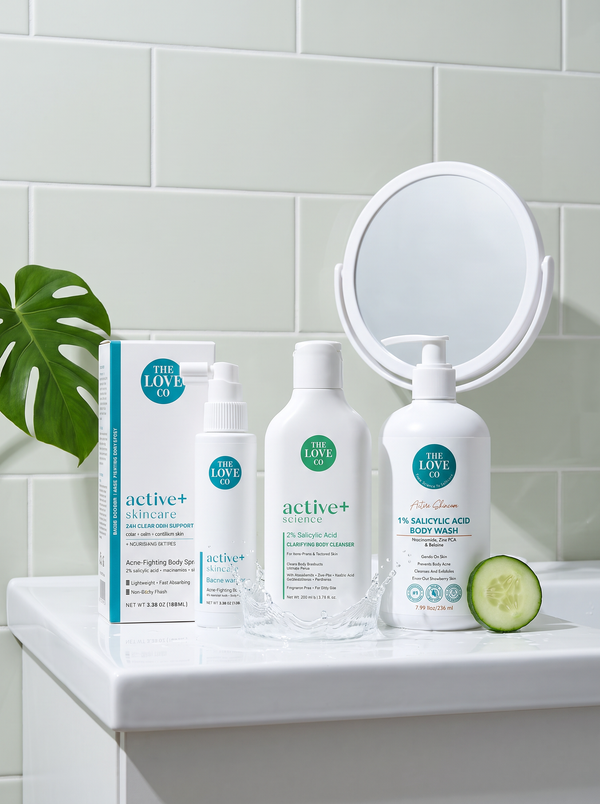
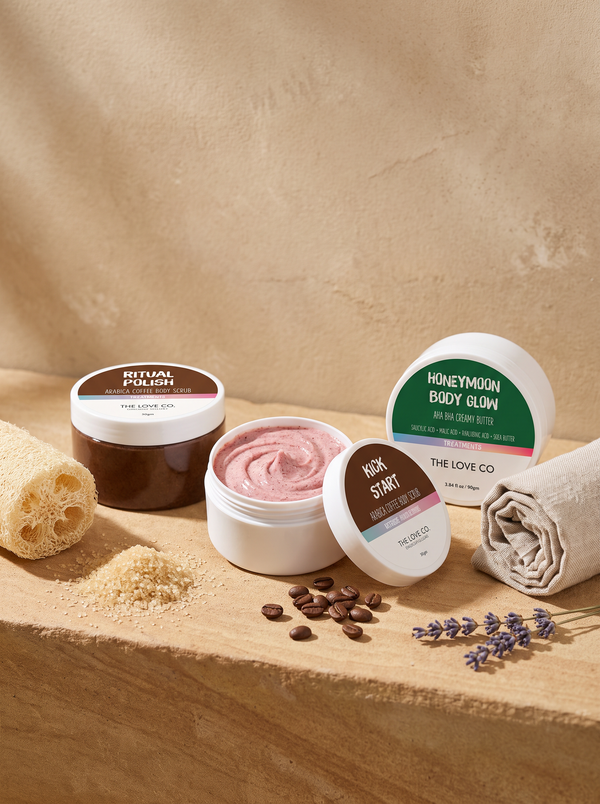
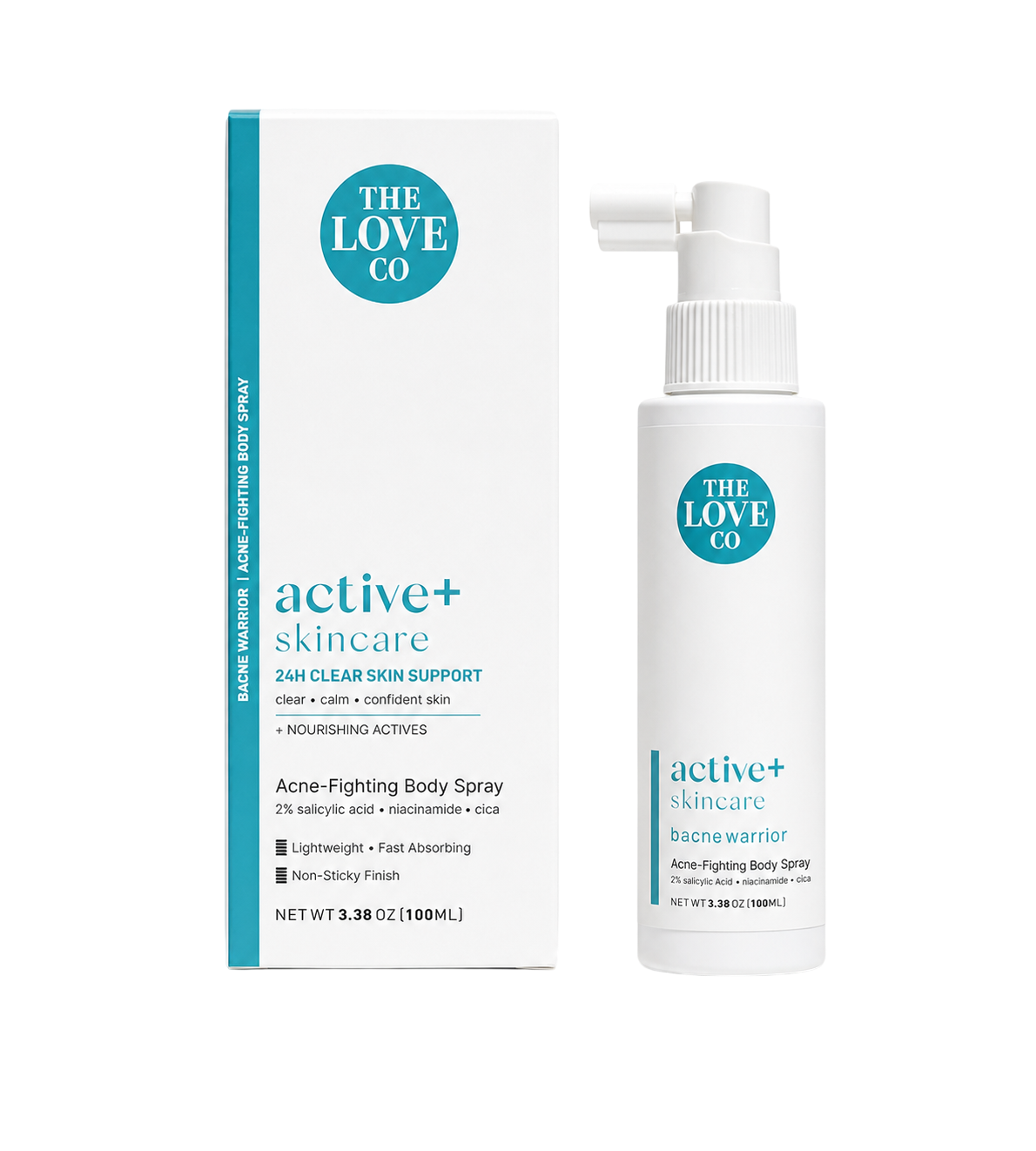
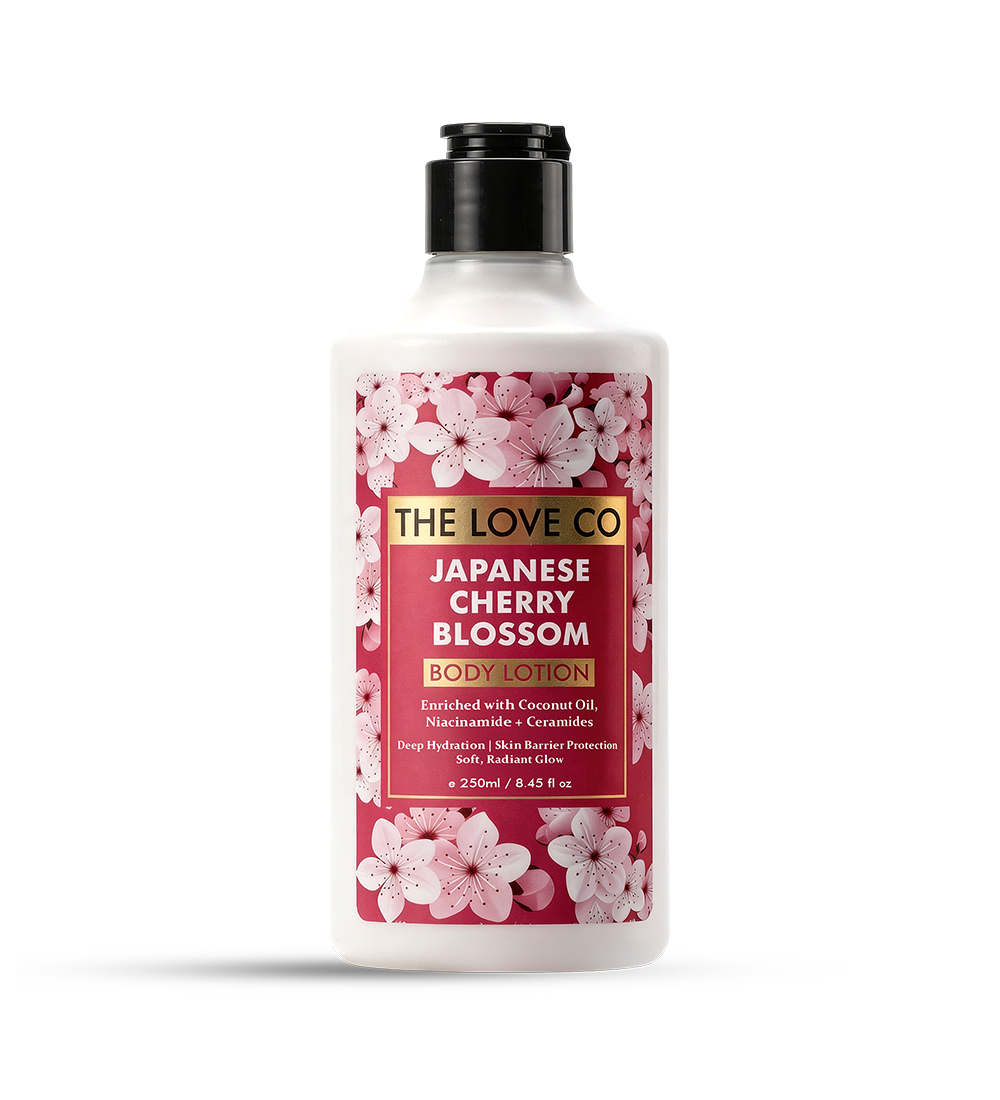
Explore The Love Co's active body lotion range for the right niacinamide formula for this sensitive area.
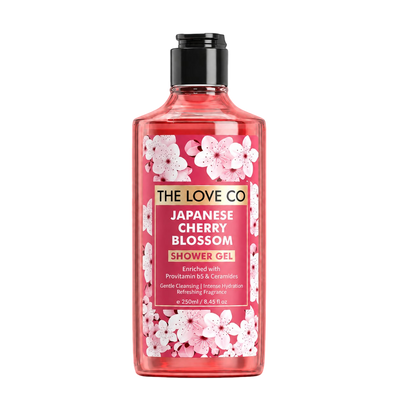
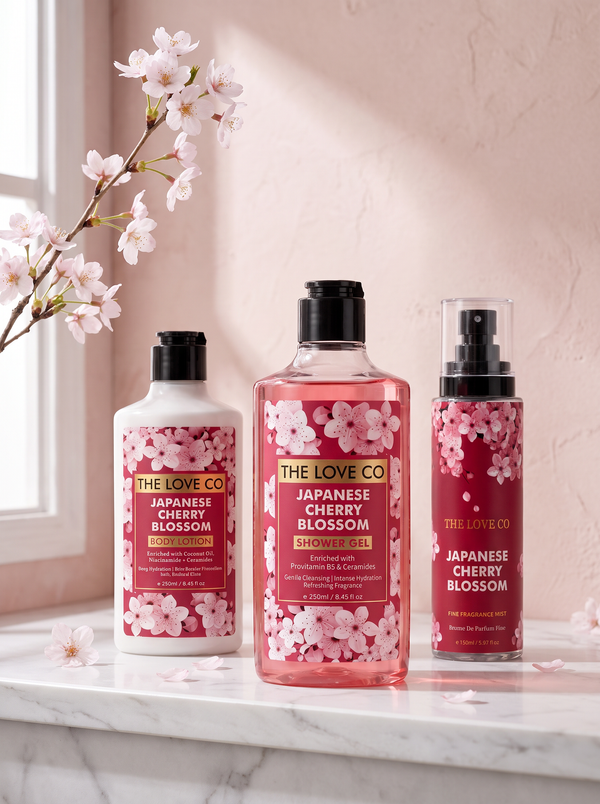
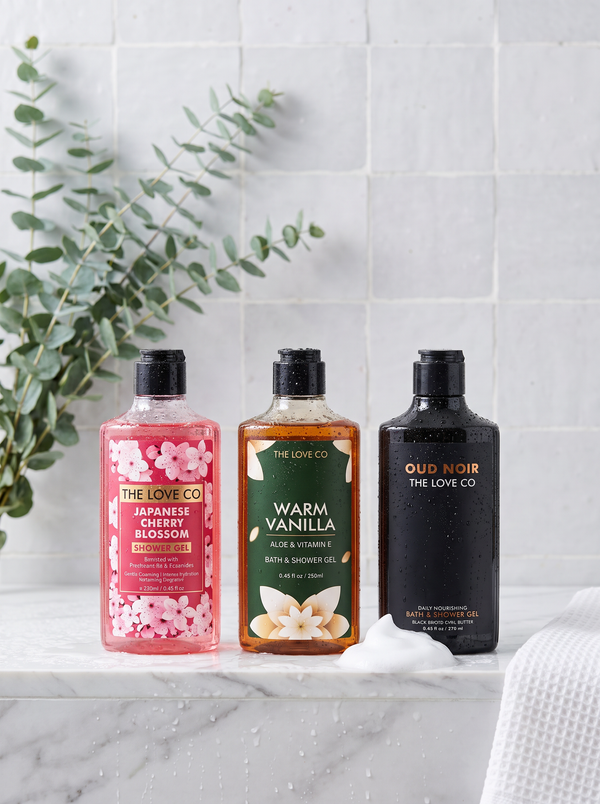
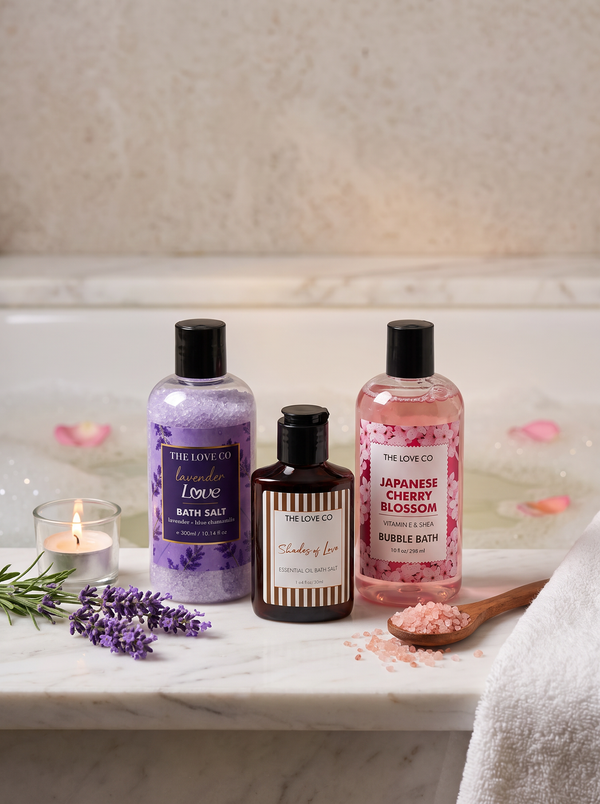
Japanese Cherry Blossom Shower Gel
Scent Trail Step 1 · soft floral body wash Start the Scent Trail here. A pH 5.5, SLS-free cleanser that protects your skin barrier while it washes —...
A ritual is the smallest love you give yourself, daily.
— Shopify API · 08 May 2026