




Kannauj Rose: Why India's Fragrance Capital Produces the World's Most Complex Rose Oil
There is a small city in Uttar Pradesh — Kannauj — that has been producing fragrance for over 2,500 years. It's sometimes called the "Perfume Capital of India" and sometimes the "Grasse of India," though the latter comparison undersells it: Grasse's perfume tradition is about three centuries old. Kannauj's is measured in millennia.
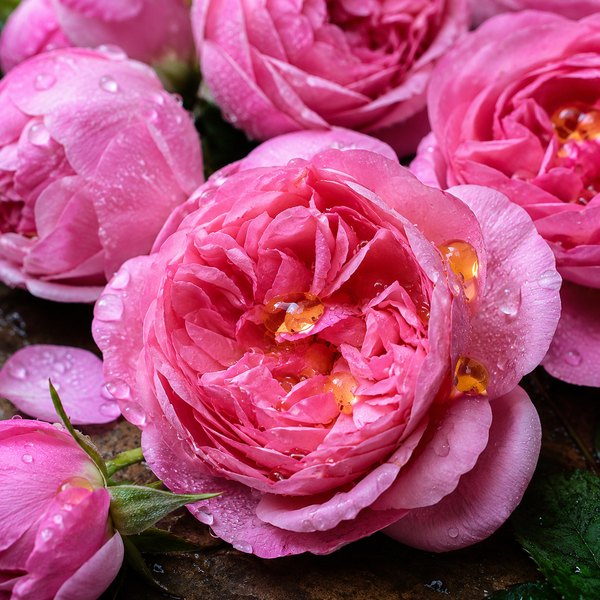
The most celebrated of Kannauj's productions is rose attar — a concentrated essential oil extracted from the petals of Rosa damascena, the damask rose, using a hydro-distillation technique called deg-bhapka that has not meaningfully changed in hundreds of years. The result is one of the most complex, irreplaceable fragrance materials in the world.
What Makes Kannauj Rose Different
Rose oil from different origins differs significantly. Turkish rosa damascena, Bulgarian rose (from the Valley of Roses), Moroccan rose, Iranian rose — each has a distinct character tied to soil chemistry, climate, altitude, and processing method.
Kannauj rose is distinctive for several reasons:
The traditional deg-bhapka method. Unlike most modern rose oil production, which uses steam distillation into stainless steel collectors, Kannauj's traditional method distils the rose petals in a copper still (deg) and collects the vapour in a receiver (bhapka) that contains sandalwood oil. The fragrance is captured directly into sandalwood oil rather than water, creating rose attar — a compound of rose and sandalwood that is different from either ingredient in isolation. This is a process you cannot replicate in a modern distillation unit; it requires the specific micro-conditions of the copper still and the sequential absorption into sandalwood oil.
The rose variety and harvest window. Kannauj primarily uses Rosa damascena from the surrounding Doab region. The harvest window is approximately three weeks, typically late March to mid-April, timed to the flowers opening at dawn before the heat of the day. Petals are harvested before sunrise and processed within hours — the fragrance compounds in rose petals are volatile and begin degrading within an hour of picking. This means all Kannauj attar production is compressed into a very short seasonal window, limiting global supply.
The sandalwood base. Traditional Kannauj rose attar is captured in Mysore sandalwood oil. The specific chemistry of Mysore sandalwood — particularly its high santalol content — interacts with rose aromatic compounds during distillation to create a combined fragrance that is richer and more complex than either ingredient alone. When synthetic sandalwood substitutes are used (as they increasingly are, due to Mysore sandalwood's restricted supply), the character of the resulting attar is fundamentally different.
Chemistry of Rose Fragrance
Over 300 aromatic compounds have been identified in natural rose oil. The primary ones responsible for the characteristic rose scent are:
- Geraniol and citronellol — the primary "rosy" smell compounds, accounting for the floral, slightly citrus character of rose
- Damascenone — present in tiny quantities but responsible for the rich, jammy, almost fruity depth that distinguishes rose from other floral notes
- Farnesol — a soft, musky background note that gives rose oil its characteristic "warm" character
- Phenylethyl alcohol — the "honey-rose" note, present in very high concentrations and one of the easiest to isolate synthetically (which is why synthetic rose often smells like a one-dimensional version of the real thing)
A synthetic rose accord will typically contain 3–5 of these compounds. A natural Kannauj rose attar contains all 300+, in proportions that no chemist has fully mapped or replicated. The difference on skin — in projection, in evolution over time, in the response it generates — is categorical, not incremental.
Why TLC Uses Kannauj Heritage Ingredients
The Love Co was founded on the belief that Indian body care should be built from Indian fragrance heritage. Kannauj rose isn't in TLC's formulations because of marketing value — it's there because the scent identity it creates is irreplaceable and because its story is India's story.
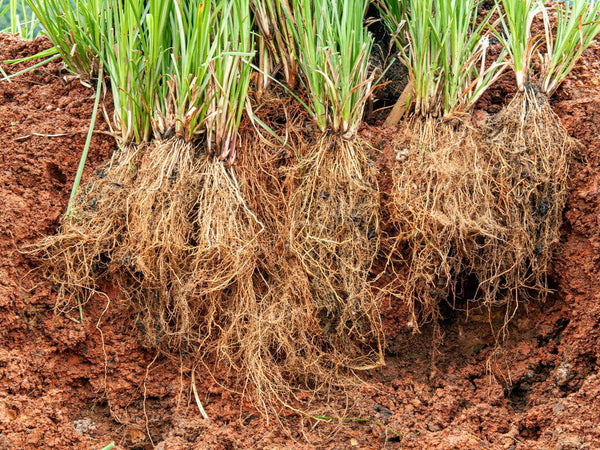
Building a fragrance-led body care brand without rooting it in India's actual fragrance tradition would miss the point entirely. The Kannauj rose, the Mysore sandalwood, the Rajasthan vetiver — these are the raw materials that define what Indian fragrance means globally. They belong in Indian body care.
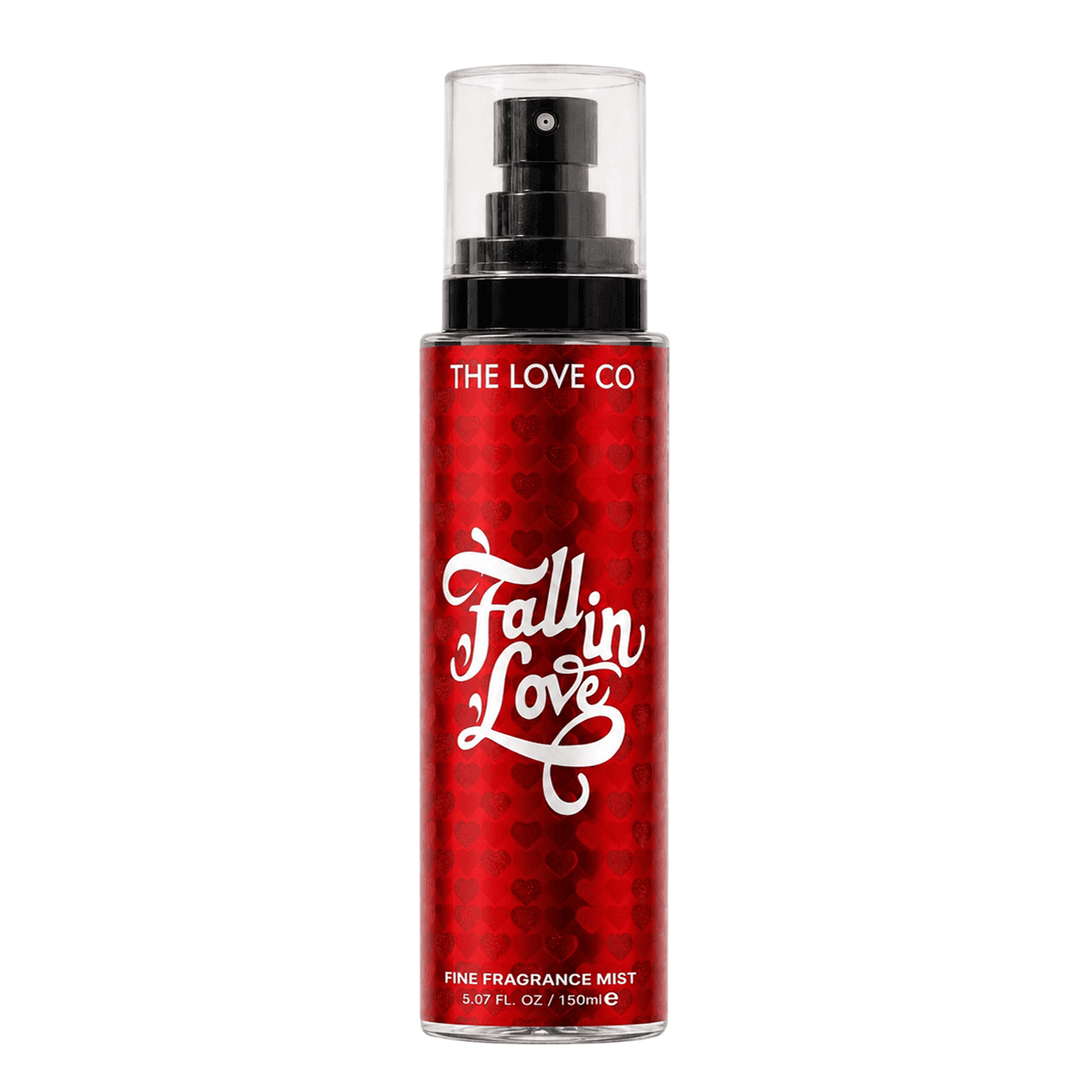
Explore The Love Co's fragrance-led body care collection — built on India's finest fragrance heritage.
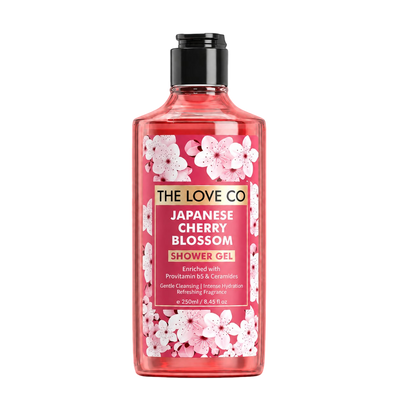
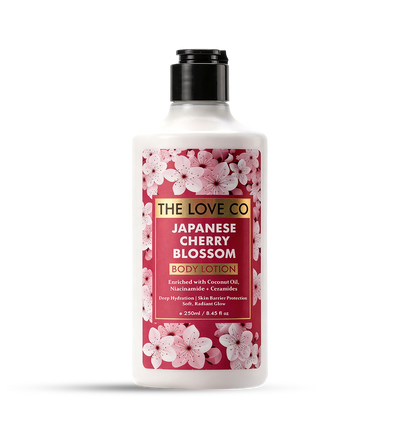
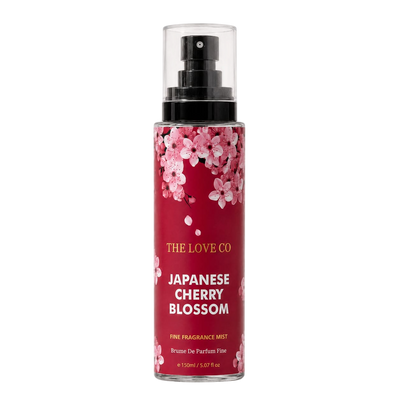
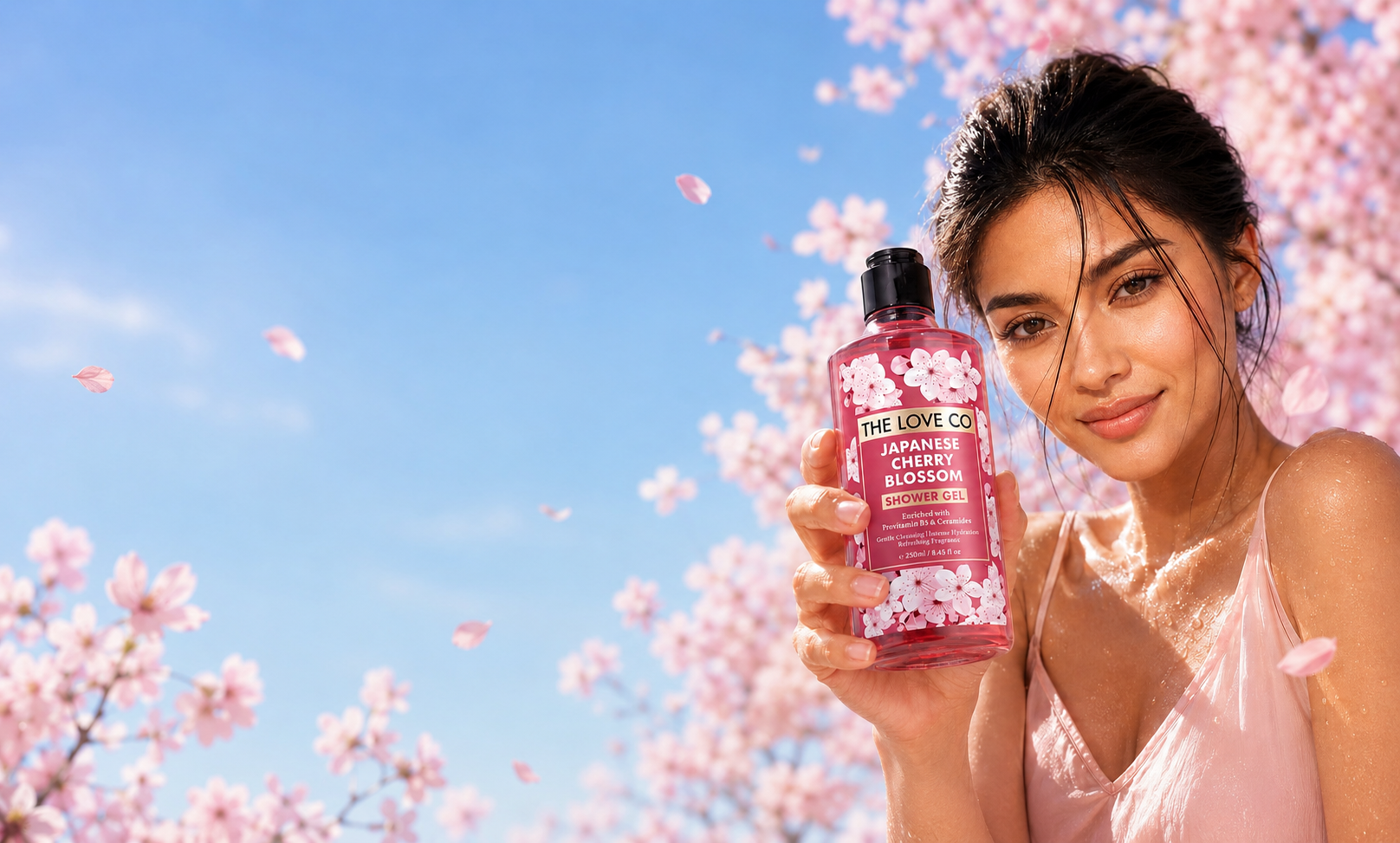
Japanese Cherry Blossom Shower Gel
Scent Trail Step 1 · soft floral body wash Start the Scent Trail here. A pH 5.5, SLS-free cleanser that protects your skin barrier while it washes —...
A ritual is the smallest love you give yourself, daily.
— Shopify API · 07 May 2026