Best Body Wash in India: What to Actually Look For (And What to Ignore)
The body wash category in India has exploded in the last five years. Walk into any pharmacy or open any e-commerce platform and you're confronted with hundreds of options, most of them claiming to be the "best" in three or four different ways simultaneously.
Most buying guides in this space are either disguised affiliate pages or comparison tables built on price rather than ingredient quality. Here's a more honest framework for choosing — based on what body wash actually needs to do, for Indian skin, in Indian conditions.
What Body Wash Actually Does
A body wash is a surfactant system — it uses cleansing agents to lift sweat, oils, dead cells, and external pollutants from skin's surface and rinse them away. That's the basic function. The question is: how does it do this, and what does it do to skin in the process?
A poor body wash strips the skin's natural lipid barrier in the process of cleansing. A good one cleanses without compromising the barrier, and an active body wash cleansing while simultaneously treating a specific concern.
The Surfactant Question
The cleansing ingredients (surfactants) in a body wash determine its core character. The ones to know:
Sodium Lauryl Sulfate (SLS) — the most common, the most aggressive. Excellent at removing oil and generating lather. Also well-established as a skin barrier disruptor at regular use concentrations. For anyone showering twice daily (common in India), daily SLS use repeatedly strips the lipid layer faster than it regenerates. Signs: skin feels tight after showering, gets progressively drier over weeks.
Sodium Laureth Sulfate (SLES) — gentler than SLS, widely used as a compromise. Adequate for once-daily use; borderline for twice-daily use on sensitive or dry skin.
Cocamidopropyl Betaine — a gentle, amphoteric surfactant derived from coconut oil. Commonly used as a co-surfactant to reduce the harshness of SLS/SLES formulations. When it's the primary cleanser, it indicates a gentler product.
Sodium Cocoyl Isethionate, Sodium Cocoyl Glycinate — the gentlest of the common body wash surfactants. Derived from coconut fatty acids. Minimal barrier disruption, excellent for sensitive skin, dry skin, and twice-daily use. Look for these in the first 3–5 ingredients for a genuinely gentle formulation.
How to Read the Ingredient List
Ingredients are listed in descending order of concentration. The first 5 ingredients make up 80–90% of the formula. Everything else is below 1%.
What to look for in the first 5:
- Water — always #1
- Gentle surfactants (see above)
- Humectants (glycerin, betaine) — sign of a more nourishing formula
Active ingredients appearing below position 5 (niacinamide, salicylic acid, vitamin C) are present in functional amounts. Below position 10, they're present in cosmetic/marketing amounts — real but minimal effect.
What Body Wash to Choose for Common Indian Skin Concerns
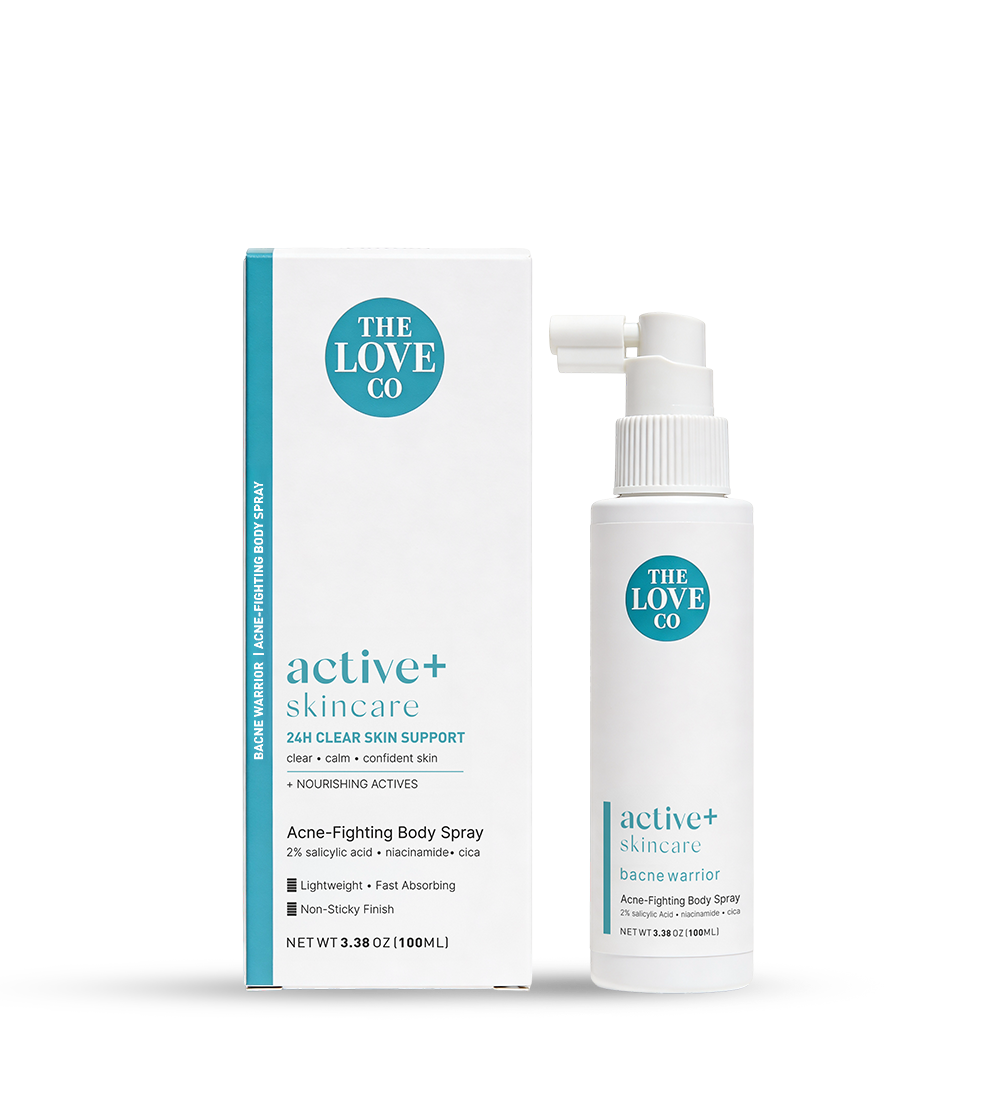
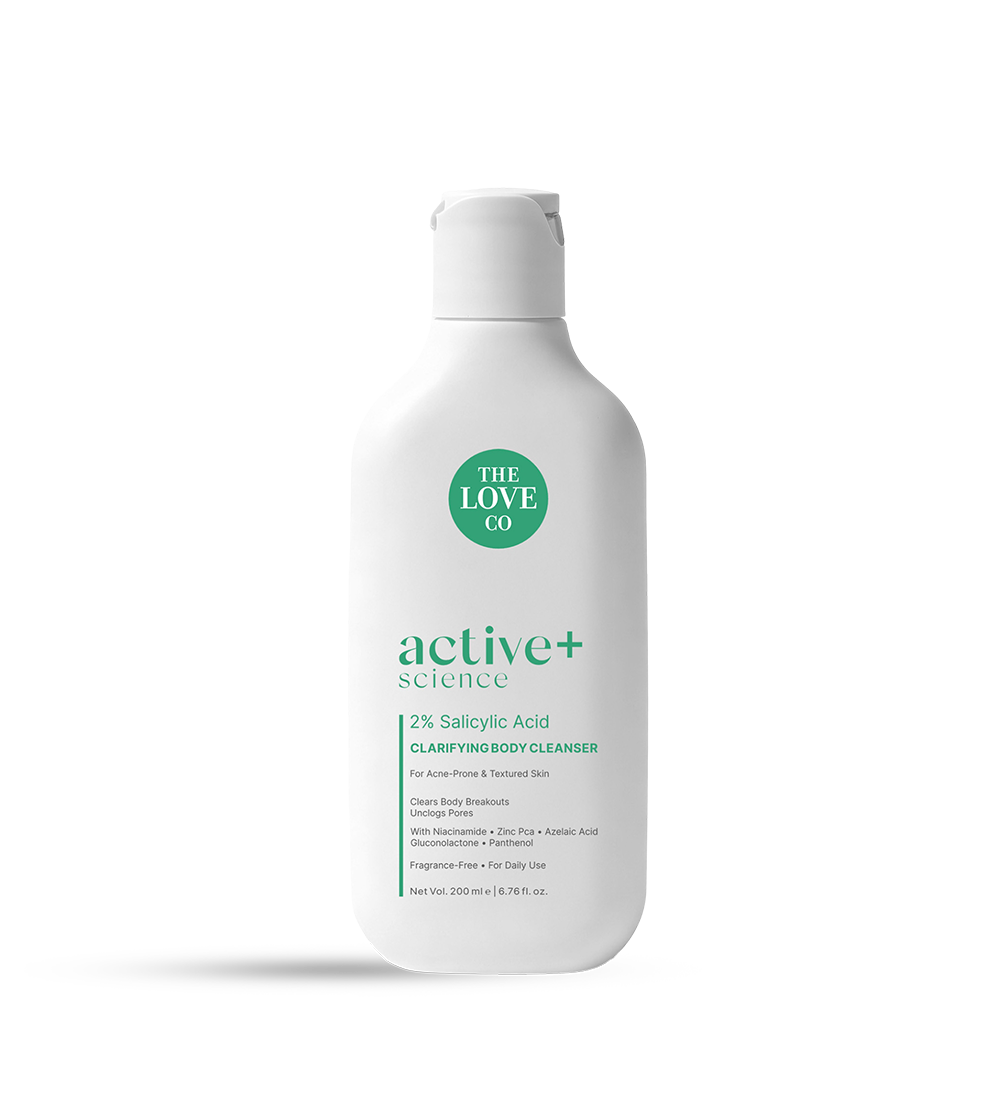
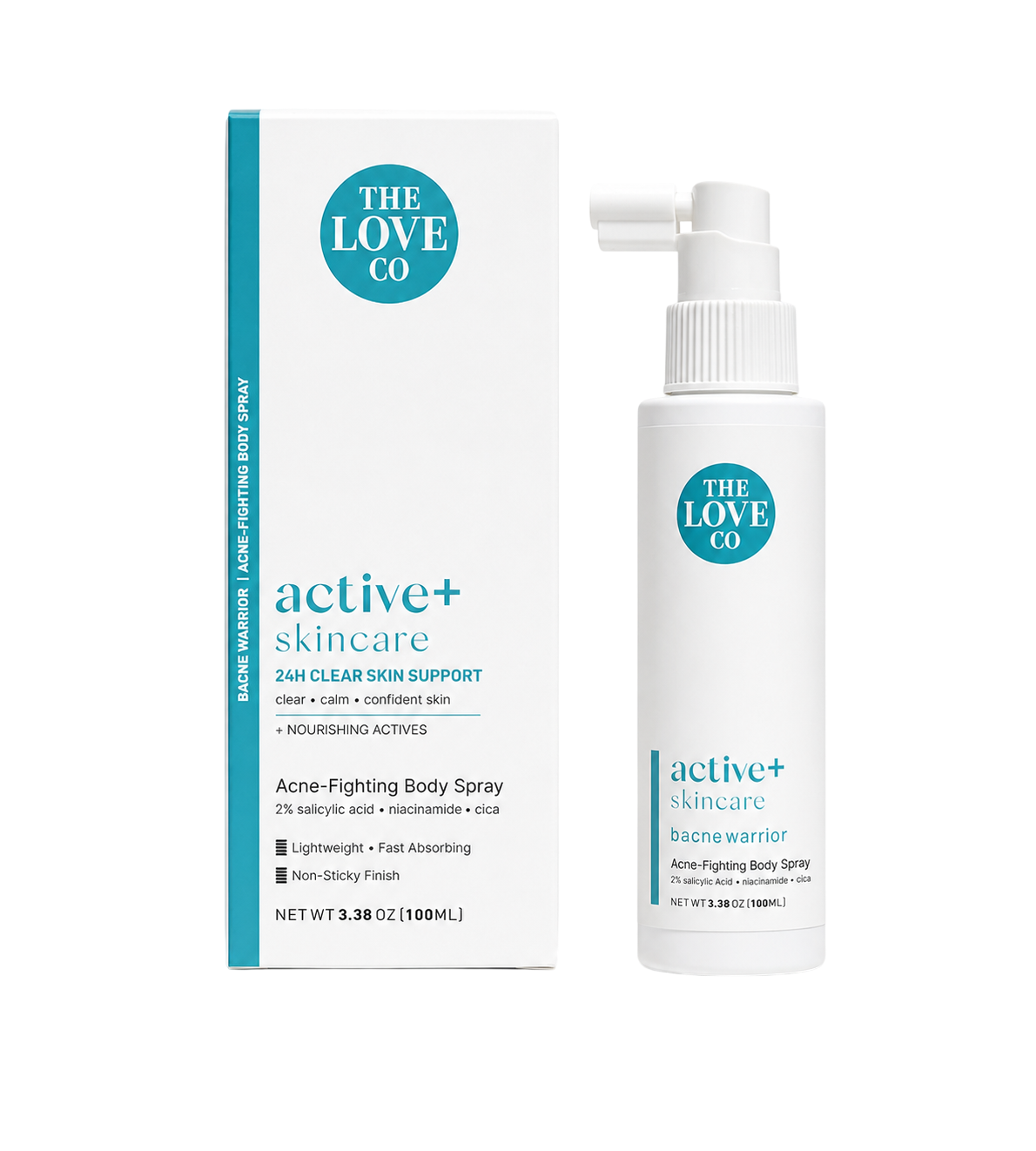
Oily skin / body acne: Look for salicylic acid (1–2%), tea tree oil (2–5%), or glycolic acid (5–8%). Use on affected areas only for the first few weeks. SLS base is acceptable here since oilier skin tolerates it better.
Dry / tight skin: Gentle surfactants (cocoyl isethionate or betaine-primary), glycerin high in the list, urea or lactic acid as actives. Avoid SLS-primary formulations entirely.
Hyperpigmentation (dark elbows, knees): Kojic acid, niacinamide, vitamin C derivative (sodium ascorbyl phosphate), or lactic acid. These work even in rinse-off formats with 60-second contact time.
Body odour: Tea tree oil (2%+), zinc gluconate, or activated charcoal as functional ingredients — not just fragrance masking. Contact time matters here too: 30–60 seconds on underarms and groin.
Sensitive / reactive skin: Fragrance-free is not always necessary; poorly formulated fragrance can cause issues but well-formulated skin-safe fragrance at appropriate concentrations is fine. The bigger concern is SLS and artificial dyes. Look for cocamidopropyl betaine or cocoyl glycinate surfactants and minimal harsh additives.
What to Ignore
"Natural" and "organic" on the label mean nothing without reading the ingredient list. "SLS-free" is meaningful. "Paraben-free" is largely marketing at this point — parabens are among the most studied and safe preservatives available, and their removal often leads to less stable formulations with less effective alternatives.
"pH-balanced" is relevant for some products (acidic cleansers are generally gentler on skin). "Dermatologist-tested" means one dermatologist reviewed the formula — it's not a clinical claim. "Hypoallergenic" has no regulatory definition in India.
The Fragrance Factor
Many guides suggest avoiding fragrance entirely in body wash. This overestimates fragrance risk and underestimates fragrance value. At appropriate concentrations, using IFRA-compliant ingredients, fragrance in body wash is safe for most people. The shower ritual is an important daily moment — a well-formulated, beautifully fragranced body wash makes it meaningful rather than mechanical.
The concern with fragrance is allergenic potential at high concentrations or with specific problematic ingredients (certain musks, specific synthetics). A brand that formulates carefully — using skin-safe fragrance within IFRA guidelines — poses no meaningful risk for the vast majority of users.
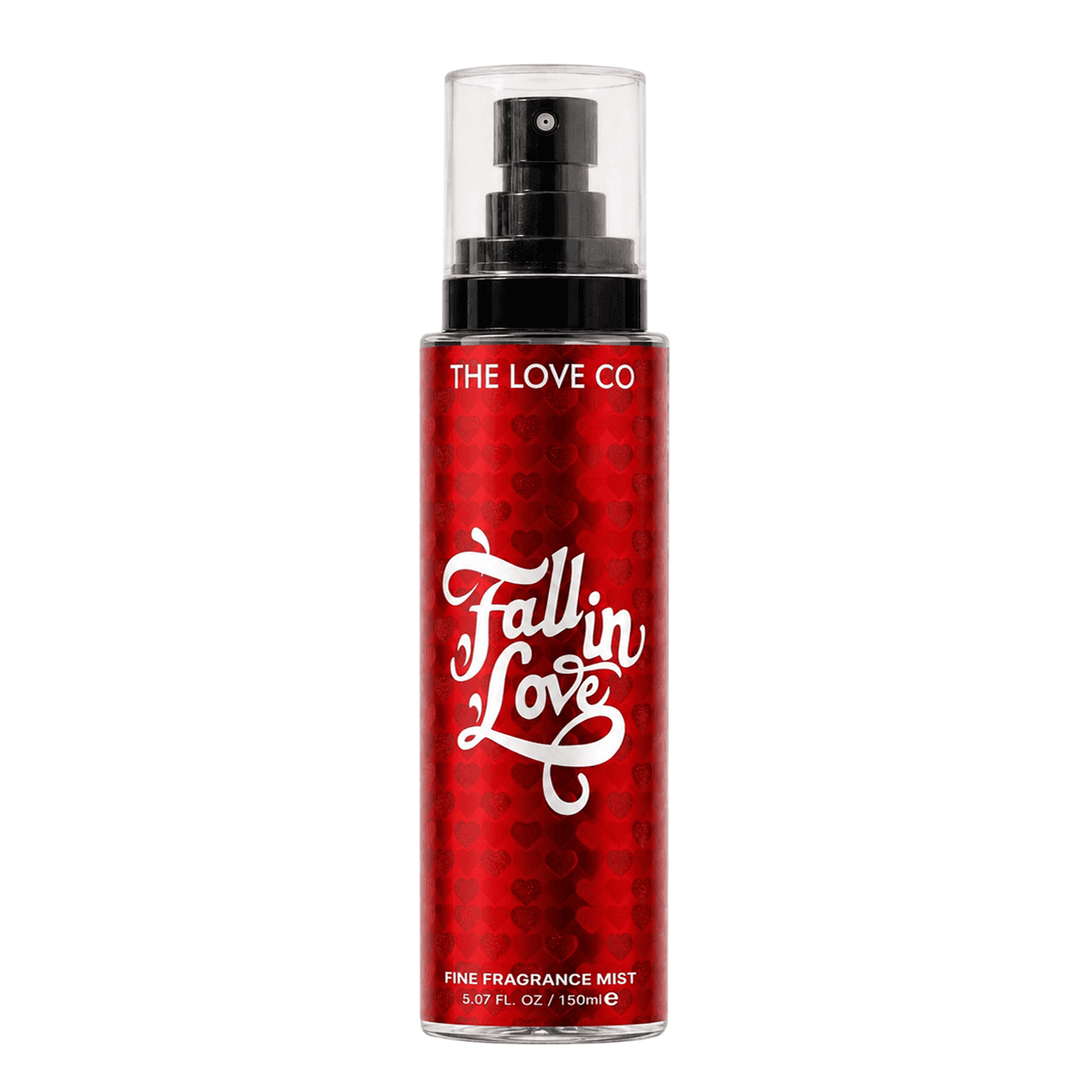
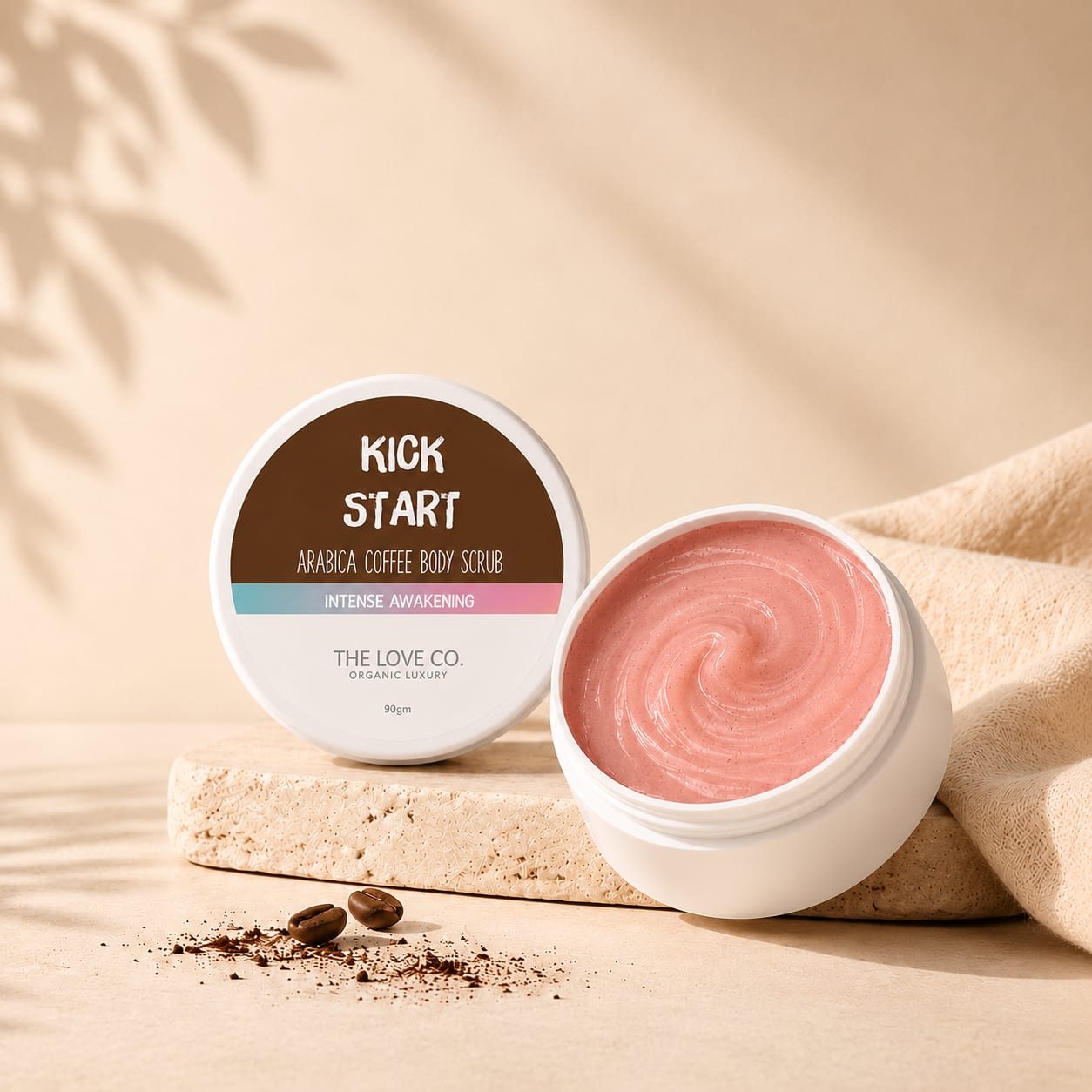
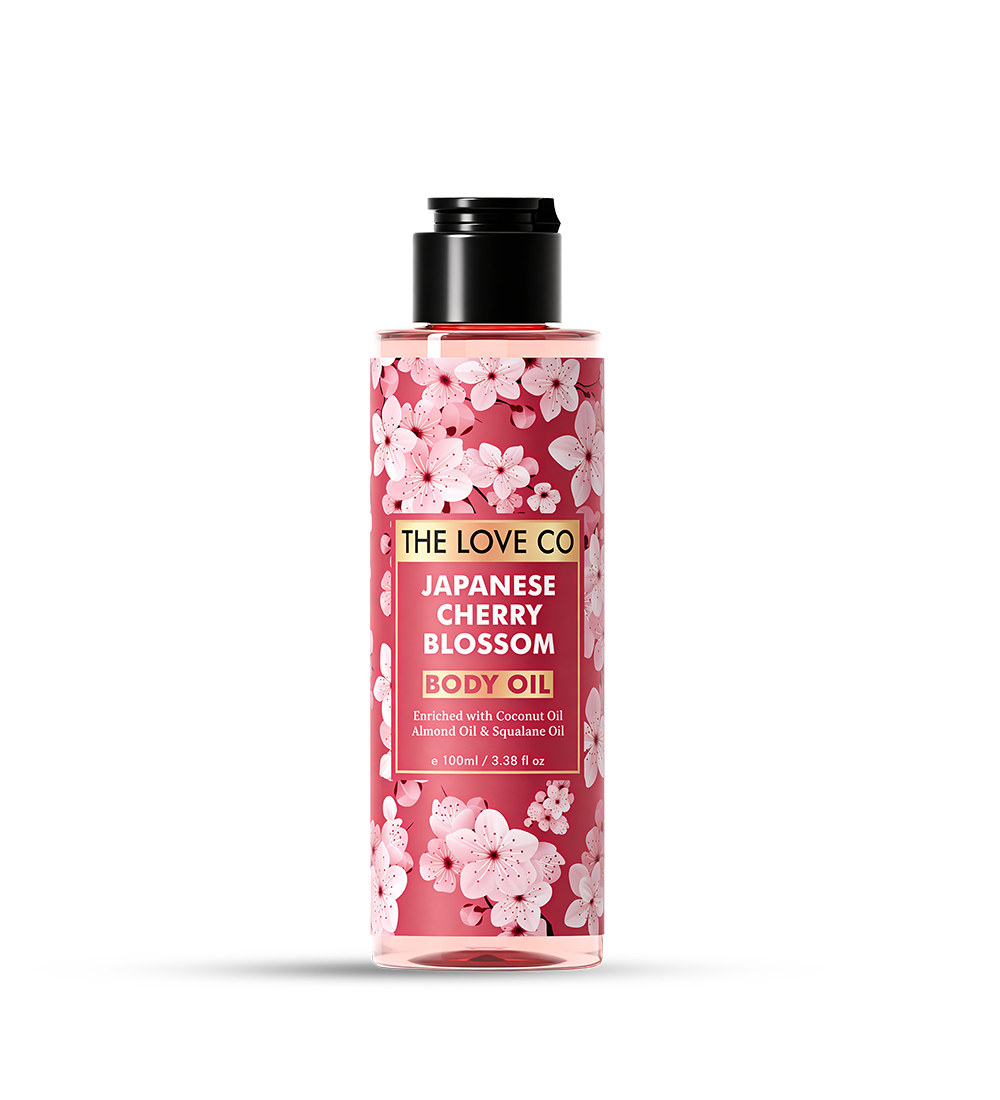
Explore The Love Co's body wash range — active formulations built for Indian skin, with fragrance as a feature, not an afterthought.
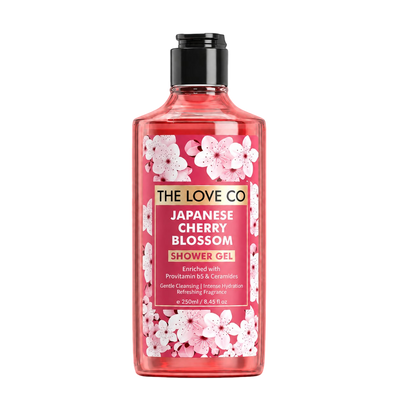
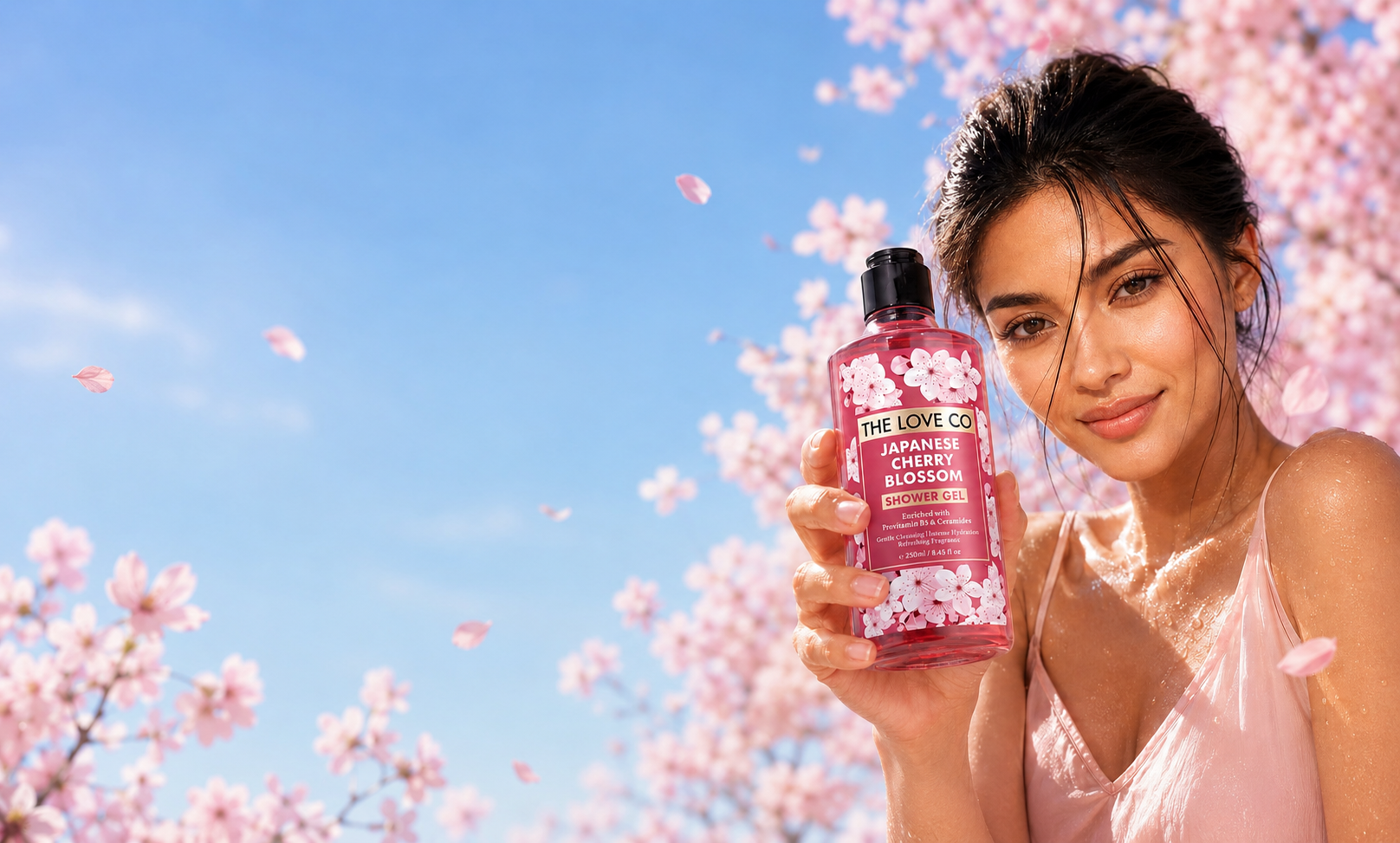
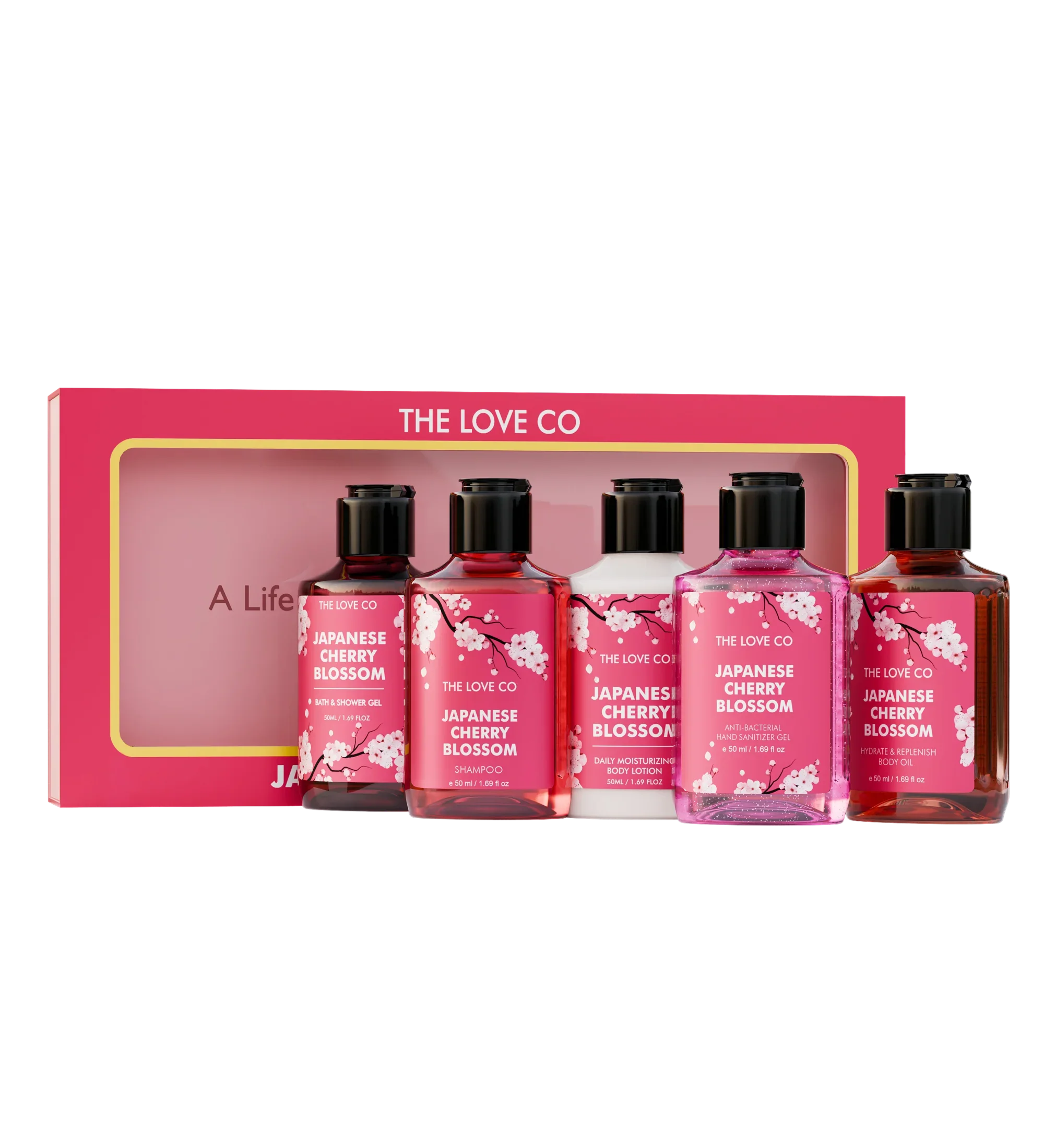
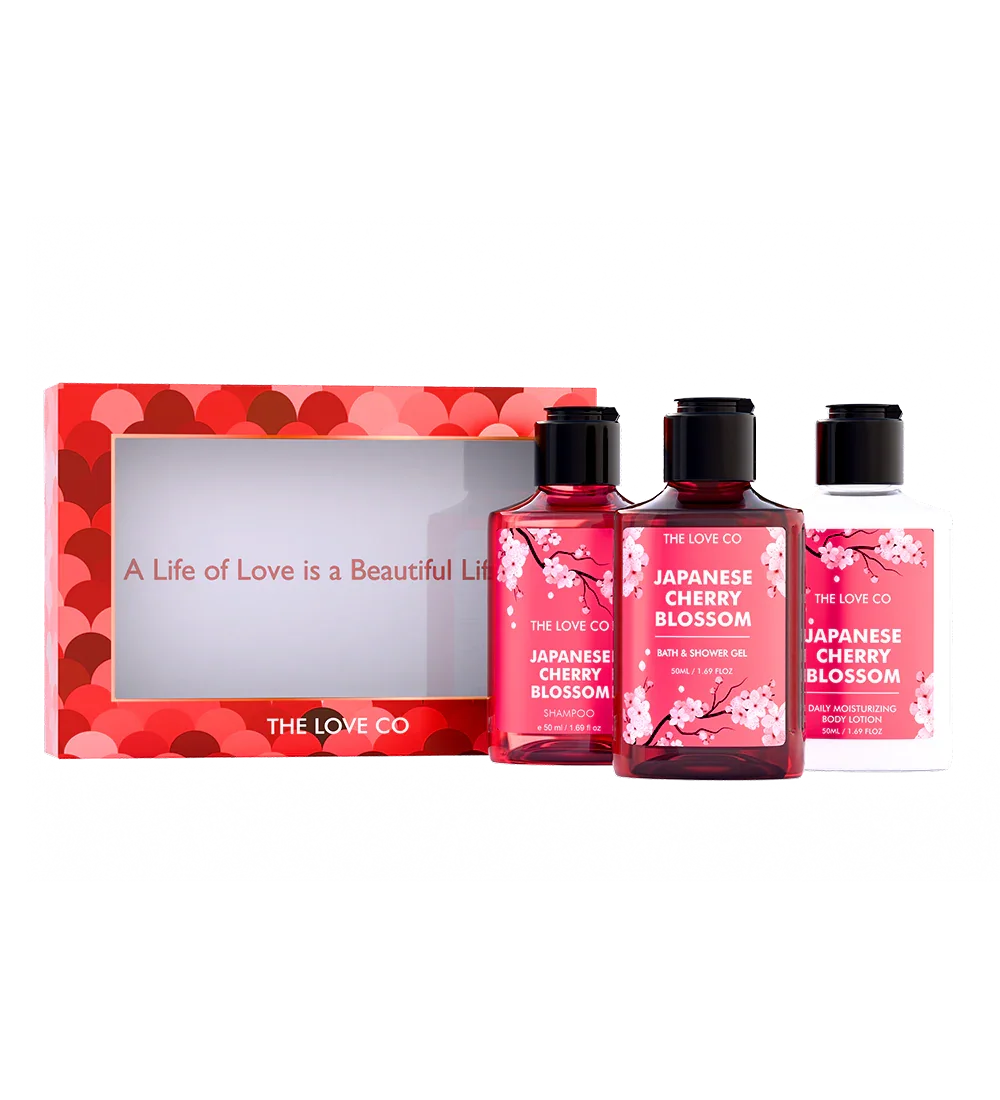
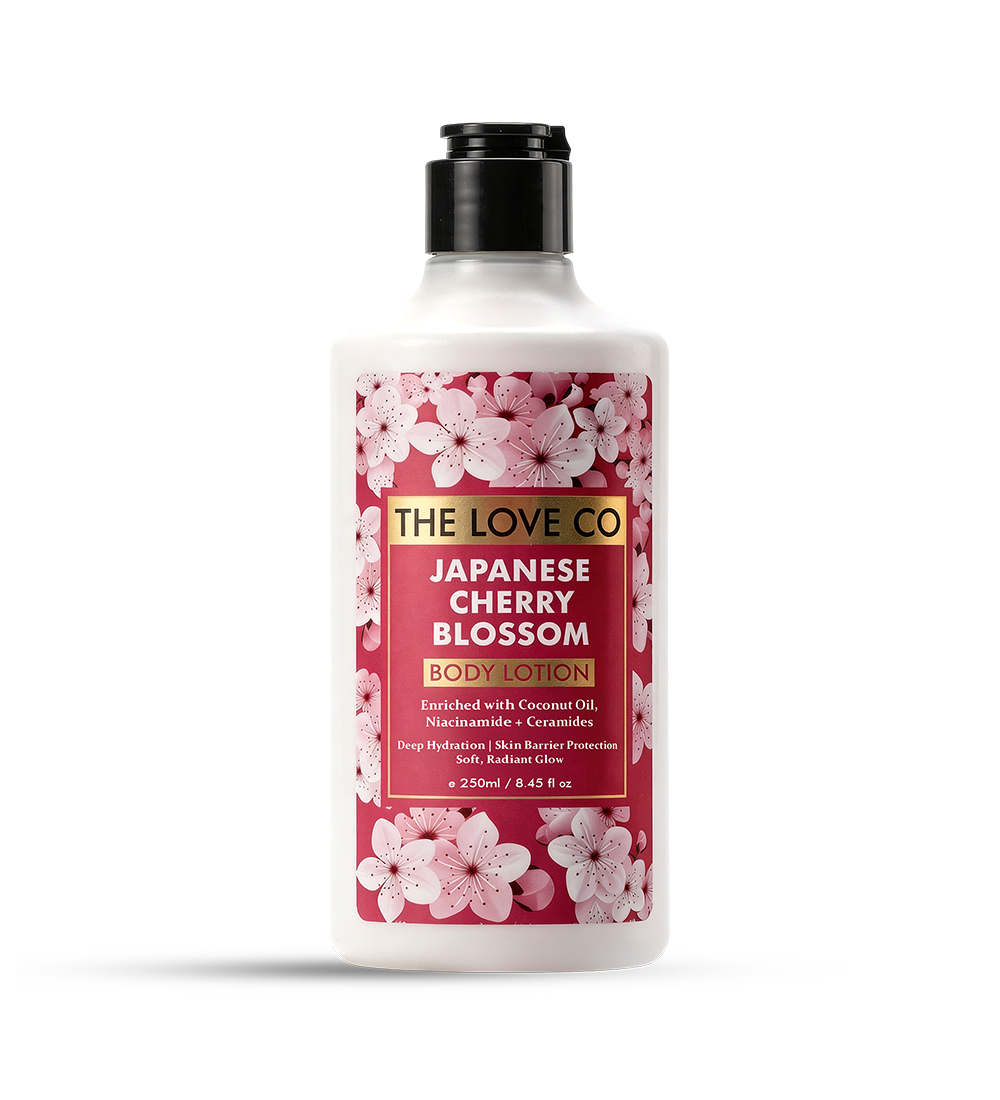
Japanese Cherry Blossom Shower Gel
Scent Trail Step 1 · soft floral body wash Start the Scent Trail here. A pH 5.5, SLS-free cleanser that protects your skin barrier while it washes —...
A ritual is the smallest love you give yourself, daily.
— Hemang Jain · 07 May 2026