

Mysore Sandalwood: Why It's the World's Most Valuable Fragrance Ingredient
If you ask a master perfumer to name the one natural ingredient they would not want to formulate without, many will say the same thing: Mysore sandalwood.
Not just sandalwood — specifically Mysore. The Indian sandalwood species (Santalum album) grown in Karnataka's Mysore region produces an oil with a chemical profile so distinctive that perfumers who have worked with it for decades describe the absence of authentic Mysore sandalwood in contemporary perfumery as one of the defining characteristics of how perfumery has changed — and not for the better.
What Sandalwood Oil Is
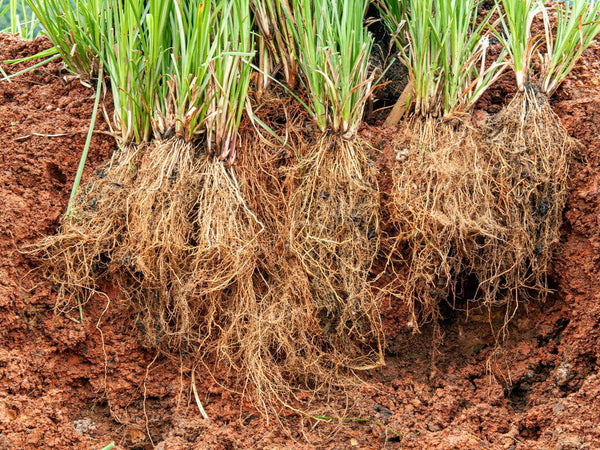
Sandalwood oil is extracted from the heartwood of mature Santalum album trees — a process that requires the trees to be at least 15 years old, with peak quality material coming from trees aged 40–80 years. The tree must be killed to harvest the heartwood, which is why sustainable sandalwood cultivation requires planning across decades rather than annual growing cycles.
The primary aromatic compounds in sandalwood oil are sesquiterpene alcohols — mainly α-santalol and β-santalol. These compounds are responsible for sandalwood's characteristic warm, creamy, woody, slightly sweet scent. They also have specific skin properties that make sandalwood oil valuable as a cosmetic ingredient independent of its fragrance.
Why Mysore Specifically
Santalum album grows in several countries — Australia, Sri Lanka, Indonesia, and parts of India. The oil quality varies considerably by origin. Australian sandalwood (Santalum spicatum) is a different species with a harsher, more camphor-forward profile. Indonesian and Sri Lankan oil has lower santalol content than Indian material.
Mysore sandalwood has the highest α-santalol and β-santalol concentration of any commercially available sandalwood oil — typically 90%+ combined, versus 70–80% for most Australian material. This concentration is what creates the characteristic creaminess, the long-lasting base note behaviour, and the specific "skin scent" quality that makes Mysore sandalwood so sought-after: it smells like it belongs on human skin in a way that other sandalwood origins don't quite replicate.
Skin Benefits
Mysore sandalwood oil is one of the few fragrance ingredients with documented, peer-reviewed skin benefits independent of its olfactive properties:
Anti-inflammatory activity. α-Santalol has been shown to inhibit pro-inflammatory cytokines, making sandalwood oil useful for calming reactive, irritated skin. This is particularly relevant for body care used after exercise or in hot climates where skin inflammation is common.
Skin brightening. Studies have shown α-santalol inhibits melanin synthesis, with some evidence suggesting it may be comparable to kojic acid at equivalent concentrations. This makes sandalwood oil a dual-purpose ingredient: it contributes fragrance and may contribute to more even skin tone with consistent use.
Antimicrobial properties. Sandalwood oil has documented activity against several bacteria and fungi relevant to skin health, including Staphylococcus aureus and Propionibacterium acnes. This contributes to its traditional use in Indian skincare for managing blemishes and skin clarity.
Barrier support. Sandalwood oil contains emollient fatty acids that support the skin's lipid barrier, contributing to improved moisture retention with consistent application.
The Supply Challenge
Authentic Mysore sandalwood is now one of the world's most restricted natural fragrance materials. The Indian government controls sandalwood cultivation and harvest under the Karnataka Forest Act; wild sandalwood harvesting is banned; and the Karnataka Soap and Detergent Factory (KS&DL) holds a government-controlled monopoly on processing and sale of Indian sandalwood oil.
As a result, genuine Mysore sandalwood oil commands premium prices that most brands will not pay — and most brands substitute with synthetic sandalwood molecules (primarily Sandalore, Javanol, or Sylkwood), which capture part of the profile but not the complete warmth and depth of authentic material.
Why This Matters for Body Care
Sandalwood's specific property as a fragrance ingredient — beyond its intrinsic scent — is its fixative character. It's a natural fixative that slows the evaporation of other fragrance molecules it's combined with, extending their presence on skin. Traditional Kannauj rose attar is captured in sandalwood oil precisely because the sandalwood extends and enriches the rose's fragrance character.
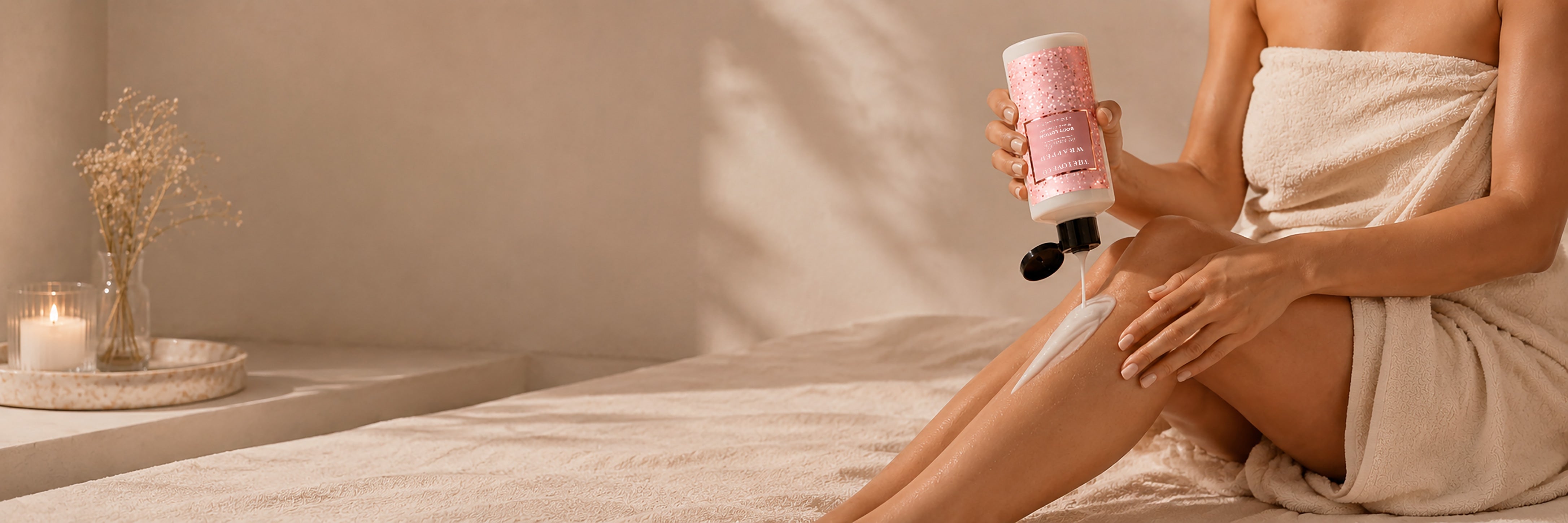
In a body care context, this means formulations that include genuine sandalwood oil carry their fragrance longer and with more complexity than those using synthetic sandalwood alternatives. The difference is particularly noticeable in warm weather and on skin that's been properly moisturised.
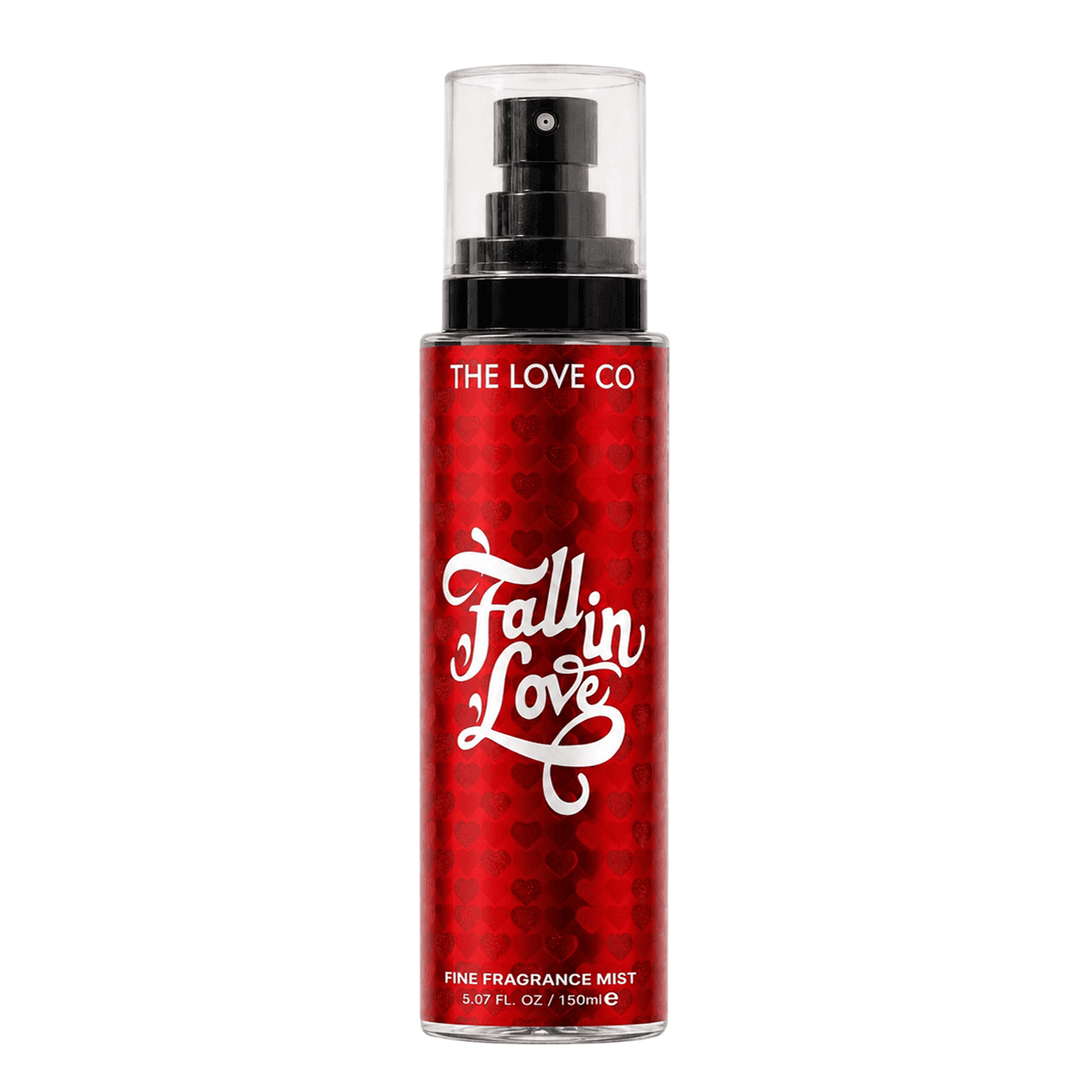
Explore The Love Co's sandalwood-informed body care range — built on India's finest fragrance raw materials.
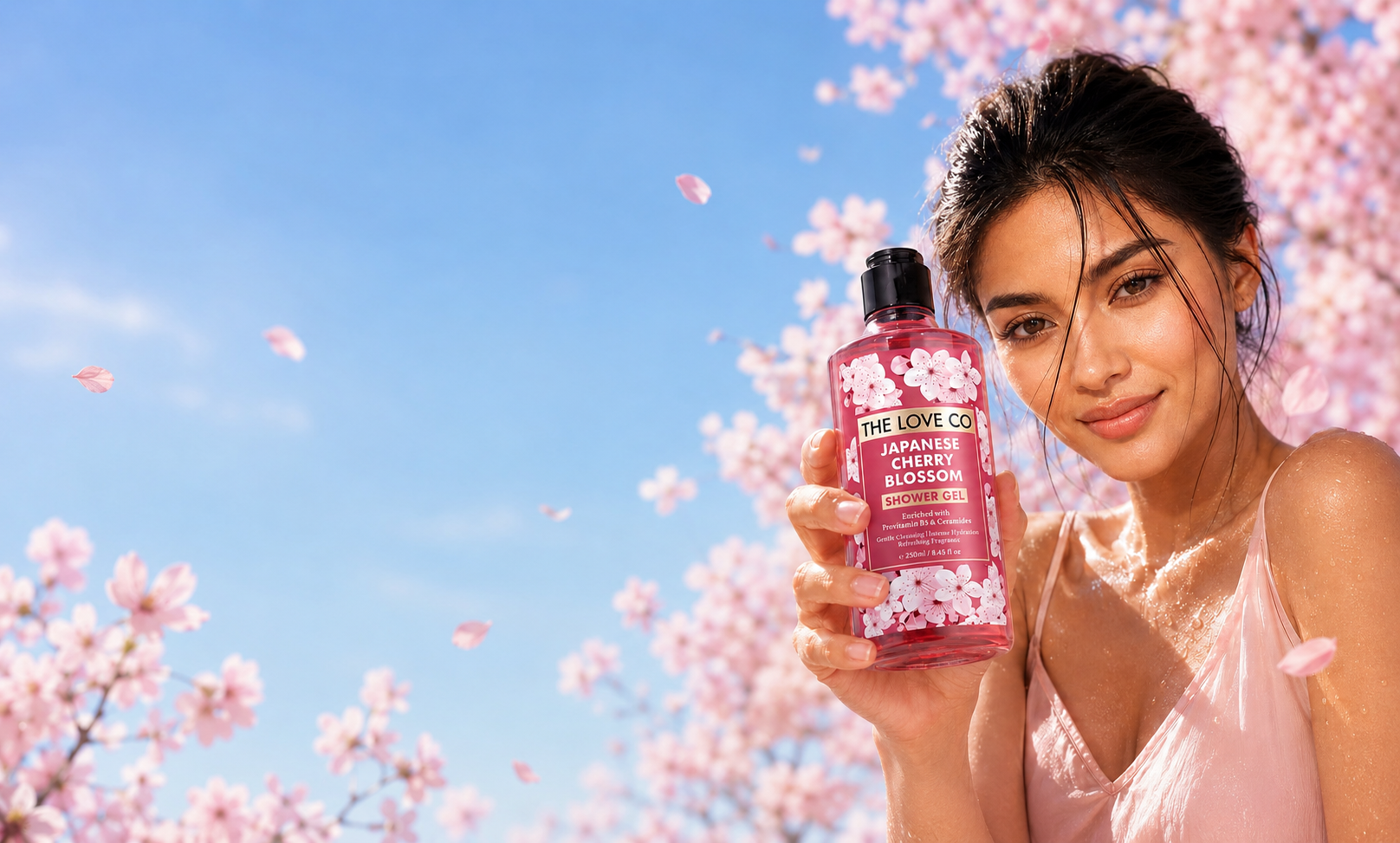
Japanese Cherry Blossom Shower Gel
Scent Trail Step 1 · soft floral body wash Start the Scent Trail here. A pH 5.5, SLS-free cleanser that protects your skin barrier while it washes —...
A ritual is the smallest love you give yourself, daily.
— Shopify API · 07 May 2026