







Vetiver: The Indian Grass Root That Built a Global Fragrance Tradition
If sandalwood is India's most famous fragrance export, vetiver is its most quietly powerful one. The dried root of Chrysopogon zizanioides — called khus in Hindi — has been used in Indian fragrance, ayurveda, and textile traditions for thousands of years. It scented royal summer palaces through evaporative cooling screens made from its roots. It was the base note of India's first modern colognes. And it remains, today, among the most sought-after perfumery materials in the world.
What's less known outside professional perfumery circles is that vetiver origin matters enormously — and Indian vetiver, particularly from Rajasthan and Uttar Pradesh, is considered distinctly superior to vetiver from Haiti, Java, or Sri Lanka in ways that are meaningful to both fragrance quality and application on skin.
What Vetiver Is
Vetiver oil is extracted from the roots of the vetiver grass by steam distillation. The roots must be harvested at 18–24 months of growth — younger roots have less developed aroma compounds, older roots can become woody and less complex. The roots are washed, dried, and then distilled — a process that yields a thick, amber-brown oil with a distinctly earthy, smoky, woody, and subtly sweet character.
The aroma compounds in vetiver oil are among the most complex in natural perfumery. Over 100 sesquiterpenes and sesquiterpenols have been identified, including the characteristic khusimol, vetiselinenol, and various isomers of vetivol. The relative proportions of these compounds vary significantly by geographic origin — which is why Haitian, Javanese, and Indian vetiver all smell distinctly different to a trained nose.
Why Indian Vetiver Is Different
Indian khus — particularly from the Lucknow region of Uttar Pradesh and from Rajasthan — has a cooler, greener, more aquatic character than other vetiver origins. Haitian vetiver (the dominant commercial supply) has a smokier, more earthy character. Javanese vetiver is drier and woodier. The Indian version has a freshness — sometimes described as "rooty" with a clean, slightly herbal coolness — that makes it particularly interesting in fragrance composition.
This cooling character is not coincidental. Vetiver roots are used in traditional Indian applications specifically for their cooling properties — mattings made from vetiver roots were moistened and hung in windows during summer heat, cooling the air as it passed through them. The fragrance released by this method is the reason vetiver was associated with summer comfort and coolness for centuries before its modern fragrance applications.
In perfumery, Indian vetiver's cooler, greener character makes it particularly effective as a mid-note bridge in fragrance compositions — it works with florals (it softens and grounds rose and jasmine without competing), with woods (it adds dimension to sandalwood and oud), and with citrus (it extends what would otherwise be a short-lived top note into something more persistent).
Vetiver in Body Care
As a body care ingredient, vetiver oil contributes more than fragrance. Its documented properties include:
- Sebum regulation: Traditional Ayurvedic preparations used vetiver paste on oily, acne-prone skin. Modern research has identified some evidence for sebum-regulating activity, making it relevant in body wash formulations for oily skin types.
- Antimicrobial activity: Vetiver oil shows activity against several skin-relevant bacteria, contributing to its historical use in body preparations before the antimicrobial mechanisms were understood.
- Grounding fragrance character: In the context of a complete body care ritual, vetiver functions as the olfactive anchor — the note that keeps the lighter, more volatile top and heart notes from floating away. A body lotion with a vetiver base note will wear more coherently across a full day than one built on lighter ingredients alone.
Khus Sharbat and the Cultural Memory
In north India, vetiver isn't just a fragrance ingredient — it's a cultural anchor. Khus sharbat (vetiver syrup in cold water) is a summer drink associated with relief from heat. Khus-scented attar is worn on hot days specifically because the cool, earthy character of the scent has a perceived cooling effect. The matting woven from vetiver roots is a centuries-old technology for evaporative cooling.
This cultural embedding of vetiver in the Indian sensory vocabulary is part of why it works so well in India-rooted fragrance compositions. It's not an exotic import — it's a material that Indian consumers already recognise from childhood, even if they haven't encountered it in body care form.
Explore The Love Co's fragrance-led body care range — rooted in India's finest fragrance heritage, including the khus that defines Indian summer.
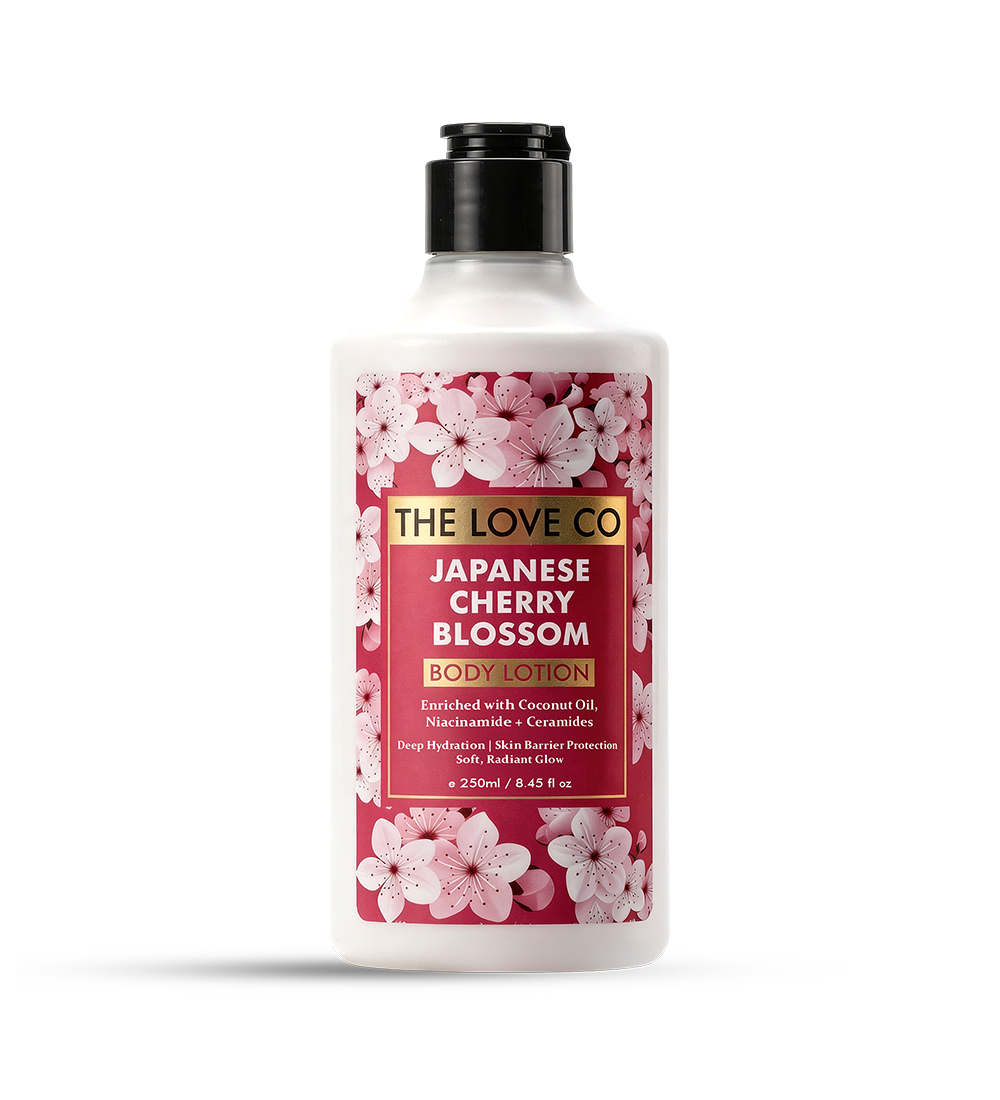
Japanese Cherry Blossom Shower Gel
Scent Trail Step 1 · soft floral body wash Start the Scent Trail here. A pH 5.5, SLS-free cleanser that protects your skin barrier while it washes —...
A ritual is the smallest love you give yourself, daily.
— Shopify API · 07 May 2026