
Body Care Routine for Indian Skin: What Works, What Doesn't, and Why
Most body care routines sold in India are either imported (designed for European skin in European climates) or domestic versions of the same thing with different packaging. Neither addresses what Indian skin actually deals with.
Indian skin has specific characteristics that change what a body care routine needs to do. Understanding these makes the difference between a routine that looks good on paper and one that produces visible, lasting results.
What Makes Indian Skin Different
Higher melanin content. Skin with higher melanin is fundamentally more prone to post-inflammatory hyperpigmentation — the dark marks that form after any inflammation: a blemish, a waxed area, friction, an insect bite. This is the single most common body skin concern among Indian consumers, and it's severely underaddressed by the industry.
Humid climate in most of India. Despite this, most Indian skin presents as dehydrated rather than moisturised — because sweat and heat strip the skin's natural moisture barrier even while keeping the air humid. The result is skin that feels uncomfortable in both directions: sticky in humidity, tight after air conditioning.
Multiple daily showers. Most Indian households shower twice daily or more, particularly in southern states and in summer. This frequency is excellent for hygiene but destructive to the skin barrier if the wrong cleansers are used — repeated sulfate-based washing strips the natural lipid layer faster than it can recover.
Friction darkening. The combination of heat, humidity, and clothing creates ongoing friction in specific areas — inner thighs, underarms, neck, behind knees. Over years, this produces gradual darkening that is deeply entrenched and slower to treat than sun-related pigmentation.
Morning Routine
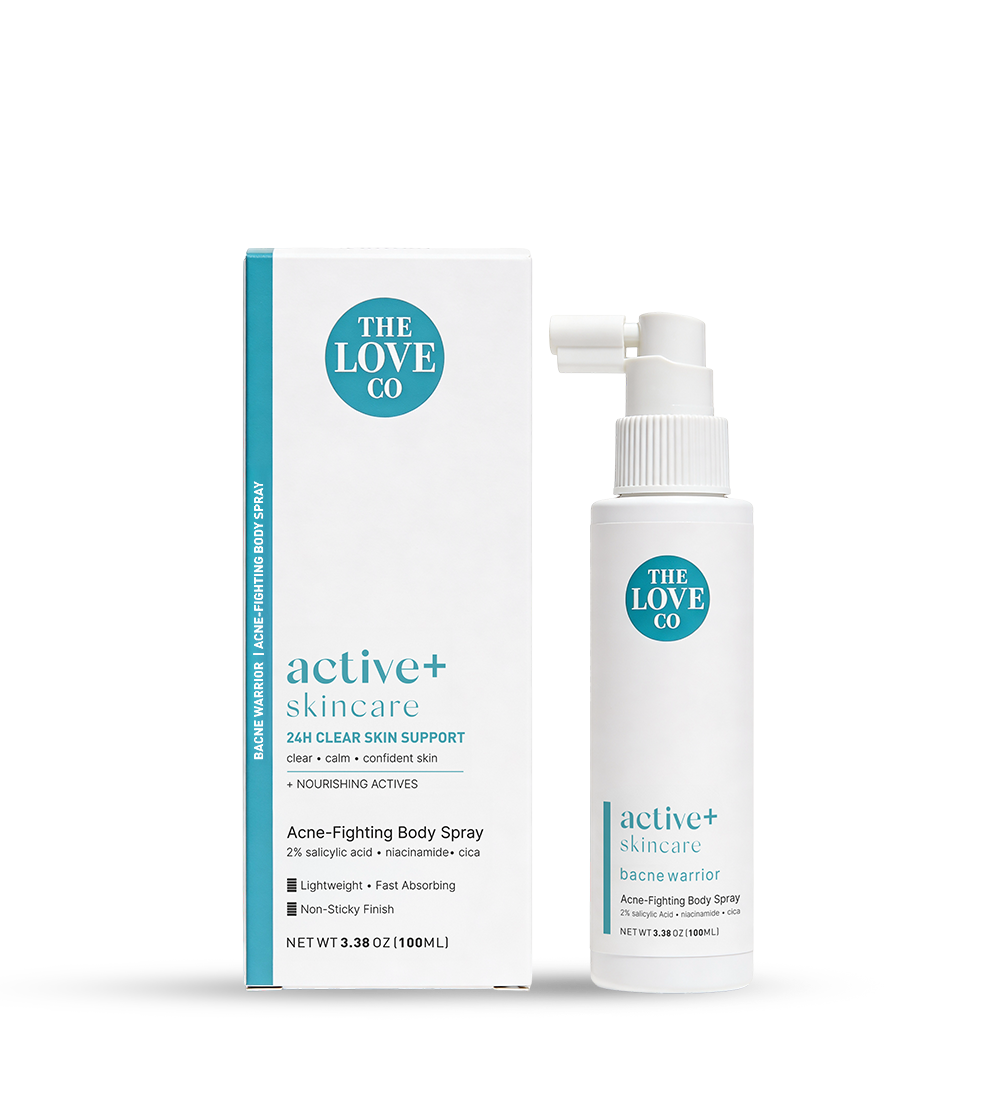
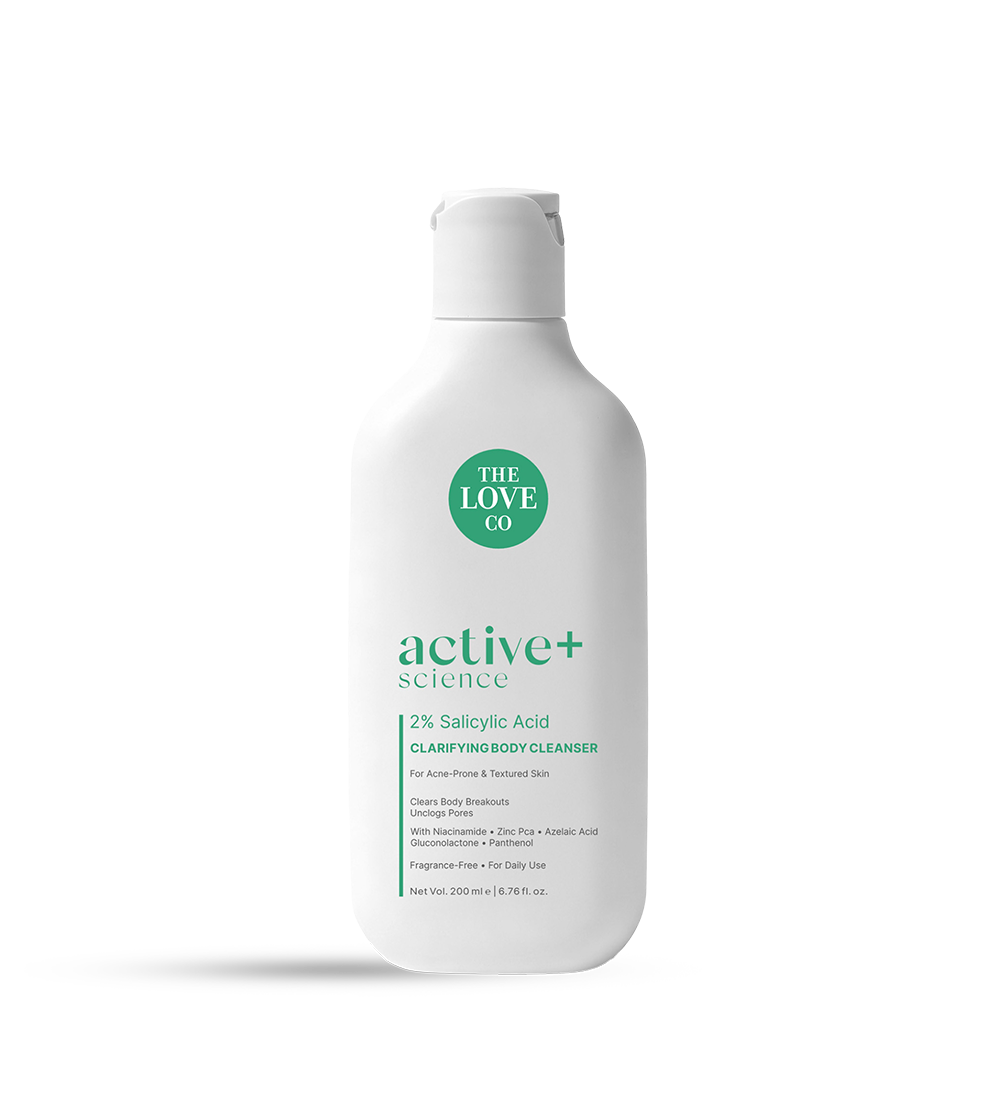
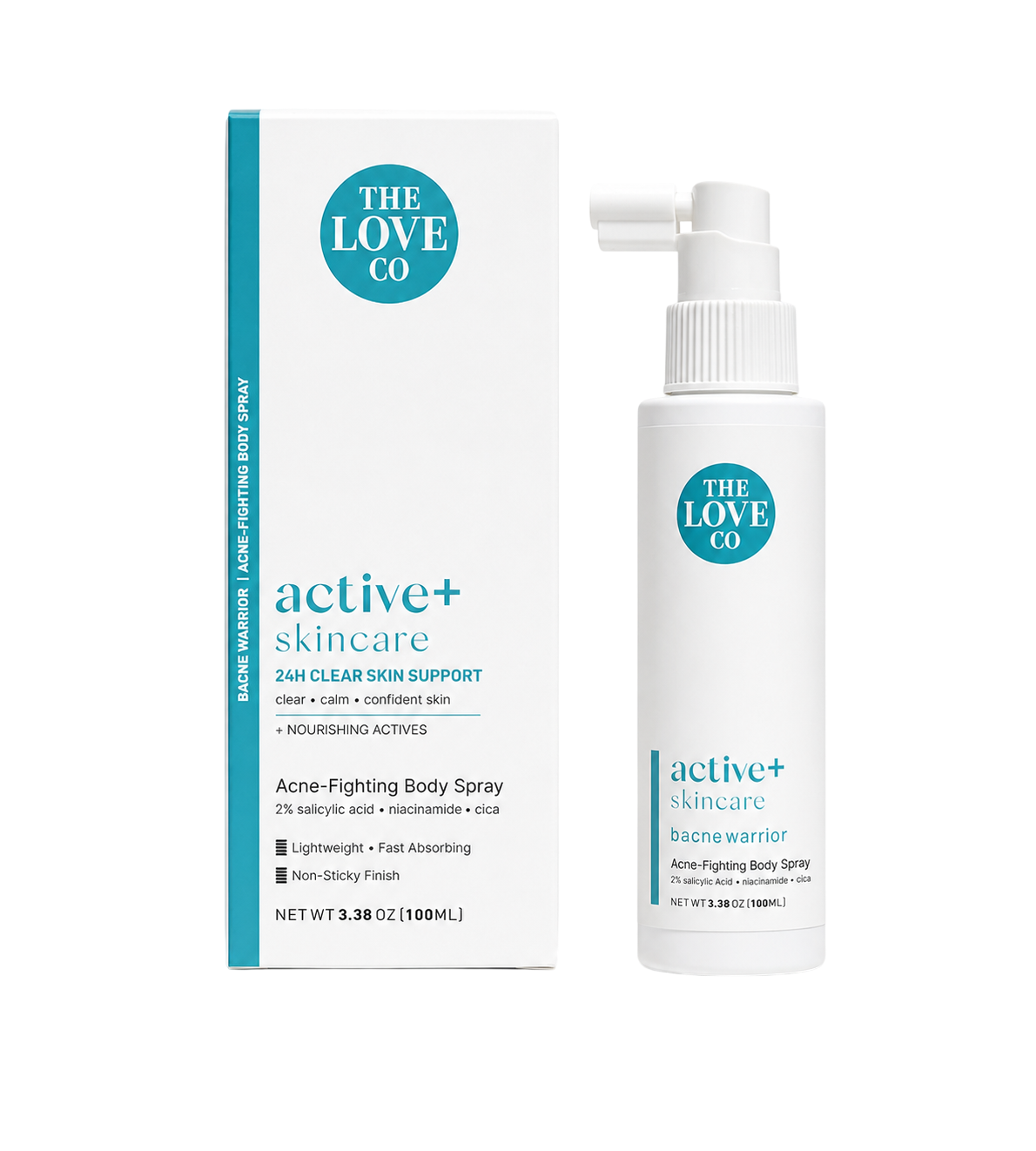
Body wash: Choose a sulfate-free formula with active ingredients. For oily or acne-prone body skin: salicylic acid (1–2%). For dry or rough skin: lactic acid or urea. For hyperpigmentation or dull tone: niacinamide or vitamin C derivative. Let the wash sit on skin for 60 seconds before rinsing — contact time is what separates active wash from cosmetic wash.
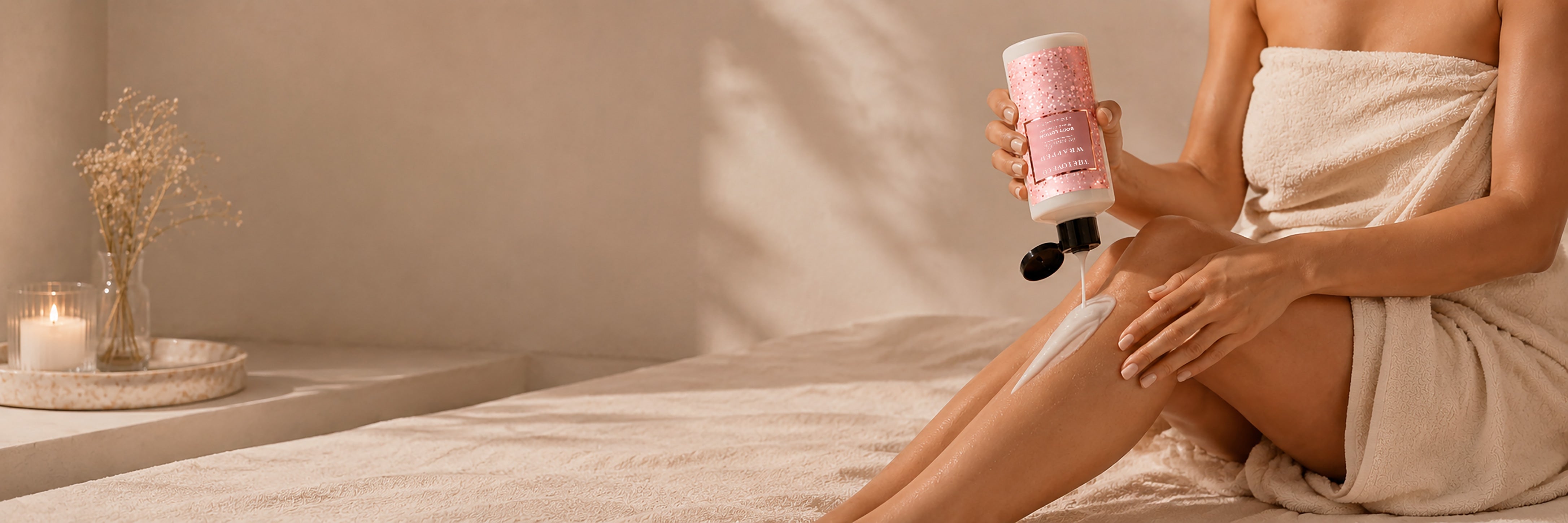
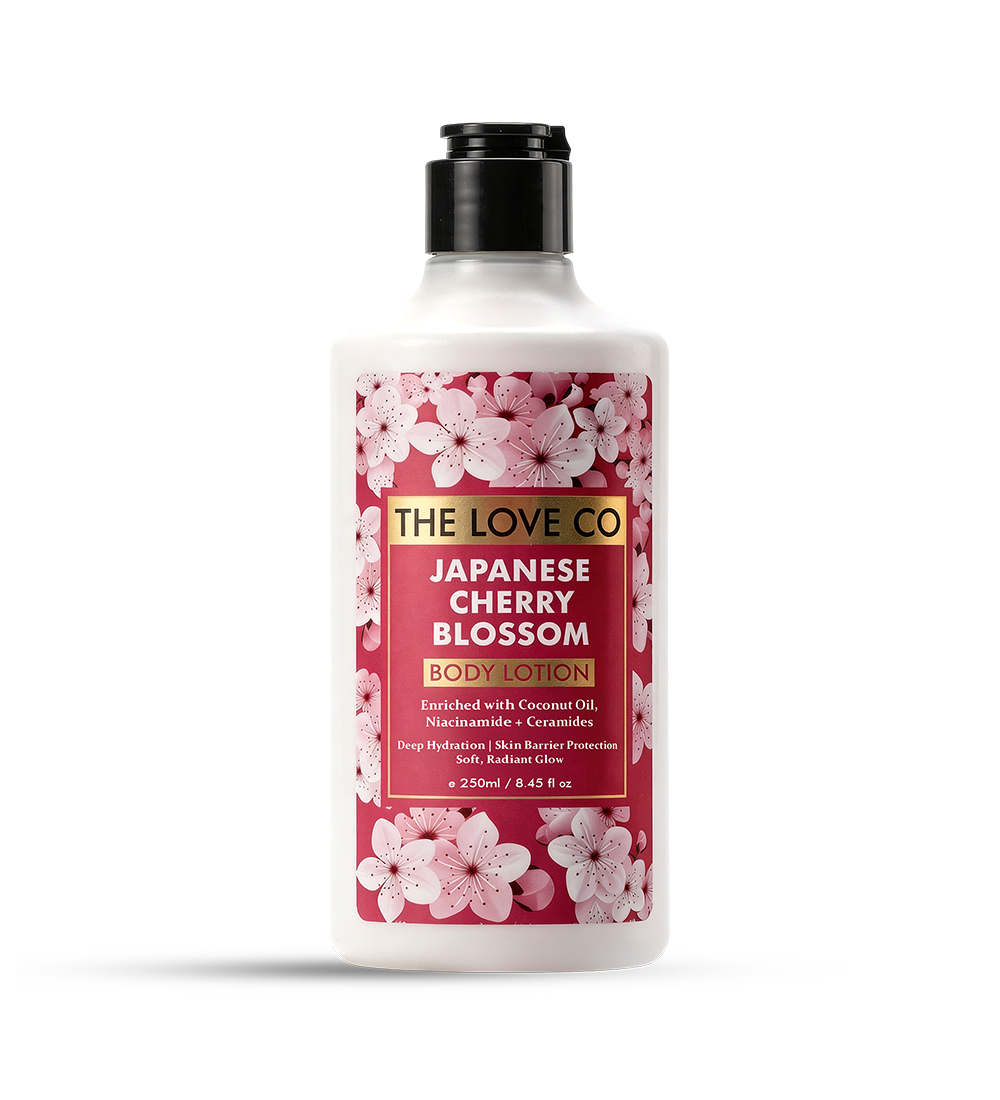
Lotion (immediately after, on damp skin): This is non-negotiable. Apply within 90 seconds of stepping out, while skin is still slightly damp. For Indian skin specifically, look for: niacinamide (for PIH, sebum regulation, and tone evening), hyaluronic acid (humidity-independent deep hydration), and a lightweight formulation that doesn't feel greasy in heat. Heavy shea butter or coconut oil bases are appropriate for dry Indian winters; they're counterproductive in the humid months.
SPF on exposed areas: Arms and shoulders are the most commonly sun-damaged body areas in India. A body SPF 30–50 applied to these areas as part of the morning routine is one of the highest-return investments in body skin quality, preventing the UV pigmentation that compounds existing friction-related darkening.
Evening Routine
Post-workout or end-of-day wash: Indian heat and the multi-shower habit mean many people shower twice. The evening wash should be gentler than the morning one if possible — a nourishing, fragrance-led wash that cleanses without stripping, rather than a second full-active treatment.
Treatment lotion for targeted concerns: Evening is when active ingredients work hardest, because skin is in repair mode at night. For dark spots and friction darkening: kojic acid or alpha arbutin lotion on affected areas. For rough texture on elbows, knees, or thighs: urea-based lotion (10% concentration). For anti-ageing on arms and décolletage: retinol body lotion (0.025–0.05%).
Weekly Additions
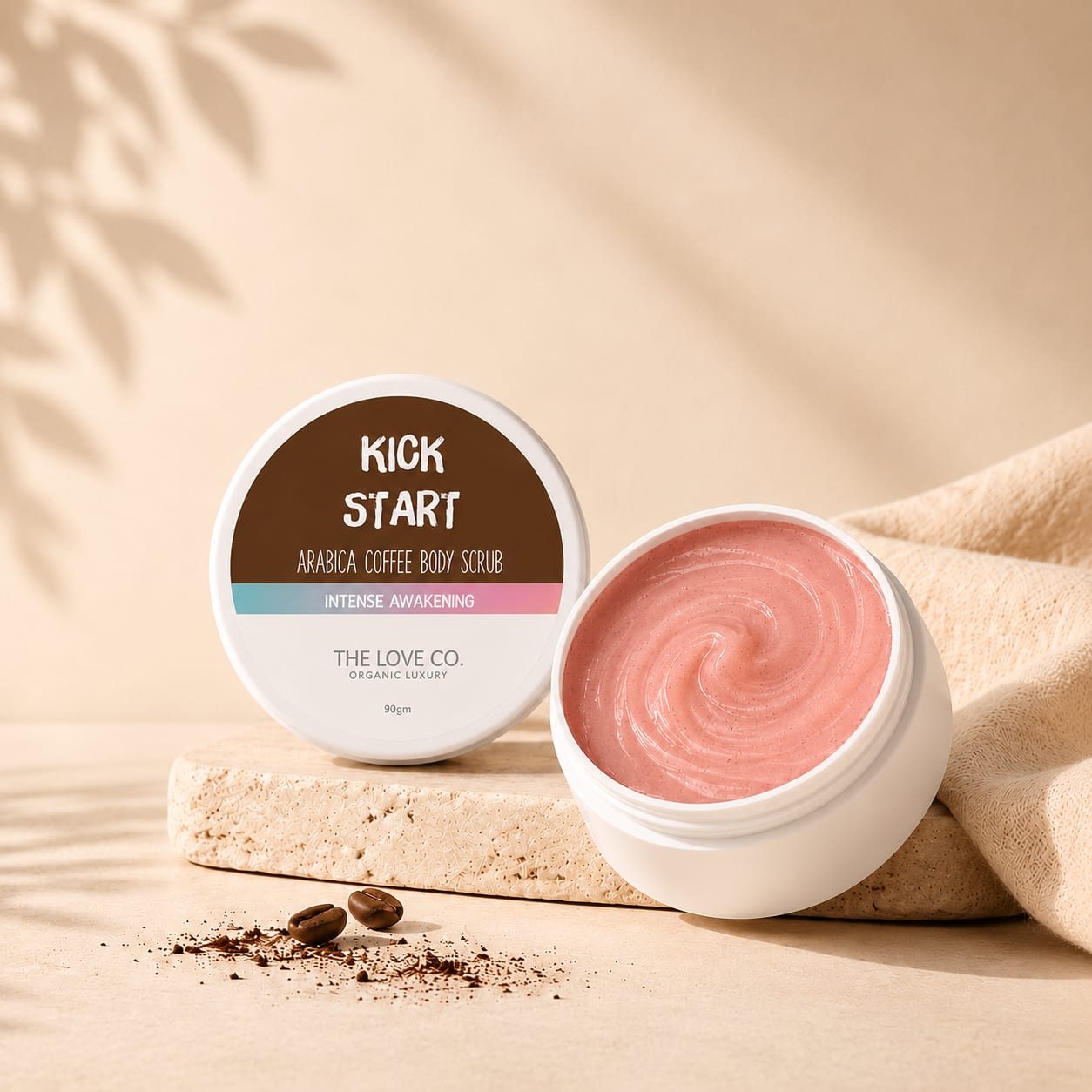
Body scrub (2–3×/week): Exfoliation is particularly important for Indian skin, where higher cell turnover and sweat-related congestion makes dead cell accumulation faster. A physical scrub used 2–3 times a week on elbows, knees, and hyperpigmented areas accelerates the cell turnover that allows active ingredients in your lotion to reach fresher skin below.
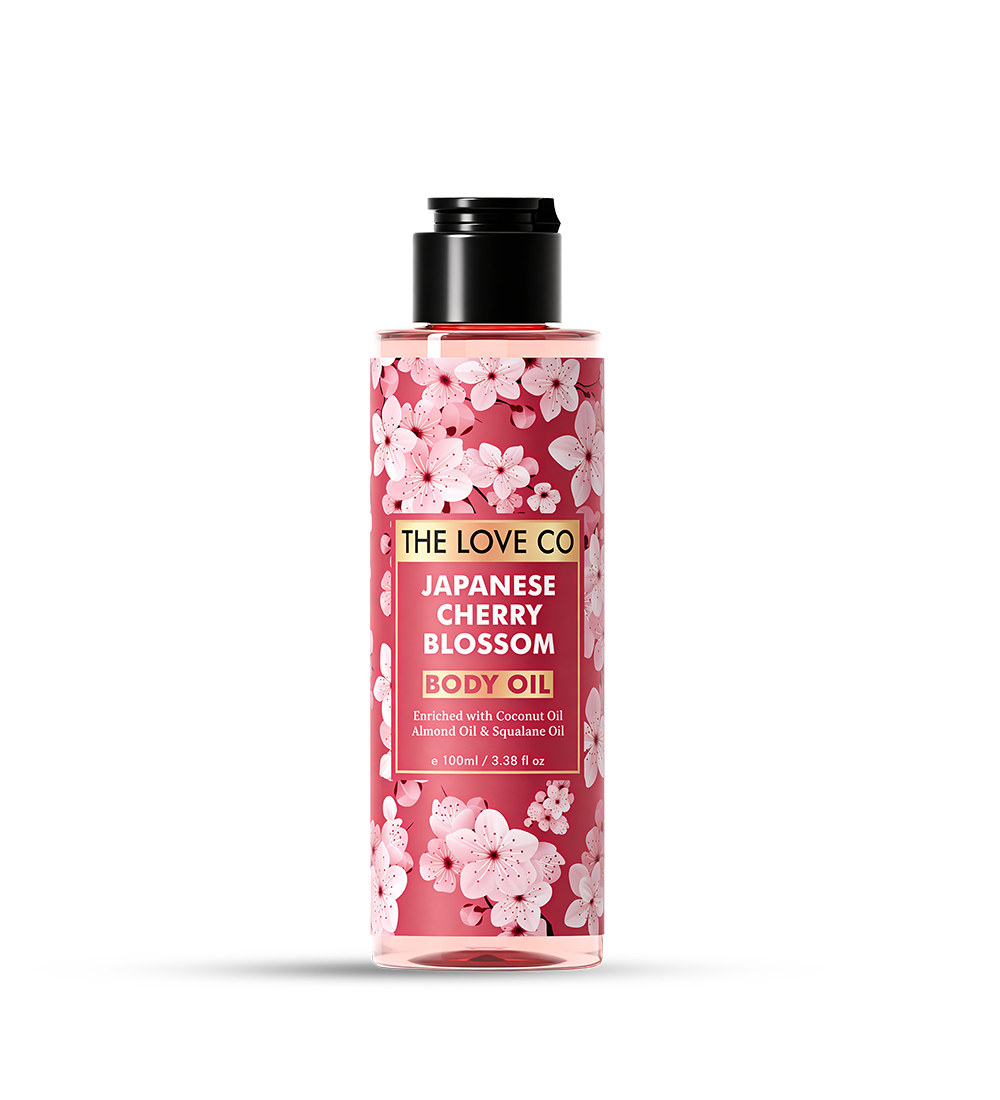
Body oil (1–2×/week): Applied over damp skin after scrubbing, a body oil provides deeper hydration than lotion alone and significantly extends fragrance longevity. For Indian skin, lightweight oils (squalane, jojoba, argan) perform better than heavy oils in humid conditions.
What Doesn't Work for Indian Skin
Standard Western moisturisers with heavy petrolatum or mineral oil bases — designed for cold, dry European climates — feel uncomfortable in Indian summers and block pores in humid conditions. Any body wash with sodium lauryl sulfate (SLS) as the primary surfactant will strip the barrier too aggressively for twice-daily use. And any routine that skips the post-shower lotion timing (applying to dry skin rather than damp) loses a significant portion of active ingredient absorption.
The Fragrance Dimension
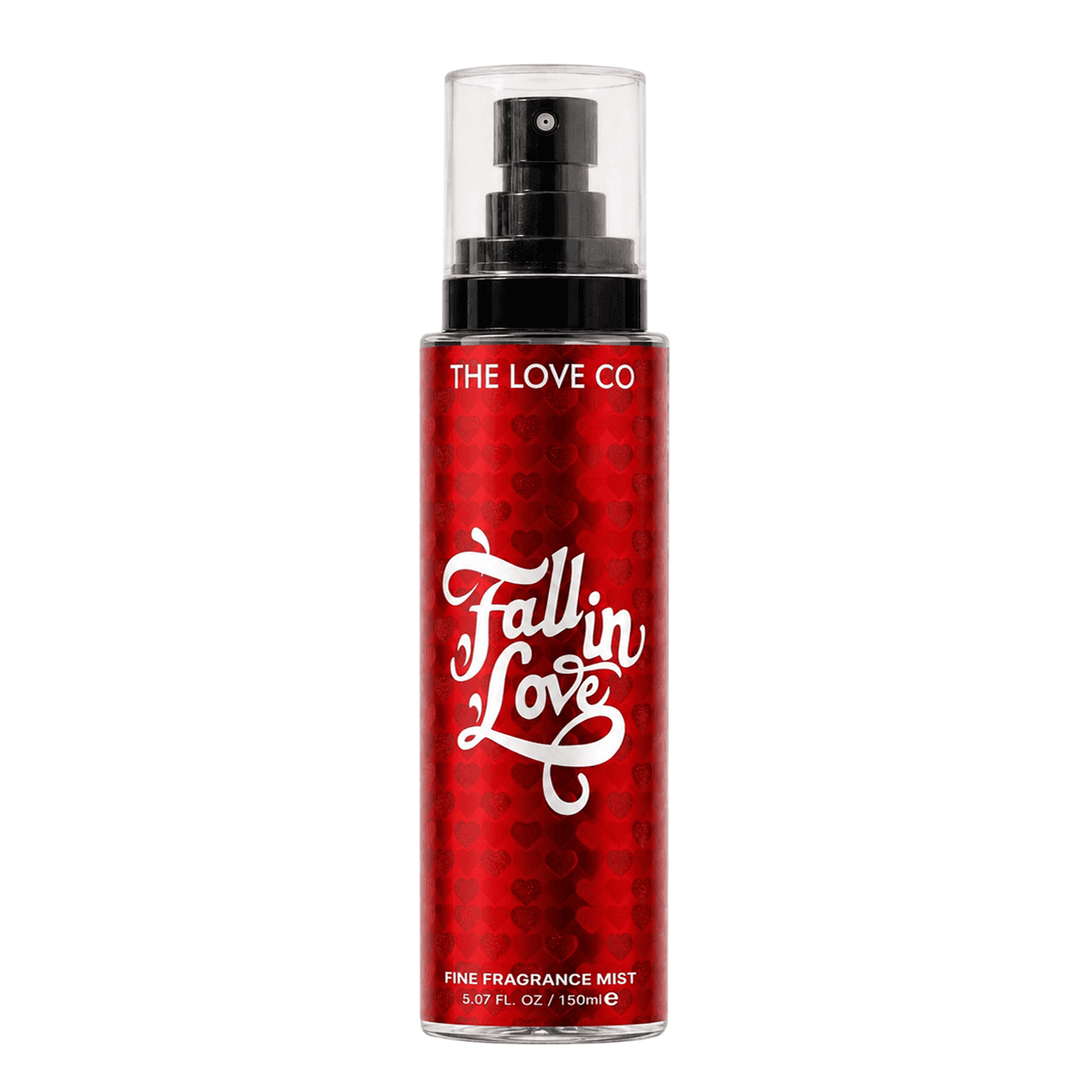
Body care in India has always had a relationship with scent — from the jasmine gajra tradition to the regular application of coconut oil with curry leaf, there is an embedded cultural relationship between care and fragrance. A body care routine that smells good — that makes the shower and post-shower ritual genuinely enjoyable — is a routine that gets followed consistently.
Consistency is what makes any routine produce visible results.
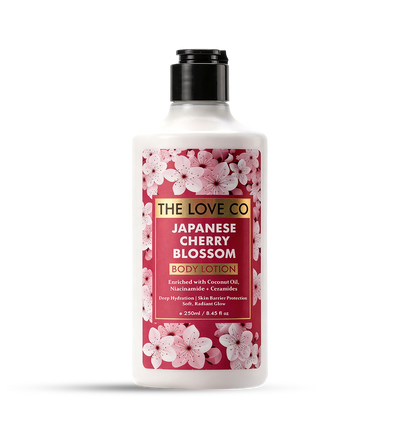
Explore The Love Co's body care range — designed for Indian skin, Indian climate, and the Indian relationship with fragrance.
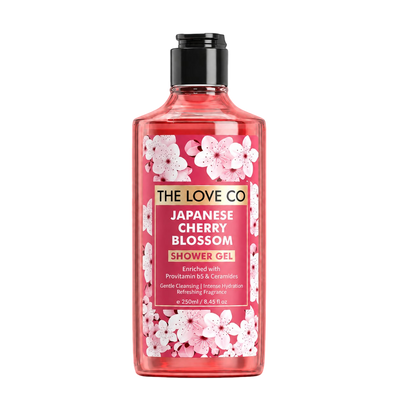
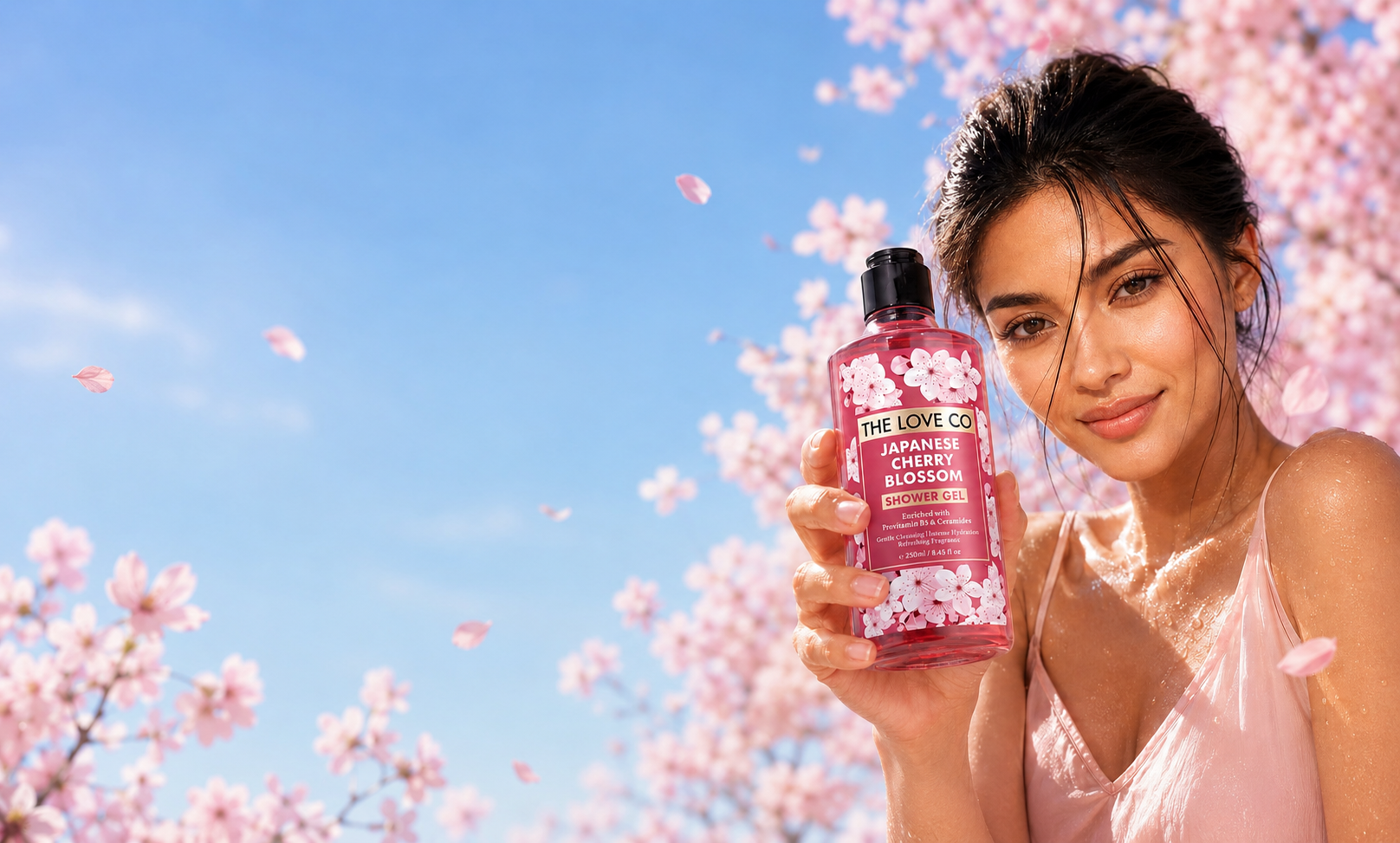
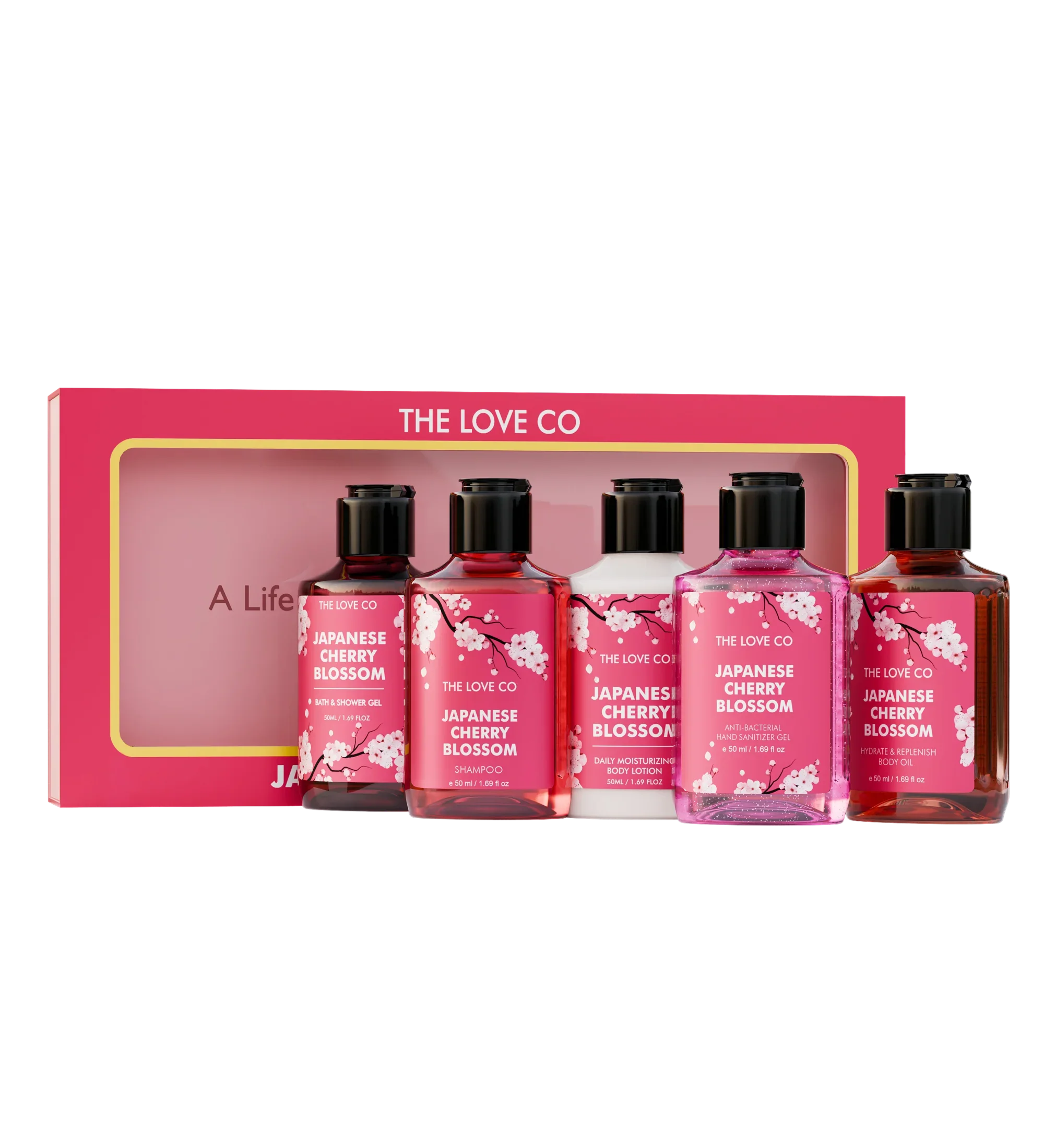
Japanese Cherry Blossom Shower Gel
Scent Trail Step 1 · soft floral body wash Start the Scent Trail here. A pH 5.5, SLS-free cleanser that protects your skin barrier while it washes —...
A ritual is the smallest love you give yourself, daily.
— Shopify API · 07 May 2026