




Body Oil vs Body Lotion: Which One Does Indian Skin Actually Need?
The question seems like it should have a simple answer. Body oil or body lotion — pick one. But the question is more interesting than the either/or framing suggests, because the right answer for Indian skin depends on season, skin type, and what you actually want from your body care.
More importantly: the body oil vs body lotion distinction is less relevant than most people realise, because the most effective approach is not choosing between them but understanding how they work together.
What Each One Actually Does
Body Lotion: The Hydration Delivery System
A body lotion is an emulsion — water and oil suspended together with an emulsifier. The water content provides immediate hydration to the upper layers of skin. The oil phase creates a seal that slows water loss after application. The emulsifier keeps them combined in the bottle.
When you apply a body lotion to skin, the water soaks in quickly, the oil spreads, and the combined effect is skin that feels soft and moisturised within minutes. The moisture benefit comes primarily from the water driving hydration into the skin; the oil phase extends how long that hydration lasts.
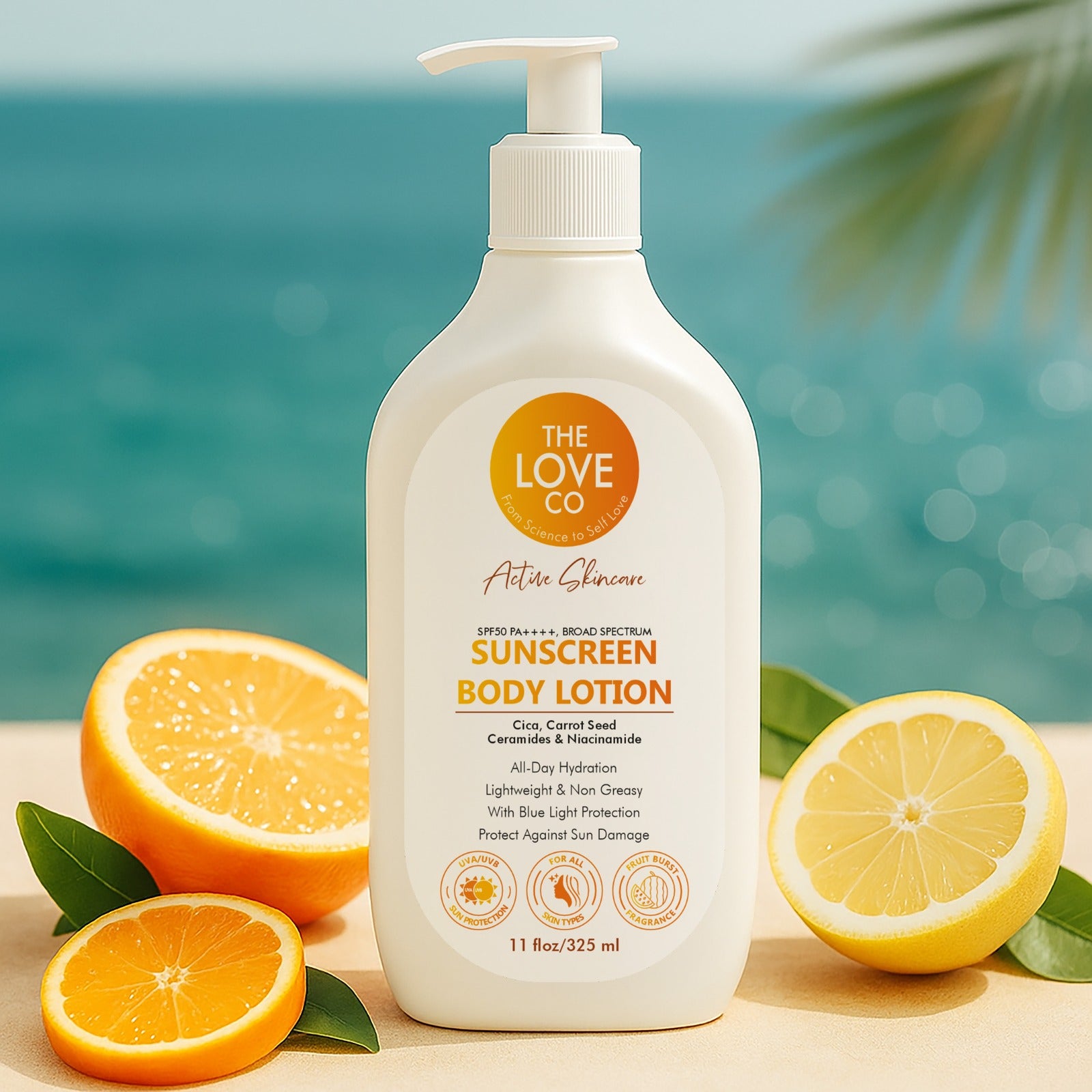
Body lotions are the right choice for immediate skin hydration in a single step. They are typically lighter and absorb faster than body oils. They are the correct daily moisture choice for normal to dry skin.
Body Oil: The Barrier Sealer and Fragrance Carrier
A body oil contains no water — it is pure lipid. This means body oil does not hydrate skin in the way a lotion does. What it does instead is two things.
First: it seals. Applied to skin that is slightly damp (ideally right after towel-drying after a shower, while the skin still holds some water), a body oil traps that surface moisture against the skin. The result is deeper, longer hydration than a lotion alone can achieve. The oil acts as an occlusive barrier — slowing trans-epidermal water loss far more effectively than an emulsion can.
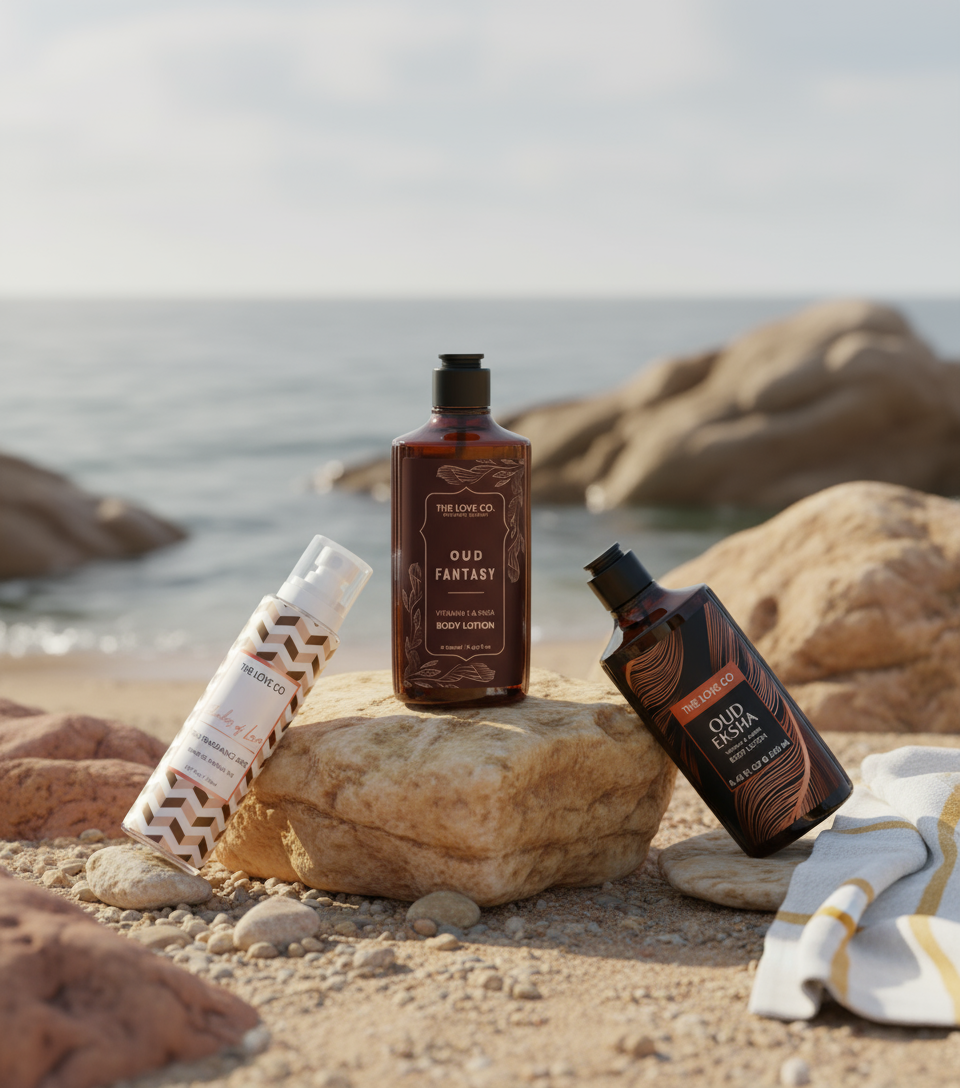
Second: it carries fragrance. This is less discussed but highly significant. Fragrance molecules are fat-soluble, not water-soluble. In an oil base, fragrance distributes evenly and binds to skin more effectively than in a water-based lotion. Body oil is the best fragrance delivery vehicle in a skincare context.
This is why TLC’s dry oils, specifically, produce a qualitatively different sillage outcome than the body lotion alone — the oil format maximises the fragrance’s contact with and adherence to skin.
Indian Skin: What the Climate Actually Requires
Indian skin care demands are not static. They vary significantly by season, region, and skin type.
Summer and Monsoon (March–October, Most Regions)
In summer heat and monsoon humidity, Indian skin produces significantly more sebum than in cooler climates. Heavy body butters and thick creams sit on the surface without absorbing — the skin simply doesn’t have the transepidermal water loss that a rich formula is designed to address.
What works: Lightweight body lotions with non-comedogenic oils (jojoba, squalane, rosehip). Dry body oils — oils formulated with quick-absorbing carriers like jojoba or marula that spread without residue. Application on damp skin right after shower, before the body heats up.
What doesn’t work: Rich body butters designed for dry climates, heavy mineral oil bases, any formulation that stays visibly on the skin surface.
Winter (November–February, North and Central India)
Cold, dry weather creates genuine dry skin — flaking on shins and forearms, tight feeling on knees and elbows, visible roughness. This is when a heavier lotion, a rich body butter, or a layered oil-over-lotion approach becomes appropriate.
What works: A body lotion on still-damp skin immediately post-shower, followed by a light body oil on particularly dry areas (shins, knees, elbows). The lotion hydrates; the oil seals.
What doesn’t work: Skipping body care entirely or relying on a light lotion without an oil seal in very cold, dry conditions.
Year-Round (South India, Tropical Regions)
In consistently humid, warm climates — coastal south India, much of Kerala and Tamil Nadu year-round — skin tends toward normal-to-oily. Body butters are almost never appropriate. Lightweight lotions and dry oils work; heavier emulsions don’t.
The Layering Answer: Why It’s Not Either/Or
The most effective approach for Indian skin is not body oil vs body lotion. It is body oil and body lotion, applied in sequence.
The sequence matters:
1. Body wash (in shower, fragrance foundation)
2. Pat skin partly dry (leave some surface moisture)
3. Body lotion (drives hydration in while skin is slightly damp)
4. Body oil (seals moisture, carries and deepens fragrance)
This is the layering system that TLC was built around. Each product in TLC’s scent range is designed to work in this sequence — the wash lays the fragrance foundation, the lotion adds depth and hydration, the oil seals both moisture and fragrance. The result is skin that is genuinely hydrated and genuinely fragrant in a way that no single product achieves.
The sillage difference is measurable: a body wash + lotion + oil ritual in the same TLC scent family produces fragrance longevity of six to eight hours. The same lotion used alone achieves four to six. The wash alone, less than two. The layering is not marketing language — it is fragrance chemistry.
Skin Type Guide: Which to Use
| Skin Type | Season | Recommended | Notes |
|---|---|---|---|
| Normal | Summer/Monsoon | Body lotion (lightweight) | Skip oil unless adding fragrance |
| Normal | Winter | Body lotion + body oil | Layer for moisture lock |
| Dry | Summer/Monsoon | Body lotion, dry oil optional | Choose non-comedogenic formulas |
| Dry | Winter | Body lotion + body oil (essential) | Oil on shins and knees minimum |
| Oily | Year-round | Dry body oil only or lightweight lotion | Heavy formulas will clog |
| Sensitive | Year-round | Fragrance-free lotion | Patch test any oil |
| Very dry | Winter | Body oil on damp skin first, lotion over | Reverse layering for intense dry skin |
Which Body Oil and Lotion for Indian Skin?
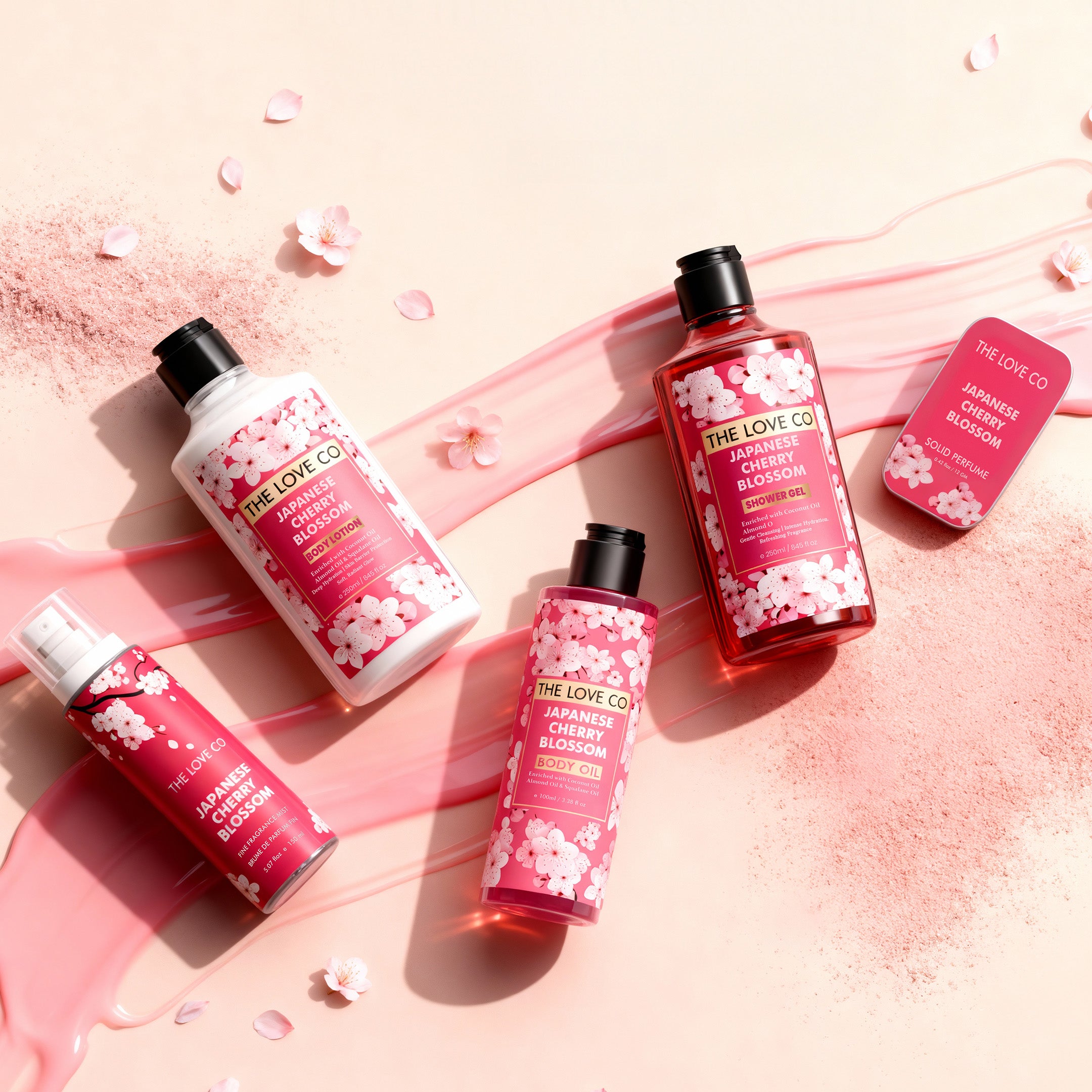
For the layering approach (recommended): TLC’s matching body wash, lotion, and body oil in a single scent family. The products are designed specifically for this sequence, the fragrance is built to compound across layers, and the formulas are appropriate for Indian climate.
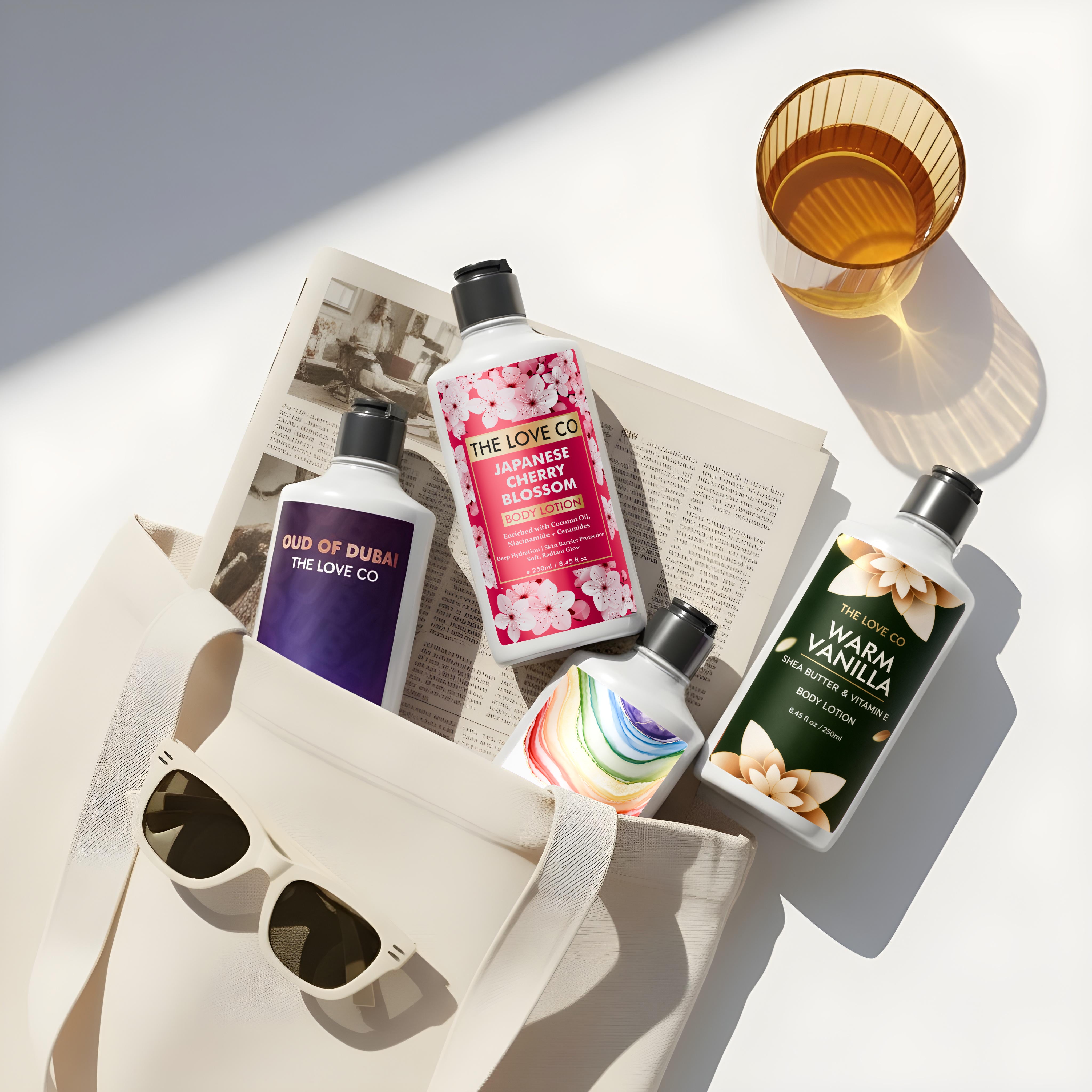
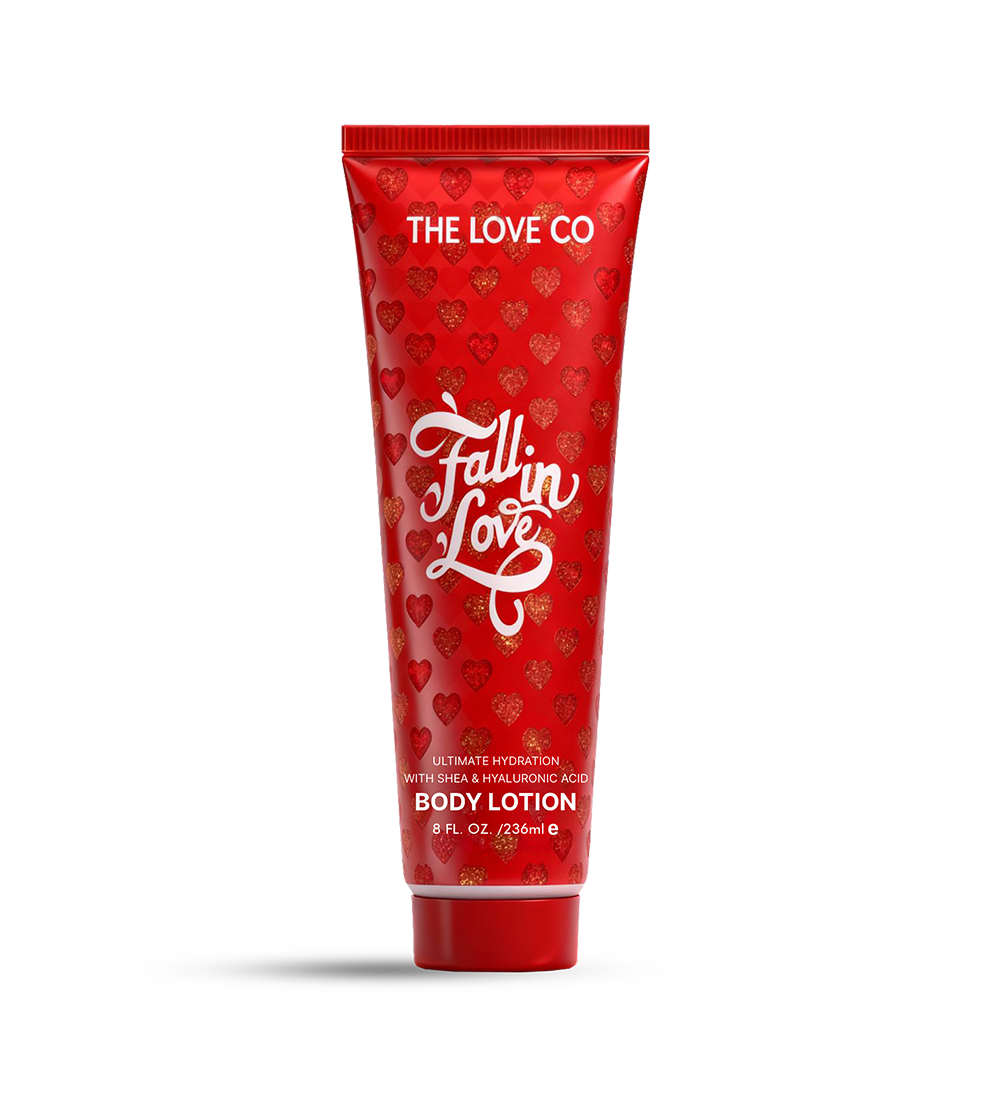
For standalone lotion use: TLC’s body lotion (₹799–₹999), Forest Essentials’ body milk (₹1,295–₹1,795), or Plum Bodylovin’ (₹499–₹649, fragrance-neutral).
For standalone oil use: TLC’s dry body oil for fragrance-focused users. Kerala Ayurveda’s sesame or coconut oil for therapeutic applications. Forest Essentials’ body oil for Ayurvedic aromatherapy.
The Honest Verdict
Body oil vs body lotion for Indian skin is the wrong frame. The right question is: what combination, in what sequence, works for your skin type, your climate, and the skin you want to have?
For most Indian skin types in most seasons: a lightweight body lotion applied to damp skin after showering, followed by a dry body oil on particularly dry areas or for fragrance amplification. This takes two minutes and produces significantly better results than either product alone.
The fragrance dimension is where body oil earns its place most decisively. If you want your body care to fragrance your day — to leave something in the air when you move through a room — body oil is not optional. It is the difference between fragrance that disappears in an hour and fragrance that carries until evening.
Start with the ritual. Apply them together. Notice the difference.
Explore TLC’s body oil and lotion range at theloveco.in. See our best body lotions under ₹1,500 guide for lotion options, and our best body care brands India 2026 for the full market picture.