



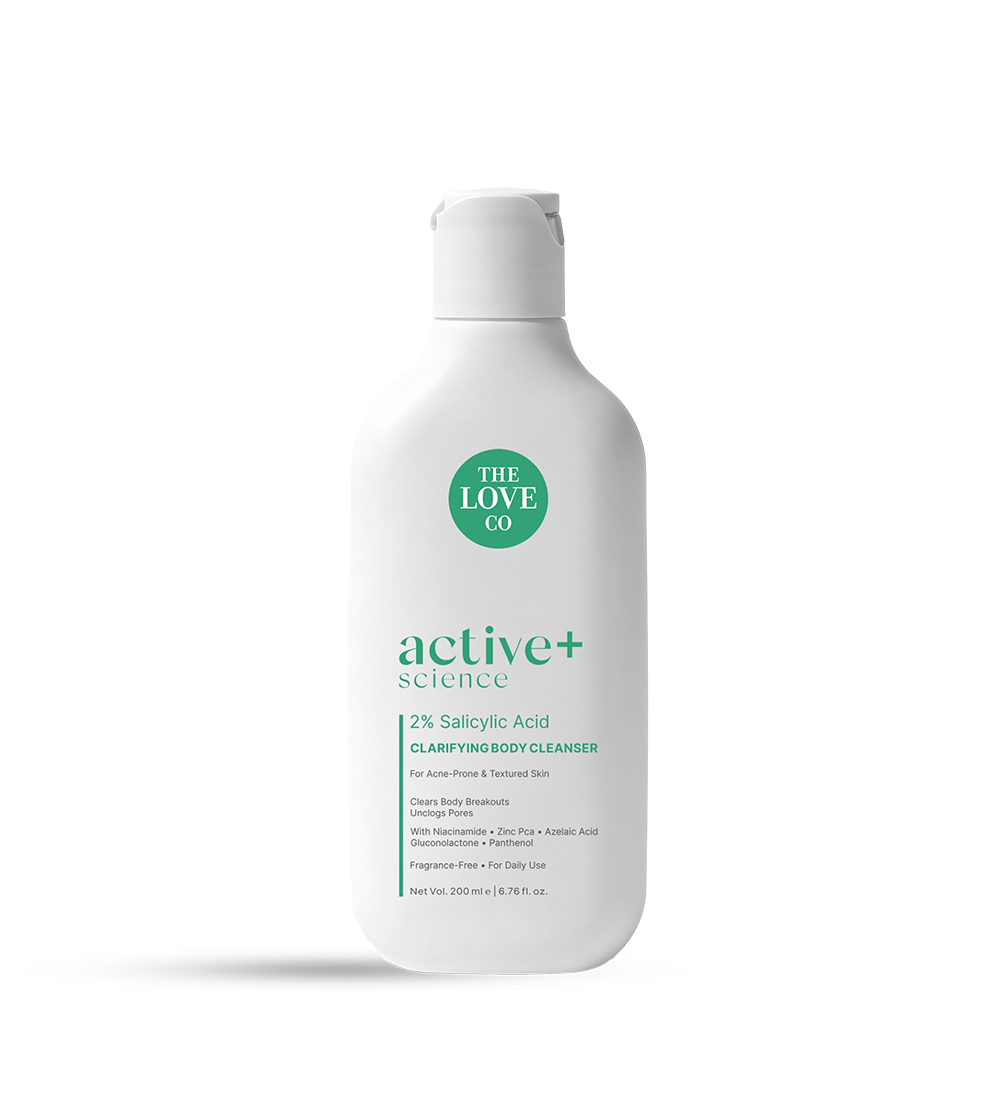
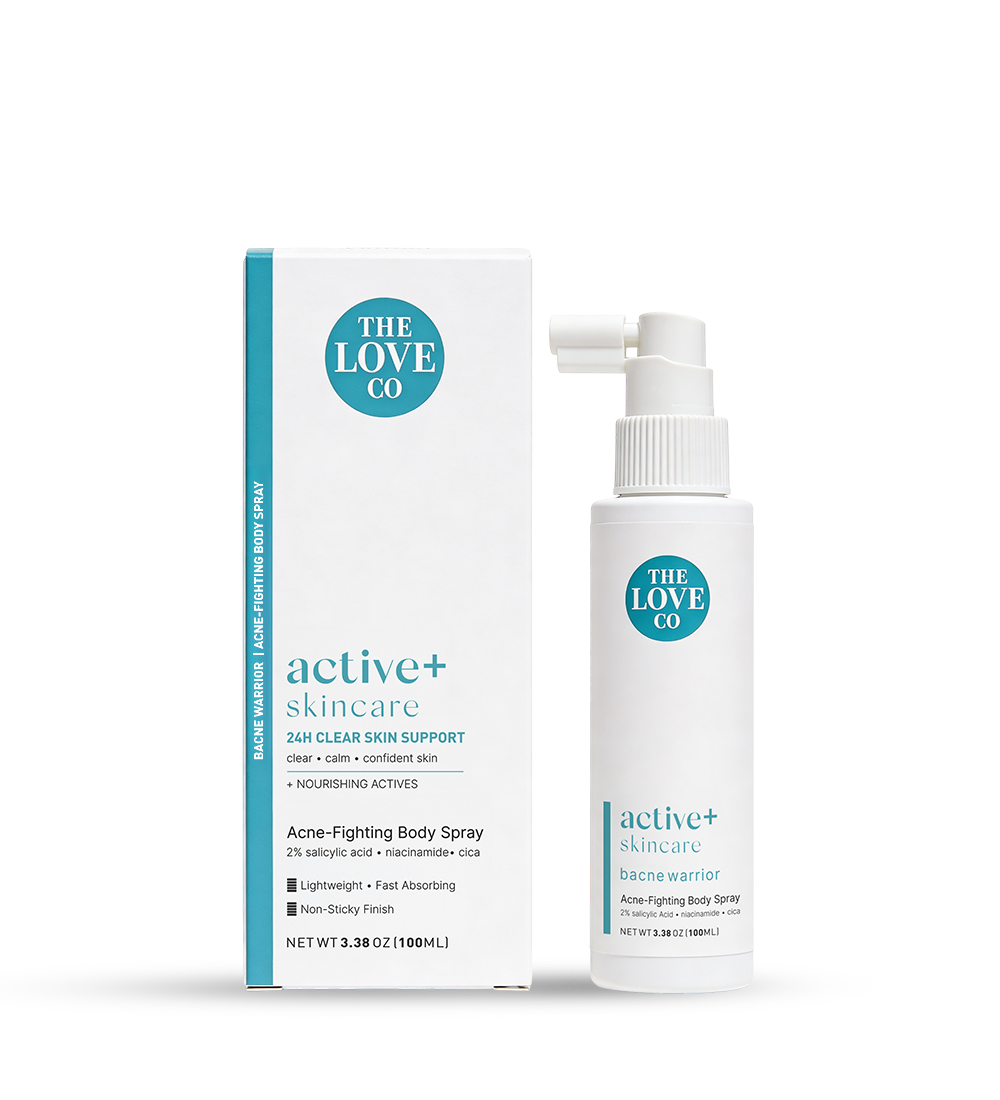
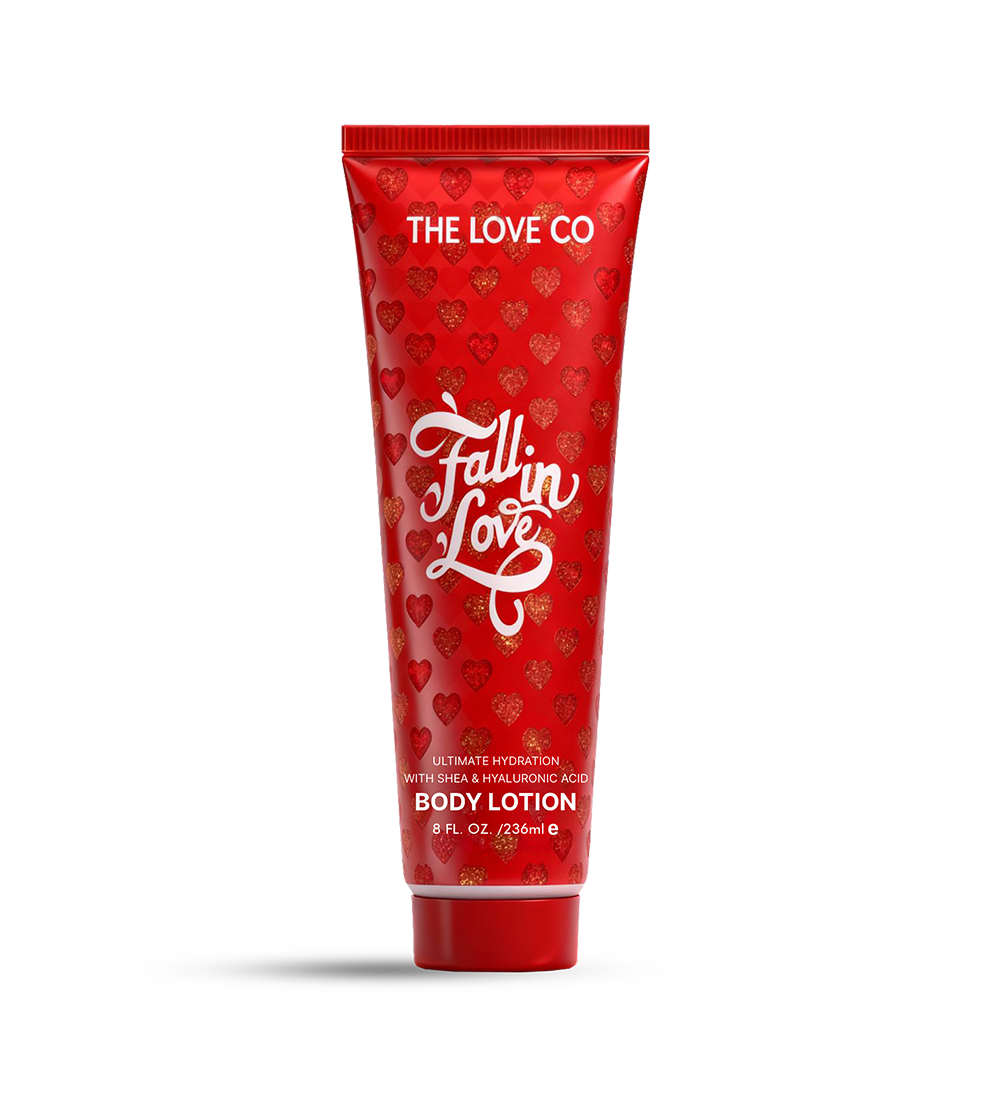
Is The Love Co Worth It? An Honest Review
There is a version of this review that leads with the superlatives: India’s most fragrant body care, the best D2C body brand you haven’t tried yet, your new ritual. This is not that version.
This is the honest one. What The Love Co actually delivers, where it falls short, who it is the right choice for — and a genuine assessment of whether the price is justified.
The short answer is yes. But the why matters.
What The Love Co Is
The Love Co is a D2C body care brand founded in India. Its distinguishing premise is fragrance-first: every product is designed around a coherent fragrance story, using India-origin fragrance ingredients that are among the world’s finest — Kannauj rose (from the same region that supplies European attar and perfumers), Mysore sandalwood, Tamil Nadu vetiver root.
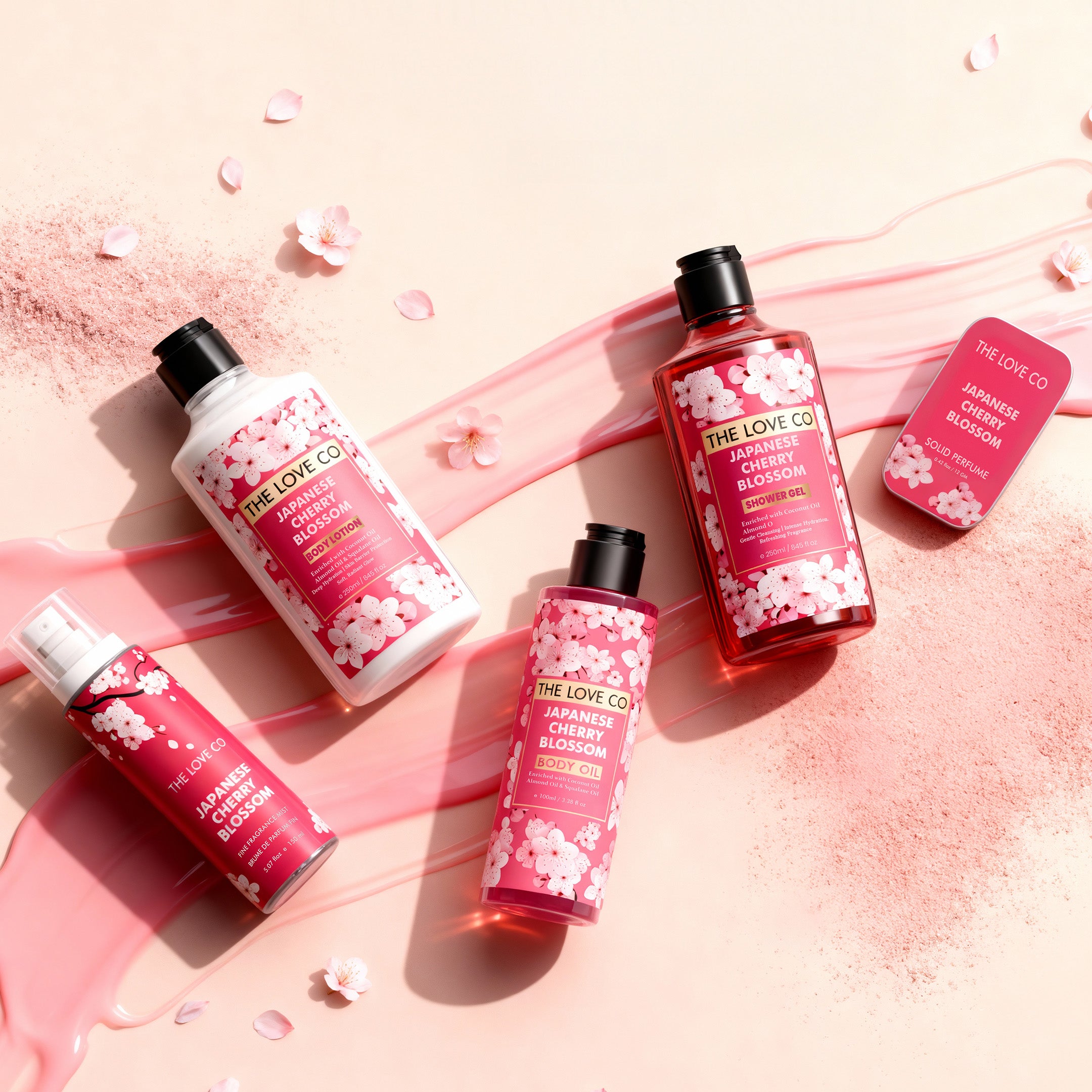
The brand’s philosophy is the layering ritual: body wash, body lotion, and body oil in matching scent families, applied in sequence, compounding fragrance as they interact with body heat and skin. The result is sillage — a fragrance trail — that no single product alone achieves.
TLC is sold exclusively D2C through theloveco.in. No retail stores, no Nykaa listing (as of 2026). The model is intentional.
What TLC Does Well: The Genuine Strengths
1. The Fragrance Is Real
This is the starting point for everything. TLC’s fragrances are not synthetic fragrance oils poured into a lotion base. They are built around traceable, source-specific ingredients.
Kannauj, in Uttar Pradesh, is one of the oldest attar-producing regions in the world. The city has been distilling rose, jasmine, and kewra since Mughal-era India. The rose distillate from Kannauj has a warm, honeyed, slightly waxy quality that is distinct from both synthetic rose fragrance and the Turkish rose oil commonly used in Western products. European perfumers import it; TLC uses it at the source.
Mysore sandalwood — regulated and genuine — provides the warm, creamy, milky wood base in TLC’s sandalwood range. Tamil Nadu vetiver root is the geographic origin of a note that appears in Guerlain, Dior, and Chanel formulations under the French name “Vétyver de l’Inde.” TLC uses the actual ingredient.
On skin, the difference is felt rather than explained. These fragrances evolve. They have a top note that opens on application, a heart that settles twenty minutes later, and a base that remains hours after. That behaviour — the evolution of a fragrance across time — is what a properly composed fragrance does, and it is what distinguishes TLC from body care brands that use fragrance as a surface-level addition.
2. The Layering Philosophy Delivers
TLC’s layering system — wash, lotion, oil in matching scent family — produces a measurably different result from any single product. The body wash lays a fragrance foundation that the lotion reinforces and the oil seals and deepens.
The science behind this is straightforward: fragrance molecules are fat-soluble. An oil base delivers and binds them to skin more effectively than a water-based lotion. The lotion provides immediate hydration. The wash conditions the skin surface to receive both. Each layer compounds the last.
In practice: a full TLC ritual produces fragrance longevity of six to eight hours on most skin types. The body lotion alone delivers four to six hours. The wash alone, less than two. The layering is not a sales narrative. It is an observable difference.
3. The Pricing Is Genuinely Fair
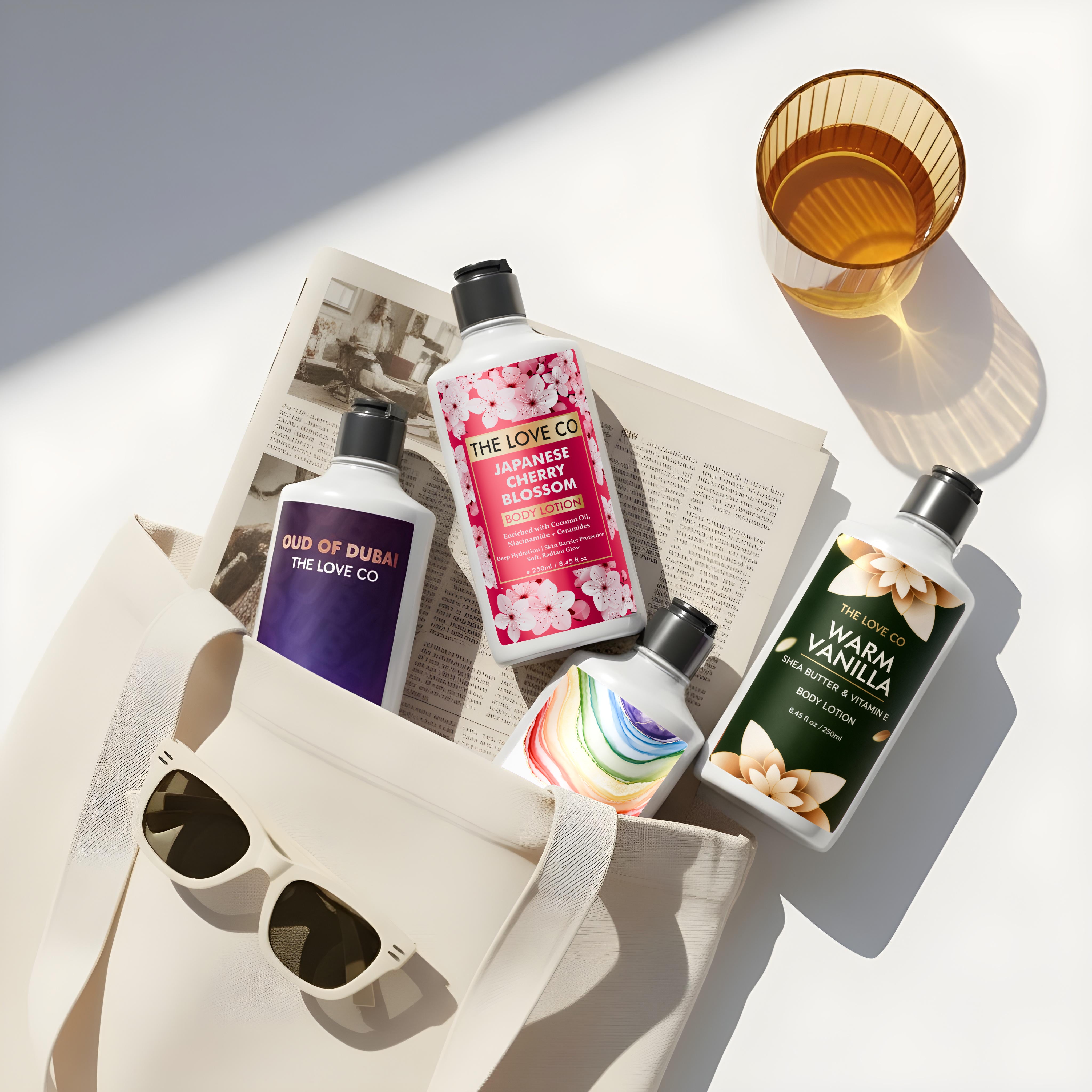
TLC’s body lotion sits at ₹799–₹999 for 250ml. The body wash is ₹599–₹799 for 250ml. The body oil is ₹999–₹1,299 for 100ml. A full layering ritual (all three products) costs ₹2,500–₹3,500.
For comparison: a Forest Essentials body lotion equivalent is ₹1,795–₹2,695 for 200ml. A comparable L’Occitane body lotion in India costs ₹2,200–₹2,800. An equivalent in the Aesop body care range costs ₹3,500–₹4,500.
TLC produces fragrance quality and ingredient provenance that competes with these brands — and delivers it at a price that doesn’t require a considered purchase decision every time. That accessibility is not a sign of lower quality. It is a structural advantage of the D2C model: no retail distribution margins, no import duties, no celebrity-endorsement costs built into the price.
4. The D2C Model Is a Feature
The absence of retail stores is TLC’s most cited limitation. It is also, looked at clearly, what makes everything else possible.
A brand that sells through Nykaa or Sephora India pays those platforms 30–40% of the retail price in commission. A brand that sells through its own branded stores pays rent, staff, and the overhead of physical retail. Those costs are passed to the buyer.
TLC’s D2C model keeps the margin clean. The money that would otherwise fund a retail network funds the ingredient quality and the fragrance formulation instead. The buyer absorbs the limitation of not being able to smell before buying; the brand absorbs the challenge of selling without sensory trial. The trade-off is an honest one.
What TLC Doesn’t Do: The Real Limitations
1. Limited Retail Presence Means Sensory Risk
The most legitimate criticism of TLC is that you cannot walk into a store and smell the products before committing. Fragrance is the entire point of this brand. Buying fragrance online, from a photograph and a scent description, is genuinely harder than sampling in person.
TLC does offer smaller formats and samples for some ranges. For first-time buyers, starting with a single body lotion before committing to a full ritual set is the lowest-risk approach. The limitation is real; it is not insurmountable.
2. Smaller SKU Range
Forest Essentials has hundreds of SKUs — body care, face care, hair care, Ayurvedic supplements, home fragrances. Bath & Body Works has seasonal collections with dozens of fragrances. TLC’s range is curated and smaller.
This is a deliberate choice — depth over breadth — but it does mean that buyers looking for extensive variety will find less at TLC than at brands with larger catalogues. If you want twenty fragrance options, TLC may not have twenty. If you want eight fragrance options that are genuinely excellent, it does.
3. No Celebrity or Mass-Market Validation
TLC has no celebrity endorsements, no Bollywood ambassador, no magazine billboard campaign. For buyers whose trust in a brand is partly built on social proof of that type, TLC’s brand presence may feel smaller than it is.
This is a legitimate observation that resolves itself the first time you use the product. The word-of-mouth around TLC is strong precisely because the product over-delivers on the brand’s modest presentation.
4. D2C Logistics Dependency
As a D2C brand, TLC’s delivery experience is entirely dependent on courier logistics in India. In cities with reliable delivery infrastructure, this is not an issue. In smaller towns or during high-demand periods, delivery timelines can vary. This is not unique to TLC — it is the universal challenge of Indian D2C commerce.
Who Is TLC For?
TLC is the right choice for:
- Buyers for whom fragrance is the primary criterion in body care
- Anyone who has been buying international body care brands and wondering if a credible Indian alternative exists
- Buyers who value India-origin ingredients and want to know what Kannauj rose actually smells like on skin
- Anyone building a body care ritual — not just applying a product but creating a sensory habit
- Mid-premium buyers who want genuine quality without the Forest Essentials or L’Occitane price tag
TLC is not the right first choice for:
- Buyers whose primary criterion is Ayurvedic classical formulation (Forest Essentials serves that need better)
- Buyers who need to smell before buying and aren’t willing to trial online
- Buyers looking for a very wide SKU range with extensive fragrance variety
- Buyers who prioritise physical retail availability
Product-by-Product Assessment
Body Wash: 9/10 — The best-performing category. The fragrance delivery in a wash format is where TLC’s formulation advantage is most clearly felt. The Kannauj rose wash is a reference product.
Body Lotion: 8.5/10 — Excellent fragrance longevity for the category. Lightweight absorption appropriate for Indian climate. Slightly better in cooler months than peak summer.
Body Oil: 9/10 — The most distinctive product in the range. The dry-oil format absorbs without residue. The fragrance depth in an oil base is exceptional. The sillage amplification from lotion + oil layering is genuine and significant.
Body Butter: 7.5/10 — Good winter choice. Not the strongest summer option for humid climates.
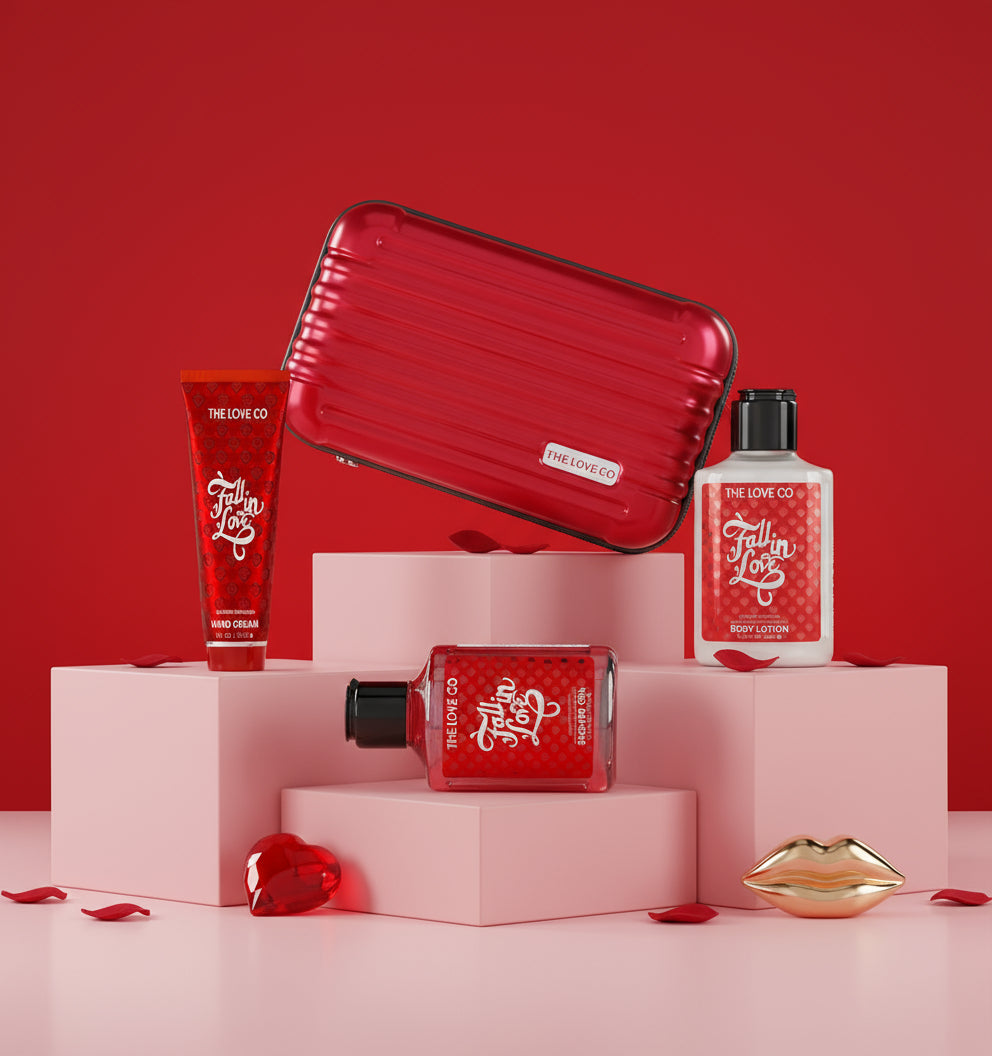
Gift Sets: 8/10 — Strong fragrance coherence. Packaging is good, not exceptional.
The Verdict: Is The Love Co Worth It?
Yes. Specifically and honestly yes.
TLC delivers fragrance quality and ingredient provenance that competes with international brands at two to three times the price. The D2C model keeps pricing honest. The layering philosophy produces a skin experience that rewards the ritual rather than just the product.
The limitations are real: no retail presence, smaller range, no celebrity validation. None of these limitations affect what happens when you actually use the product.
The Love Co is worth it for the buyer who wants to stop applying body care and start inhabiting it. For the buyer who has always used a lotion because skin care is a task — and who discovers, through a full TLC ritual, that it can be something they actually look forward to.
That shift — from task to ritual, from adequate to chosen — is what TLC does well. It does it honestly and at a price that makes it sustainable to repeat.
Explore the full range at theloveco.in.
For how TLC compares to Forest Essentials, see our head-to-head. For the full India body care landscape, see best body care brands in India 2026. For the layering method explained in full, see body oil vs body lotion — which Indian skin actually needs.