Active Body Wash for Bacne: The Right Cleanser for Back Breakouts
Back acne — bacne — is one of those skin concerns that people live with for years without addressing properly, mostly because it's out of sight. But it's also one of the more straightforward concerns to treat with the right approach, because back skin is thicker, less sensitive, and more tolerant of active ingredients than face skin.
The challenge is usually not finding a solution — it's understanding why the standard one hasn't worked.
Why Back Acne Is Different from Face Acne
Back skin has a higher density of sebaceous (oil) glands than most other body areas, second only to the face and chest. It also has larger pores. The combination of high sebum production, larger follicle openings, and the added factor of sweat, friction from clothing, and difficult-to-reach cleansing creates ideal conditions for acne to develop and persist.
Back acne tends to fall into a few types:
- Comedonal acne — blackheads and whiteheads from clogged pores; responds well to exfoliating acids
- Inflammatory acne — red, raised papules and pustules from bacterial infection in blocked follicles; responds to salicylic acid and antibacterial actives
- Fungal acne (Malassezia folliculitis) — small, uniform, itchy bumps caused by yeast overgrowth in follicles; looks like acne but requires antifungal treatment, not antibacterial
- Cystic acne — deep, painful nodules; requires dermatological treatment beyond topical wash-off products
Identifying which type you're dealing with changes what active ingredients you need. Most people have a combination of the first two.
The Active Ingredients That Work for Bacne
Salicylic Acid (1–2%)
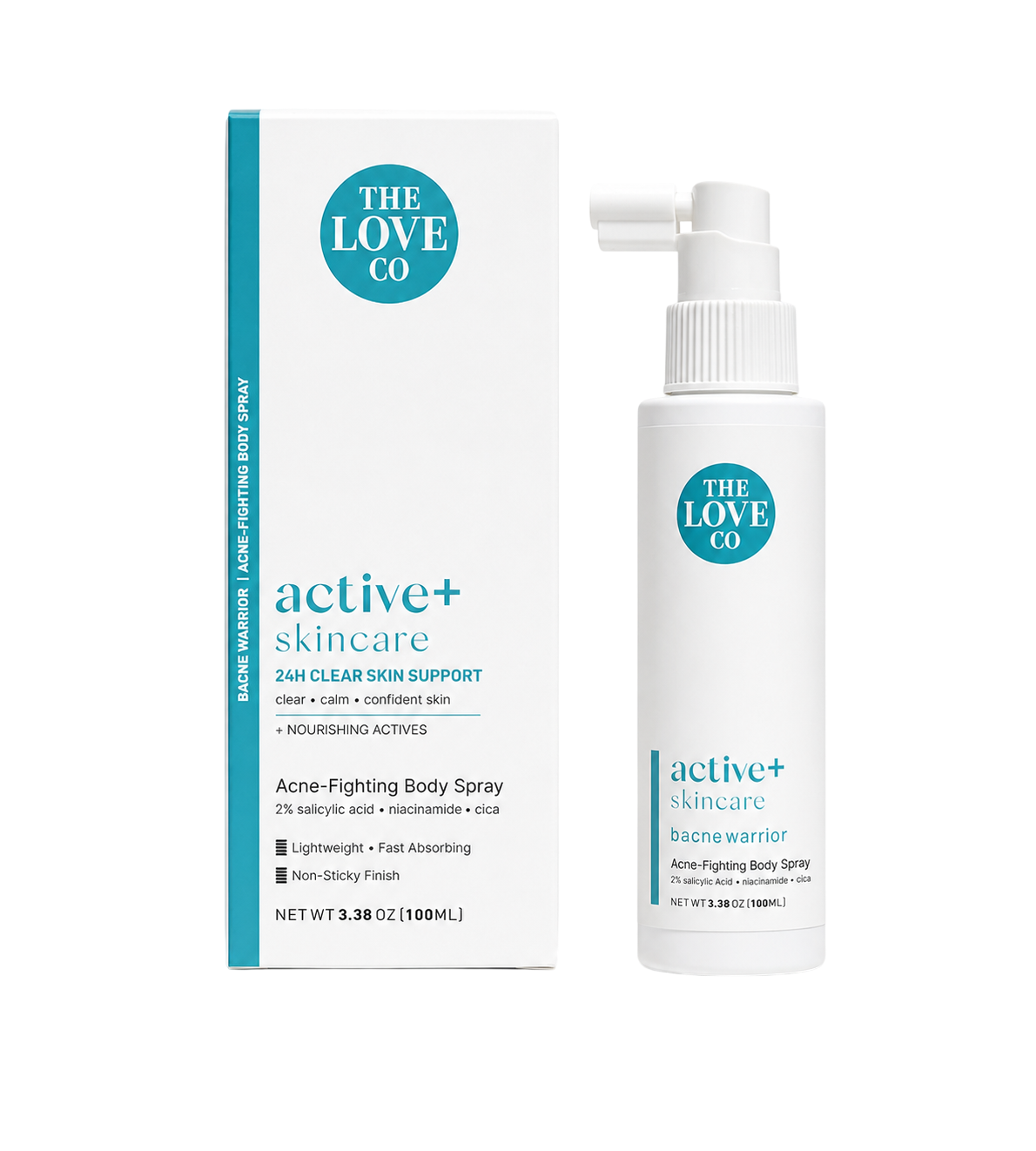
The first-line recommendation for back acne. Oil-soluble, pore-penetrating, and anti-inflammatory — it addresses the sebum clogging, the dead cell build-up, and the inflammatory response simultaneously. Most effective for comedonal and mild inflammatory bacne. Use daily or every other day; leave on skin for 60 seconds before rinsing.
Benzoyl Peroxide (2.5–5%)
The most effective antibacterial ingredient for acne — kills Cutibacterium acnes directly. More aggressive than salicylic acid and can bleach fabric (use white towels and old sheets). Particularly effective for inflammatory bacne with visible pustules. Start at 2.5% to assess tolerance before moving to 5%.
Glycolic Acid (5–8%)
Best for comedonal bacne and rough, congested back skin with multiple small blocked pores. Exfoliates the surface layer uniformly, preventing the dead cell accumulation that feeds acne formation. Less effective than salicylic acid for active inflammatory breakouts but superior for overall texture and prevention.
Tea Tree Oil (2–5%)
Natural antibacterial alternative to benzoyl peroxide with a lower irritation profile. Less potent but suitable for those with sensitive skin or who react to benzoyl peroxide. Works best for mild to moderate bacne used consistently over 4–6 weeks.
Zinc PCA
Regulates sebum production and has mild antibacterial properties. Particularly useful in a body wash for those with very oily back skin where excess sebum production is the primary driver of breakouts.
The Application Method Most People Get Wrong
Back skin is difficult to reach, which means most people apply body wash hastily and rinse immediately. For active body wash to work on bacne, it needs contact time.
Use a long-handled body brush or applicator to apply the wash to your back. Work into a light lather over affected areas and wait 60–90 seconds before rinsing. This is the single most impactful change most people can make to their current routine — the same product, used with proper dwell time, delivers significantly better results.
What to Avoid
Avoid harsh physical scrubs on inflamed bacne — the mechanical abrasion worsens inflammation and can spread bacteria to adjacent follicles. Avoid washing with very hot water — it strips the skin barrier and triggers increased sebum production. Avoid fabric softeners and conditioners that transfer to skin from clothing and towels — many contain comedogenic ingredients that contribute to back breakouts.
The Post-Shower Step for Bacne-Prone Backs
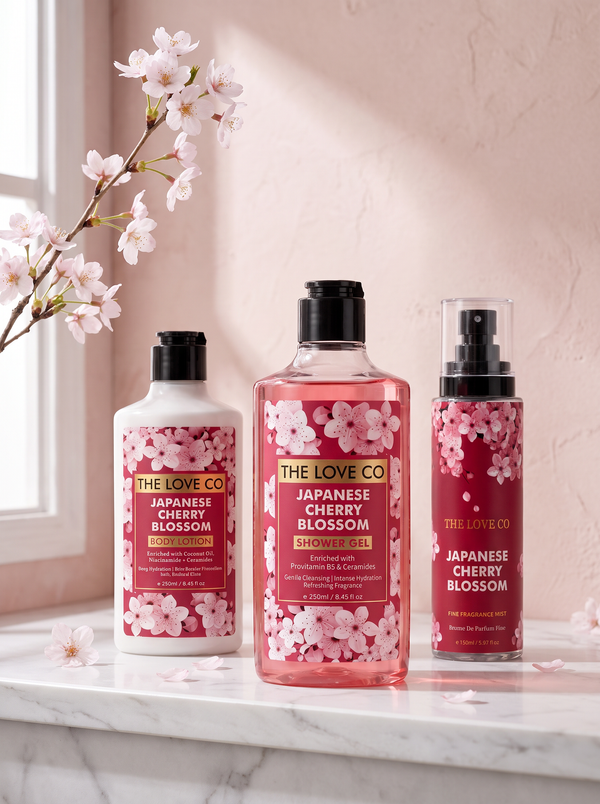
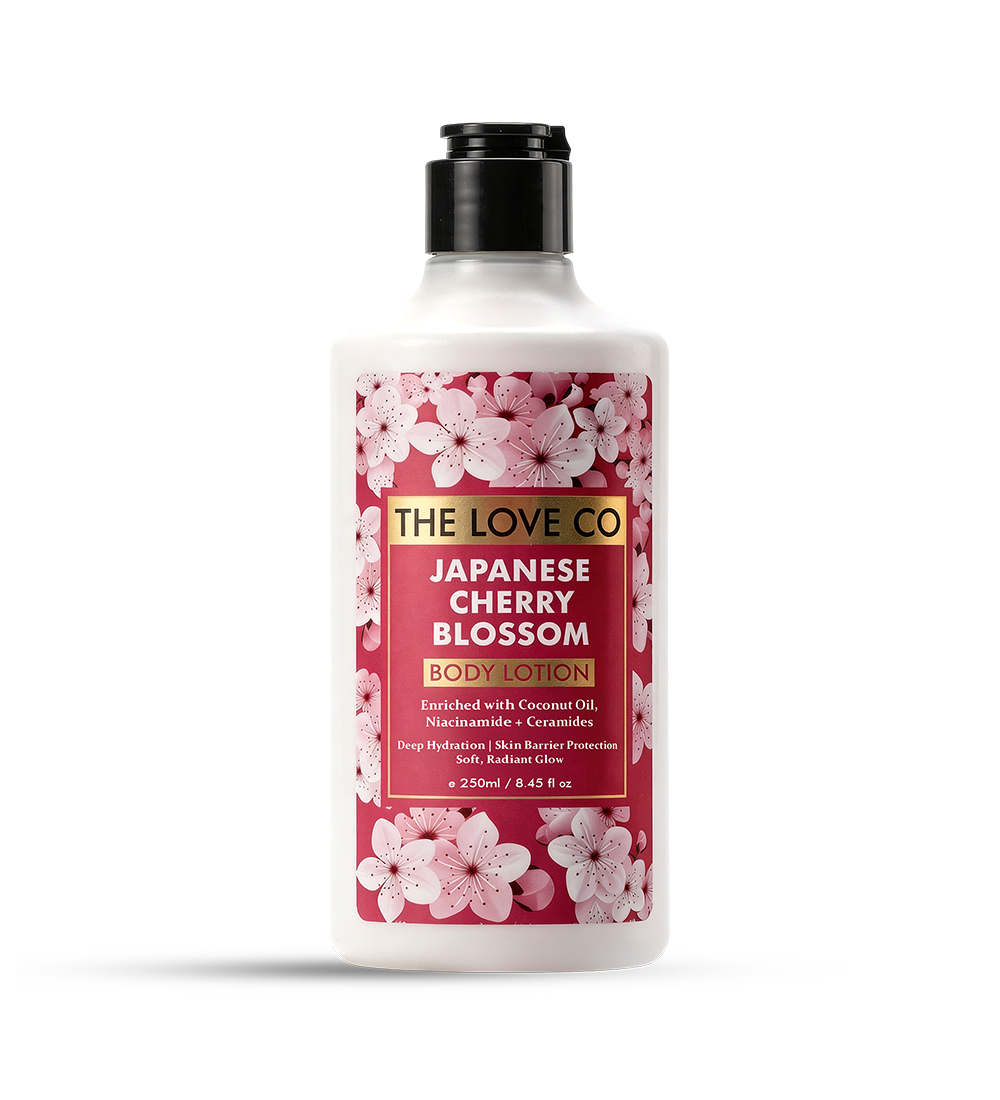
After an active body wash, apply a lightweight, non-comedogenic body lotion — not a rich butter. Niacinamide-based lotions are ideal: they reduce sebum production, calm post-breakout redness, and fade the dark marks that often linger after bacne resolves.
A well-targeted routine — active wash with contact time, followed by a non-comedogenic niacinamide lotion — produces visible clearing in most mild to moderate bacne cases within 4–8 weeks.
Shop The Love Co's body wash collection — active formulations that treat consistently, wash after wash.
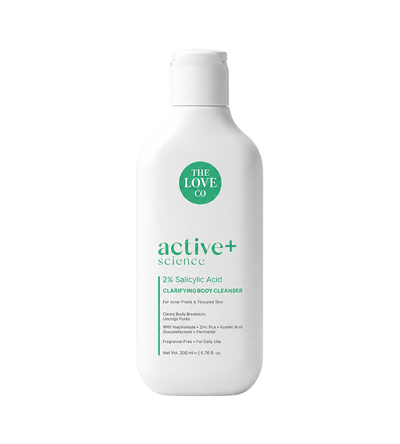
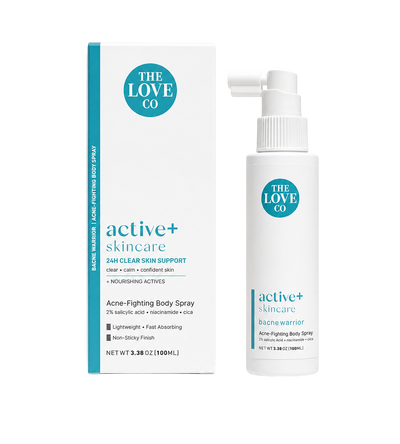
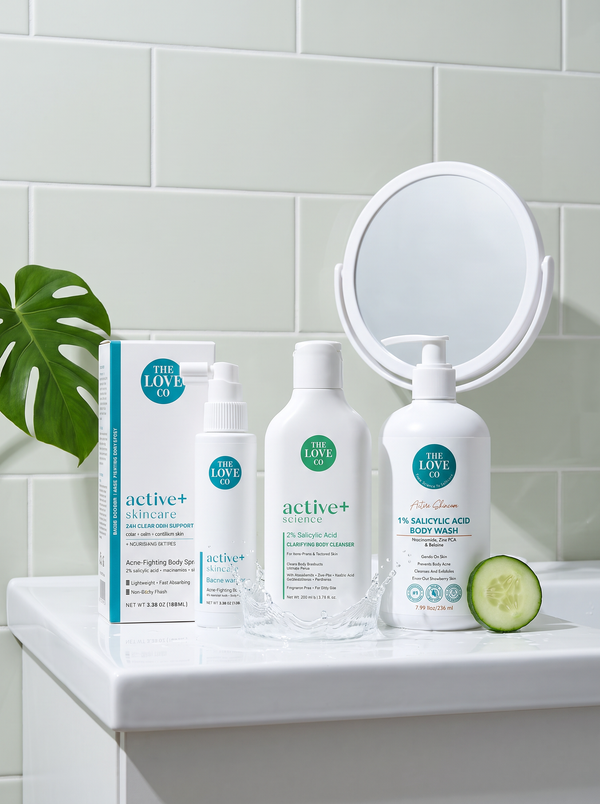
2% salicylic acid body cleanser
The step-up salicylic cleanser for skin that has tolerated 1% BHA and needs stronger pore-clearing support for stubborn bacne, clogged pores, and KP-prone texture. How To Use Start...
A ritual is the smallest love you give yourself, daily.
— Shopify API · 07 May 2026