

Body Odour Home Remedies India: What Works and What the Science Says
Indian home remedies for body odour range from genuinely effective to counterproductive. Here's the honest science-based evaluation of the most common ones — and what actually provides a lasting solution.
Understanding Body Odour First
Body odour doesn't come from sweat. Fresh sweat is odourless. The smell comes from skin bacteria (primarily Staphylococcus hominis and Corynebacterium species) metabolising sweat compounds — particularly apocrines from armpits and groin — into volatile fatty acids and thioalcohols.
This means the solution is addressing bacteria, not masking smell with fragrance.
Home Remedies: Evidence-Based Evaluation
Neem (Effective)
Neem leaves contain nimbidin and azadirachtin, which have proven antibacterial properties. A neem paste applied to armpits and washed off — or neem extract in body wash — reduces the bacterial population that causes odour. Verdict: Works. Effect lasts as long as you use it consistently.
Baking Soda (Partially Effective, Risky)
Baking soda is alkaline (pH 8–9) — it temporarily neutralises the acidic odour compounds. However, the alkaline pH disrupts the skin microbiome and can cause contact dermatitis with daily use, especially in the sensitive underarm area. Verdict: Short-term effect, potentially harmful long-term.
Apple Cider Vinegar (Moderately Effective)
The acetic acid in ACV lowers skin pH, creating a less hospitable environment for odour-causing bacteria. Diluted (1:1 with water) and wiped on armpits daily reduces odour. Evaporates quickly, so the effect persists only until bacterial population recovers (6–12 hours). Verdict: Works moderately, needs daily application, can cause irritation if not diluted.
Lemon (Partially Effective, Risky)
Citric acid creates temporary acidity unfavourable for bacteria. However, limonene in lemon can cause photosensitivity rash when skin is exposed to sun after application. Underarms are sun-exposed during arm movement. Verdict: Not recommended — risk outweighs benefit.
Turmeric (Limited Evidence)
Curcumin has known anti-inflammatory properties but limited antibacterial evidence at the concentrations in home use. More of a cultural ritual than a proven treatment. Verdict: Inconclusive benefit.
The Most Effective Solution: Active Body Wash
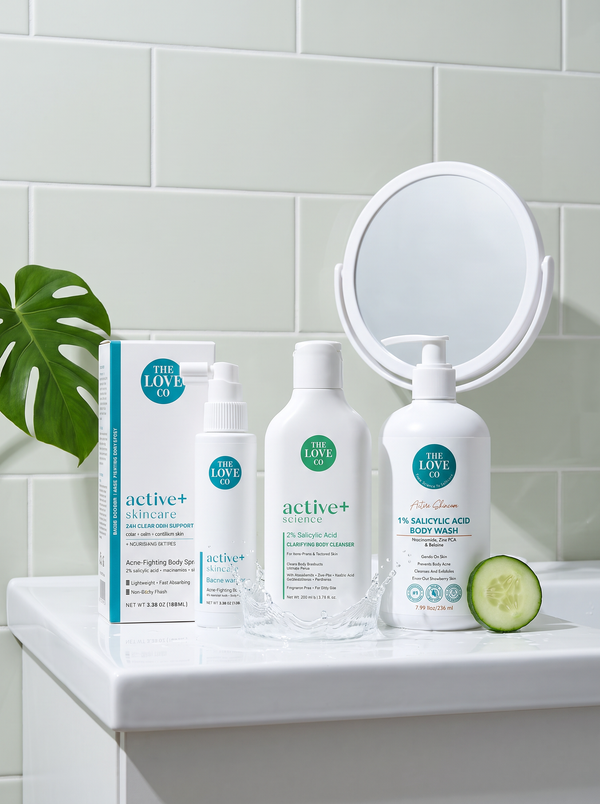
An antibacterial body wash with tea tree oil (1–2%) or chlorhexidine addresses body odour more effectively than any home remedy, with zero irritation risk when properly formulated, and the effect accumulates over time (as bacterial populations are systematically reduced with daily use).
The antibacterial body wash range at The Love Co with tea tree oil is the most practical and effective daily solution for body odour in Indian conditions. More information at The Love Co.
Other Evidence-Based Changes
- Cotton/linen clothing — breathable fabrics reduce moisture trapping and bacterial buildup
- Shower within 30 minutes post-exercise
- Weekly exfoliation of armpits with glycolic acid wash — removes dead cell layer where bacteria accumulate
- Consider diet: garlic, onion, cumin, fenugreek affect sweat composition — reduce intake if odour is severe
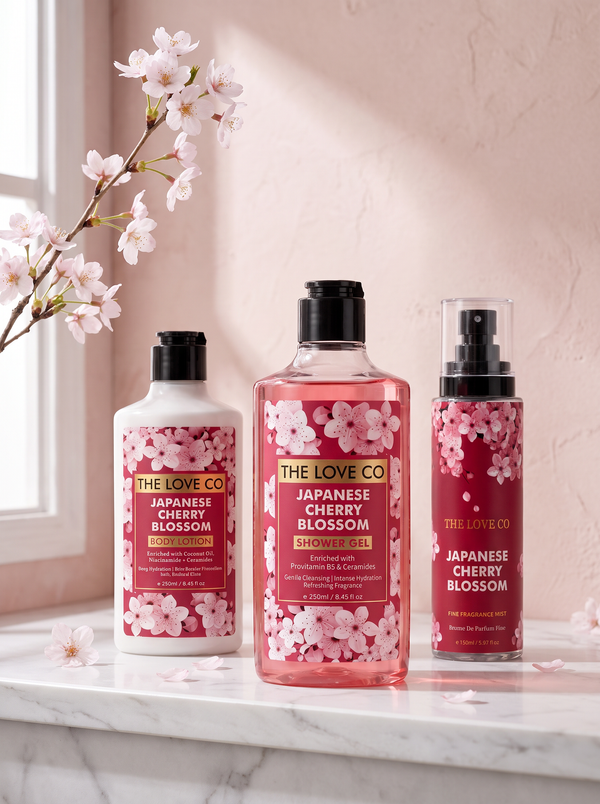
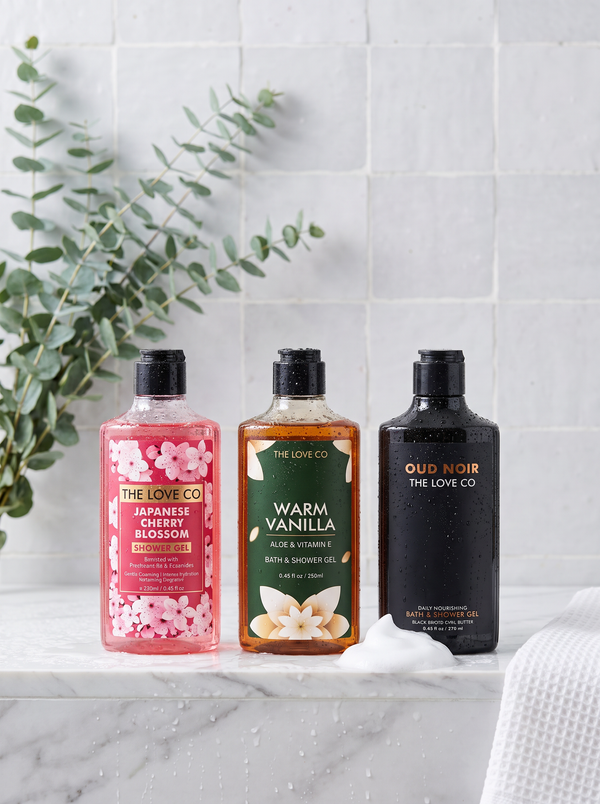
Japanese Cherry Blossom Shower Gel
Scent Trail Step 1 · soft floral body wash Start the Scent Trail here. A pH 5.5, SLS-free cleanser that protects your skin barrier while it washes —...
A ritual is the smallest love you give yourself, daily.
— Shopify API · 08 May 2026