



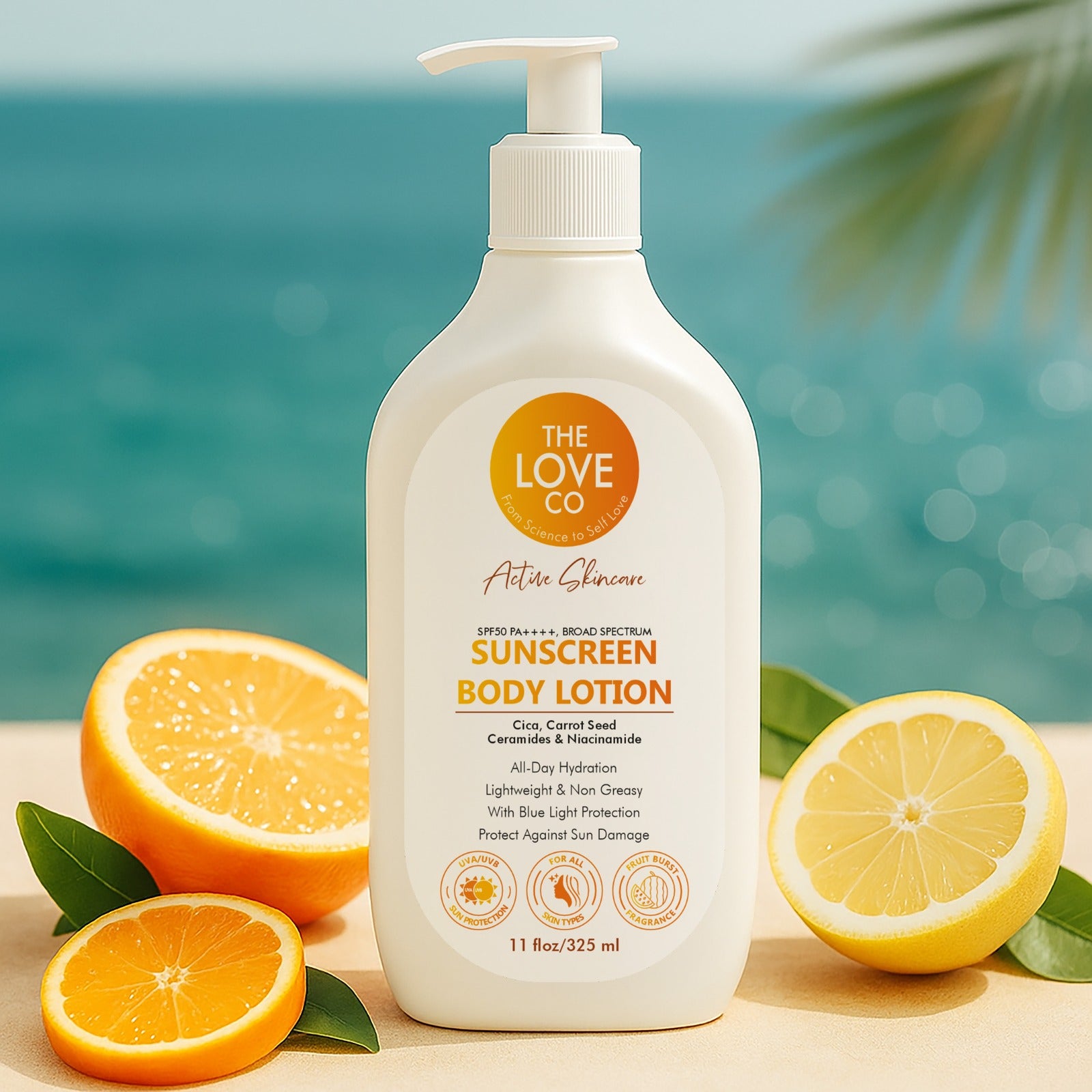

Body butter and body lotion are not interchangeable — they're built from different formulations, have different textures, and suit different skin types and climates. Understanding the difference means choosing the right one rather than using both randomly and wondering why your skin still feels dry.
What Body Lotion Is
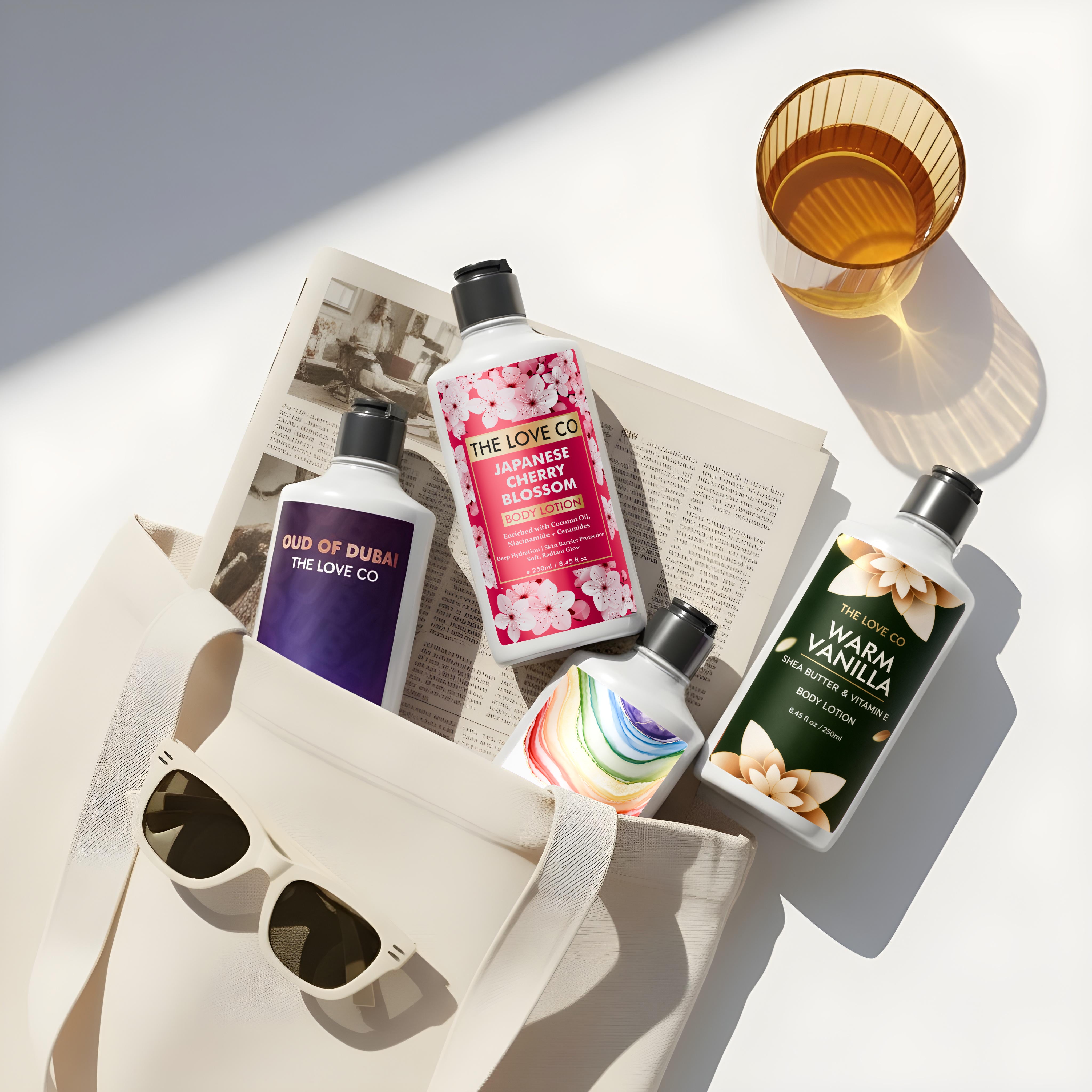
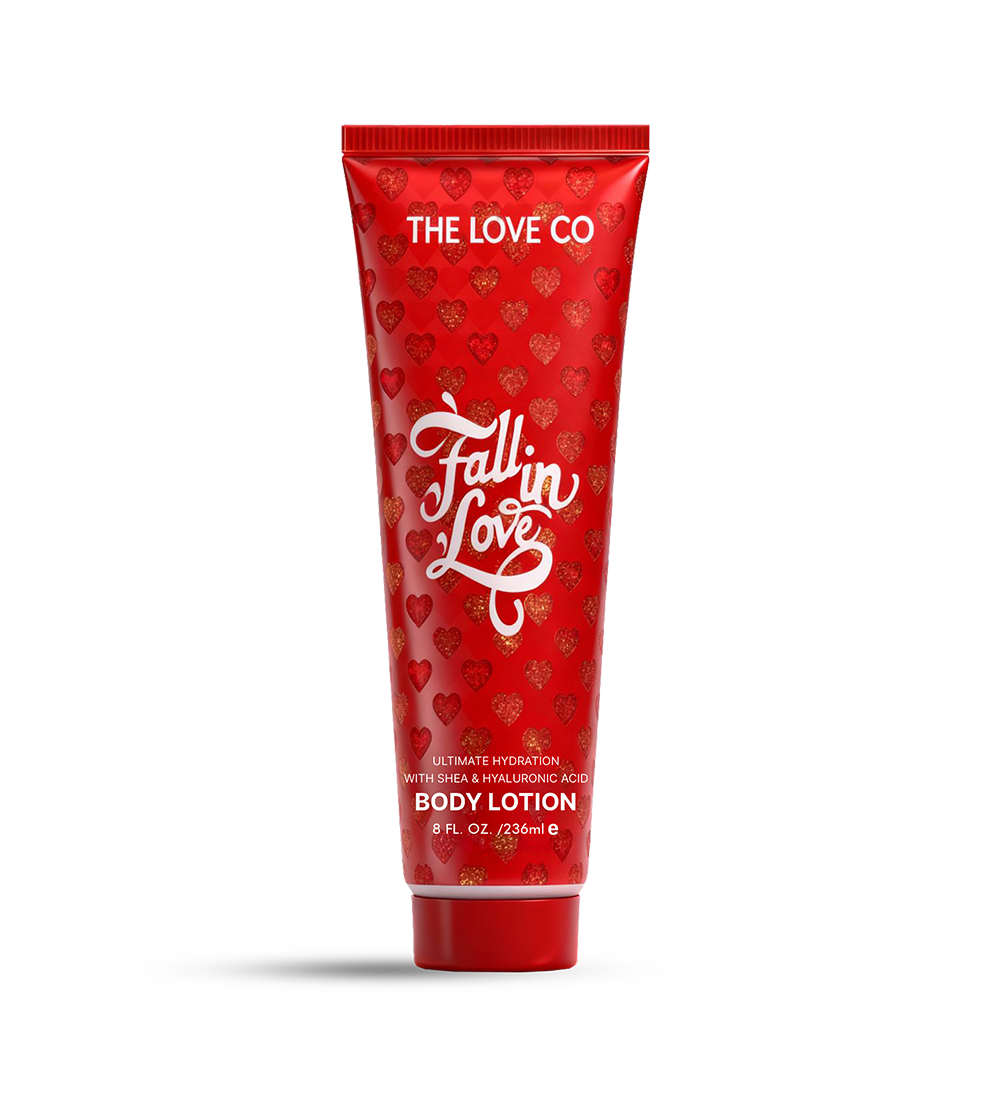
Body lotion is an emulsion — a mixture of water and oil held together by an emulsifier. The water content makes it light, fast-absorbing, and easy to spread. A typical body lotion is 60–80% water, with the rest being a blend of emollients, humectants, and emulsifiers. The high water content means it absorbs quickly and doesn't leave a heavy or greasy feel — ideal for oily or combination skin, humid climates like Indian monsoon season, and daytime use when you need to dress quickly after applying. The limitation: because it's primarily water, it evaporates relatively quickly and needs more frequent reapplication.
What Body Butter Is
Body butter is an anhydrous (no water) or very low-water formulation built primarily from plant butters and oils — shea, cocoa, mango, kokum, murumuru. The absence of water means no emulsifiers are needed, the formula is richer and thicker, and it acts as a superior occlusive — it sits on the skin surface and physically prevents moisture loss rather than just adding moisture. Body butter absorbs more slowly and leaves a richer feel. This is exactly what dry and very dry skin needs: a barrier that works for hours rather than minutes.
How to Choose by Skin Type and Season
Normal to oily skin, humid weather, daytime use: body lotion. The lightness suits skin that doesn't need heavy barrier repair and the fast absorption means no disruption to your morning routine. Dry to very dry skin, winter, post-exfoliation: body butter. The occlusive richness addresses barrier damage where lotion simply doesn't have enough staying power. A practical approach many people use: lotion on your torso and back (larger areas that don't tend toward extreme dryness) and butter on elbows, knees, shins, and hands — the areas that tend toward severely dry skin.
Using Both Together
You can layer them in the correct order: apply lotion first to damp skin for its humectant effect (drawing moisture in), let it absorb for two to three minutes, then apply a small amount of body butter over the top to seal. This is the method dermatologists recommend for very dry and eczema-prone skin — the double layer gives both hydration and occlusion. For fragrance lovers, this layering sequence works particularly well when followed by a body mist: the rich base extends how long the scent lasts significantly. Explore The Love Co's body butter and lotion range to find the right combination for your skin type.