






Exfoliation removes the layer of dead skin cells that accumulates on your body's surface, revealing fresher skin underneath, improving texture, allowing your moisturiser to absorb more efficiently, and gradually evening out skin tone. But technique matters — aggressive or incorrect exfoliation causes more damage than it prevents.
Physical vs Chemical Exfoliation
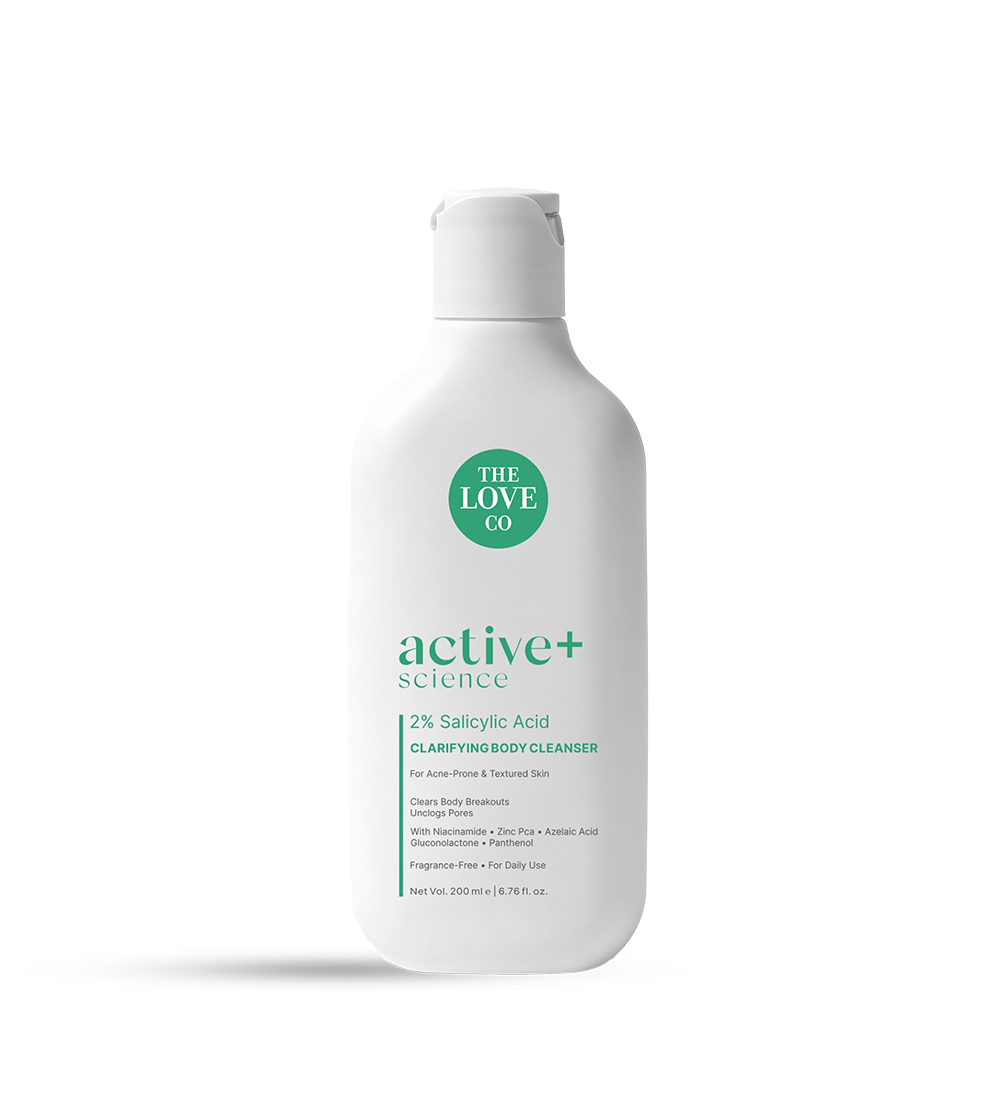
Physical exfoliation uses an abrasive — sugar, salt, walnut shells, a scrub brush, or a loofah — to manually lift dead skin cells. Chemical exfoliation uses acids (lactic acid, glycolic acid, salicylic acid) to dissolve the bonds between dead cells and the skin surface without mechanical friction. For most people doing at-home body exfoliation, physical scrubs (sugar or salt-based) are the practical everyday choice — easy to use, widely available, and effective. Chemical exfoliants (body lotions or washes with AHA/BHA) are better for specific concerns like keratosis pilaris (chicken skin) or hyperpigmentation, but require more careful use to avoid irritation.
The Correct Technique
Always exfoliate on damp skin — never dry. Wet skin allows the scrub to glide across the surface, while dry skin creates excessive friction that causes micro-tears. Apply your body scrub in circular motions with light pressure — you are not trying to scrub off a stain, you're gently lifting surface cells. Work from the feet upward, toward the heart. Spend about thirty seconds per area. The most common mistake is using too much pressure with the assumption that harder means better results. It doesn't — it means irritation, redness, and a damaged skin barrier. Rinse thoroughly, then moisturise immediately while skin is still damp.
How Often
Two to three times per week is sufficient for most skin types. Daily exfoliation removes the new skin cells you're trying to expose, creates chronic irritation, and weakens your skin barrier over time. Dry skin: twice a week maximum, followed by body butter immediately after. Oily or normal skin: up to three times a week, followed by lotion. Never exfoliate immediately before sun exposure without SPF — freshly exfoliated skin is more photosensitive. If you're using a chemical exfoliant body product, start with once a week and assess tolerance.
Sugar vs Salt: Which to Choose
Sugar scrubs are gentler than salt scrubs because sugar granules have rounder, softer edges. They're better for sensitive skin, the face and décolletage (if you use body scrub there), and daily-ish exfoliation. Salt scrubs are coarser and provide a stronger exfoliation — better for rough areas like feet, elbows, and knees, and for removing self-tanner. Salt also has mild antibacterial properties. If you have cuts or very dry, cracked skin, avoid salt scrubs on those areas — the salt will sting and irritate. The Love Co's body scrub range uses brown sugar as the primary exfoliant — effective enough to clear dead cells without the harshness of salt on everyday use areas.