





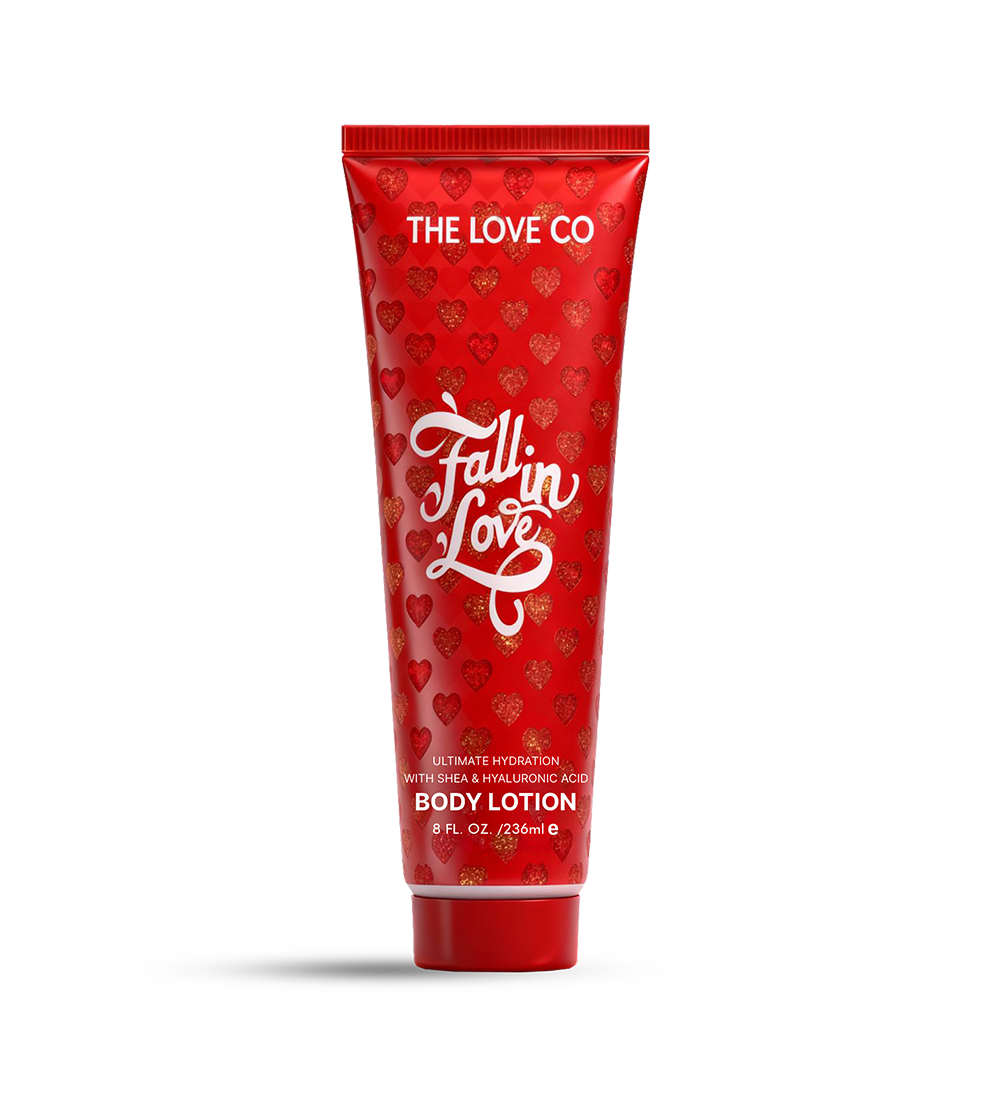
If you have small, rough bumps on your upper arms, thighs, or buttocks that look like permanent goosebumps or tiny pimples, you almost certainly have keratosis pilaris — commonly called chicken skin. It affects roughly 40% of adults and up to 80% of teenagers. It's not a disease, not contagious, and not caused by poor hygiene. It's a genetic quirk of how your skin handles keratin protein.
What Keratosis Pilaris Actually Is
In keratosis pilaris, the skin produces excess keratin (the protein that forms skin, hair, and nails). This excess keratin forms plugs in the hair follicles — the small bumps you see and feel. The plugs trap the hair inside the follicle and create the rough, sandpaper-like texture associated with KP. The surrounding skin is often slightly red or pink (especially on lighter skin tones) or shows post-inflammatory hyperpigmentation (darker spots on darker skin tones). KP is completely harmless and tends to improve naturally with age, though it often doesn't disappear entirely without consistent treatment.
What Makes It Worse
Hot, dry conditions worsen KP — hence why it's often more noticeable in winter or in dry-climate cities like Delhi. Harsh cleansers that strip the skin barrier also worsen it by removing the natural oils that help keratin process normally. Aggressive physical scrubbing can temporarily clear the surface but often causes irritation that makes the redness worse. Wearing tight clothing on affected areas can also aggravate the bumps through friction.
The KP Routine That Works
Consistent, gentle exfoliation combined with intensive moisturisation is the most effective approach. For exfoliation: use a lactic acid or urea body lotion daily (chemical exfoliation is gentler and more effective for KP than physical scrubbing). Lactic acid at 5–12% concentration dissolves the keratin plugs gradually without inflammation. Urea at 10–20% concentration softens the plugs and improves skin's moisture retention simultaneously. For moisturisation: apply body butter or a thick lotion immediately after showering, specifically to affected areas. The key is daily consistency — KP responds to sustained routine rather than occasional intensive treatment. Improvement is typically visible after four to six weeks of consistent use.
Managing Expectations
KP management, not cure, is the realistic goal for most people. The routine will smooth the texture significantly, reduce redness, and make the skin look much better — but complete elimination requires ongoing maintenance. Most people find that stopping the routine causes the bumps to gradually return within a few weeks. The good news: once you've established the exfoliate-then-moisturise habit, it takes about five minutes and becomes the same kind of automatic muscle memory as brushing your teeth. A fragrance-led body butter that you genuinely enjoy using is worth the investment — it makes the routine something you look forward to rather than something you forget.