Gluconolactone (PHA) for Body Care
Gluconolactone (PHA) for Body Care
Gluconolactone is a polyhydroxy acid (PHA) — the gentlest exfoliant family in modern dermatology. Its larger molecule size slows absorption, which means resurfacing without the sting, redness or sun-sensitivity typical of AHAs. For Indian body care, it is the acid for sensitive skin, barrier-compromised zones, and first-timers building a daily routine.
What is Gluconolactone?
Gluconolactone is a second-generation hydroxy acid derived from gluconic acid. Chemically, its multiple hydroxyl groups hold water in the skin even as it exfoliates, so it functions as a humectant and an exfoliant in one molecule. That is a rare and useful combination. It also has antioxidant and metal-chelating properties, which stabilise skin against the pollution load of Indian cities.
Effective at pH 3.5 to 4.0, usually formulated at 4 to 10 percent for body use. It does not thin the skin's UV defence the way AHAs can.
Why it matters for Indian body care
Indian skin types — Fitzpatrick IV to VI — are more prone to post-inflammatory hyperpigmentation than lighter skin. Every acid irritation risks a dark mark. PHAs solve this by exfoliating at a slower, gentler pace, which is exactly what pigmented body skin needs for long-term resurfacing without the collateral damage.
PHAs also perform in pollution-heavy cities. Delhi, Mumbai, Kolkata, Bangalore — all have air quality profiles where heavy metals and particulates worsen skin dullness. Gluconolactone's chelating function actively binds those metals away from skin.
How TLC uses Gluconolactone
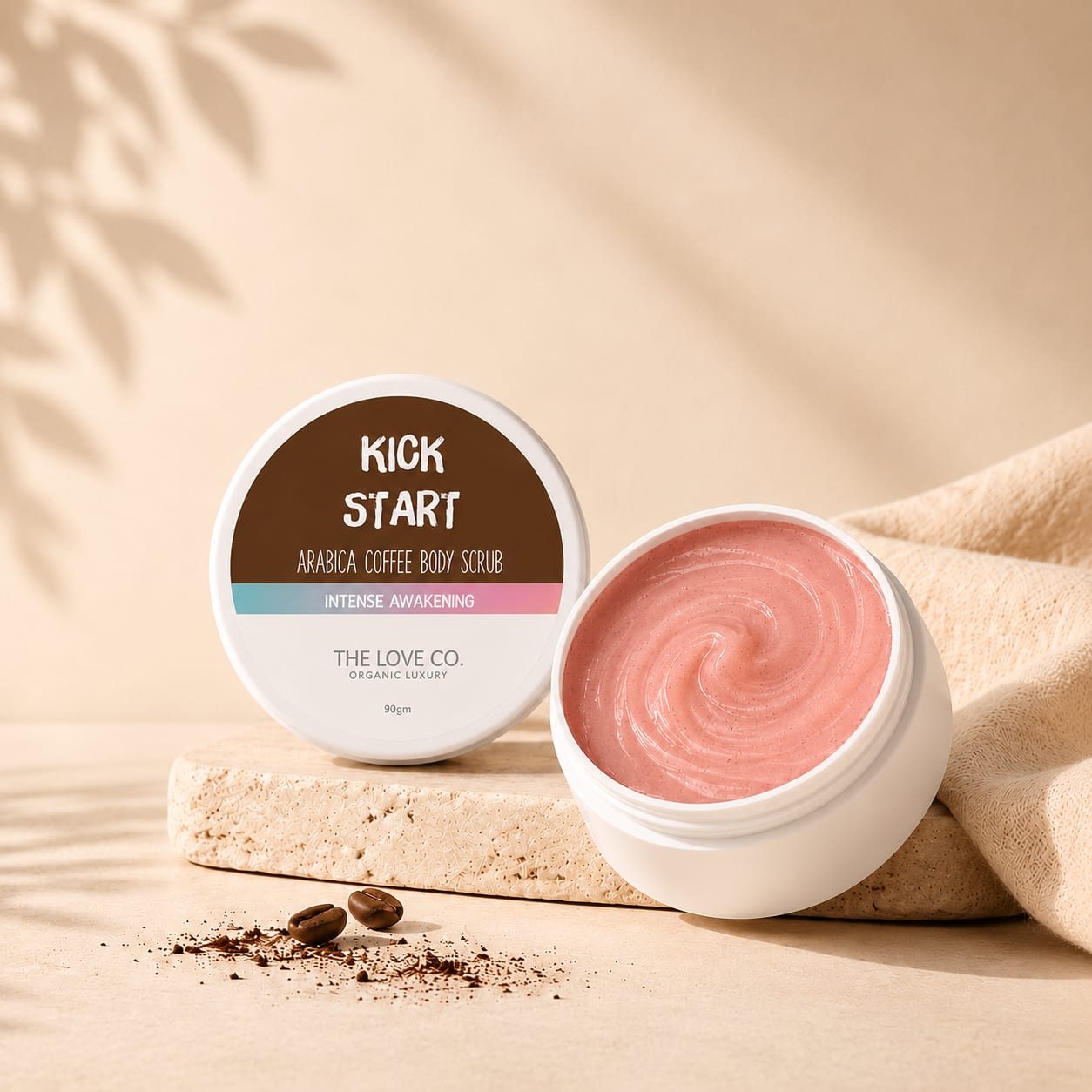
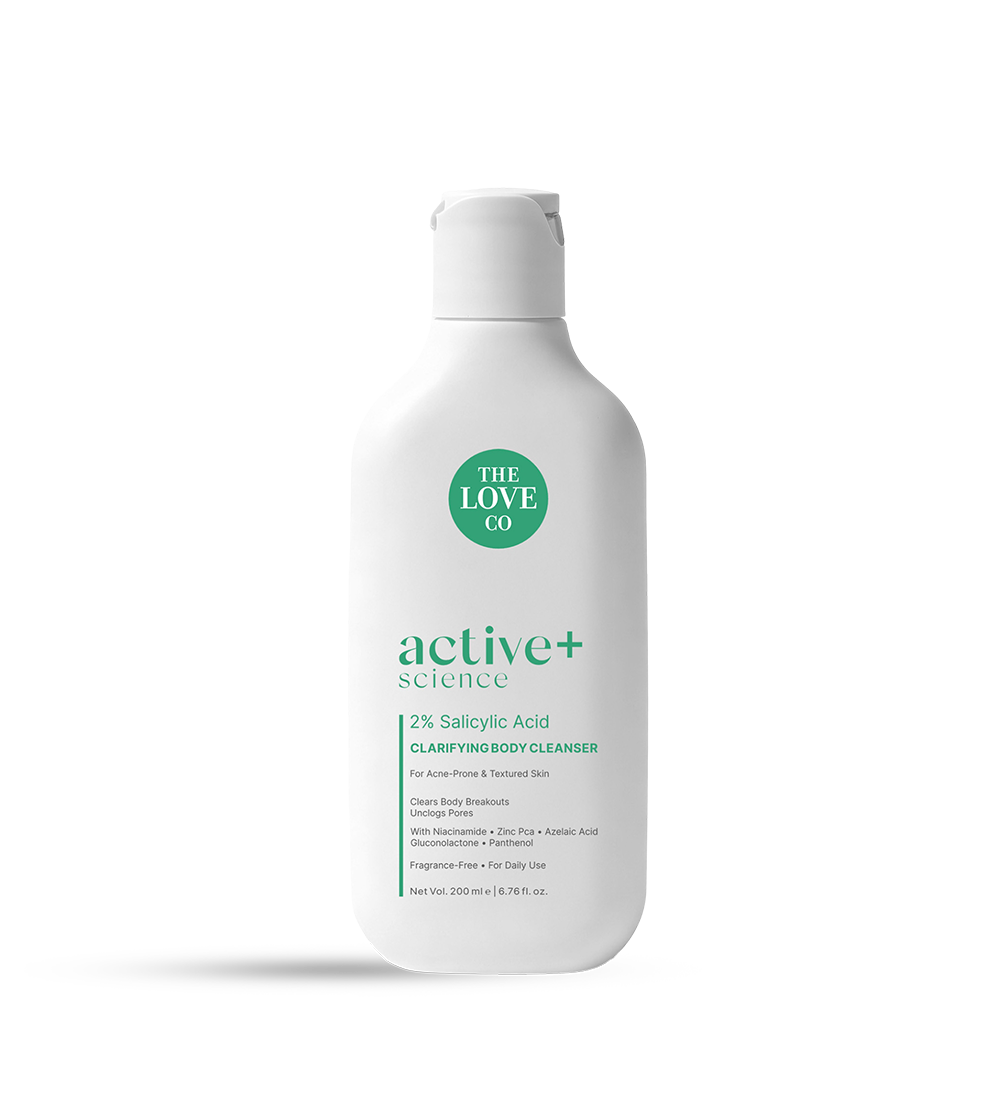
We use gluconolactone in our gentle body exfoliation range at an 8 percent concentration for genuine resurfacing, buffered with glycerin and Centella Asiatica. It works daily for most Indian skin types — no break-in period, no flaking week.
How to use / best practices
- Apply to clean, dry body skin once daily to start; build to twice daily.
- Use nightly on bumpy upper arms, thighs, back and dcolletage.
- Safe to pair with retinoids, niacinamide and vitamin C — PHAs play well.
- Follow with a ceramide cream to reinforce barrier during the adjustment weeks.
- Sunscreen still matters — exfoliation always increases UV sensitivity slightly.
- Unlike AHAs, PHAs can be used on sensitised skin, rosacea-prone zones, and under deodorants.
Who should use (and who should skip)
- Use: sensitive, pigmented, rosacea-prone, post-procedure, and AHA-intolerant Indian skin.
- Skip: actively broken or oozing skin — let it heal first.
Frequently asked questions
Is PHA the same as AHA or BHA?
Same family — hydroxy acids — different molecule size. PHAs are larger, slower, gentler. AHAs (glycolic, lactic) are smaller and more aggressive.
Can I use PHA with retinol?
Yes. PHA is the one hydroxy acid that pairs reliably with retinoids without irritation stacking.
How long until I see smoother body skin?
Texture improvement in 7-10 days. Pigment fade and tone evenness in 4-8 weeks. See the full routine in our Indian fragrance body care guide.
Is it safe for pregnant women?
Generally yes, but always confirm with your dermatologist. PHAs are considered among the safest resurfacing options during pregnancy.
