Glycerin for Body Care
Glycerin for Body Care
Glycerin is the most studied humectant in skincare — a small, water-binding molecule that pulls moisture into the skin and holds it there. For Indian body care, glycerin is the baseline ingredient that makes everything else work: no barrier repair, no exfoliation, no fragrance ritual survives truly dehydrated skin. It is quiet, cheap, and irreplaceable.
What is Glycerin?
Glycerin (glycerol) is a clear, viscous polyol that attracts water from the environment and the deeper layers of the skin, distributing it through the stratum corneum. It is naturally present in the skin as part of the moisture-binding matrix. When applied topically, it increases hydration within minutes and sustains it for hours.
Research shows glycerin also supports corneocyte maturation — helping the skin's uppermost layer renew properly. That makes it a structural ingredient, not just a hydrating fluff.
Why it matters for Indian body care
Indian climate oscillates between extremes that leave body skin chronically dehydrated — summer sweat evaporation, winter heater dryness, AC dehydration in offices, hard water stripping. Glycerin works across every one of these. In humid Mumbai monsoon, it pulls ambient moisture in. In dry Delhi winter, it holds whatever moisture your cream adds.
It is also the most cost-effective hydration in formulation — which means brands can use it at clinically meaningful percentages rather than the 0.1 percent token amounts you see in premium-priced creams. Glycerin earns its place on the INCI list in the top five, not the last five.
How TLC uses Glycerin
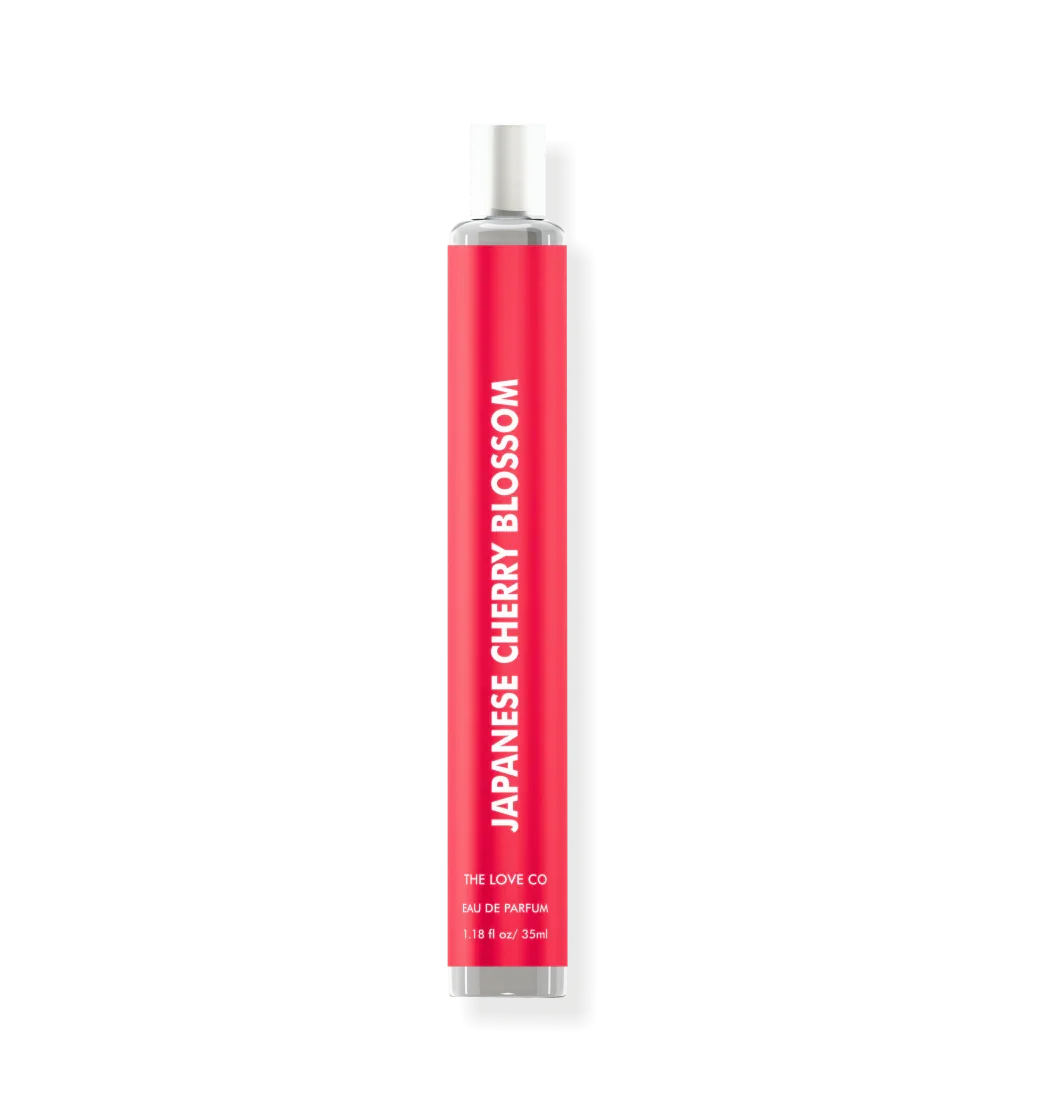
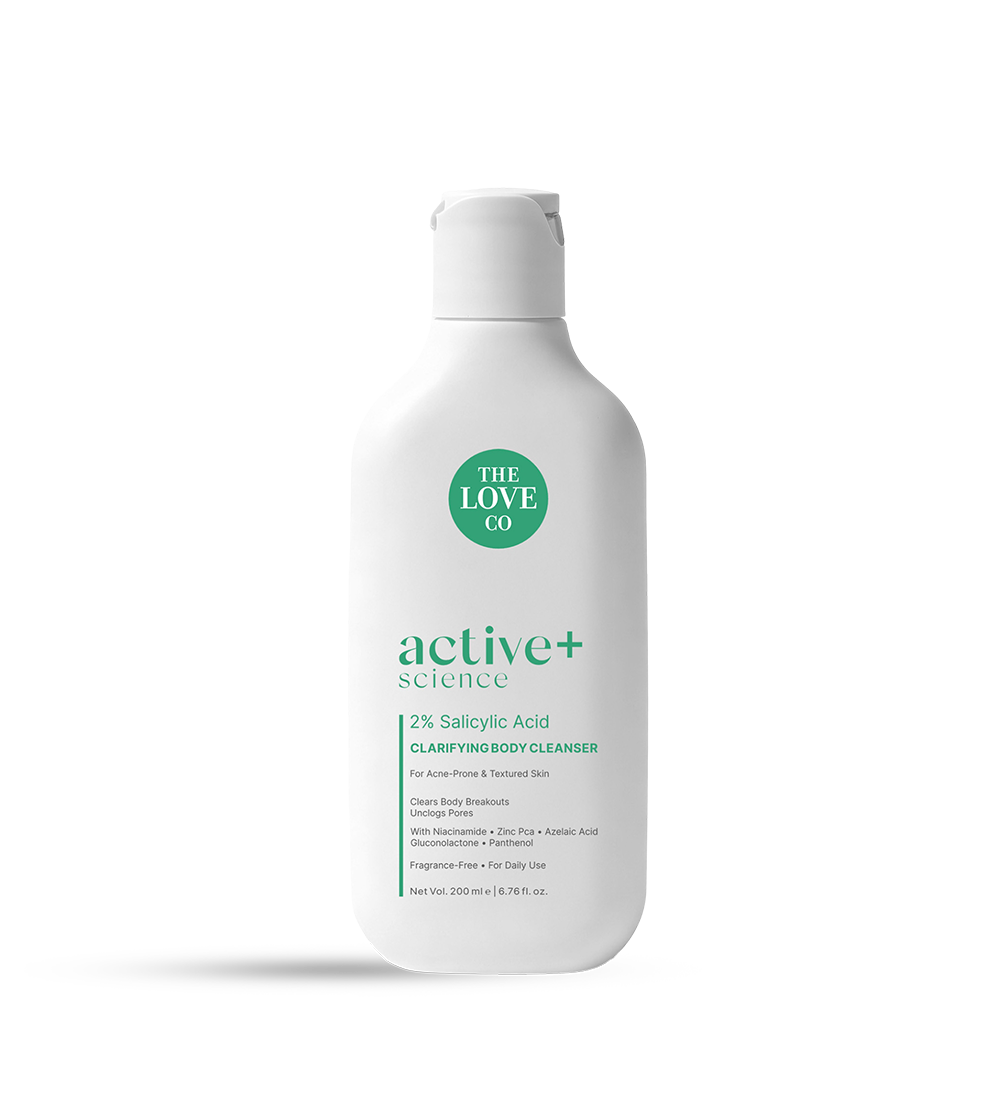
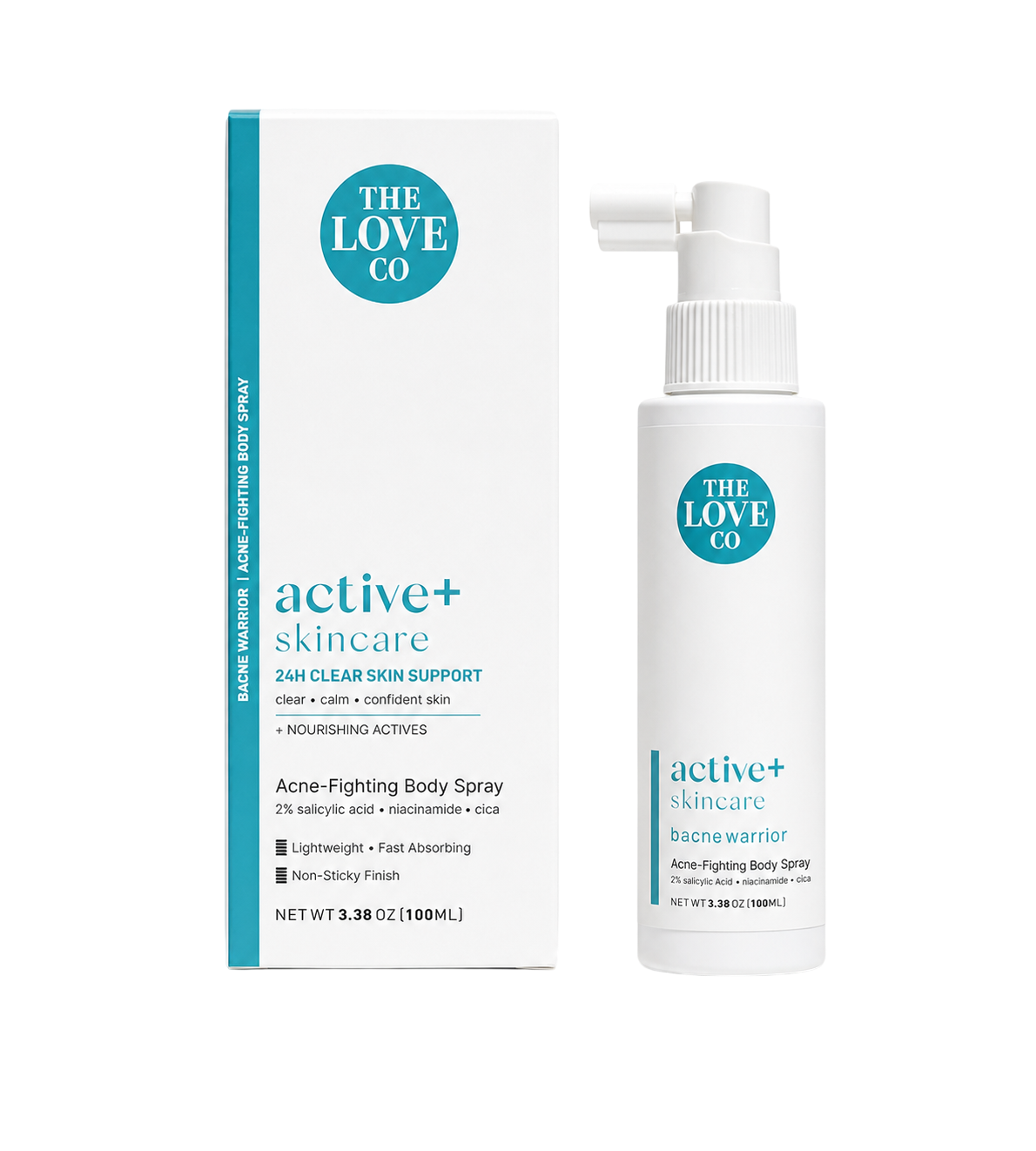
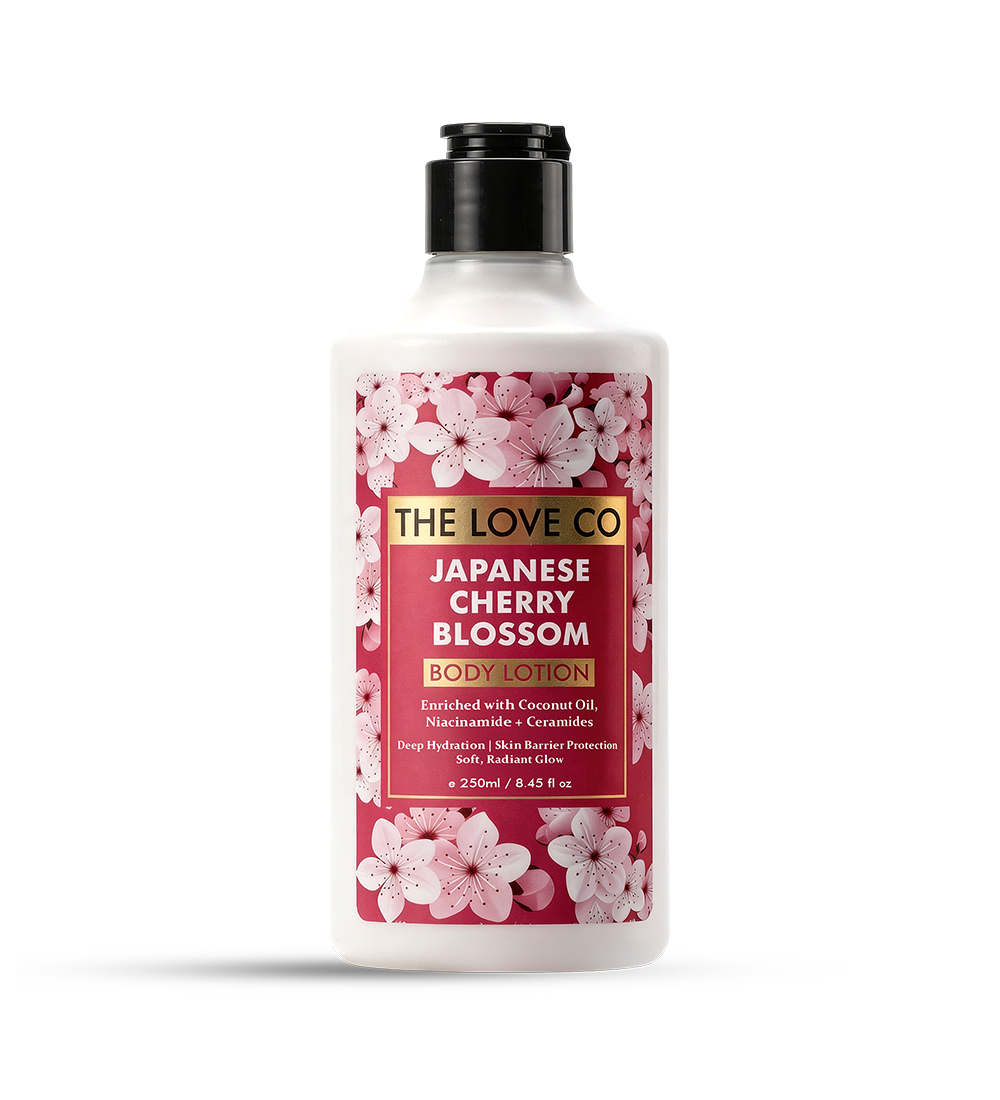
In our core hydrating body care range glycerin appears at 5-8 percent — the sweet spot for hydration without tackiness. We pair it with ceramides, hyaluronic acid and fragrance oils to build a layered humectant system that holds water across eight hours of an Indian working day.
How to use / best practices
- Apply to damp skin within three minutes of the shower — glycerin performs better on wet skin.
- Avoid very high concentrations (over 20 percent) in low-humidity environments — it can pull water from the skin instead of into it.
- Use twice daily on legs, arms and back during winter.
- Layer under an occlusive like coconut oil or shea butter to lock in the draw.
- Safe to combine with every other skincare active — no conflicts.
- Suitable for daily deodorant zones, post-shave skin, and stretch-mark-prone stomachs.
Who should use (and who should skip)
- Use: every skin type, every age, every season. The universal body care base.
- Skip: no one. Contraindications are essentially zero.
Frequently asked questions
Is glycerin better than hyaluronic acid?
Different molecules, same job family. Glycerin is smaller, penetrates faster, and performs across humidity ranges. Use both for a full humectant effect.
Does glycerin make skin sticky?
Only at high concentrations or without an occlusive on top. In well-formulated body care, you should not feel the glycerin itself.
Can I mix glycerin with rose water at home?
You can, but DIY concentrations are hard to control. A formulated product gives you consistent performance. See our Indian body care guide.
Is glycerin vegan?
It can be. Vegetable-derived glycerin (palm, soy or coconut) is the standard in modern skincare. TLC sources vegetable glycerin only.
