Coconut Oil for Body Care: Indian Tradition, Smart Use
Coconut Oil for Body Care: Indian Tradition, Smart Use
Coconut oil is the oldest body ritual in India — the pre-bath champi, the post-oil-massage glow, the grandmother's cure-all. In modern body care, cold-pressed coconut oil remains an excellent occlusive and antimicrobial emollient, but it comes with caveats. Used right, it seals hydration and softens skin. Used wrong, it clogs pores and worsens body acne.
What is Coconut Oil?
Coconut oil is the edible fat expressed from the flesh of Cocos nucifera. Virgin, cold-pressed coconut oil contains roughly 50 percent lauric acid, plus myristic, capric and caprylic acids — medium-chain fatty acids with demonstrated antibacterial activity. Its comedogenic rating is high (4 out of 5), meaning it can block pores on acne-prone skin but works beautifully as a body occlusive on non-facial skin.
On the body, coconut oil reduces water loss, softens rough patches, and carries a faintly sweet, tropical scent that layers well with floral and gourmand fragrance families.
Why it matters for Indian body care
Coconut oil is not an imported trend here. It is a cultural standard. Kerala champi, Tamil Nadu oil baths, pre-wedding ubtan rituals, and post-partum malish all use it. Indian climate also suits it — coconut oil melts at 24 degrees Celsius, so it spreads liquid on warm Indian skin and solidifies in winter, giving you two textures from one ingredient.
The problem is modern overuse. Indians slather raw coconut oil on body acne-prone chests and backs, and wonder why breakouts multiply. The fix is formulation, not rejection — coconut oil blended with jojoba or argan stays non-comedogenic while keeping the ritual feel.
How TLC uses Coconut Oil
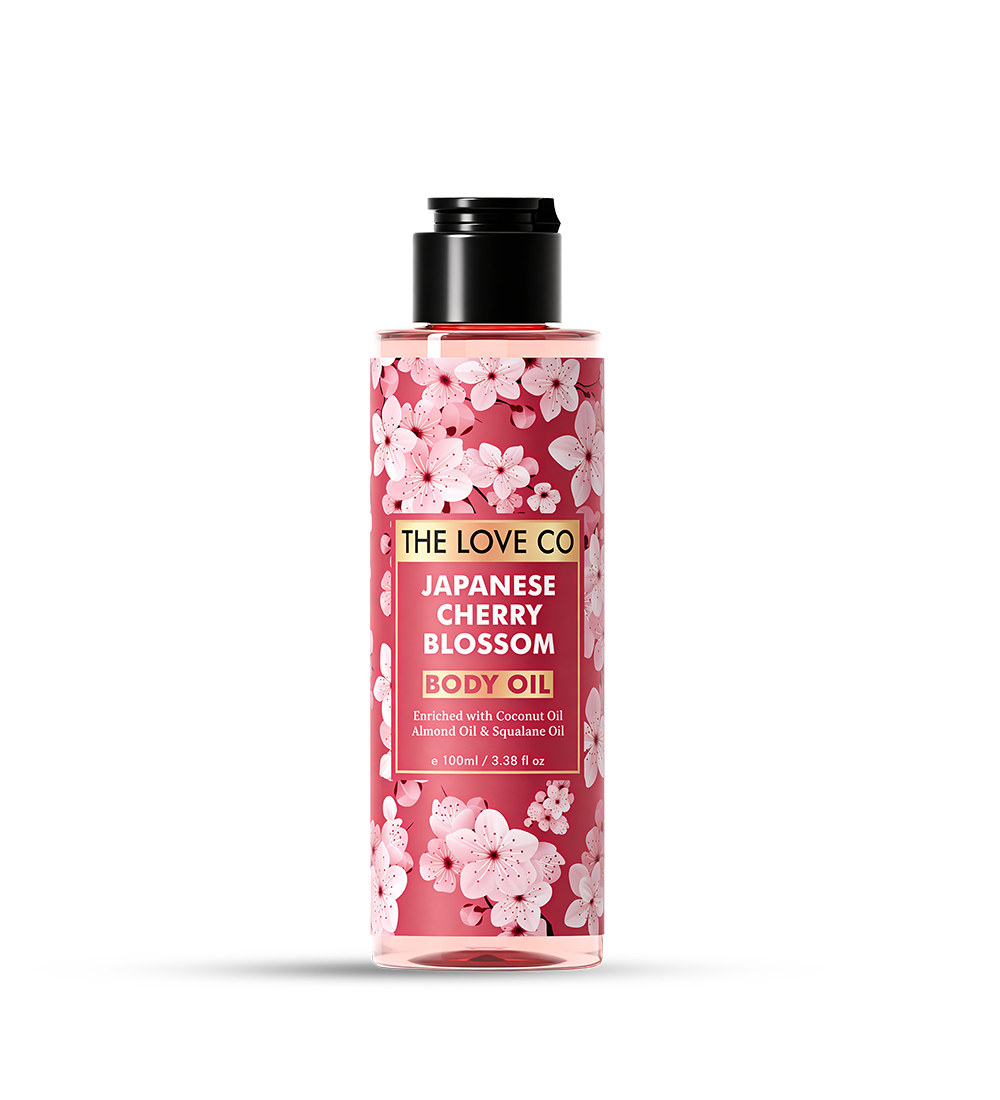
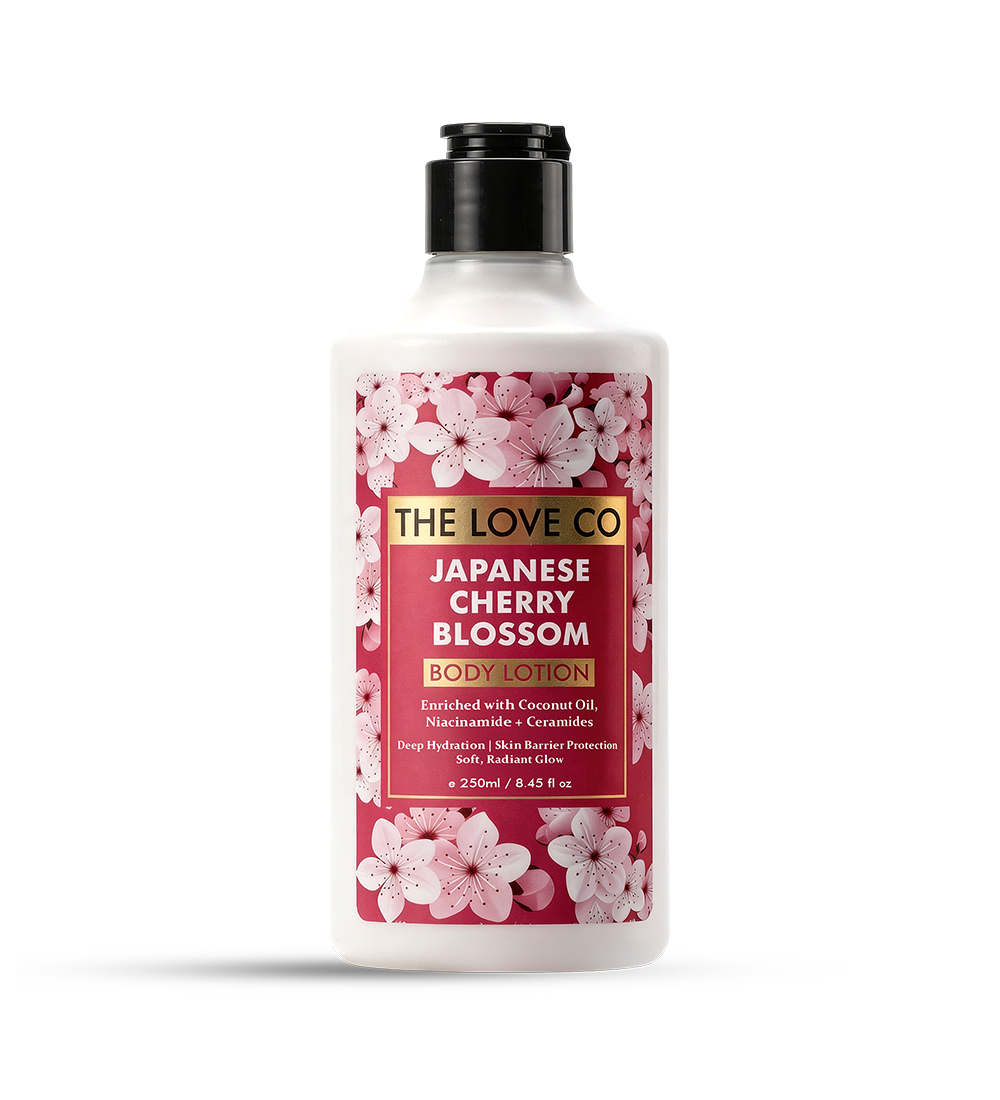
In our nourishing body oil range we use fractionated coconut oil where glide matters, and virgin coconut oil where occlusion matters — never as the dominant base on products meant for acne-prone back and chest skin. Paired with ceramides, the ritual feel is preserved without the congestion risk.
How to use / best practices
- Apply to damp skin after showering for maximum water retention.
- Avoid slathering raw coconut oil on back, chest or shoulders if you are acne-prone.
- Warm a coin-sized amount between palms before massaging into dry legs or feet overnight.
- Use as a pre-wash body oil before ubtan or gram-flour scrubs to reduce friction.
- Mix with glycerin for a humectant-plus-occlusive combination in dry winters.
- Choose cold-pressed, virgin, or fractionated — skip refined, deodorised versions.
Who should use (and who should skip)
- Use: dry body skin, cracked heels, elbows, legs, and pre-shower oiling rituals.
- Skip: body acne on back, chest, shoulders; fungal-prone skin in humid monsoon months.
Frequently asked questions
Is coconut oil good for every skin type?
No. It is excellent for dry body skin and problematic for acne-prone body skin. Zone accordingly — legs yes, back maybe not.
Can I use coconut oil as a daily moisturiser?
It works as an occlusive, but you also need a humectant underneath. Apply hyaluronic acid or glycerin first, then coconut oil to seal.
Does coconut oil help with tan removal?
Not directly. Pair it with a gentle acid routine — see our Indian fragrance body care guide for the full protocol.
What about fungal infections in monsoon?
Coconut oil has mild antifungal activity but is also heavy. In active tinea or fungal acne flare-ups, skip it and switch to lighter oils.
