Argan Oil for Body Care: Light, Linoleic, Loved
Argan Oil for Body Care: Light, Linoleic, Loved
Argan Oil is a cold-pressed oil from the kernels of the Moroccan argan tree, rich in linoleic acid, oleic acid and vitamin E. On the body, argan oil restores lipids, softens rough patches, seals in moisture and adds a soft golden sheen without clogging. For Indian skin, it is the rare facial-grade oil light enough to use daily on arms, legs and décolletage, even in humidity.
What is Argan Oil?
Argan oil is pressed from the kernel of Argania spinosa, a tree native to southwestern Morocco. Unstrained, virgin argan has a nutty, mildly toasted scent; cosmetic-grade argan is deodorised so it slips under a fragrance without arguing. Its composition — roughly 45% oleic, 35% linoleic, 8% palmitic — makes it absorb faster than coconut or olive oils while still leaving a lipid layer behind.
Tactile profile: silky, fast-sinking, non-greasy after about 90 seconds on skin.
Why it matters for Indian body care
Indian skin, particularly in the North from October to February, flips fast between summer-slick and winter-tight. Argan oil is the kind of oil that works in both contexts because it delivers lipids without weight. On summer skin, a few drops mixed into a lotion stop the "hot and dry" paradox. In Delhi winter, it layers over a body butter to shut down water loss overnight.
It also tolerates hard water and doesn't go rancid in the first three months of heat, both practical realities in Indian homes.
How TLC uses Argan Oil
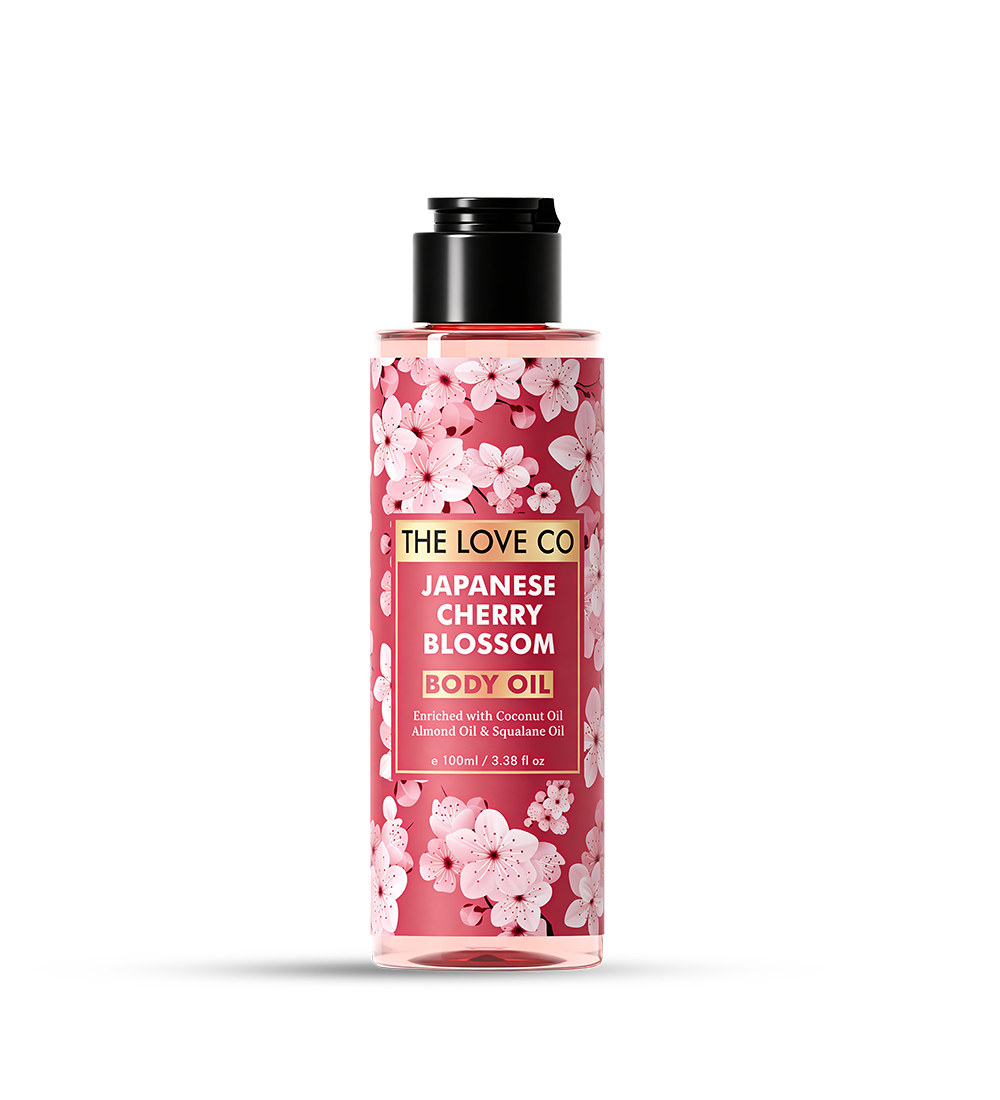
At TLC, argan oil shows up in our richer leave-on formats like our nourishing body oils and butters, where it carries fragrance evenly across the skin while replenishing the lipid layer. We balance it with jojoba oil for a sebum-mimicking finish and marula oil for a deeper occlusive cushion, so the formula feels expensive on skin instead of heavy.
How to use / best practices
- Apply on damp skin after showering to trap 3-5x more moisture than on dry skin.
- Use 4-6 drops for legs, 2-3 drops for arms — more is not better.
- Warm between palms for 5 seconds before pressing into skin.
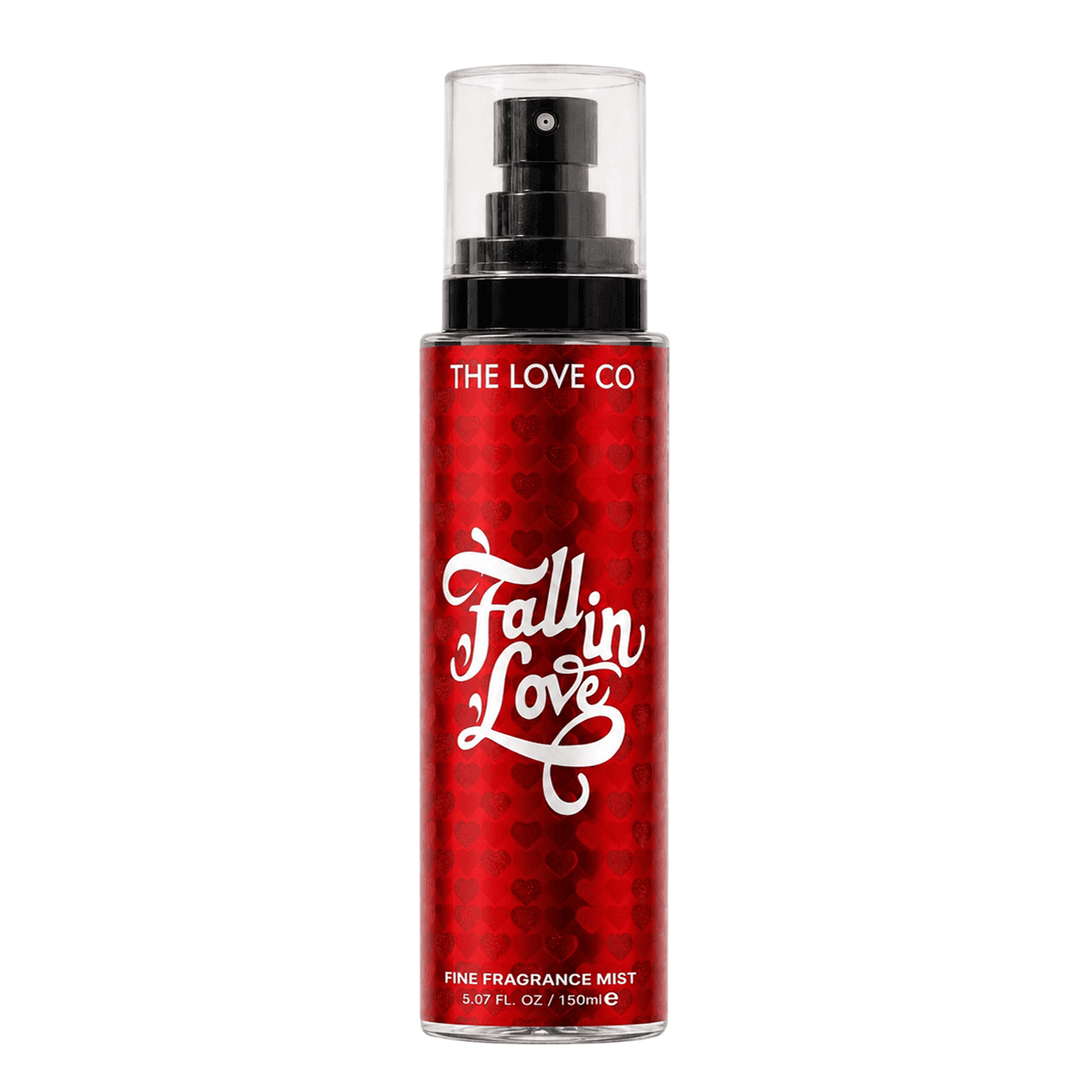
- Layer under a body mist: the oil anchors fragrance and extends wear.
- Use on elbows, knees and heels nightly for visible smoothing in 10 days.
- Check the label for "100% argan" or specified percentage — many "argan" products contain less than 5%.
Who should use (and who should skip)
- Use it if: you have dry, normal, mature or lipid-depleted body skin.
- Use it if: you want fragrance to last longer on skin.
- Skip if: you have active fungal body acne (malassezia can feed on some oils — argan is lower-risk but not risk-free).
- Skip pure oil if: you prefer lightweight lotions; choose an argan-infused cream instead.
Frequently asked questions
Is argan oil comedogenic?
Argan rates low on the comedogenic scale (around 0-1). Body skin is more tolerant than facial skin, so clogging is rarely an issue when used on arms, legs and torso.
Can argan oil replace my body lotion?
It can in winter. In Indian summer, a lotion base with argan inside it performs better than pure oil.
Does argan oil help with stretch marks?
It improves the appearance of fresh marks by keeping skin supple. Fully mature stretch marks need consistent use plus actives like bakuchiol for meaningful change.
What's the difference between cosmetic and culinary argan?
Culinary argan is made from roasted kernels and smells nuttier. Cosmetic argan is cold-pressed from raw kernels for higher vitamin E. Only use cosmetic-grade on skin. See our complete guide to Indian fragrance body care.
