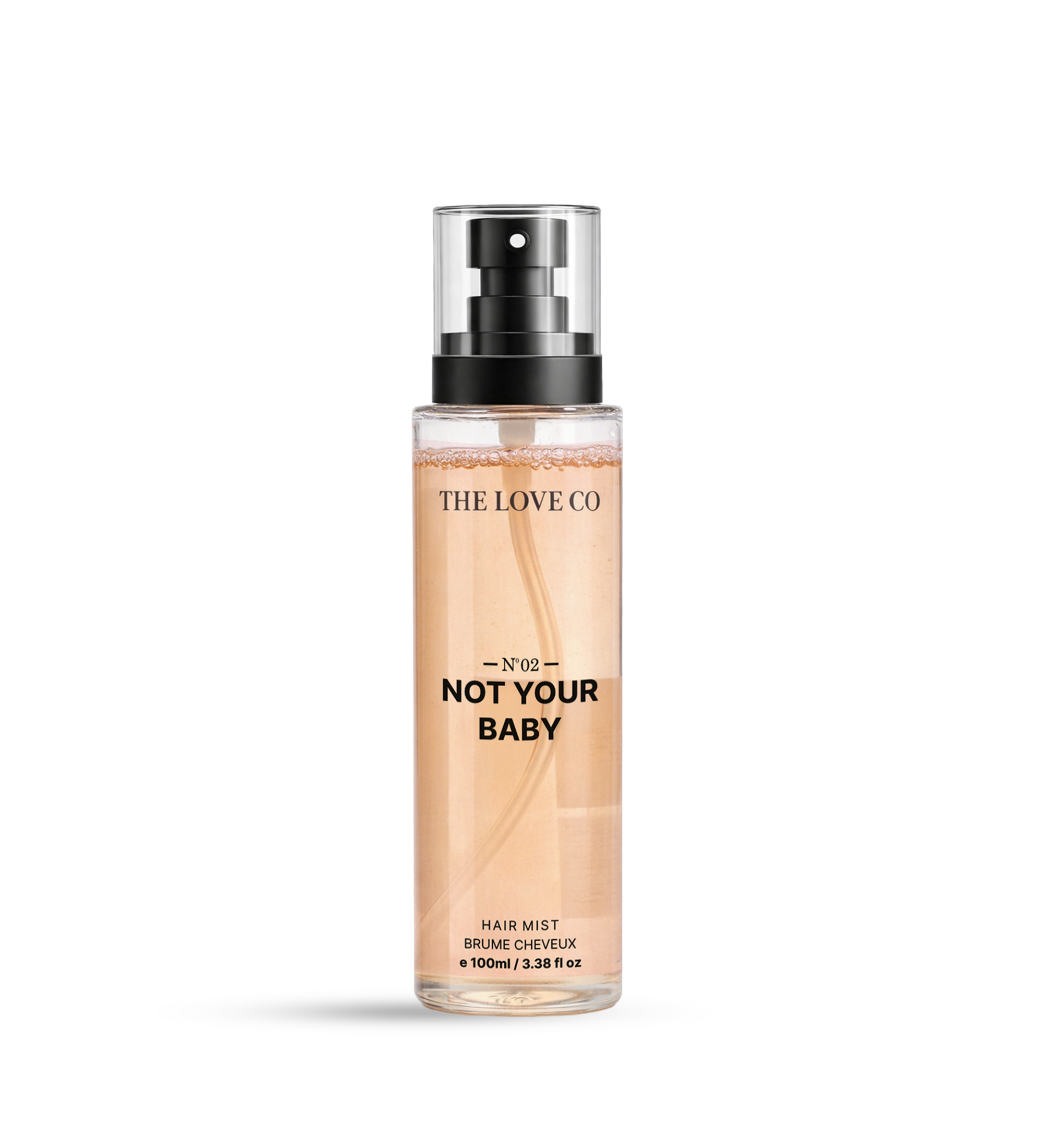
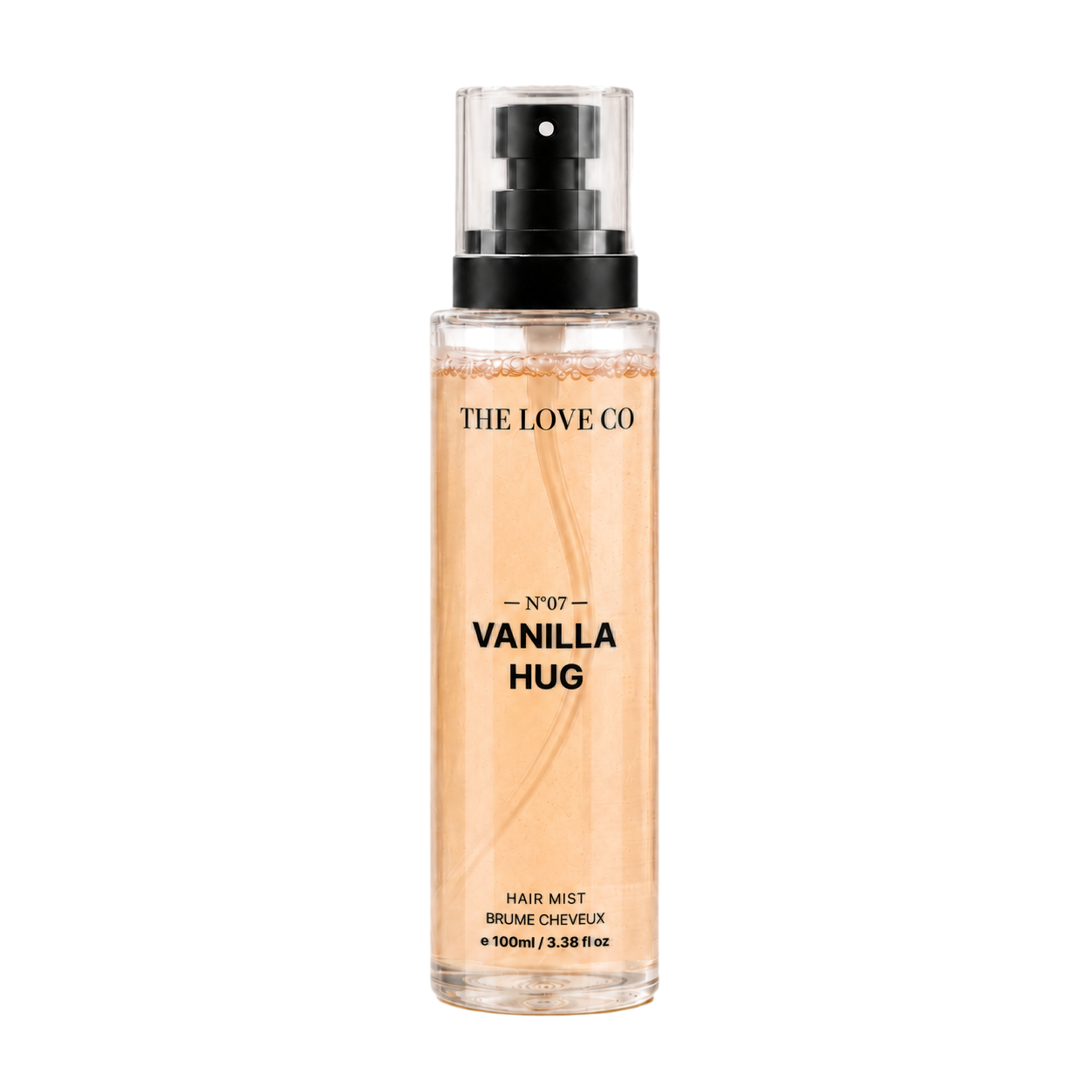
Marula Oil for Body Care
Marula Oil for Body Care
Marula oil is a cold-pressed lipid from Sclerocarya birrea fruit kernels, prized for its 70-78 percent oleic acid content, exceptional oxidative stability, and silky dry-touch feel. In body care, it penetrates without greasy residue, rebuilds the lipid barrier in winter-dry Indian skin, extends fragrance wear, and resists rancidity far better than cold-pressed almond or walnut oils that sit in warm Indian bathrooms.
What is Marula Oil?
Marula oil is pressed from the kernels of the African marula fruit, traditionally used by Southern African women for centuries as a skin and hair emollient. What makes it cosmetically remarkable is its lipid profile: high in oleic acid (for barrier repair), rich in vitamin E (for antioxidant stability), and unusually low in polyunsaturated fats, which is why it outlasts most seed oils on an Indian shelf without going rancid.
It absorbs quickly, leaves skin with a polished finish rather than a slick, and is one of the few oils luxurious enough to sit in premium body formulations without weighing them down.
Why it matters for Indian body care
Indian shelves are hostile to cold-pressed oils. Bathroom humidity, high temperatures, and light exposure accelerate oxidation in most seed oils. By month three, almond or walnut oil starts to smell faintly rancid and loses its skin benefits. Marula resists this. It also works across Indian climate extremes: rich enough for North Indian winters, light enough for Bengaluru monsoon, and stable enough for Gujarat summer. For oily-to-combination body skin, marula is one of the few oils that delivers nourishment without congestion.
How TLC uses Marula Oil
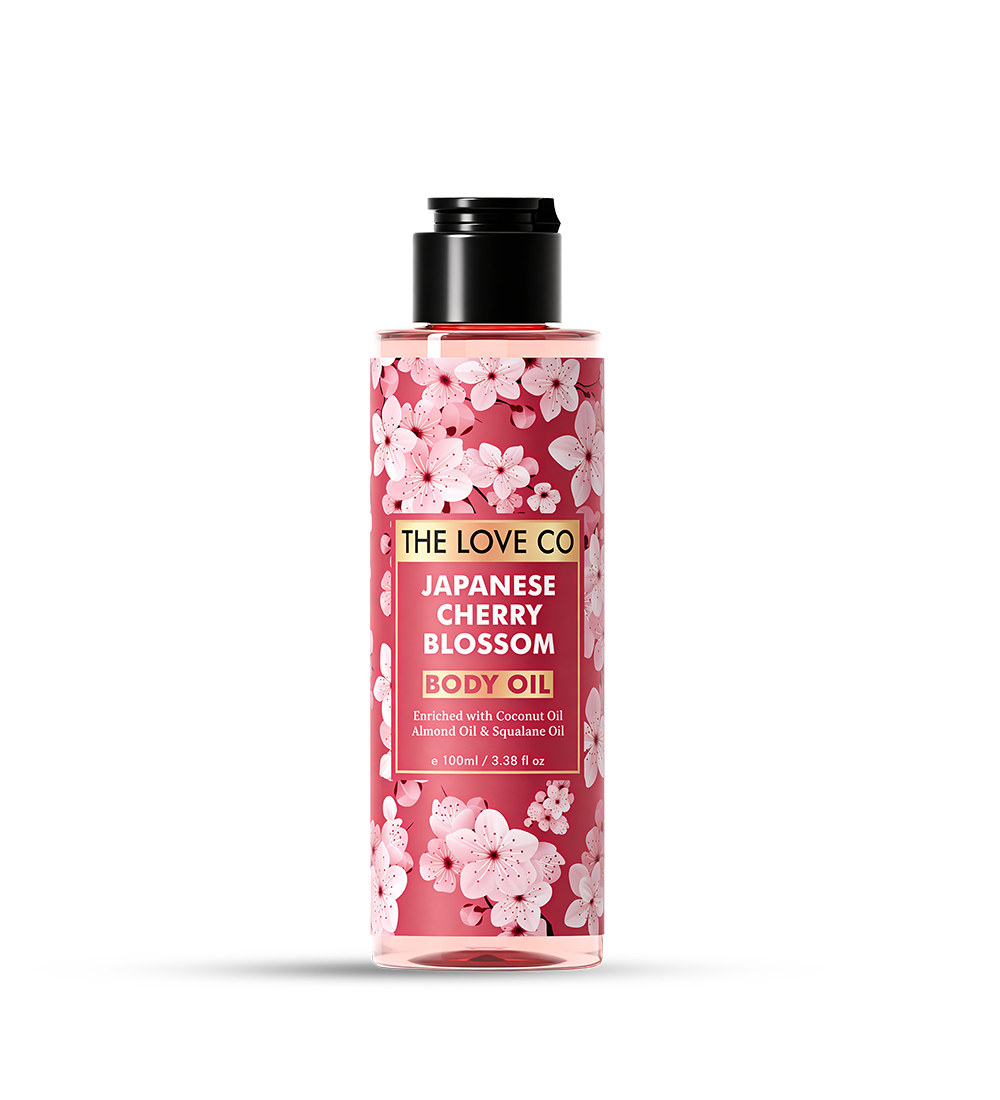
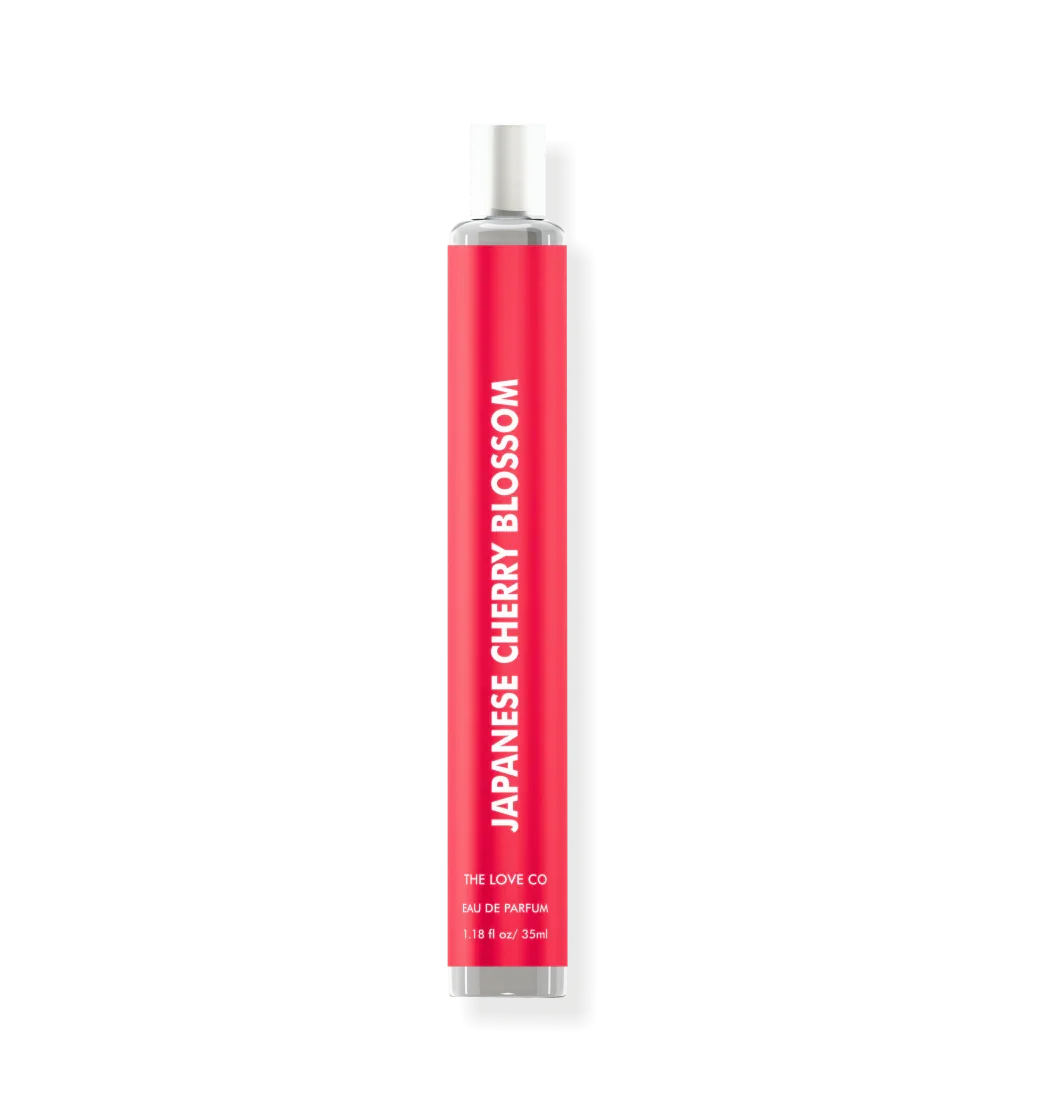
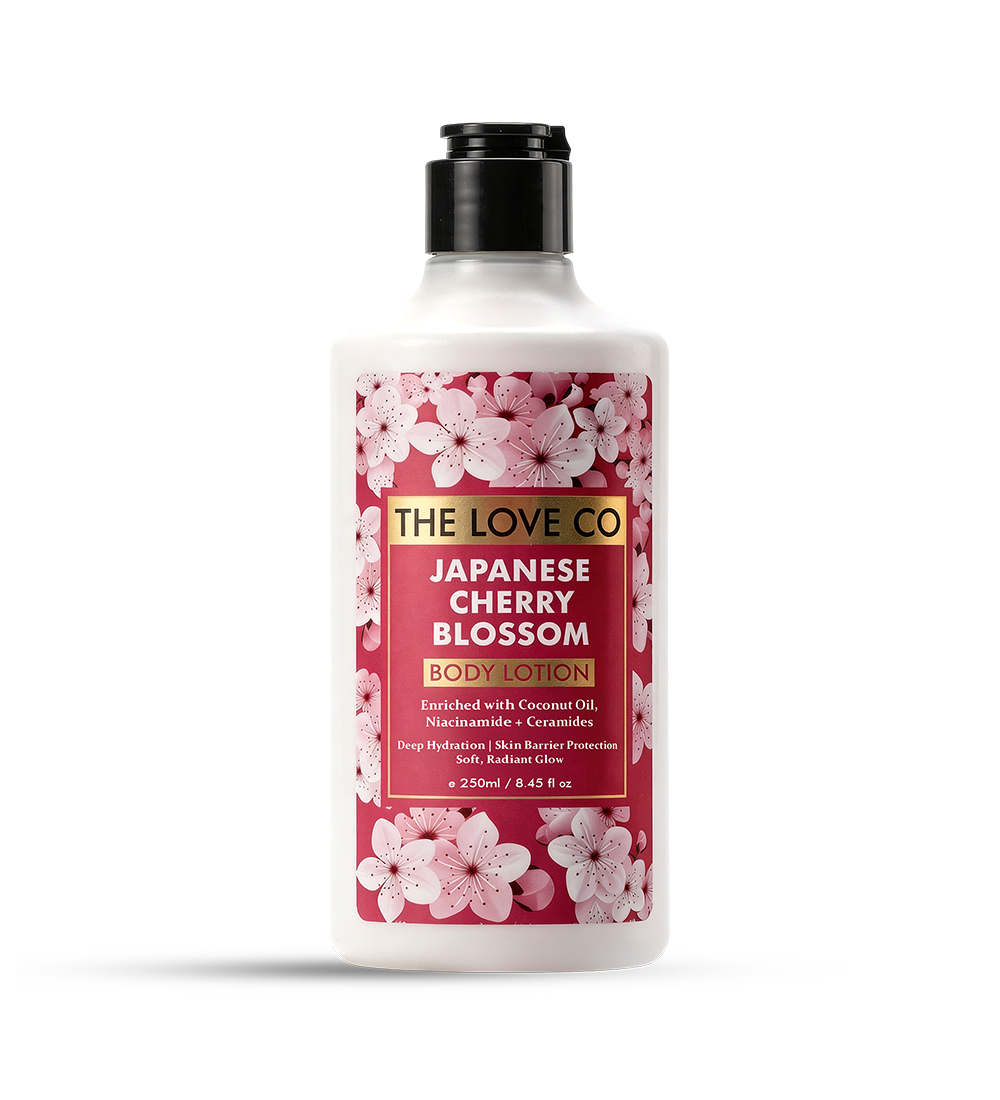
TLC uses marula oil in body butters, body oils, and rich body serums where we want fragrance projection plus barrier repair. Its clean dry-down lets top notes shine without the muddying effect heavier oils impose. Try it in our luxurious body oil range. Pair with jojoba for lighter finish, or ceramides on top for occlusive-plus-emollient winter care.
How to use / best practices
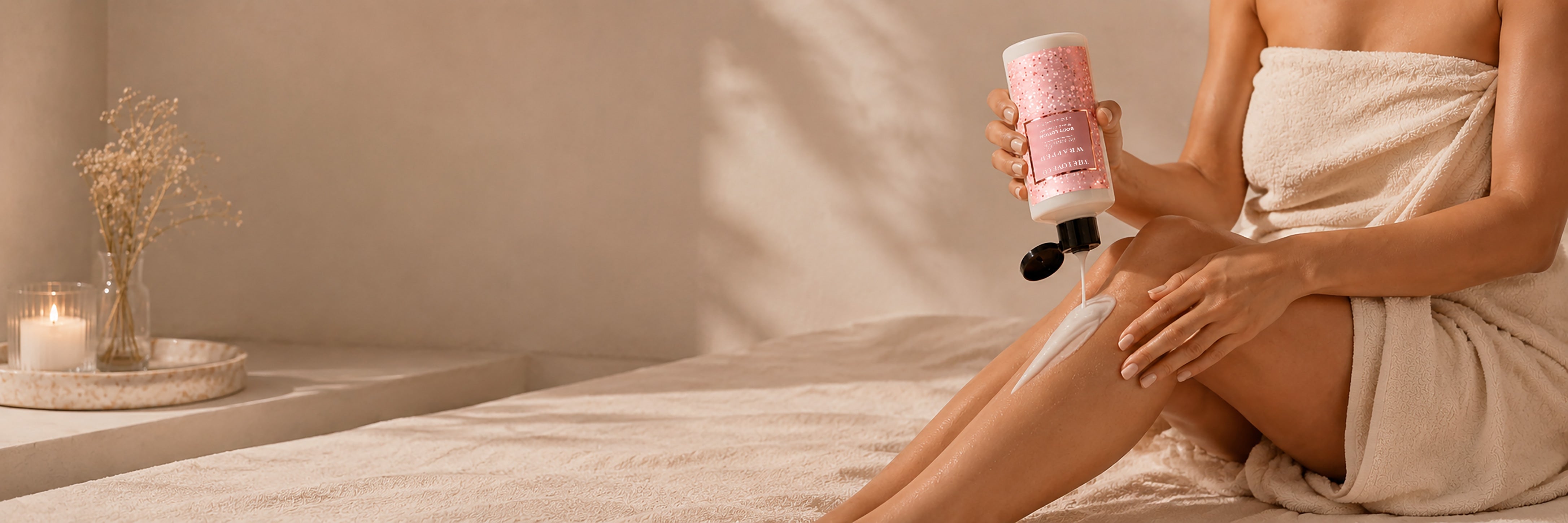
- Apply to damp skin post-shower for the best water-lock effect.
- Use 4-6 drops of pure marula mixed into body lotion for a hydration boost in winter.
- Massage into cuticles, elbows, and the back of heels before bed.
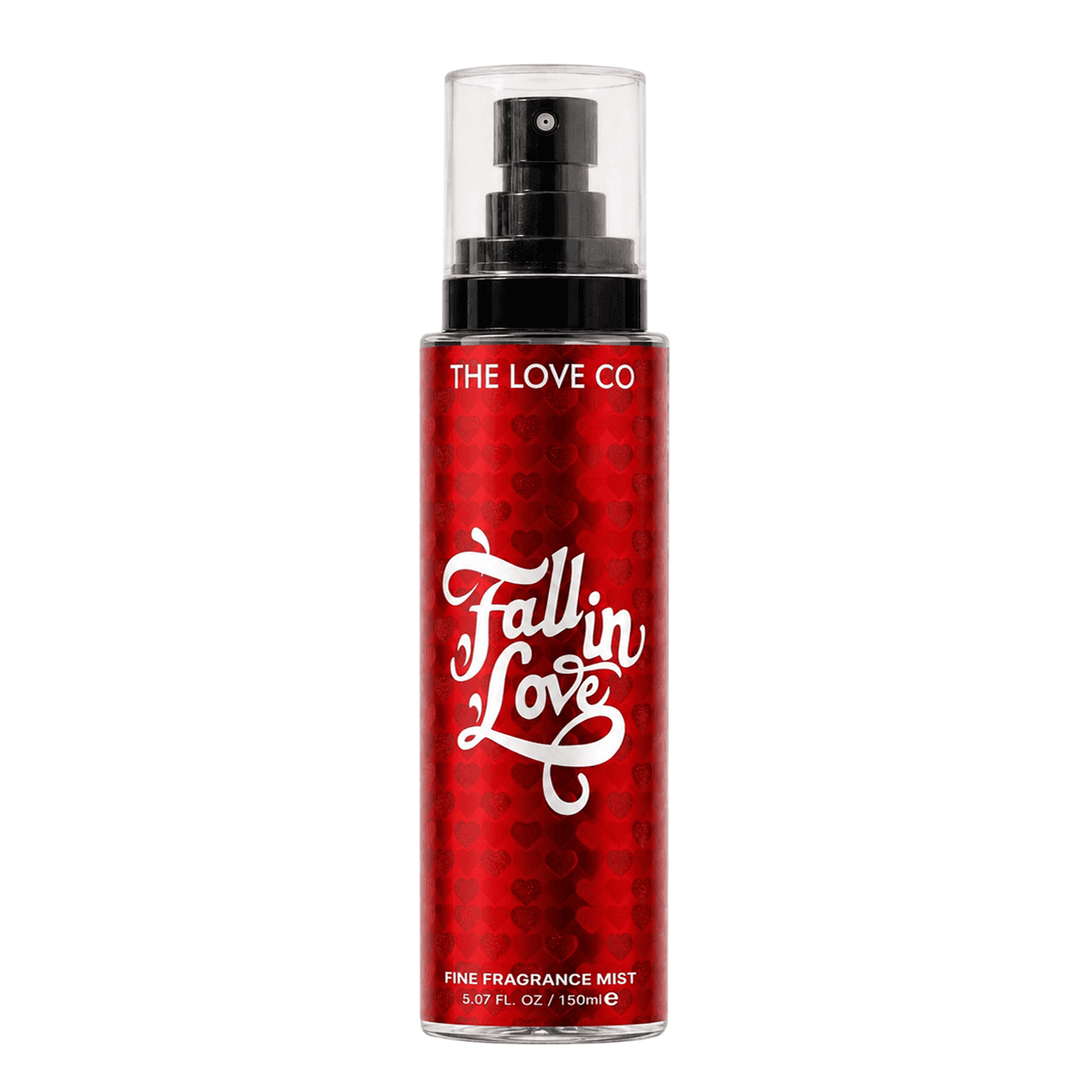
- Layer under perfume: marula oil helps fragrance last 2-3 hours longer on dry zones.
- Safe for body acne-prone skin at moderate use. Rated 3-4 on comedogenicity, so patch-test backs and chests first.
- Store in a cool, dark cupboard. Marula is stable but not immortal.
Who should use (and who should skip)
- Use if: You have dry, mature, or barrier-compromised body skin.
- Use if: You want a luxurious feel without the greasy residue of almond or argan.
- Use if: You want to extend fragrance wear on pulse points.
- Skip if: You have severe body acne. Test a small patch on the back or chest first.
Frequently asked questions
Marula or argan oil?
Marula is slightly lighter and more oxidatively stable. Argan is richer and higher in vitamin E. Both are premium, but marula performs better in Indian bathroom conditions.
Will marula oil clog pores?
Rated 3-4 on comedogenicity for facial skin, but body skin tolerates it much better. Patch-test on acne-prone zones.
Can I use marula during pregnancy?
Yes. It is well-tolerated and widely used for stretch-mark management.
How is it different from coconut oil?
Marula absorbs cleanly and leaves no greasy residue. Coconut oil is heavier, solidifies below 24 degrees, and is comedogenic for most Indian skin. Read our guide to Indian fragrance body care for a full oil comparison.
