Active Body Lotion for Dry Skin: Ingredients That Work Differently
There's a difference between a body lotion that temporarily relieves dry skin and one that actually changes it. If you've been moisturising consistently but your skin still feels tight an hour after applying, or looks ashy by midday, the problem isn't effort. It's formulation.
Active body lotions for dry skin don't just coat the surface — they work at different layers of the skin to restore what dryness depletes: water content, lipid barrier integrity, and the skin's own ability to hold moisture.
What Dry Skin Actually Is
Dry skin is most commonly a barrier function problem. Healthy skin has a lipid matrix — a layer of ceramides, fatty acids, and cholesterol — that holds moisture in and keeps irritants out. When this barrier is compromised (from harsh cleansers, weather, age, genetics, or over-exfoliation), water evaporates from the skin faster than normal. The result: tightness, flaking, dullness, and sensitivity.
Standard body lotions add moisture back temporarily but don't address the underlying barrier disruption. Active formulations do both.
The Three-Layer Approach to Treating Dry Body Skin
Layer 1 — Humectants: Draw Water In
Humectants attract water molecules from the environment and from deeper skin layers to the surface. The key actives here:
- Hyaluronic acid — can hold up to 1,000 times its weight in water; effective even at low concentrations in body lotion
- Glycerin — the most well-studied humectant; widely available, highly effective, gentle on all skin types
- Urea — works as both a humectant and a keratolytic (softens rough skin); particularly effective for very dry skin on heels, elbows, and shins
- Sodium PCA — a component of the skin's own natural moisturising factor; replenishes what dry skin is deficient in
Layer 2 — Emollients: Fill and Soften
Emollients fill in the microscopic cracks and gaps in the skin's surface that cause rough texture and dull appearance. They make skin feel smooth and look healthy:
- Squalane — lightweight, non-greasy, and closely mimics the skin's natural sebum; absorbs quickly and leaves no residue
- Shea butter — richer emollient with anti-inflammatory properties; ideal for very dry or sensitised skin
- Ceramide NP, AP, EOP — the lipids that form the skin barrier itself; replenishing these directly addresses the root cause of dry skin, not just the symptoms
Layer 3 — Occlusives: Seal It All In
Occlusives form a protective film over skin that slows transepidermal water loss (TEWL). Without this layer, the work done by humectants and emollients evaporates quickly:
- Dimethicone — lightweight silicone that seals without greasiness; the reason well-formulated lotions don't feel heavy
- Beeswax or plant waxes — natural alternatives with occlusive and emollient properties combined
The Ingredient That Does the Most for Chronic Dry Skin: Urea
Urea deserves a dedicated mention. At 5–10% concentration in a body lotion, urea is simultaneously a humectant, an emollient, and a gentle exfoliant. It draws water into the skin while softening and gradually removing the built-up dead cells that make chronically dry skin look grey and feel rough.
Clinical studies have shown urea-containing body lotions to be significantly more effective than standard moisturisers for chronic dry skin conditions including xerosis and ichthyosis. For anyone who has tried and given up on regular moisturisers, a 10% urea body lotion is often the formulation that finally works.
When to Apply for Maximum Absorption
Apply active body lotion immediately after showering, while skin is still damp — within 60–90 seconds of stepping out. Damp skin absorbs humectants and emollients significantly better than dry skin. This single change in timing can make a considerable difference to how effective even the same product feels.
For very dry skin, apply a second lighter layer after the first has absorbed (roughly 5 minutes later). This layering technique — common in face skincare — works equally well on body skin and builds a more robust moisture reservoir.
What to Avoid in a Body Lotion If You Have Dry Skin
Alcohol-heavy formulations (ethanol high in the ingredient list) can further strip the skin barrier. Heavy synthetic fragrance at high concentrations can irritate already-sensitised dry skin. And mineral oil, while occlusive, sits on top of skin without the skin-identical benefits of ceramides or squalane.
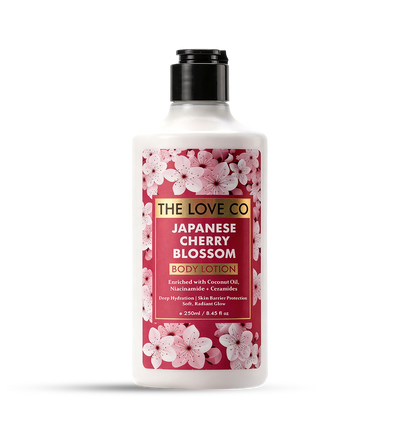
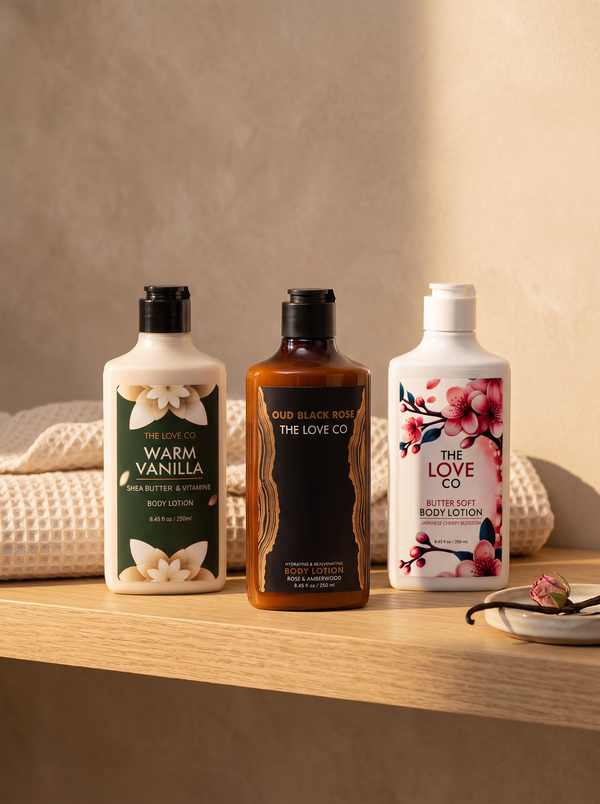
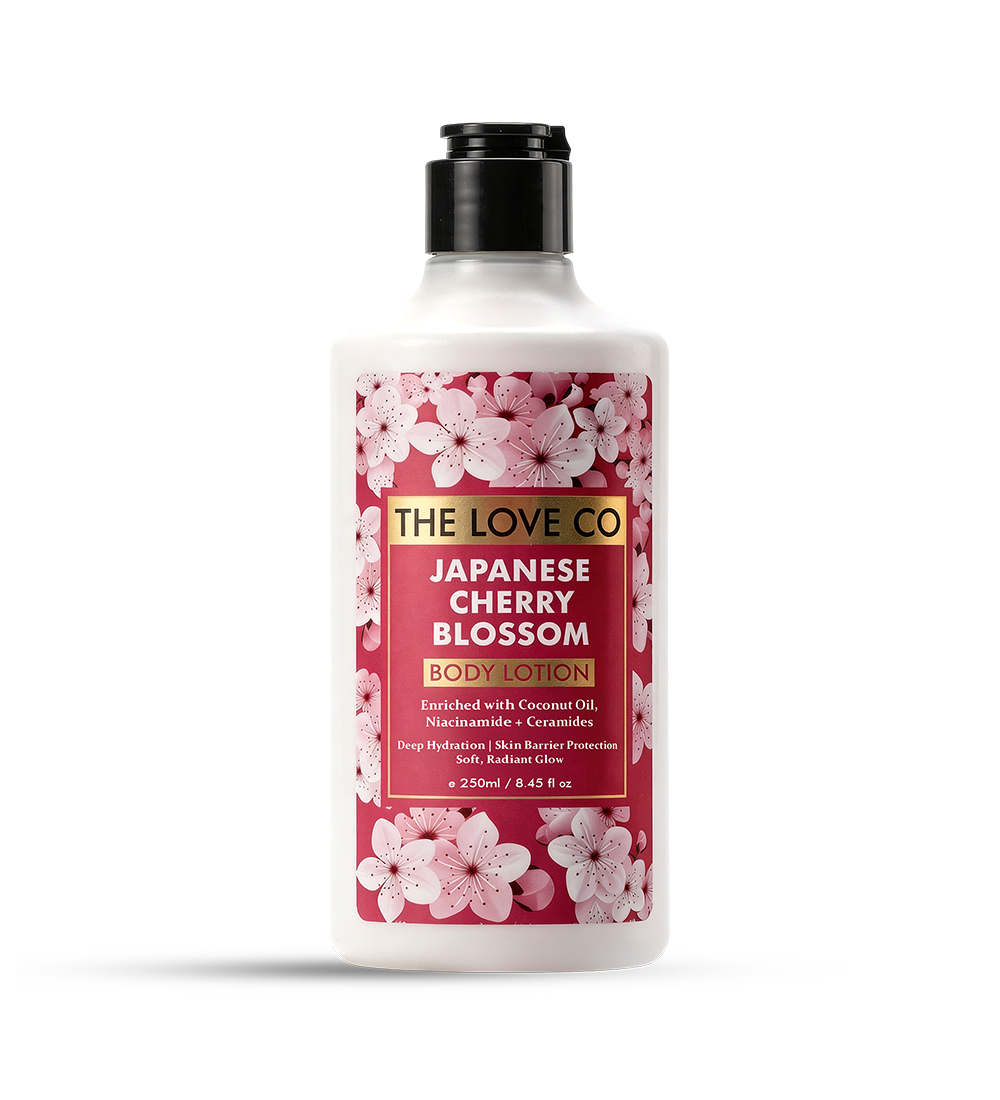
Explore The Love Co's body lotion collection — active formulations that treat dry skin at the barrier level, not just the surface.
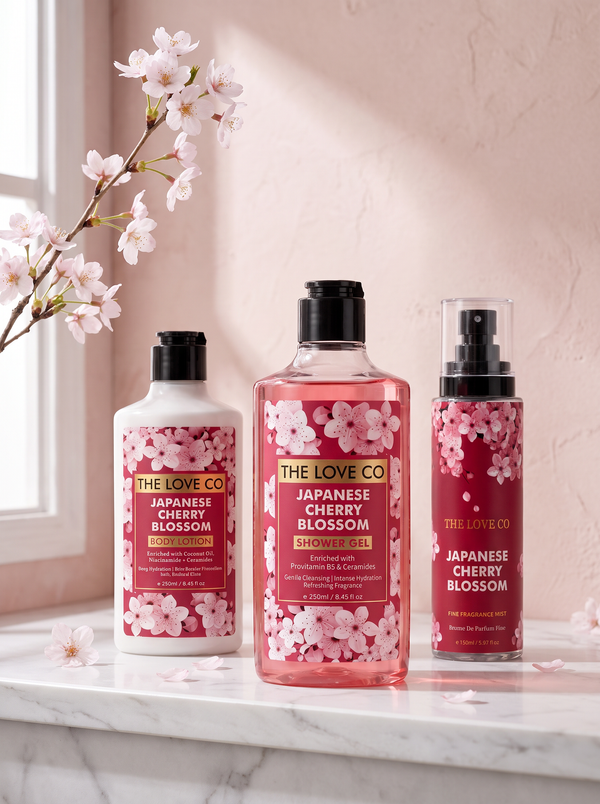
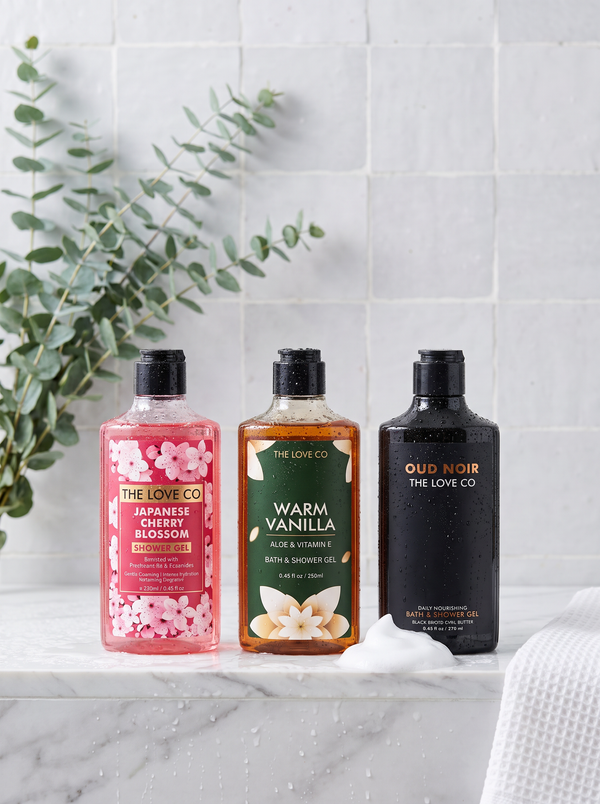
Japanese Cherry Blossom Shower Gel
Scent Trail Step 1 · soft floral body wash Start the Scent Trail here. A pH 5.5, SLS-free cleanser that protects your skin barrier while it washes —...
A ritual is the smallest love you give yourself, daily.
— Shopify API · 07 May 2026