Let's start with the question, because it deserves a straight answer.
Can AHA body wash lighten skin?
No. Not in the way "fairness" creams have spent decades promising. AHAs do not bleach pigment, alter melanin production, or change your underlying skin tone.
What they can do — honestly, slowly, on the surface — is reveal brighter, more even-toned skin by removing dead cells, and gradually fade post-inflammatory hyperpigmentation (the dark marks left by acne, ingrowns, friction or sun). That's it. Anyone telling you more is selling you the same harmful story Indian beauty marketing has been told for half a century.
This article is the honest version.
The cultural baggage we have to name first
India has a long, painful relationship with skin lightening. Generations of marketing equated "fair" with beautiful, marriageable, employable. Brands made billions on creams that promised to change your skin colour — sometimes using ingredients now banned (mercury, hydroquinone in OTC formats, harsh steroids). The result: a country full of people, especially women, with damaged skin barriers, dependence on lightening creams, and an ingrained belief that lighter is better.
It's not. Your skin tone is not a flaw. AHA body wash is not — and should not be marketed as — a "fairness" product. We want to be clear about that before going further.
What "brightening" actually means in skincare
The skincare term brightening doesn't mean lightening. It means:
- Removing dullness — the grey, flat look that comes from accumulated dead cells
- Improving skin clarity — reducing patchiness and uneven tone
- Fading post-inflammatory hyperpigmentation (PIH) — the brown marks left after acne, mosquito bites, ingrowns, friction
- Restoring your skin to its own natural, even tone — not making it lighter than that
The phrase to hold onto: even tone, not lighter tone. This is what AHA body wash actually delivers.
How AHAs work, mechanically
Alpha hydroxy acids — glycolic, lactic, mandelic — are exfoliants. They dissolve the bonds holding dead skin cells on the surface. Two effects follow:
- Immediate light-reflection change. A smoother, less cluttered skin surface reflects light more uniformly. You look "brighter" — but your skin colour hasn't changed; you're just seeing a cleaner version of it.
- Gradual PIH fading. Pigment from old marks sits highest in the dead-cell layer. Removing those layers, week after week, fades the marks. This isn't bleaching; it's clearing.
What AHAs do not do: enter melanocytes, inhibit melanin production, lighten constitutive (genetic) skin tone, change your "base" colour. That's a different category of ingredients (kojic acid, arbutin, tranexamic acid) — and even those, used responsibly, target uneven pigmentation, not "fairness."
The honest results table
| What people hope for | What AHA body wash actually does |
|---|---|
| Lighter skin tone | No — your underlying tone doesn't change |
| Bleached underarms / inner thighs | No — but evens tone if darkness was from friction/PIH |
| "Glow" | Yes — surface dullness improves |
| Fading post-acne marks | Yes — gradually, over 8–12 weeks |
| Smoother, brighter look post-shower | Yes — visible from week 2 |
| "Whitening" effect | No — and beware any brand that promises this |
What actually causes the "darker" look you're trying to fix
Most "I want lighter skin" requests, when examined, are really these things:
- Tan from sun exposure. Fades naturally; AHAs help speed it up by accelerating cell turnover.
- Post-inflammatory hyperpigmentation. Dark marks from acne, ingrowns, mosquito bites, friction. AHAs fade these.
- Dead cell build-up. Makes skin look ashy and dull. AHAs clear this fast.
- Hard water residue. A film on skin that mutes radiance. AHAs help, a shower filter helps more.
- Underlying medical conditions. Acanthosis nigricans, melasma, hormonal pigmentation. These need a dermatologist, not a body wash.
How to use AHA body wash for even-toning (the right framing)
- Use 3–5 times a week, not daily to start
- Apply on dry-ish skin, lather, leave 30–60 seconds, rinse
- Avoid same-day shaving or waxing on the treated area
- Daytime SPF on exposed body areas — UV undoes everything
- Pair with niacinamide-containing body lotion for compound effect on PIH
- Be patient: 8–12 weeks for meaningful PIH fading
Dr. Tanvi's take
"I have to have this conversation almost every week with patients who come in asking for 'whitening.' I tell them: I can help your skin look healthier, more even, more luminous — but I can't change the colour you were born with, and frankly, I wouldn't want to. AHA body wash, used correctly, gives you the version of your own skin that's brightest and clearest. That's the goal. Anything more is a cultural lie we've all been sold."
— Dr. Tanvi Sehgal, Consultant Dermatologist
Frequently asked questions
So AHA body wash won't make me fairer?
Correct. It will make your skin look brighter, smoother and more even-toned — but it won't lighten your underlying skin colour. That's not how the chemistry works.
Will it lighten my underarms or inner thighs?
It will fade darkness caused by friction, shaving and post-inflammatory marks — making the area match your surrounding skin tone. It won't make those areas lighter than your natural body tone.
What about brands that claim "skin whitening" with AHA?
Be cautious. Either they're using marketing language loosely (which is misleading), or they've added other actives (sometimes harsh ones) to the formula. Read the full ingredient list.
Is there a safe, dermatologist-approved way to even out genuine pigmentation?
Yes — for melasma, hormonal hyperpigmentation, acanthosis nigricans, see a dermatologist. They'll often prescribe targeted ingredients (azelaic acid, tranexamic acid, kojic acid) used responsibly. AHA body wash is supportive, not a primary treatment for these.
How long until I see "brighter" skin?
Surface dullness improves within 2 weeks. PIH fading takes 8–12 weeks. Underlying skin tone — never; it's not meant to.
Where TLC fits in
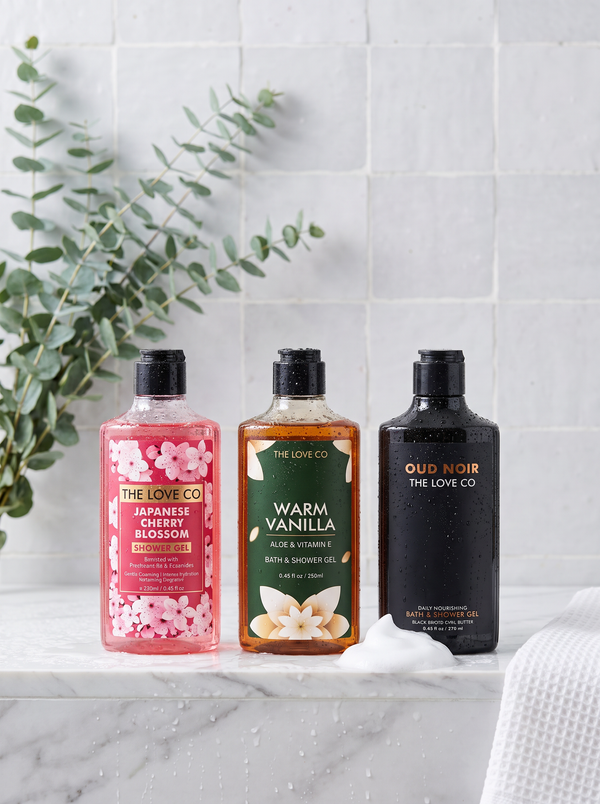
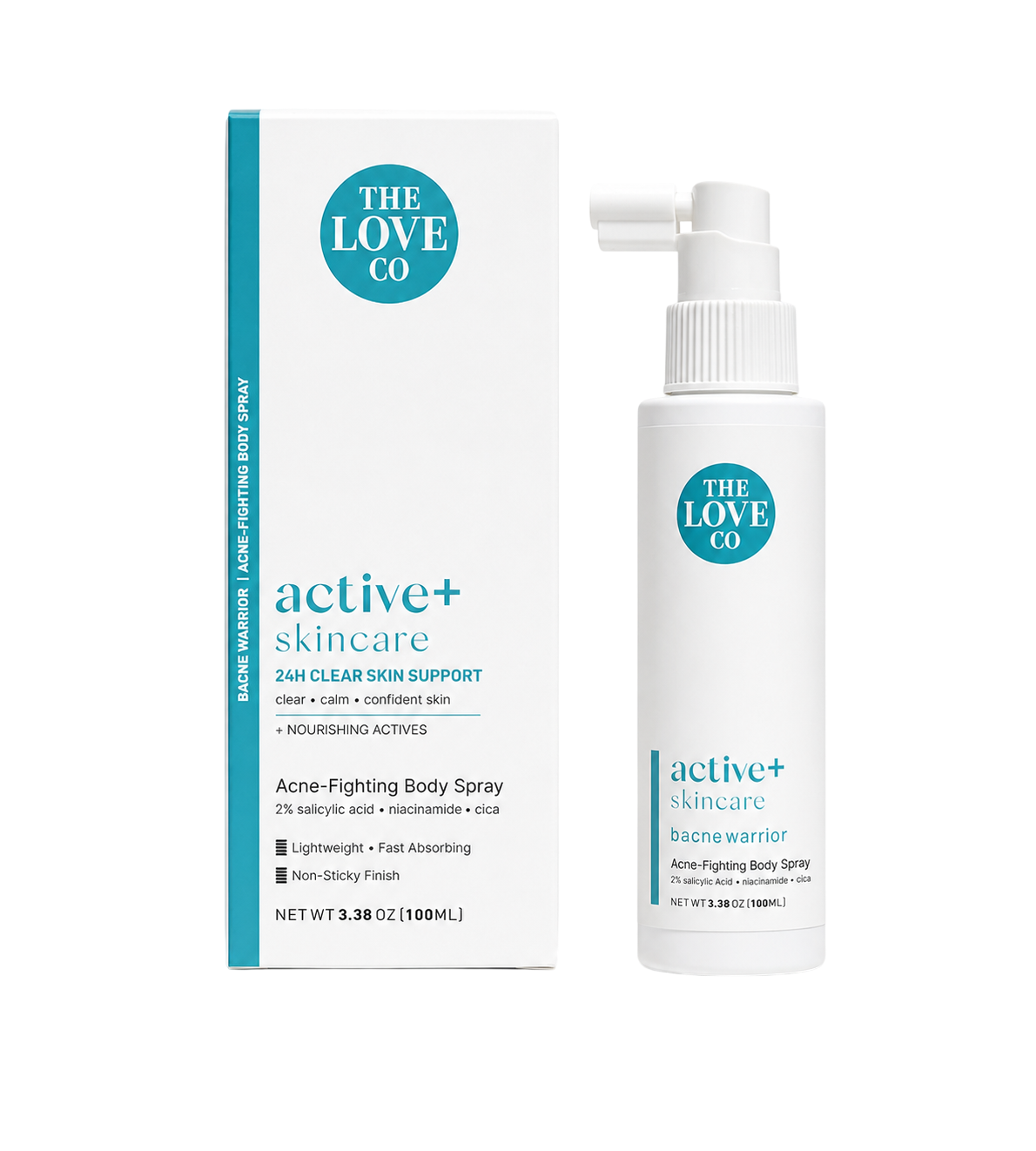
The Love Co's AHA body washes are formulated for even tone, not lighter tone — and we won't tell you otherwise. Pair with a niacinamide-rich body lotion for compound effect on post-inflammatory marks, and a daytime SPF to protect the progress. For deeper concerns, our pigmentation guide walks you through when to see a dermatologist.
Brighter, even-toned, honestly yours. Browse the AHA body wash edit.
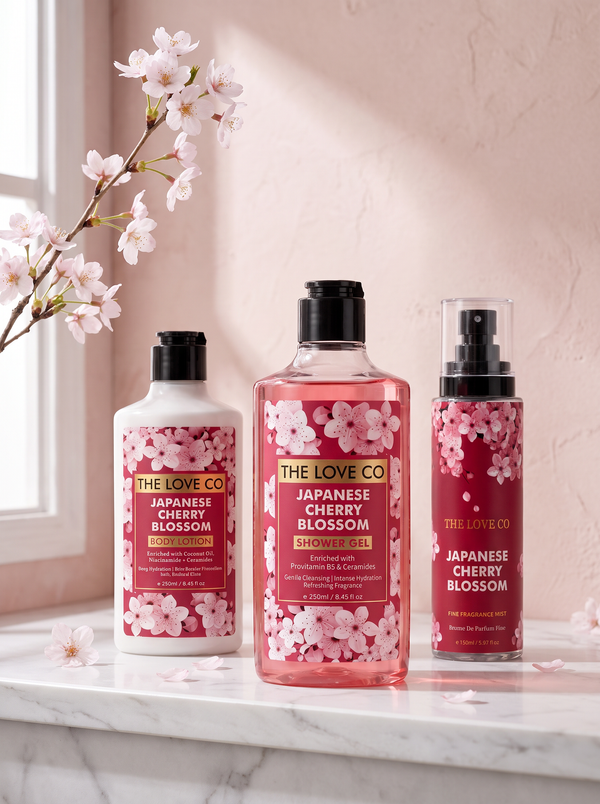
Japanese Cherry Blossom Shower Gel
Scent Trail Step 1 · soft floral body wash Start the Scent Trail here. A pH 5.5, SLS-free cleanser that protects your skin barrier while it washes —...
A ritual is the smallest love you give yourself, daily.
— Hemang Jain · 03 May 2026