


A grandmother's attar box on a dressing table. Rose water in a wedding trousseau. The smell of mitti attar after the first rain. Indian women didn't discover fragrance in a duty- free shop — they inherited it from the Indus Valley, the Mughal courts, and the attarwallas of Kannauj. This is the complete story of what was passed down, how it almost got lost, and why it's returning now.
The 30-Second Version
Indian fragrance tradition spans over 4,000 years — from Indus Valley distillation vessels (3300 BCE) through Vedic-era ritual fragrance, Mughal attar culture (1500-1800 CE), and the surviving attarwallas of Kannauj who still practise the degh-bhapka distillation method today. This inheritance includes specific notes that generations pass down: gulab (rose attar), chameli (jasmine), khus (vetiver), mitti (baked earth), kesar (saffron), and oud (agarwood). Modern fragrance body care doesn't replace this inheritance — it brings it into the format in which contemporary Indian women actually live.
Four Thousand Years, in Brief
India's relationship with fragrance isn't a tradition. It's an inheritance. To understand the difference, you have to understand the timeline.
| Era | Approximate dates | What was happening |
|---|---|---|
| Indus Valley Civilization | 3300–1300 BCE | The earliest distillation vessels archaeologists have found. Scented oils already in daily use. |
| Vedic Era | 1500–500 BCE | Fragrance becomes central to religious ritual. Agaru (agarwood / oud) is mentioned in the Charaka Samhita. |
| Classical India | 500 BCE – 1000 CE | Kannauj emerges. Sanskrit perfumery treatises are written. Trade routes carry Indian fragrance west and east. |
| Medieval Kannauj | 900–1200 CE | The deg-bhapka distillation method stabilises. Kannauj reaches its zenith as India's perfume capital. |
| Mughal Golden Age | 1500–1800 CE | Akbar founds a ministry for perfume. Jahangir and Noor Jahan make rose attar central to royal culture. |
| British colonial period | 1800–1947 | Synthetic European perfumes displace attar. The Kannauj industry shrinks. The inheritance fractures. |
| Independent India | 1947–2000 | The global brand era. Attar becomes “grandmother's thing”. Younger Indian women grow up scent-less by inheritance. |
| The Return | 2000–present | Renewed interest in craft. Kannauj revives. Fragrance body care reconnects modern Indian women to the inheritance. |
Four thousand years. Unbroken, until roughly 150 years ago. And returning now.
The Indus Valley — Where It Started
Archaeological excavations of Harappan sites in Pakistan and Western India have recovered terracotta distillation vessels dating to roughly 3300 BCE. These aren't sophisticated tools, but they're unmistakably built for extracting fragrance — a process that requires intentional heating, condensation, and collection. What this means: Indians were extracting plant fragrances into oils before the construction of the Pyramids. Before the Code of Hammurabi. Before most of the ancient world had written language. The specific plants used in Indus Valley perfumery were likely sandalwood (already valued for spiritual significance), vetiver (khus, native to the subcontinent), and various floral infusions. The products were used for religious anointment, personal adornment, and — based on residue analysis — for aromatherapy in healing contexts.
The Vedic Era — Fragrance Becomes Sacred
By the time the Rigveda and the later Vedic texts were compiled (1500-500 BCE), fragrance had become systematised. The Charaka Samhita, an Ayurvedic medical treatise from roughly 400 BCE, references agaru — what we now call oud or agarwood — as a substance with specific therapeutic properties. Three things from the Vedic inheritance matter for modern Indian fragrance body care:
Scent was coded to context. Different fragrances were appropriate for different occasions — sandalwood for meditation and religious ritual, jasmine for evening and intimacy, rose for romance, vetiver for cooling summer heat. This "scent wardrobe" logic — the idea that one wears different fragrances for different moments of life — is at least 2,500 years old in India. It's not a Western concept imported in the 2020s.
Fragrance was tied to Ayurvedic balance. Each scent family was understood as balancing or stimulating specific doshas. Warm fragrances (oud, amber, saffron) were prescribed for kapha-heavy bodies. Cool fragrances (vetiver, sandalwood, rose) for pitta. This systematic thinking about fragrance-as-medicine is unique to Indian tradition and doesn't have a direct equivalent in Western perfumery history.
The body was the vessel, not the obstacle. Where later European traditions would sometimes treat the body as something to be purified or hidden, Vedic-era Indian culture treated the fragrant body as a sacred offering — something to be adorned, celebrated, made memorable. This is why modern Indian wedding traditions still require elaborate pre-nuptial fragrance rituals: they're 3,000 years old. "Indian women didn't inherit a cosmetic industry. They inherited a sacred relationship with scent."
Kannauj — The Grasse of the East
Somewhere around the 9th century CE, the town of Kannauj in what is now Uttar Pradesh emerged as India's perfume capital. Three factors made it inevitable: Geographically, Kannauj sits on the fertile Gangetic plains — rich alluvial soil ideal for growing Damask rose, jasmine, and vetiver. It's also equidistant from Delhi, Agra, Lucknow, and Kanpur, which meant it was a natural centre for royal patronage once the Mughal empire emerged six centuries later.
Culturally, the town attracted and retained generations of master perfumers. The craft was passed through families — fathers teaching sons, mothers teaching daughters — over hundreds of years. By the medieval period, Kannauj had a depth of inherited perfumery knowledge no other Indian city could match. Technically, Kannauj artisans perfected the deg-bhapka method — a hydro-distillation process using copper stills heated over wood fires, with steam captured in bamboo pipes and condensed into sandalwood oil. The process is slow, labour-intensive, and impossible to mechanise without losing quality. Some attar batches take days of continuous distillation. Master distillers sleep near the apparatus, listening for the specific bubbling sound that tells them when to adjust heat. This is the method still practised in Kannauj today, in family distilleries that have been in operation for 400+ years. The tools have barely changed. The temperatures are still judged by experience rather than thermometer. The quality of a batch still depends on the season, the weather, the specific dawn at which the rose petals were picked. When you buy an authentic Kannauj attar in 2026, you are buying a product made using methods that predate the industrial revolution by 300 years. That's not a marketing line — it's a factual description of the craft.
The Mughal Era — Fragrance Becomes Royal
The Mughal period (1500-1800 CE) is when Indian fragrance culture reached its most elaborate expression. Persian perfumery traditions merged with Indian craft techniques, royal patronage poured money into the industry, and attar became something close to a second currency at court.
Akbar's Perfume Ministry
Emperor Akbar (r. 1556-1605) did something no ruler before or since has done — he founded a formal ministry dedicated to perfume. The ministry's job was to develop, refine, and maintain the palace's fragrance inventory: attars for the emperor's body, incense for his palaces, scented oils for the harem, perfumed waters for his baths, and fragrance-infused oils for ceremonial food preparation. Court accounts from Akbar's reign describe "astronomical quantities" of oud attar being applied to the emperor's body daily. The doors and wood panels of his palace at Fatehpur Sikri were reportedly coated with attars so the wood itself released fragrance when warmed by sunlight.
Noor Jahan's Discovery
The most famous story in Indian fragrance history belongs to Empress Noor Jahan, wife of Emperor Jahangir. Court chronicles and later folklore describe her discovering what we now call ruh gulab — rose essential oil — while bathing in rose water.
The accounts vary in detail, but the essence is consistent: Noor Jahan noticed a thin film of oil floating on the surface of her rose-water bath. When she collected and examined it, she recognised it as an exceptionally concentrated fragrance. She instructed her perfumers to find a way to reproduce it deliberately. The result was a refinement of the rose attar distillation process that remains central to Indian perfumery today. Whether the story is strictly true or partly mythological, its cultural weight is real. Every Indian woman who has ever worn rose attar wears something traceable to this moment. Jahangir wrote about his wife's discovery in his memoirs — a rare personal detail in court history.
Shah Jahan's Rose-Water Palaces
Their son, Shah Jahan — builder of the Taj Mahal — extended the family tradition. Court accounts describe him ordering the fountains in his palace at Agra to be filled with diluted rose water. Guests arrived, and left, carrying the scent home on their clothes. Shah Jahan also commissioned custom blends from Kannauj for specific rooms, occasions, and times of year. This is the generation — Akbar to Jahangir to Shah Jahan — that embedded fragrance so deeply into Indian aristocratic culture that it spread to every elite Indian wedding tradition, religious ceremony, and courtly ritual. When we talk about "Mughal perfume culture," we're talking about roughly 150 years that changed the olfactory landscape of the subcontinent permanently.
The Notes That Get Passed Down
Every Indian family's fragrance inheritance is specific, but certain notes appear across regions and generations. These are the ingredients any Indian woman whose grandmother wore attar would recognise immediately:
Gulab — Rose
The queen of Indian fragrance. Kannauj roses are harvested at dawn — the hour their fragrance is strongest — and distilled through methods perfected by Nur Jahan's perfumers. Rose is associated with weddings, romance, and spiritual offerings. It's considered universal — appropriate for any woman, any occasion, any life stage.
Chameli / Mogra / Juhi — Jasmine
Jasmine flowers bloom at night, so traditional attar makers pick them in the pre-dawn hours before sunrise. The resulting attar is heady, sensual, and culturally associated with evening, intimacy, and female beauty. Indian grandmothers pinned jasmine garlands into their hair — part ornamentation, part aromatherapy.
Khus — Vetiver
A cooling root-grass attar, traditionally associated with Indian summer. Mughal aristocrats perfumed their curtains and bed linens with khus oil to create the sensation of coolness during hot nights. It's earthy, grounded, and deeply masculine in its reputation, though women also wore it in summer for its cooling effect.
Mitti — Baked Earth
One of the most distinctively Indian fragrances in the world. Made by baking clay from riverbanks until it releases its petrichor-like scent, then distilling that scent into sandalwood oil. Mitti attar smells like the first monsoon rain hitting dry earth — a scent so culturally Indian that Prime Minister Modi reportedly gifted bottles of it to world leaders at the 2023 G20 summit.
Kesar — Saffron
Warm, metallic, slightly honeyed. Saffron attar is expensive and was historically a scent of Kashmiri royalty. It blends well with florals and resins, and it appears in many of the complex "shamama" compositions that Mughal perfumers made for winter wear.
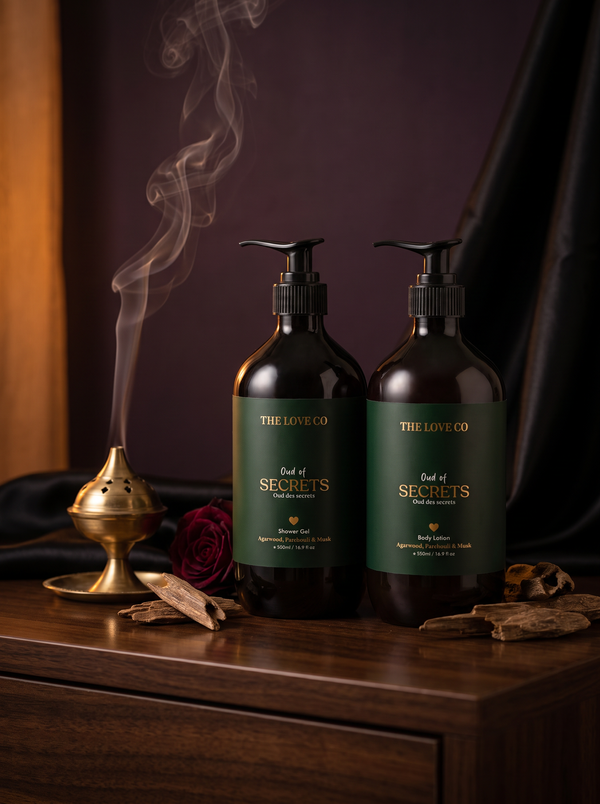
Oud / Agaru — Agarwood Resin
Covered in detail in our guide to India’s fragrance heritage. The deep, resinous, slightly animalic scent that has been central to Indian perfumery since the Vedic era. Most expensive of the traditional notes. Wedding-and-celebration coded. Now returning in modern body care.
Chandan — Sandalwood
The foundation oil for almost all traditional attars. Sandalwood itself is worn as a fragrance, but more importantly, it's the base that holds and extends every other attar on this list. Without sandalwood, there is no Indian attar tradition. Its scarcity today is one of the biggest threats to authentic Kannauj attar production.
What Was Almost Lost
The British colonial period (roughly 1800-1947) did something specific to Indian fragrance that takes a moment to name clearly: it didn't destroy the tradition. It made the tradition feel embarrassing. European synthetic perfumes flooded Indian markets. They were cheaper than Kannauj attar because they were made at industrial scale. They were branded as "modern." And they were associated with Western elites whose approval newly Westernised Indian aristocracy craved.
Kannauj attar became "traditional" in the worst sense — which in colonial vocabulary meant outdated. Indian women who could afford it switched to French and British perfumes. Indian women who couldn't afford imported perfume learned to apologise for attar rather than celebrate it. By independence in 1947, two generations of Indian women had grown up hearing that attar was their grandmother's thing — something rural, something old-fashioned, something they should outgrow. Many did. Kannauj distilleries shrank from hundreds to dozens. Master perfumers died without passing their knowledge on. Specific attar formulas were lost. This is the gap in the inheritance. Somewhere between your great-grandmother and you, the chain broke. Not because Indian women stopped wanting to smell beautiful — but because they were taught their own olfactory heritage was beneath them.
The Most Expensive Thing Colonialism Took
When we talk about what India lost to colonialism, we usually think of material wealth. But culturally, one of the most expensive losses was olfactory. Hundreds of regional attar recipes, specific distillation techniques, scent-to-occasion pairings that took generations to develop — much of it gone. Kannauj's surviving tradition is what escaped. Modern fragrance body care is part of how we reclaim what almost didn't.
The Return — Why Inheritance Is Coming Back
Something changed in the last 10-15 years. Indian women in their late 20s and 30s started asking questions their mothers hadn't thought to ask. Why did every global perfume my aunt wore fade by lunchtime in Mumbai? Why did my grandmother's attar last 12 hours? What actually IS attar? Was it ever "ours" or was it always a Middle Eastern thing? Three forces are driving the return: Social media has democratised fragrance knowledge. TikTok, Instagram, and Reddit fragrance communities taught a generation of Indian women to read perfume notes, understand perfume families, and evaluate longevity. Once they had that literacy, they turned their eyes to their own inheritance and saw how sophisticated it had always been. Cultural confidence in India has shifted generationally. Younger Indian women are more interested in celebrating Indian craft, Indian art, Indian fashion, and Indian tradition than at any point in the last 75 years. The phrase "made in India" now carries pride, not apology. Attar and fragrance body care fits this moment. Global fragrance trends are favouring Indian tradition. The global rise of oud in Western perfumery (Tom Ford, Maison Francis Kurkdjian, Dior) signalled to Indian consumers that the fragrances their grandmothers wore are now luxury-coded. A generation that rejected attar in its modern format rediscovered it as global luxury.
How Fragrance Body Care Carries the Inheritance
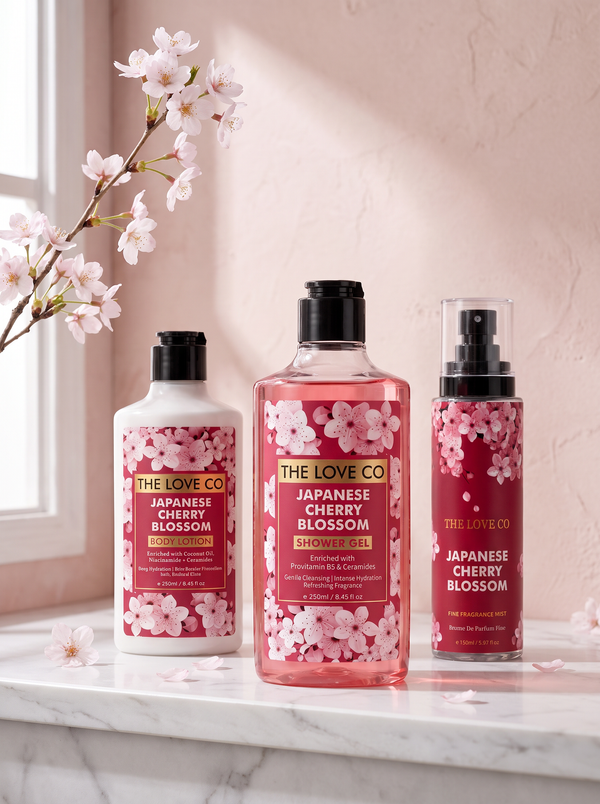
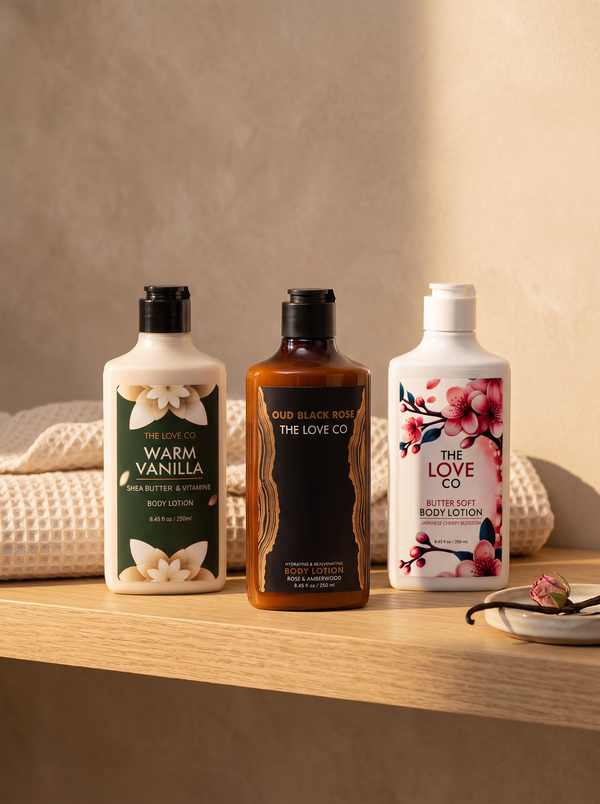
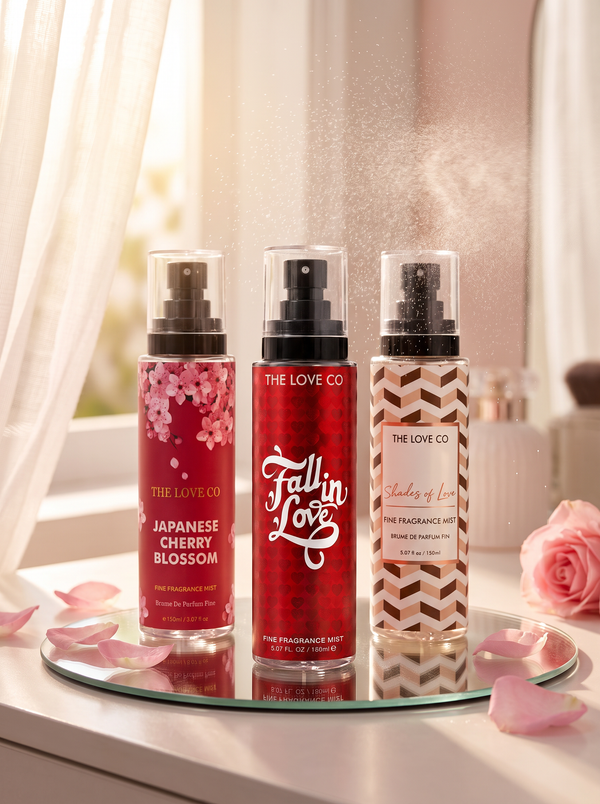
Modern fragrance body care isn't a replacement for attar. It's a translation. The four-step ritual — body wash, body butter, body mist, solid perfume — is built on principles Kannauj perfumers have understood for 400 years: Oil-based formulations outperform alcohol-based ones in Indian climate. Attar's sandalwood oil base has always understood this. Fragrance body care's body butter and solid perfume formats apply the same principle. Fragrance evolves through layering. Traditional attar wearers often wore multiple attars — a lighter one during the day, a heavier one for evening. This is the four-step ritual, in another format. Scent is a ritual, not a product. Indian fragrance tradition never saw perfume as something you spray once and walk away. It was applied to hair, to clothes, to bedding, to palace walls. The four-step ritual carries this density- of-fragrance-in-daily-life philosophy forward. Certain notes belong to certain occasions. Oud for celebration. Rose for romance. Vetiver for summer. Jasmine for evening. These pairings aren't invented — they're inherited.
What You're Carrying Forward
When you wear oud body care in 2026, you are wearing something that connects you to Akbar's court, Noor Jahan's bath, Shah Jahan's palace fountains, and every Indian grandmother who ever dabbed attar behind her ears before a wedding. When you layer rose body butter with a rose body mist, you are repeating — in modern format — what Mughal perfumers did 400 years ago for their empresses. When you apply solid perfume from your handbag at 2 PM, you are using the same oil-based, humidity-resistant fragrance logic that attar makers perfected in the 12th century. The inheritance didn't stop at your great-grandmother. It went quiet for a century, and now it's yours.
FAQs About Indian Fragrance Heritage
Is attar the same as Indian perfume?
Attar is the specific Indian tradition of alcohol-free, oil-based perfumes distilled onto sandalwood oil bases using the deg-bhapka method. Indian perfume is a broader term that includes attar plus modern alcohol-based perfumes made in India. Attar is the traditional format; modern Indian perfume includes both.
Where is Kannauj and why is it important?
Kannauj is a small city in Uttar Pradesh on the Gangetic plains. It has been India's perfume capital for over 1,000 years. Most authentic Indian attars are still made in Kannauj using methods unchanged for 400 years. It's sometimes called "the Grasse of the East" after the famous French perfume city.
What is the deg-bhapka method?
Deg-bhapka is the traditional Indian hydro-distillation method for making attar. Plant materials (roses, jasmine, etc.) are heated in a copper still (deg) filled with water. The fragrant steam travels through a bamboo pipe into a second vessel (bhapka) containing sandalwood oil, which absorbs the fragrance. The process takes days and is nearly impossible to mechanise without quality loss.
Why did the British diminish attar culture?
Not through direct suppression, but through economic and cultural pressure. European synthetic perfumes were cheaper and marketed as "modern." Indian aristocracy seeking Western approval switched. Attar was gradually re-labelled as "traditional" and "old-fashioned." By independence, two generations had grown up treating their own fragrance heritage as unfashionable.
Is mitti attar really made from baked earth?
Yes, genuinely. Clay from specific riverbanks is baked, then distilled so its scent — similar to petrichor, the smell of the first rain on dry ground — is captured in sandalwood oil. It's one of the most distinctly Indian fragrances in world perfumery. PM Modi reportedly gifted mitti attar to world leaders at the G20 summit in 2023.
What's the connection between Indian and Middle Eastern perfume?
Deep. Indian attar-making techniques travelled west to the Arab world during medieval trade, and Persian perfumery techniques came east during the Mughal era. The modern oud-heavy Middle Eastern perfume tradition has significant Indian roots — agarwood itself grew in India and Southeast Asia. The two traditions share more than most modern consumers realise. Are traditional attars still available today?
Yes, though the industry is much smaller than it was. Kannauj has around 60-80 active attar distilleries. Authentic attars can be purchased directly from Kannauj makers or through specialist fragrance houses. Prices range from reasonable (₹500 for a small vial of rose attar) to extraordinary (₹50,000+ for pure Assamese oud).
Why is modern fragrance body care connected to this heritage?
Modern fragrance body care applies the principles Kannauj perfumers have understood for centuries — oil- based formats, layering, scent-to-occasion pairing, humidity-aware composition — to a 2026 Indian woman's daily routine. It's not a replacement for attar. It's the format in which inherited fragrance logic meets contemporary life.
The Inheritance Is Yours
Indian women are not entering fragrance culture. They are returning to it — after a century-long detour through imported French perfume and drugstore lotion. The notes their grandmothers wore are the notes coming back. The logic of daily ritual is the logic Mughal empresses built palaces around. The oil-based, humidity-defeating chemistry that makes fragrance body care work in Mumbai is the same chemistry that's kept attar relevant for 400 years. When you build your fragrance body care ritual, you aren't adopting a trend. You're re-entering a lineage. The lineage went quiet for a while. It never disappeared. It was just waiting for the next generation to notice. "The greatest luxury in modern Indian beauty is something you already inherited. You just forgot you had it."
Keep Exploring
- The Complete Guide to Indian Fragrance Body Care
- Oud: From Royal Heritage to Modern Body Care
- Shop All Body Mists
- Shop Fragrance Rituals
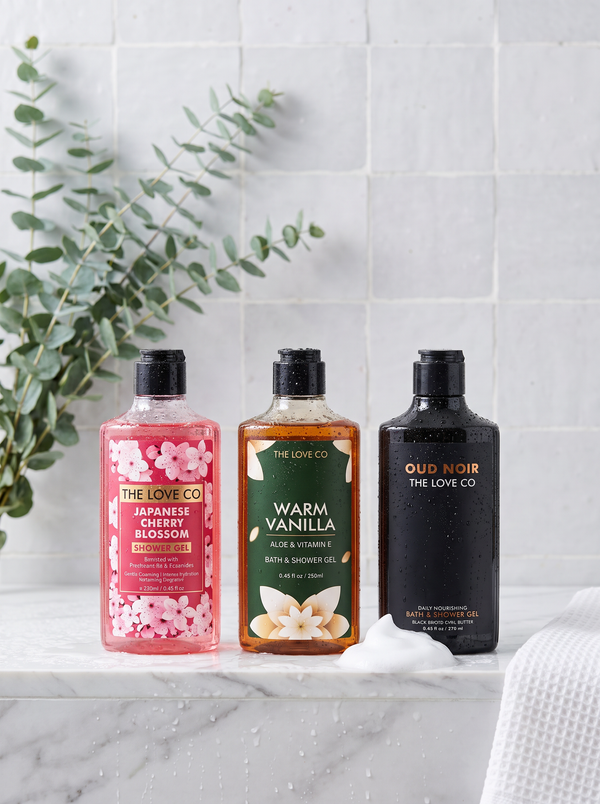
Japanese Cherry Blossom Shower Gel
Scent Trail Step 1 · soft floral body wash Start the Scent Trail here. A pH 5.5, SLS-free cleanser that protects your skin barrier while it washes —...
A ritual is the smallest love you give yourself, daily.
— Hemang Jain · 21 Apr 2026