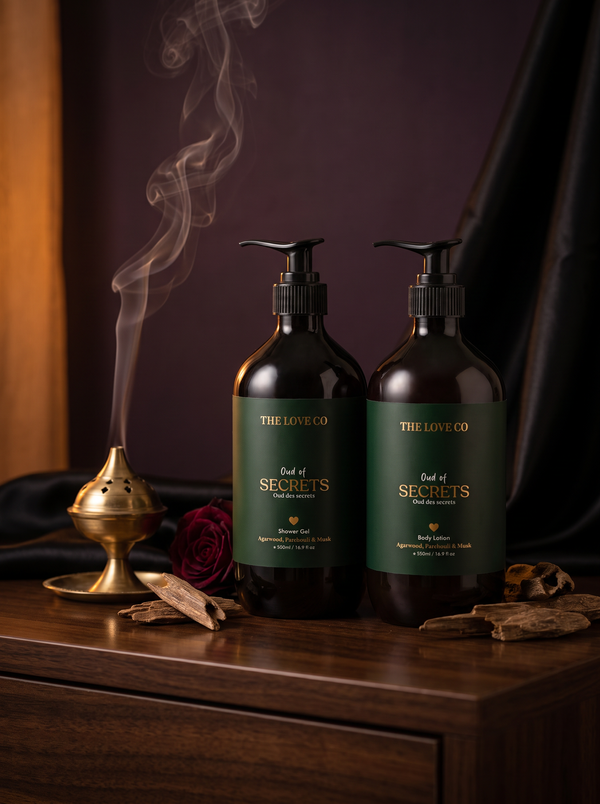
Mughal emperors perfumed their palaces with it. Attar makers in Kannauj have been distilling it for 800 years. Today, a new generation of Indian women is rediscovering what their great-grandmothers already knew — oud doesn't just smell good. It carries you through the room twelve hours after you've left it.
The 30-Second Version
Oud is a resin produced by agarwood trees when they're infected by a specific mould. It's one of the most valuable fragrance materials in the world — by weight, more expensive than gold. For 2,000 years, it's been central to Indian and Arabic perfumery. Now oud is returning in modern formats — body wash, body butter, body mist, solid perfume — because oud performs exceptionally well on warm Indian skin. This is the complete guide: what oud is, why it's returning, how to wear it, and what makes oud body care different from oud perfume.
What Is Oud, Really?
Oud (also called oudh, aloeswood, or agar) is a dark, aromatic resin that forms inside the heartwood of agarwood trees (Aquilaria malaccensis and related species) when the tree becomes infected by a specific type of mould (Phialophora parasitica). The tree produces this resin as a defensive response — and the resulting dark, fragrant heartwood is then harvested, distilled, and turned into oud oil. Two things matter about this process, and both explain why oud has the mystique it does. First, it's rare. Only a small percentage of agarwood trees naturally become infected and produce resin. Even fewer produce resin of the quality used in luxury perfumery. Pure Indian oud oil — particularly from Assam, where some of the world's finest oud has been distilled for centuries — can sell for more than gold by weight. A 12ml bottle of pure Assamese oud can retail for upwards of ₹50,000.
Second, the scent is unforgettable. Oud is warm, deep, resinous, smoky, slightly animalic (meaning it smells faintly like skin, which is what makes it so intimate), with undertones of wood, leather, and something almost sweet underneath. It's not a "pretty" fragrance the way rose or vanilla are pretty. It's a present fragrance. People notice. They remember.
Oud Is Not the Same as Attar
This is where most Indian consumers get confused, and it matters for understanding what you're buying: Oud is a specific fragrance material — the resin from agarwood trees. Attar is a format — any alcohol-free, oil-based perfume, regardless of what's in it. An attar can be rose- based, sandalwood-based, jasmine-based, or oud-based. Oud attar specifically refers to the traditional Indian format where oud is distilled onto a base of sandalwood oil. So when someone says "I wear attar," they might be wearing rose attar, khus attar, or oud attar. When someone says "I wear oud," they're specifically talking about agarwood-derived fragrance, which could be in attar format, spray perfume format, or — increasingly — body care format.
The 2,000-Year History That Most People Don't Know
Oud is not a new trend. It's one of the oldest continuously used perfume ingredients in human history.
Ancient India (500 BCE–1000 CE)
References to agaru — the Sanskrit word for agarwood — appear in Indian texts dating back to the Charaka Samhita and the Atharvaveda. It was used for religious ceremonies, medicinal purposes, and personal fragrance. Ancient Ayurvedic texts describe it as a "warming" fragrance that balances kapha dosha.
The Silk Road Era (1000–1500 CE)
Indian oud travelled along the Silk Road to the Middle East, where it became central to Arabic perfumery. It also moved east to China and Japan, where agarwood incense (jinko) became one of the most valued substances in imperial court culture. Samurai-class Japanese families would hold koh-do ceremonies — incense rituals — where the quality of the oud was an indicator of a host's cultivation and wealth.
The Mughal Era (1500–1800 CE)
This is when oud became the fragrance of Indian aristocracy. The Mughal emperors perfumed their palaces, their clothing, and their women with it. Akbar's court in Fatehpur Sikri reportedly burned oud incense daily. Shah Jahan commissioned custom oud blends from Kannauj attar makers. The town of Kannauj in Uttar Pradesh — still operating today as the "perfume capital of India" — established its reputation during this era. Indian wedding traditions from this period embedded oud deeply into cultural ritual. A bride's pre-wedding preparations included application of oud-based attar. Wedding beds were perfumed with oud incense. The smell of oud became synonymous with celebration, intimacy, and significance.
Modern Oud — The Return (2015 onwards)
Something interesting happened in the last decade. Western luxury perfumery rediscovered oud — driven initially by Middle Eastern fragrance houses expanding globally, then picked up by brands like Tom Ford, Dior, and Maison Francis Kurkdjian. Oud perfumes became the status fragrance in Western markets. Meanwhile, in India — where oud never left cultural memory — the traditional attar industry quietly shrank. Younger Indian women were buying global perfume brands that happened to use oud, not knowing that their own country was the historical epicentre of oud cultivation. An Indian woman in 2020 was more likely to buy a Tom Ford Oud Wood bottle than a Kannauj-distilled oud attar. The return of oud to Indian body care — in modern formats designed for modern lifestyles — is the correction of that historical reversal. "Indian women don't need to be taught about oud. They need to be reminded it was always theirs."
Why Oud Performs Brilliantly on Indian Skin
There's a scientific reason oud has been the preferred Indian fragrance for centuries, and it's not just cultural — it's climate-driven.
Heat Amplifies Oud
Oud's scent molecules are relatively heavy (high molecular weight) compared to the lighter molecules in citrus or aldehydic floral perfumes. Heavy molecules need heat to lift off the skin and project. Indian skin runs warmer than Northern European skin. Indian climate is warmer than European climate. Both together create ideal conditions for oud to project without being suffocating.
On a Parisian woman in October at 12°C, an oud perfume might stay close to the skin as a subtle shadow. On an Indian woman in Mumbai at 32°C, the same oud blooms and trails — but without feeling heavy, because the ambient humidity carries it naturally.
Oil-Based Oud Beats Alcohol-Based Oud in Humidity
Alcohol-based perfumes evaporate quickly in high humidity — the water molecules in the air compete with the alcohol carrier and accelerate its dispersal. Oil-based oud (traditional attar, solid perfume, oud body butter) doesn't have this problem. It sits on skin, warmed by body heat, released slowly through natural skin oils. This is why a ₹50,000 bottle of French oud perfume can disappear by lunch in Delhi, while a ₹2,000 traditional oud attar can still be detectable 12 hours later.
Oud Marries With Indian Skin Oils
The sebum profile of Indian skin (generally higher in oleic acid than Northern European skin) creates a particularly warm, rich performance of oud. The scent takes on a slightly sweeter, creamier character on Indian skin than it does on drier skin types. Perfumers call this "skin chemistry" — and Indian skin chemistry is flattering to oud in a way many other fragrances aren't.
Oud Body Care — What Makes It Different
Oud body care isn't just oud perfume stretched across multiple products. The formulations are meaningfully different. Here's what matters:
Oud Body Wash: The Gentle Introduction
In a body wash, oud is softened by cleansing surfactants and warm water. You're not getting pure oud intensity — you're getting an oud-accord that primes the skin. Think of it as the opening chapter of the fragrance story, not the whole book. A good oud body wash should hint at oud through steam, but not overwhelm. What matters more in the wash is that it introduces the scent world your skin will carry for the next 12 hours.
Oud Body Butter: The Main Event
The body butter is where oud body care earns its fragrance credentials. Because body butter is fat-based and oud is fat-soluble, the butter holds the fragrance at a concentration much higher than a body wash could support. A well-formulated oud body butter will give you 6-8 hours of unmistakable oud presence on skin from one application — and it's the step that makes everything else in the ritual work.
Oud Body Mist: The Projection
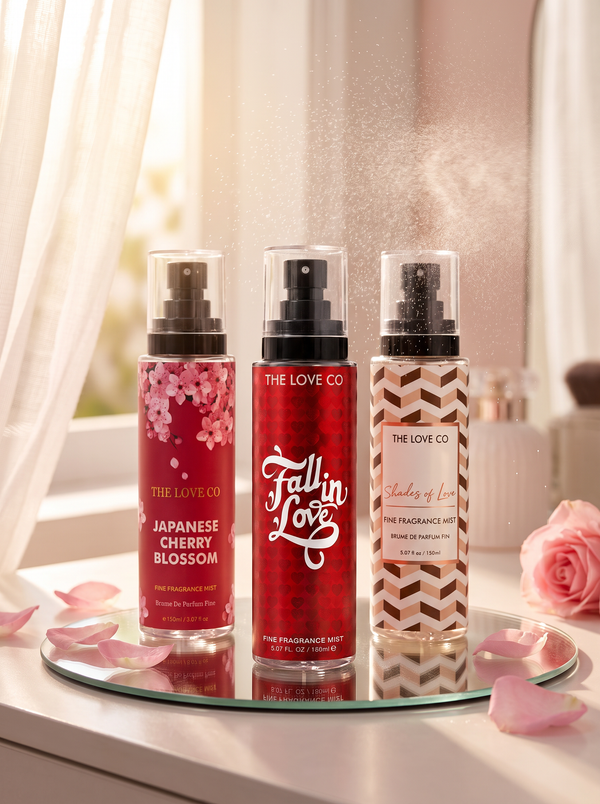
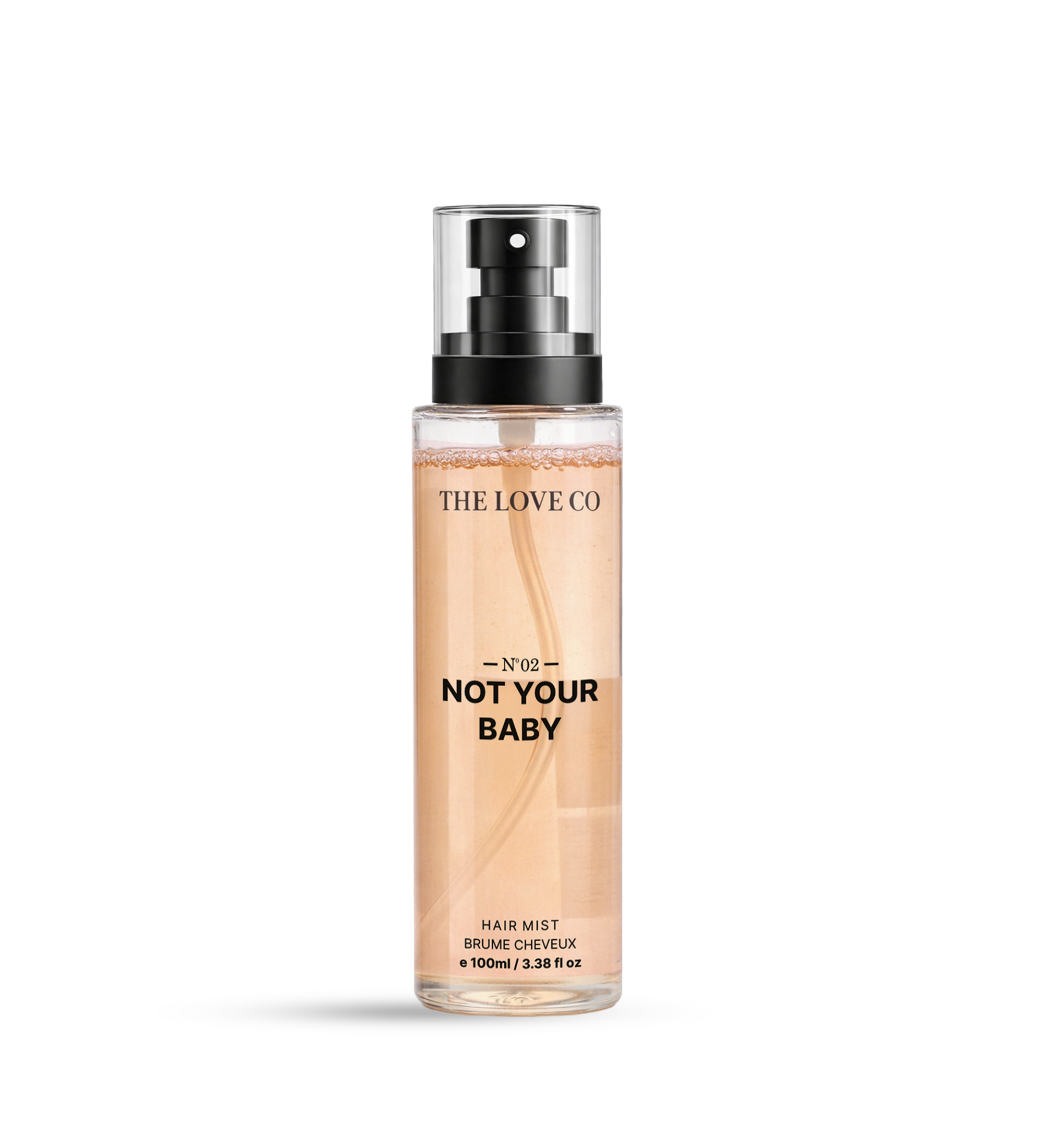
Body mists are alcohol-based, carrying roughly 1–3% fragrance concentration — The Love Co mists sit at 2–3%. They give you projection — the scent that moves ahead of you as you walk, that hits someone leaning closer. The mist is what turns your oud ritual from private experience to social signature.
Oud Solid Perfume: The Intimate Layer
Solid perfume brings the ritual full circle back to traditional attar form. Oil-based, wax-stabilised, portable. This is the step that keeps oud detectable on your skin at 9 PM after a day that started at 7 AM. It's the most traditional step in the most modern format — a 2,000-year-old solution in a 2026 package.
How to Wear Oud Body Care — The Complete Day
| Time | Ritual step | What you're doing |
|---|---|---|
| 7:00 AM | Oud body wash | Shower. Fragrance enters skin through warm water. Priming begins. |
| 7:05 AM | Oud body butter | Apply on damp skin — locks fragrance and moisture simultaneously. Main scent layer established. |
| 7:30 AM | Oud body mist | Two spritzes, neck and wrists. Projection layer activated. |
| 10:00 AM | You arrive at the office | Scent in full bloom. |
| 2:00 PM | Oud solid perfume | Dab the wrist from your handbag. Refreshed without re-misting. |
| 7:00 PM | Ritual continues on skin | Scent settling into base notes. Deeper, warmer, more intimate. |
| 11:00 PM | Before sleep | Oud still faintly detectable on skin. |
Who Oud Body Care Is For (And Who It's Not)
Oud is a confident fragrance. It announces. It's remembered. That means it's not the right first-fragrance choice for everyone.
Oud is for you if:
- You want a signature scent people identify with you
- You're drawn to warm, rich, complex scents over light, fresh ones
- You wear oud perfumes and have wondered if there's a body care version
- You have oily or combination skin — oud performs particularly well on these
- You attend weddings, festive events and formal occasions where fragrance matters
- You've inherited a connection to attar through your family and want to bring it into modern body care
- You work in a customer-facing or creative role where fragrance becomes part of how people read you
Oud might not be for you yet if:
- You prefer fragrance to be a whisper, not a statement
- You work somewhere with a strict fragrance policy — some corporate offices, hospitals and labs
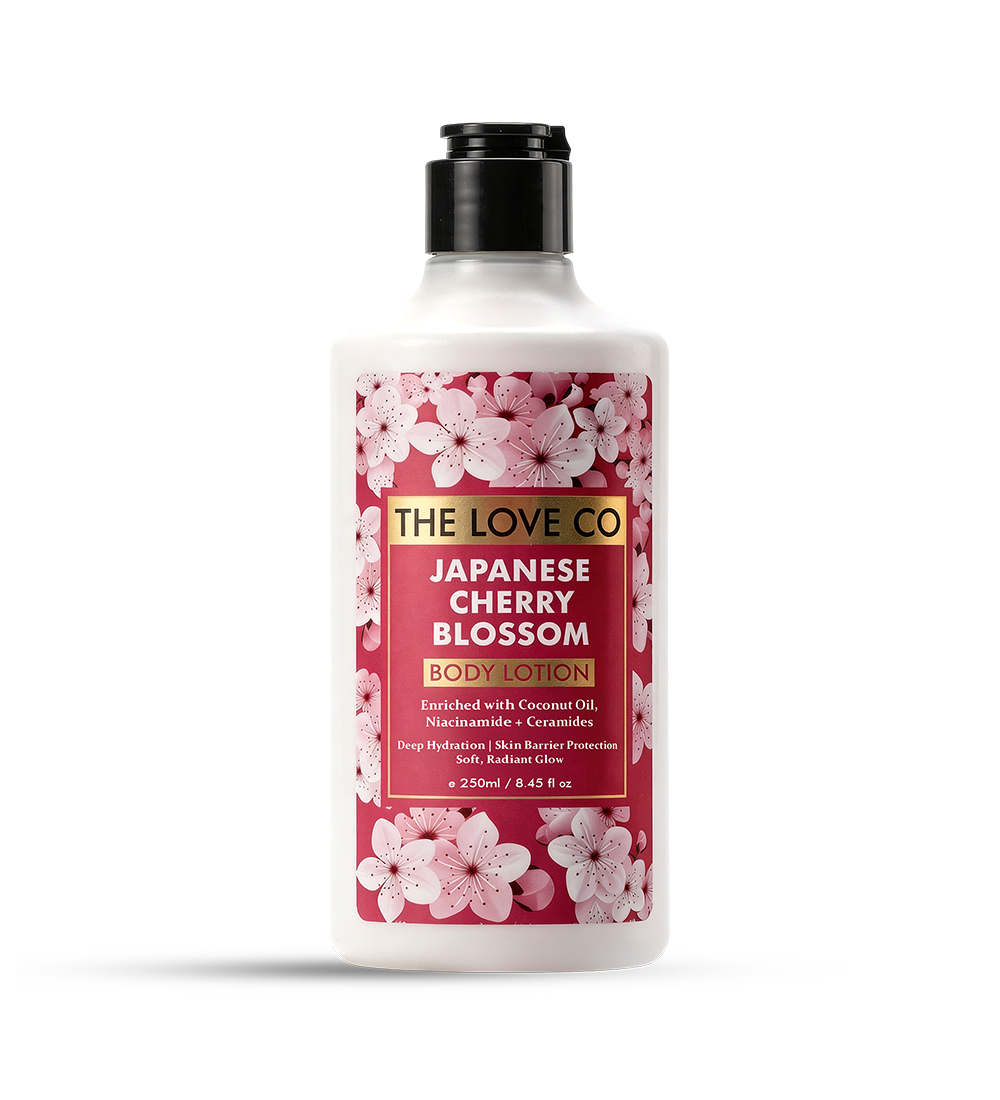
- You have very sensitive skin and are just starting with fragranced body care. Begin with cherry blossom and move to oud later
- You're in your teens or very early twenties. Oud can read as older on younger skin; you may grow into it
A practical tip: if you're new to oud, start with the oud body butter alone. Use it for two weeks. See how it performs on your skin, in your climate, with your wardrobe. If you love it, build the rest of the ritual around it.
The Indian Oud Revival — What's Happening Now
Search interest in Indian oud body care has climbed sharply over the past two years, and the category is still young enough that very few Indian brands have staked a clear position in it. What's driving this revival?
A generational rediscovery
Indian women in their late 20s and 30s — the daughters and granddaughters of women who wore attar daily — are rediscovering oud. Not as a nostalgic throwback, but as a modern, confident signature. Social media has played a role; TikTok and Instagram fragrance content introduced oud to a younger audience in Western formats, and Indian women realised "wait, this is ours."
The gourmand fatigue
Global fragrance trends have been dominated for five years by gourmand notes — vanilla, caramel, pistachio, cotton candy. The trend has peaked. Women who wore every gourmand in sight are now looking for something more grown-up, more grounded, more memorable. Oud is the answer.
The cultural confidence moment
Indian beauty, Indian fashion, Indian craft — all are experiencing a global moment. Younger Indian women are more interested in celebrating their cultural inheritance than at any point in the last 50 years. Oud fits that moment naturally because it is that inheritance.
FAQs About Oud Body Care
What does oud smell like?
Oud is a warm, deep, resinous fragrance — slightly smoky, slightly sweet underneath, with wood and leather undertones. On warm skin, it can feel almost animalic (like skin itself), which is what makes it so intimate. It's not a "pretty" fragrance in the conventional sense — it's a present one.
Is oud body care only for festive occasions?
No. While oud has historical associations with weddings and celebrations, modern oud body care is formulated for daily wear. The key is that a well-made oud body wash or body butter is softer and more wearable than a concentrated oud perfume — so you can wear it to work on a Tuesday without overwhelming a meeting room.
Is oud a masculine or feminine fragrance?
Oud is unisex in its cultural heritage. In India and the Arab world, both men and women have worn oud for centuries. Western perfumery imposed gender divisions that don't exist in the original tradition. Modern oud body care is formulated for all skin types and genders.
Why is oud so expensive?
Pure agarwood is one of the rarest natural fragrance materials in the world. Only a small percentage of agarwood trees produce the oud resin, and the extraction process takes years. In body care, oud is typically used as an "accord" — a recreation of the oud scent profile using a combination of natural and synthetic materials, which brings the cost down significantly while preserving the character.
Can oud work as a daytime fragrance in Indian summer?
Yes, in body care formats. Pure oud perfume can feel heavy in peak summer, but an oud body butter followed by a light oud body mist is wearable across all seasons. The multiple lighter layers of body care distribute the oud differently than a single heavy perfume application.
How do I know if an oud product is authentic?
True natural oud is rare and expensive — most body care products use high-quality oud accords (blended compositions) rather than pure oud oil. This isn't a problem if the accord is well-made; it's what allows oud body care to be affordable. Look for Indian brands that specify their oud sourcing (Assam oud is premium) and use complementary natural materials like sandalwood, amber, and musk in the composition.
Can I layer oud body care with an oud perfume?
Absolutely — and this is actually the most effective fragrance layering combination for oud lovers. Use your oud body wash, body butter, body mist as the base. Finish with a few drops of your oud perfume on pulse points. The result is oud at multiple concentrations across multiple durations, giving you a fragrance signature that lasts 14+ hours.
Start Your Oud Story
Your great-grandmother knew what oud felt like on skin. Your grandmother may have worn it on her wedding day. Somewhere in the last 50 years, the chain broke — and oud became something foreign rather than something inherited. This is your chance to restart that chain. Not as a trend. As a return. The fragrance that carried Mughal emperors through their courts, that perfumed your family's celebrations for generations, that smells most like you when it meets your warm Indian skin — it was always yours. Pick up the thread.
"Some scents are trends. Oud is an inheritance. The difference is — inheritances get handed down."
Keep Exploring
- The Complete Guide to Indian Fragrance Body Care
- Indian Fragrance Inheritance: Four Thousand Years
- Shop Oud Collection
- Shop Body Mists
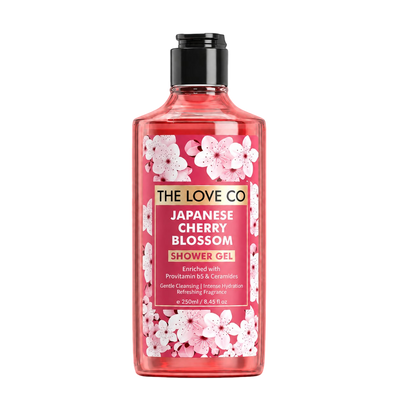
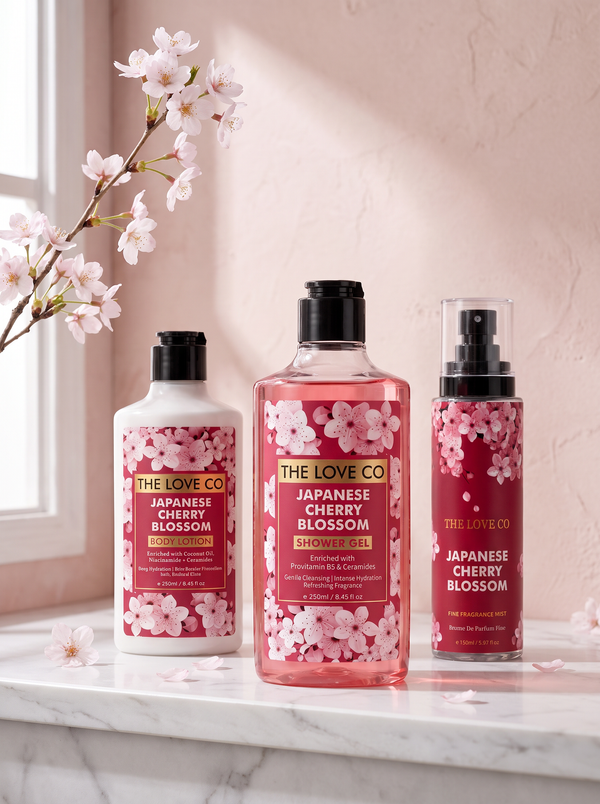
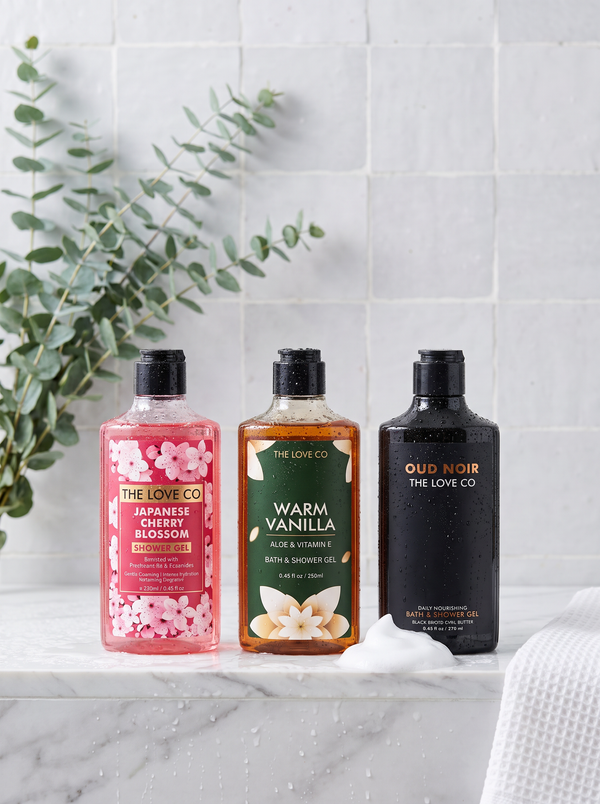
Japanese Cherry Blossom Shower Gel
Scent Trail Step 1 · soft floral body wash Start the Scent Trail here. A pH 5.5, SLS-free cleanser that protects your skin barrier while it washes —...
A ritual is the smallest love you give yourself, daily.
— Hemang Jain · 21 Apr 2026