

Lactic Acid Body Wash: The Gentle Exfoliant Made for Indian Skin
Not everyone's skin tolerates strong exfoliants well. Glycolic acid can be too intense for sensitive skin types. Salicylic acid isn't ideal for very dry or reactive skin. But most people still need some form of regular chemical exfoliation to keep body skin smooth, even, and properly hydrated.
Lactic acid fills that gap — and it's arguably the most underrated active ingredient in body care.
What Makes Lactic Acid Different from Other AHAs
Lactic acid is an alpha-hydroxy acid (AHA), the same family as glycolic acid. But where glycolic acid has the smallest molecular size and penetrates most aggressively, lactic acid has a larger molecule that works more slowly and superficially. This translates to a gentler exfoliation with a lower risk of irritation — which is why it's suitable for skin types that can't tolerate glycolic acid.
Beyond exfoliation, lactic acid has a unique secondary property that most AHAs don't: it's a natural humectant. It draws moisture into the skin as it exfoliates, meaning it simultaneously removes dead skin cells and increases hydration. For dry or dehydrated body skin, this dual action is particularly valuable.
Why It Works Well for Indian Skin
Indian skin has a higher melanin content, which makes it more prone to post-inflammatory hyperpigmentation — dark marks that form in response to irritation, friction, or inflammation. Strong exfoliants applied to melanin-rich skin without proper preparation can cause PIH themselves, defeating the purpose.
Lactic acid's gentler action makes it a safer starting point for regular exfoliation on darker skin tones. It improves texture and tone without the risk of reactive hyperpigmentation that comes with over-exfoliation. Over time, it also gently reduces existing dark patches — particularly on elbows, knees, and shoulders — through accelerated cell turnover.
What to Expect
With consistent use (3–4 times a week), lactic acid body wash delivers:
- Noticeably smoother skin on rough areas — particularly thighs, upper arms, and elbows — within 2 weeks
- Improved hydration levels even before applying post-shower lotion, due to lactic acid's humectant properties
- Gradual brightening of dark patches and overall skin tone evening over 4–8 weeks
- Reduction in keratosis pilaris (rough, bumpy texture on upper arms) — lactic acid is one of the most clinically studied ingredients for this condition specifically
Keratosis Pilaris: Lactic Acid's Strongest Use Case
Keratosis pilaris (KP) — the small, rough bumps on the back of the upper arms and sometimes thighs — affects a significant portion of the population and is notoriously difficult to treat. It's caused by keratin building up around hair follicles, forming hard plugs.
Lactic acid addresses this through its keratolytic action: it dissolves the keratin bonds that form these plugs. Clinical studies have specifically identified lactic acid-based lotions and washes as first-line treatments for KP. Consistent use over 4–6 weeks produces visible softening of bumps and smoother overall texture.
The key is consistency — KP returns when regular exfoliation stops, because the underlying tendency for keratin overproduction is genetic.
How to Use Lactic Acid Body Wash
Apply to damp skin, lather lightly, and leave for 60 seconds before rinsing. Unlike some actives, lactic acid body wash can be used daily for most skin types once accustomed — the gentleness of the molecule allows for more frequent use than glycolic acid.
Start with 3 times a week for the first two weeks, then increase if skin responds well. Those with very sensitive or compromised skin barrier should begin with twice a week.
The Lotion Pairing That Maximises Results
Lactic acid body wash primes the skin surface. Following with a body lotion containing hyaluronic acid or ceramides seals in the moisture that lactic acid has drawn to the surface — a genuinely synergistic combination for anyone dealing with dry, rough, or uneven body skin.
For KP specifically, follow with a lotion that also contains lactic acid or urea — the dual application (active wash + active lotion) is significantly more effective than either alone.
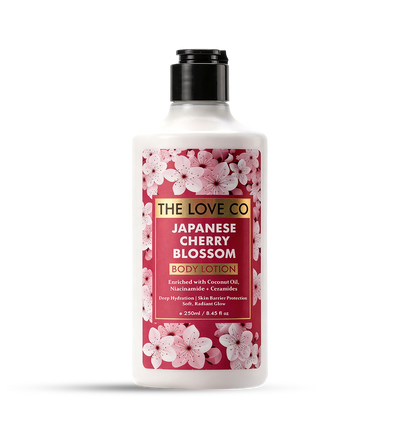
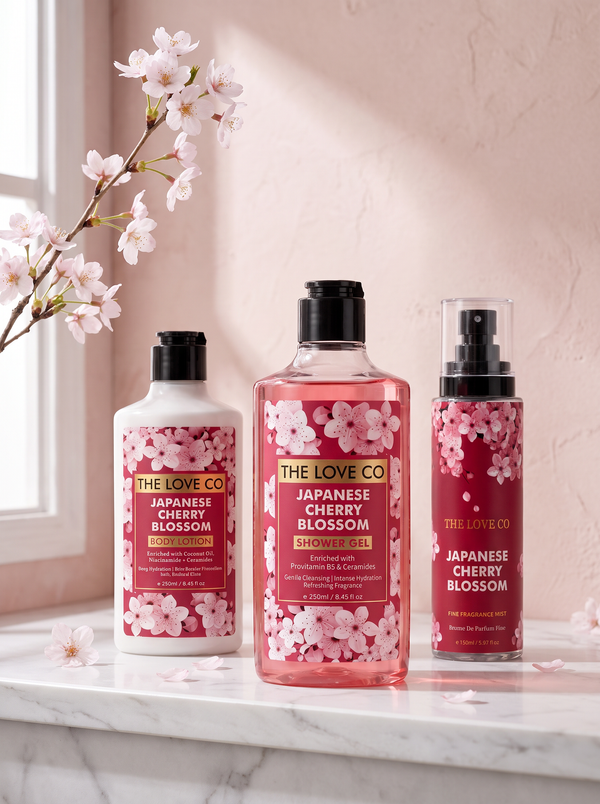
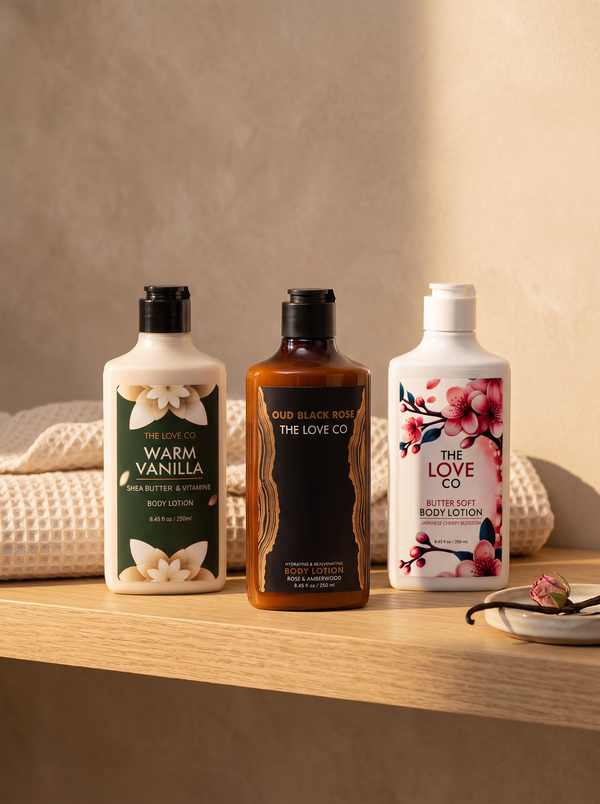
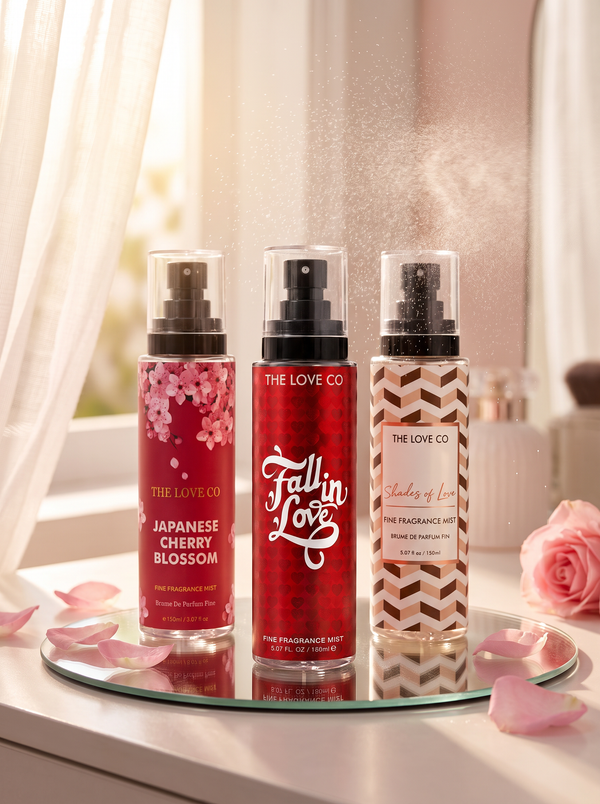
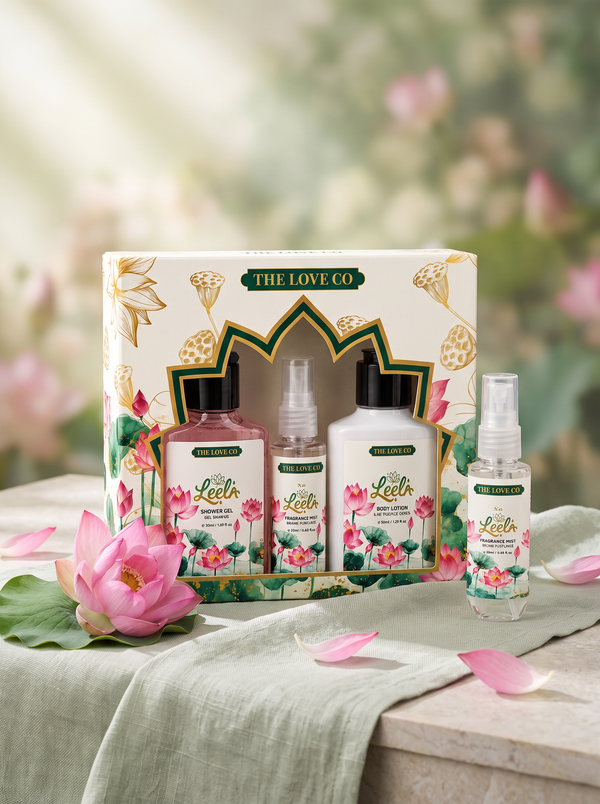
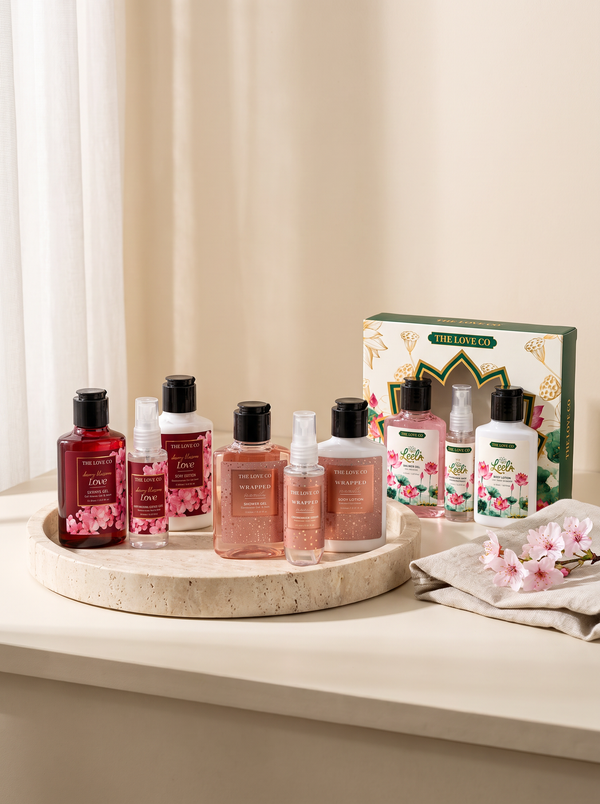
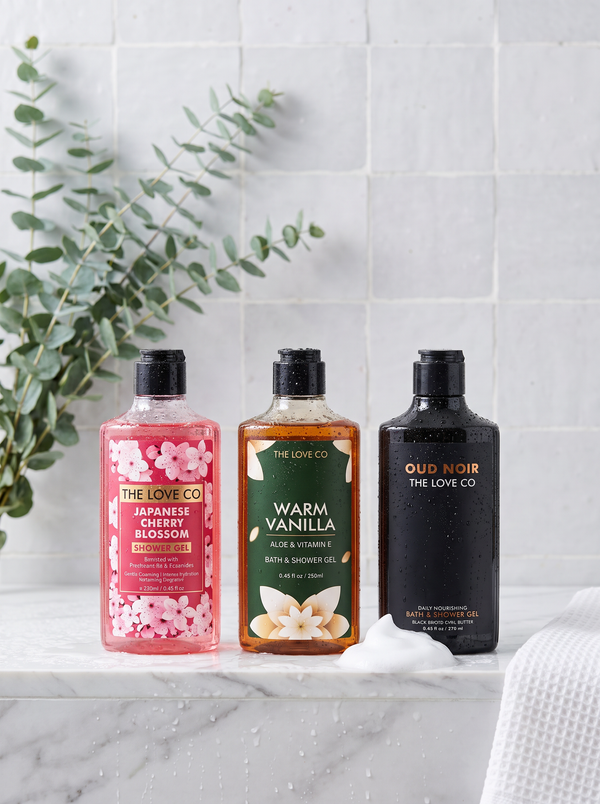
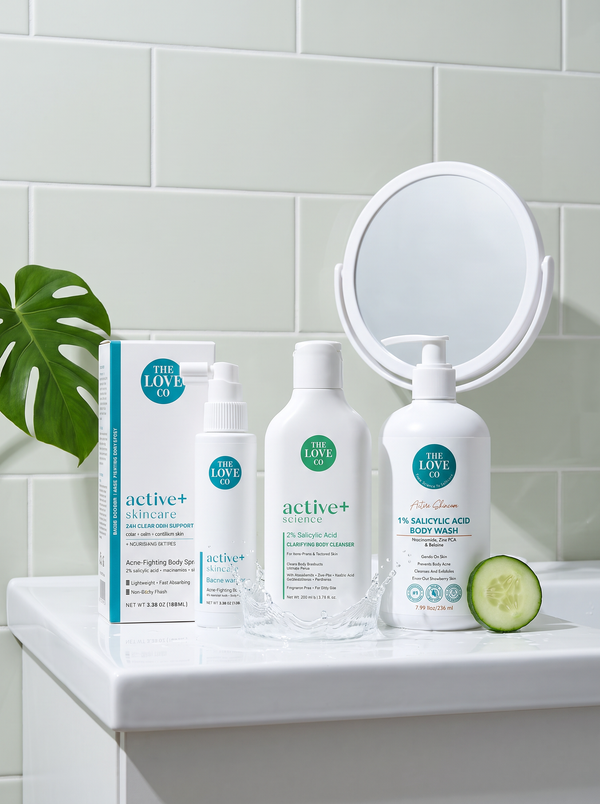
Explore The Love Co's body wash range — formulations that balance genuine efficacy with the sensory ritual your skin deserves.
Japanese Cherry Blossom Shower Gel
Scent Trail Step 1 · soft floral body wash Start the Scent Trail here. A pH 5.5, SLS-free cleanser that protects your skin barrier while it washes —...
A ritual is the smallest love you give yourself, daily.
— Shopify API · 07 May 2026