




What Is Musk? The Most Misunderstood Note in Perfumery
Almost every modern fragrance contains musk — but most people cannot identify it. Here is what musk actually is and why it is the most important invisible note in perfumery.
Original Musk Was Animal
Real musk came from the musk deer, harvested by killing the animal. It was banned globally in 1979 and replaced by synthetic musks.
This is one of perfumery's clear cases where synthetic is unambiguously better — the species was driven near-extinct by the trade.
What Synthetic Musks Smell Like
Skin-like, warm, slightly powdery. Some people genuinely cannot smell certain musk molecules (a genetic trait called musk anosmia).
Musks make skin smell 'cleaner', 'warmer', or 'more like itself, but better' — which is why they appear in nearly every modern fragrance.
Why Musk Lasts So Long
Musk molecules are large and bind tenaciously to skin. A musk-based fragrance can leave a trace 12+ hours after application.
Musks also act as fixatives — they extend the wear of every other note in a composition.
Wearing Musk
Look for 'white musk', 'soft musk', or 'clean musk' for a fresh, modern interpretation. Skin musks pair beautifully with sandalwood, vanilla, and citrus — the trio that defines most of contemporary fragrance.
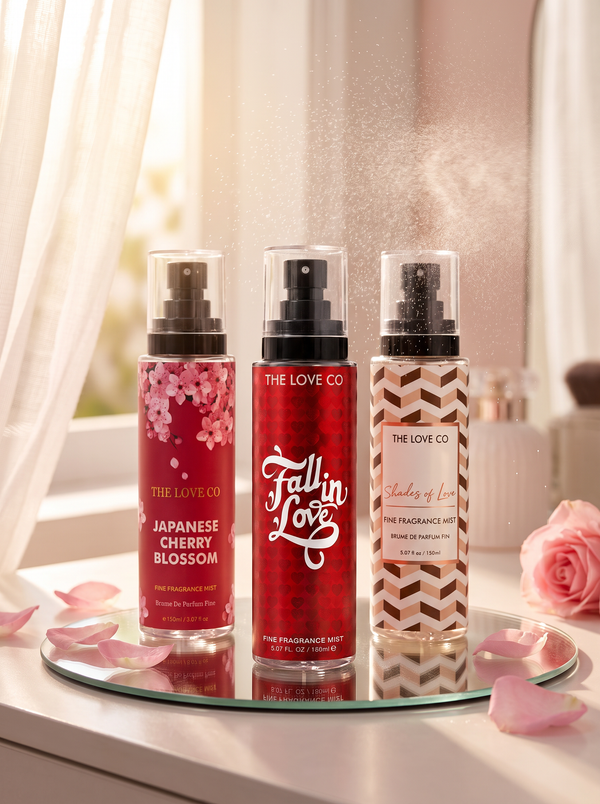
Shop the body mist collection.
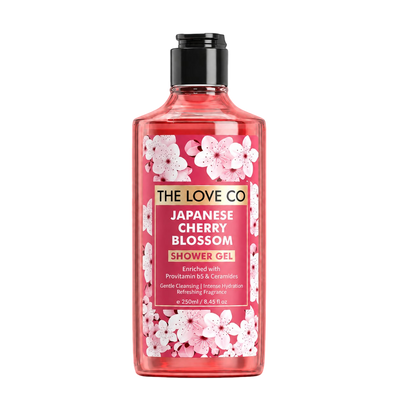
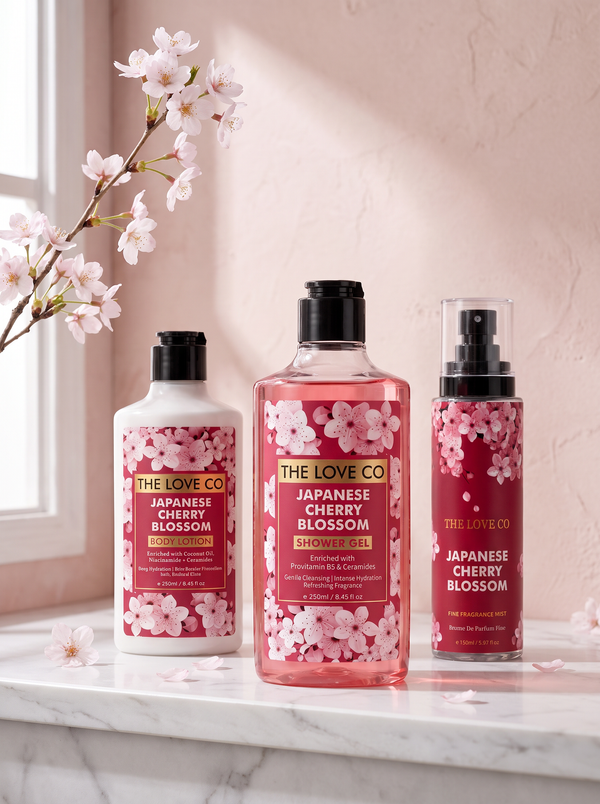
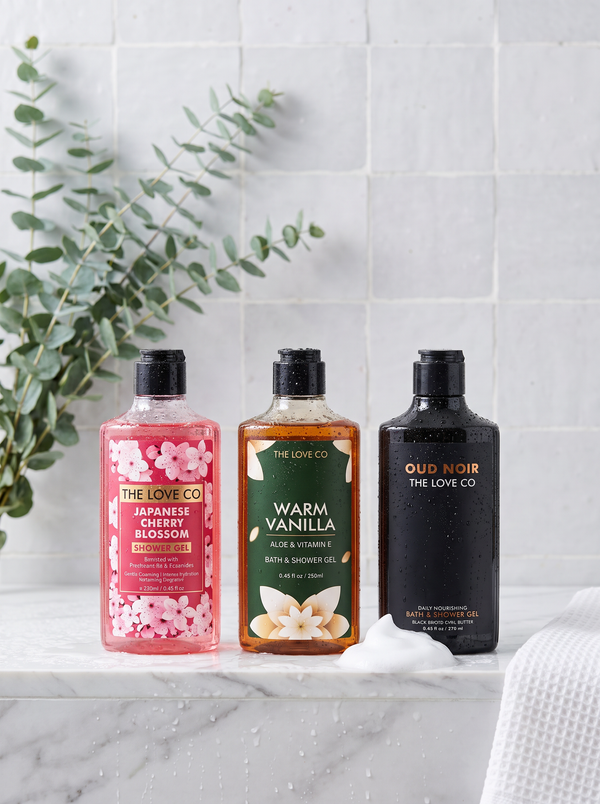
Japanese Cherry Blossom Shower Gel
Scent Trail Step 1 · soft floral body wash Start the Scent Trail here. A pH 5.5, SLS-free cleanser that protects your skin barrier while it washes —...
A ritual is the smallest love you give yourself, daily.
— Shopify API · 10 May 2026